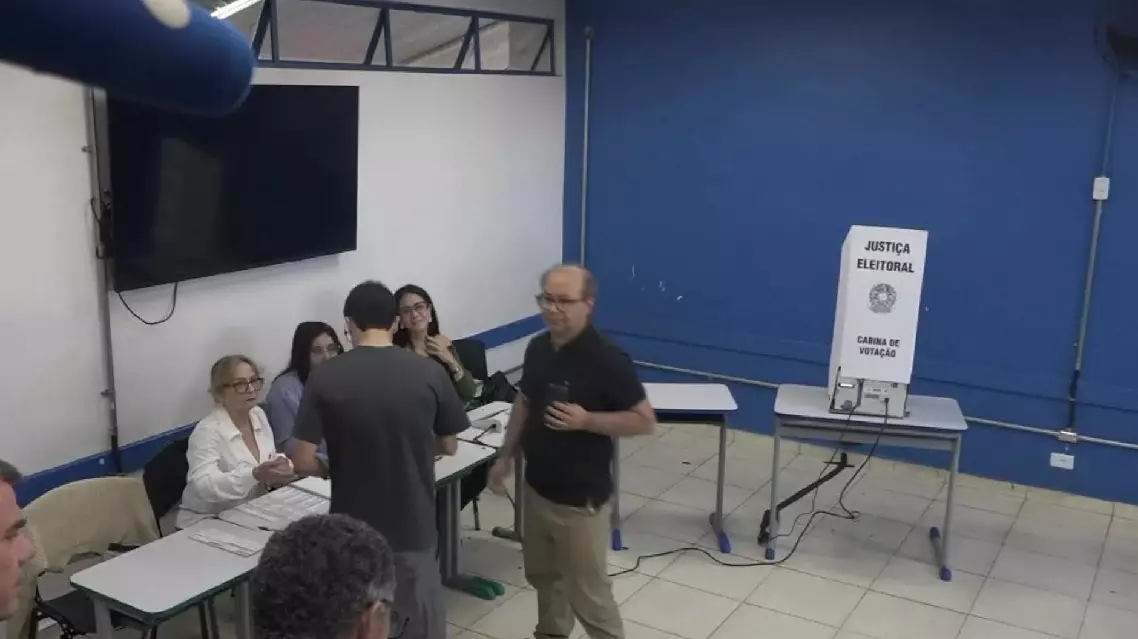
Brazil's presidential election first-round results left voters deeply divided, sparking a mixture of profound anxiety and cautious hope across the country, as the race heads to an October 25 runoff.
Following the first round of voting, the right-wing senator Flavio Bolsonaro of the Liberal Party -- also the son of former president Jair Bolsonaro -- garnered about 47 percent of valid votes, ahead of President Luiz Inacio Lula da Silva on 45 percent.
The result was a surprise for left-leaning voters, who expressed deep distress over the conservative surge.
"I'm feeling very distressed, very worried about seeing our country go backwards. It took us too long to get where we are to accept anything less than a democracy lived fully by all Brazilian citizens," said Regina Lunardelli, a homemaker.
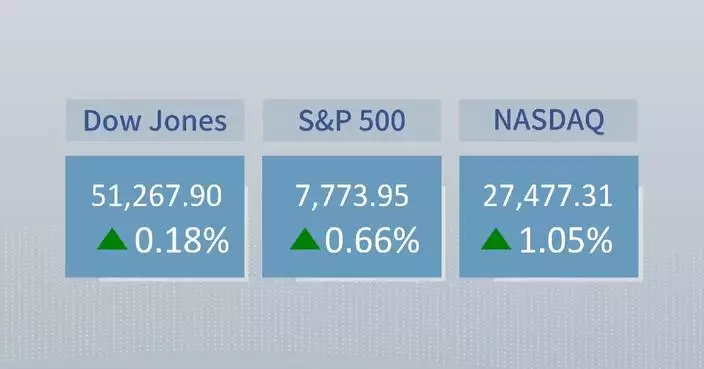
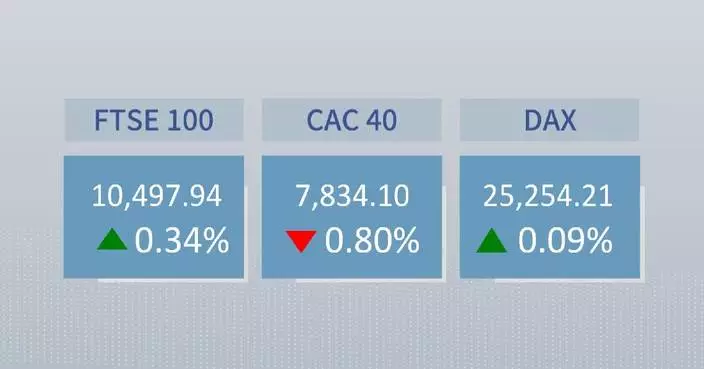
On the first trading day after the vote, Brazilian stocks jumped and its real strengthened. Analysts said investors saw a higher chance of a Flavio victory, a candidate more seen as pro-market.
Among voters backing Lula in his bid for a fourth, non-consecutive term, they anticipate a hard-fought battle ahead amid an acute awareness of institutional friction.
"He'll be working in the worst possible conditions, right? Just look at the Senate. That will already be an obstacle to the federal government's work. But at the same time, I see it more as a job of holding the line, maybe, because it will stop some things from happening," said Diogo Mendes, a graphic artist.
For some conservative voters, the vote represents a demand for change rather than full support for a single candidate.
"It's past time for a change. So I'm really hoping for a change of politicians, and above all a change of president," said a voter.
Under Brazil's electoral rules, a presidential candidate must secure more than half of the valid votes to win outright in the first round. Otherwise, the two candidates with the most votes advance to a runoff.
Given the tight race, voters on both sides recognized that whoever wins the October runoff will inherit a country split almost evenly down the middle.
Brazilian voters split deeply after first round of presidential election