As cities around the world grapple with how to meet residents' everyday needs more effectively, New Yorkers frustrated by slow response times to their queries say they are curious about how Beijing's "Swift Response to Public Complaints" system could offer lessons worth learning from and believe similar initiatives could be introduced in their own metropolis.
The upcoming 2026 Beijing Forum on Swift Response to Public Complaints will be held in the Chinese capital from Oct 12-13, shining a spotlight on the city's urban management protocols and efficient handling of concerns at the community level.
Participants from more than 70 countries and regions are expected to gather and discuss how digital and intelligent technologies can empower urban governance, and how cities can modernize public services.
Ahead of the forum, the China Global Television Network (CGTN) took to the streets of New York to ask local residents how their own city handles public services and what they would want to know about how other major urban centers like Beijing deal with such issues.
Since 2019, Beijing has pioneered reform by building a public service mechanism centered on the '12345' telephone hotline that features rapid response, efficient handling, and timely feedback on public inquiries, requests, suggestions, and complaints, with a strong emphasis on proactive governance.
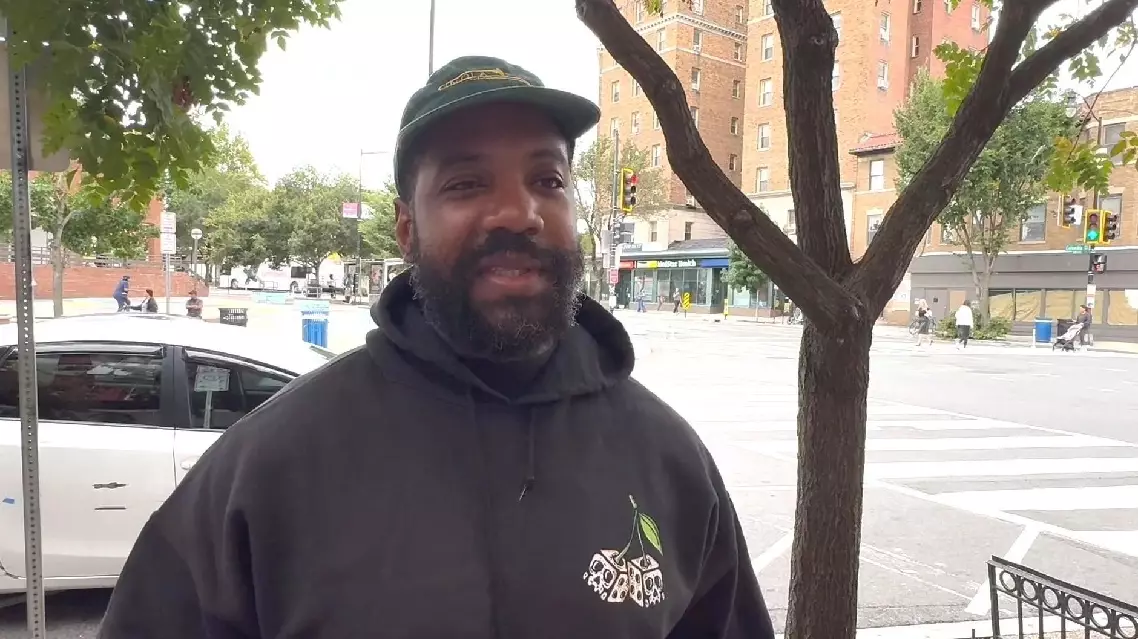
Local driver Steven Hitts said New Yorkers can turn to calling '311' for non-emergency municipal services, but he believes the official hotline can sometimes be too slow, with some requests taking weeks to resolve.
"I would say it's mostly effective. People can kind of give you a heads up to say, 'okay, this city agency doesn't work, but this agency does'. It might tell you, okay, you need to expect three or four weeks as a response rather than 24 to 48 hours," Hitts said.
Sam Chai, a nutritionist, agreed that the response times could be significantly sped up.
"Probably it could be a little quicker. They're usually a little slow, either because they have so much to do or because they're understaffed and don't have the power, [or] the workforce, to get things done quickly," he said
Tony Breathwaite, an electrician, said he wanted to know more about how Beijing actually puts its Swift Response to Public Complaints system into practice.
"I'd like to know how China actually works, and how China better uses technology for non-emergency issues," he said.
"I would definitely want to know what the wait time is, or if they would call you back, maybe. Because that would be a lot more effective if you got a call back than if you had to wait on the line," said Lola Brown, another resident.
Terrance Pose, an accountant, said he hoped such services could become more widespread and better publicized.
"I would just like them to be used more widespread. I'd like it to be advertised and to become part of the culture, so we can improve our cities and improve our live," said Pose.
Meanwhile, Abby Cassidy, a student, said establishing a livelihood service mechanism independent of the police system could serve as a useful model, and expressed hope that such services can truly integrate into daily life, making urban governance more efficient and residents' lives more convenient.
"I think that sounds like a great structure that could be implemented here, because people often default to police as a way to solve those problems, and I think that having something separate from that would be beneficial here," she said.
New Yorkers say Beijing's 'swift response' mechanism could offer lessons for better public services