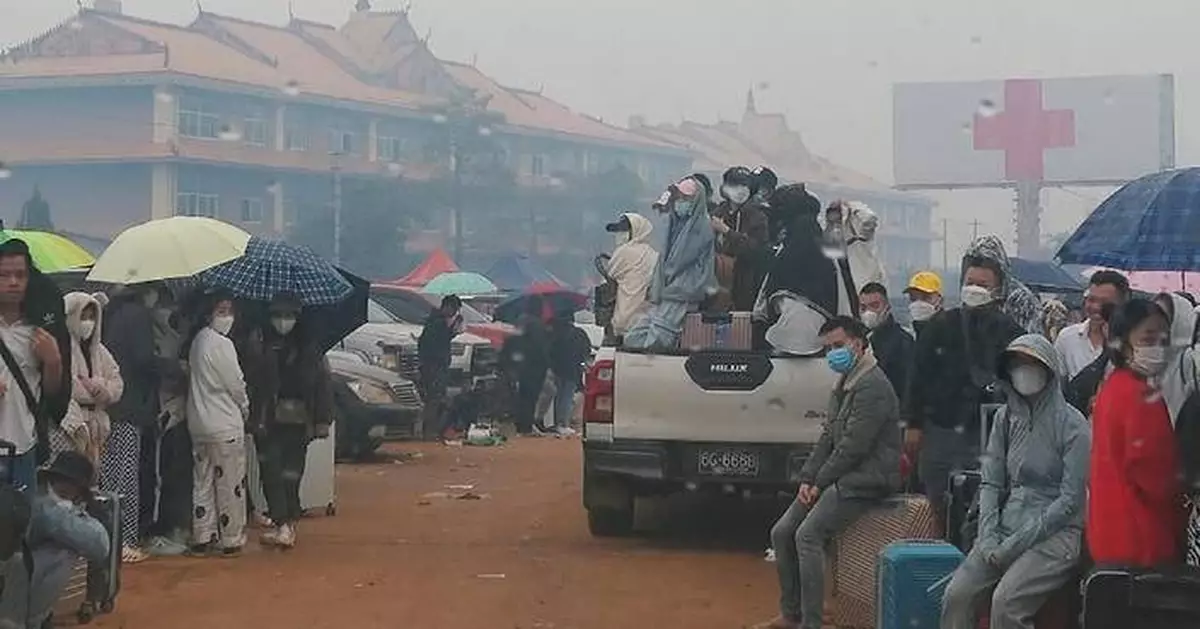
A new documentary released in China this week takes an in-depth look at a Chinese police investigation of a telecom scam compound and a deadly shooting in the Kokang region of northern Myanmar.
Titled "The Demise of Telecom Fraud in Northern Myanmar," the three-part documentary was jointly produced by the Ministry of Public Security and China Media Group, and reveals the brutal conditions inside telecom fraud compounds in northern Myanmar and China's efforts to crack down on cross-border telecom scam networks.
The first part of the documentary was aired on CCTV-1 on Monday night, with the next two installments scheduled to air on Tuesday and Wednesday.
The documentary shows how, following a shooting incident in Kokang involving Chinese nationals on Oct 20, 2023, Chinese and Myanmar police established a joint investigation team under the China-Myanmar law enforcement and security cooperation mechanism.
For the first time, Chinese investigators were allowed to enter scam compounds in Kokang, including three compounds linked to the shooting; Wohushan Manor, the "Red House," and Donghu Manor.
The officers were tasked with securing evidence that was essential to building the legal case against the compound operators.
But as the Ministry of Public Security was shifting its frontline command from Kunming City in southwest China's Yunnan Province directly to the border with Myanmar, armed conflict between Myanmar government forces and rebels broke out in Kokang.
"The fight was extremely intense. Myanmar military aircraft even flew over our heads and dropped bombs on the battlefield. But as police officers, we had only one thought: the evidence must not be destroyed by the fighting," said Na Xin, a senior police inspector with the Criminal Investigation Division of the Kunming Public Security Bureau.
Acting on intelligence gathered during preliminary probes, a specialized task force went to the site where the victims of the shooting were believed to be buried, and uncovered three severely decomposed bodies.
"The Myanmar side had repeatedly told us that no Chinese nationals had been killed. Before we set out, the command had fully considered the difficulties of collecting evidence overseas. My instruction was clear: if we found bodies, even if we couldn't bring them back, we had to bring back biological samples," said Na.
Myanmar authorities did not immediately agree to the task force's request to return the bodies to China, but the Chinese team was able to collect biological samples from the three victims to take back to China for forensic examination.
Eventually, after intense, all-night negotiations between Myanmar officials and Chinese police, the team was able to bring all three bodies back to China the next day.
Forensic examinations determined that all the victims had died from gunshot wounds, and bullets were still lodged in two of the bodies.
Later, with the approval of Myanmar officials, task force members repeatedly risked their lives to enter key sites amid the fighting to conduct investigations and collect evidence.
"What we needed to bring back was not only evidence from the homicide cases, but also evidence of gambling and telecom fraud. The area we had to investigate was extremely extensive. There were even landmines and unexploded ordnance. But we didn't dwell on the risks too much. When it came to whether we should go or not, there was no choice to make. We simply had to go. Even if it meant not coming back, there would be other colleagues ready to follow in our footsteps," said Yang Guoqiang, deputy head of the Criminal Investigation Division under the Wenzhou Public Security Bureau of east China's Zhejiang Province.
Chinese authorities initiated a special campaign in July 2023 to combat cross-border telecom and online fraud targeting China in northern Myanmar.
On Jan 29, China executed 11 members of gangs running telecom fraud operations in northern Myanmar, including key figures in telecom fraud rings. The 11 were first sentenced to death in September 2025 by a court in Wenzhou for crimes including intentional homicide, intentional injury, illegal detention, fraud, and operating gambling establishments.
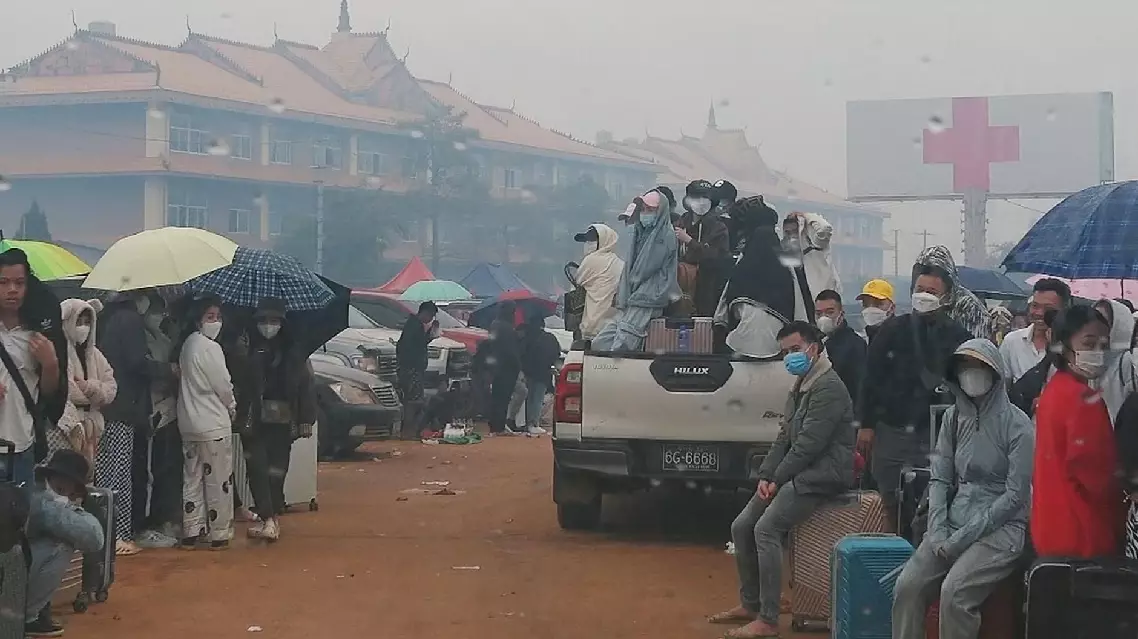
New documentary shows Chinese police investigating scam operations in northern Myanmar
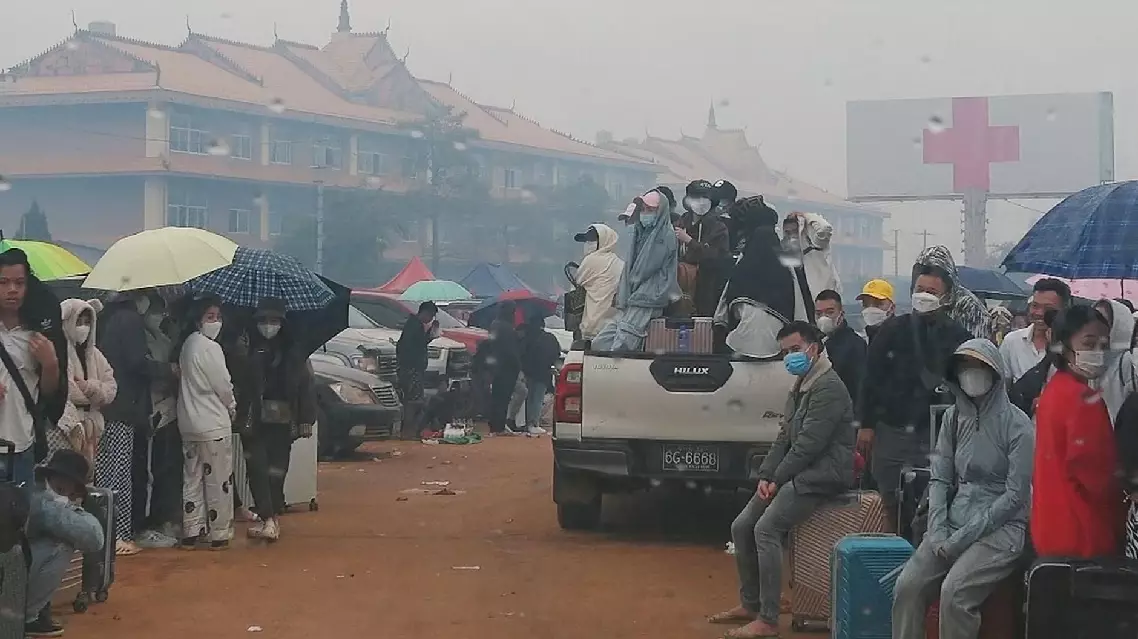
New documentary shows Chinese police investigating scam operations in northern Myanmar