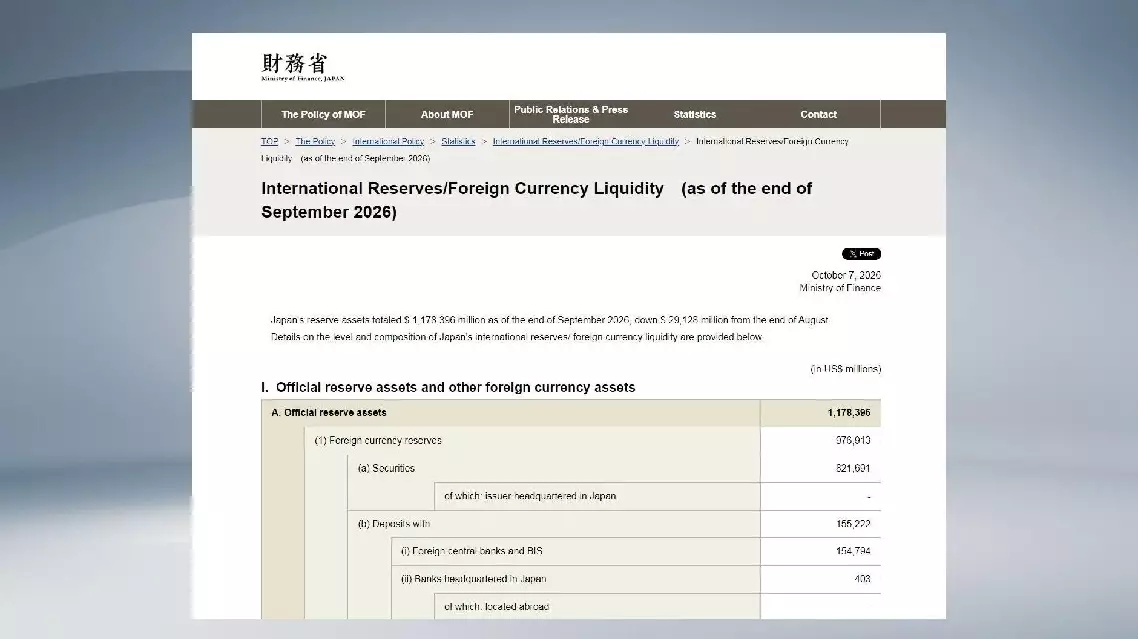
Japan's foreign exchange reserves stood at about 1.18 trillion U.S. dollars at the end of September, dropping 29.128 billion U.S. dollars from the end of August and marking the fifth consecutive monthly decline, according to data released by Japan's Ministry of Finance on Wednesday.
The ministry attributed the drop partly to rising long-term U.S. interest rates, which lowered the market value of U.S. Treasuries and other bonds held by Japan.
The yield on 10-year U.S. Treasuries, which make up a large share of Japan's bond holdings, rose to 5.287 percent at the end of September from 4.751 percent at the end of August.
As a result, the securities portion of Japan's foreign exchange reserves fell to about 821.691 billion U.S. dollars at the end of September, down 17.868 billion U.S. dollars from the end of August.
Japan's forex reserves fall for 5th consecutive month in Sept
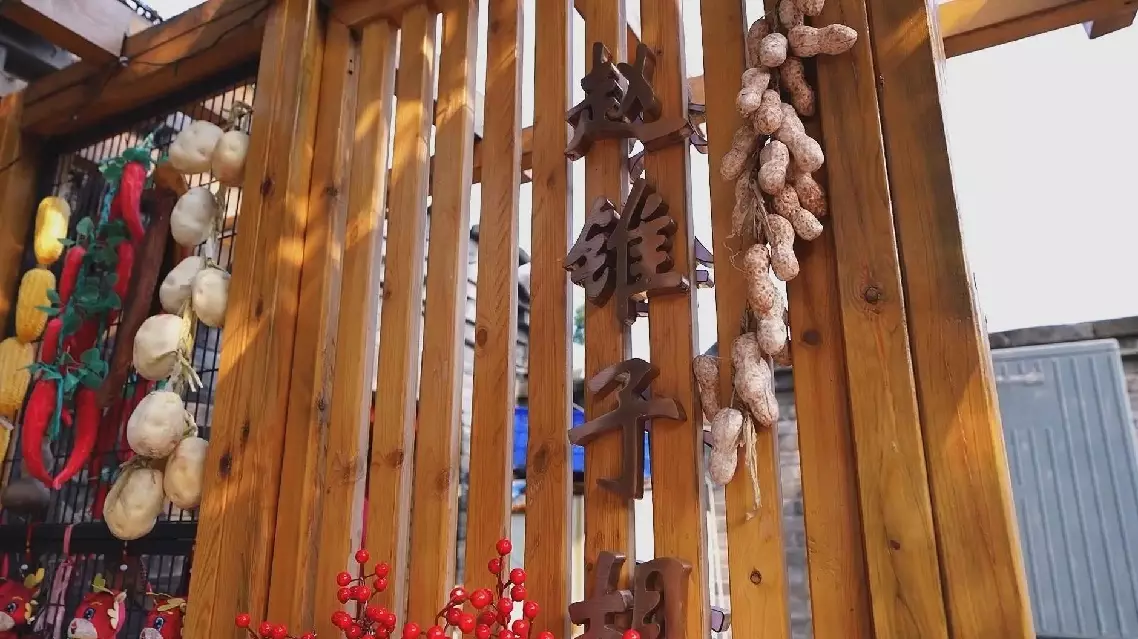
Vibrant public spaces are breathing new life into Beijing's historic alleyways, known as hutongs, transforming these traditional narrow alleys into dynamic hubs of community culture and modern urban vitality.
In the city's Tianqiao neighborhood, shared gardens and thoughtfully designed public spaces are making daily life more comfortable while preserving local character.
"We could see that Tianqiao is separated into three parts. This part is the area of Temple of Agriculture, and in the middle part is the area of the performance, many theaters are here, many shows are here. And here is where we're located. This area is two historical area with the hutong and courtyard in this area. They're so contrast before and after. The most important thing for us is not only for the building style, is for the human living conditions. So we solved the safety problem, we solved the public space problem. After that, the hutong has changed so much, especially for the people," said Gan Zhenkun, lead delegated planner of the Tianqiao Subdistrict.
At the community living room, a site in the street for people to get together, elder residents have chat while children play around there.
The place was regenerated for the past years and serves as a micro public space now.
"As you see, so many elder residents live in hutong area with their children. So the angle should suit for them to stand and also we care about the corner not too sharp for their safety," Gan introduced the basic facilities at the living room.
"This hutong used to feel rather lifeless, you know? But after the improvements, it feels so much more lively. It brings people together. It's really nice. These houses used to look different, too. They've all been renovated as part of the redesign. The hutong is so much better than it used to," said Jia Shikun, a local resident of the Zhaozhuizi Hutong. In the neighborhood, there is even a small garden, or a farm, where local residents grow vegetables themselves and get harvest every year.
"They adopt this farm and they will not only be a user of this area, but also be a caretaker of the public space," Gan said.
In addition, some railings have been set in the hutong for local residents to dry their laundry or for children to do exercise.
Vibrant public spaces breathing new life into Beijing's historic hutongs