The "15-minute community life circle" initiative, which puts residents at the center of urban design by ensuring essential daily services are accessible within a 15-minute walk from home, offers a glimpse into the Beijing municipal government's new model of people-centered urban governance.
Another example of the Chinese capital's innovative city management is the 12345 service hotline, in which the authorities get to know what common needs and service gaps exist, and how to respond to them immediately.
The Qinghe E Community Center in Beijing shows how these new approaches are improving the lives of the residents.
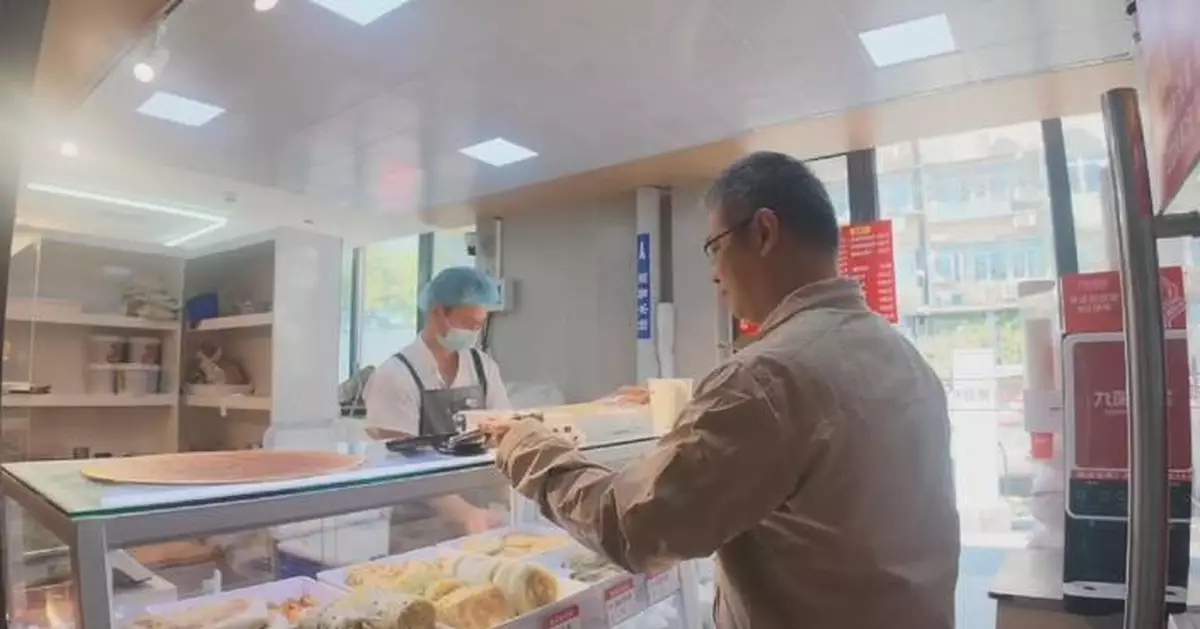
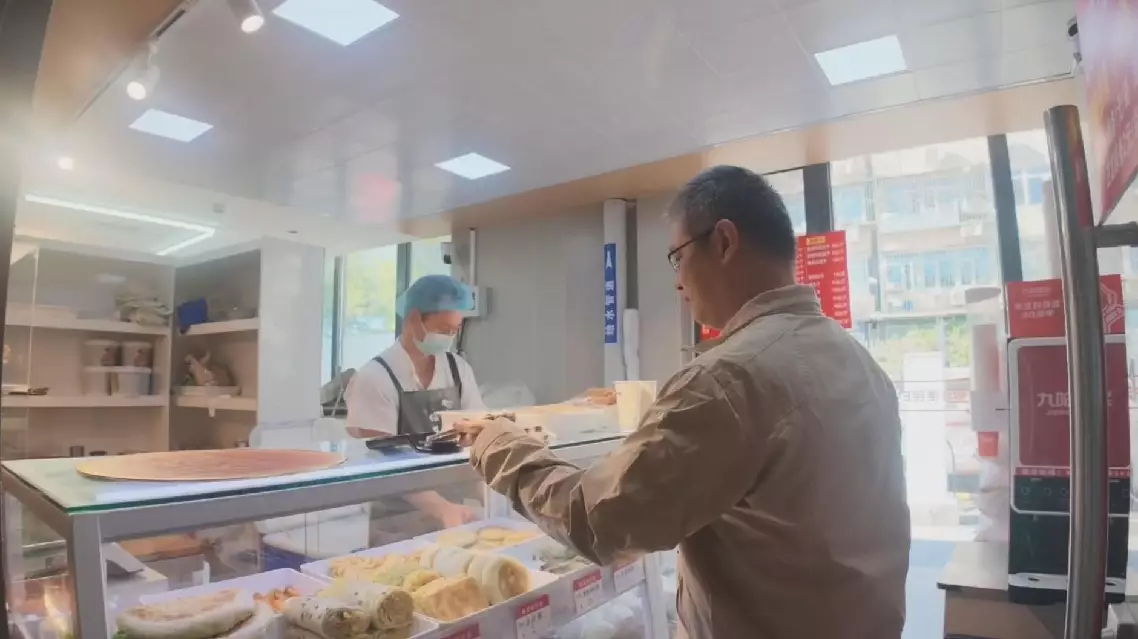
For Yao, a local resident, the neighborhood market is a five-minute walk from home. He can buy vegetables, pick up breakfast, or get a haircut -- all on the same route.
"A lot has been built up over the years. The facilities around here used to be relatively limited. It's much better now," he said.
That five-minute walk is one piece of a larger planning concept in Beijing: the 15-minute community life circle. The circle tells the city where services should be. Another channel tells it what people are actually missing. Since 2019, Beijing's 12345 hotline has logged complaints, requests and suggestions from residents across the city. Together, the two systems shape how neighborhood services are planned, and where the gaps get filled.
Community commercial services are planned around a 15-minute walking radius. But essentials are expected even closer -- generally within five or 10 minutes on foot. Beijing names eight basic community services: fresh food, convenience stores, breakfast, housekeeping, hairdressing, parcel delivery, small repairs and laundry.
The demand for such convenience is evident among locals.
"Everyone wants a supermarket right by their home. It's convenient to have one close by. Say when you're heading out or coming back home, you can just pick up some vegetables or whatever else you need on the way. There used to be a supermarket right outside our residential compound. Later, it closed because of some issues with the land. A lot of people living around here like to come here for ready-to-eat food. There's still quite a lot of demand," said Yao.
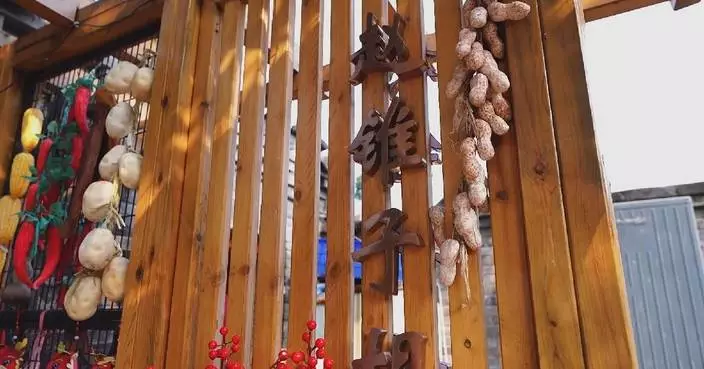
The Qinghe E Community Center shows how those services are put into practice. Opened in 2026, Qinghe E covers 2,100 square meters -- 1,500 for its fresh-food market and 600 for food businesses. It also includes services such as quick haircuts and tailoring, with key cutting planned as another addition.
"As for the services we offer here, from the very beginning, we've focused on the basic needs of the surrounding community. When residents have new needs, we adjust the services we offer. We also conduct surveys. If residents feel there's something missing in the neighborhood, we see whether there's suitable space here. We then work on putting those plans into action," said Guo Jie, manager of the Qinghe E Community Center.
This responsive model is powered by data. Since 2019, Beijing's 12345 system has handled around 180 million requests from residents and businesses. Official figures showed that the resolution rate has risen from 53.1 percent at the beginning to 97.3 percent now, and satisfaction from 64.6 percent to 97.7 percent. More than 70 citywide problems have been through the program. In more than five years, it has generated more than 2,000 tasks and 500 policy measures.
At the market, the quality of goods reflects this attention to detail.
"Look, this choy sum is really good. And you can't find it in the big supermarkets. Maybe because it doesn't keep for very long. Look at these Gala apples. The big supermarkets have already taken them off the shelves. They don't have them anymore. But they still have them here. I've bought them before. They taste good," said Yao.
There's no evidence that a single 12345 call created this market. The connection is broader. On Yongtaizhuang West Road, officials identified a gap. Qinghe E was opened to help fill it.
A 15-minute life circle isn't just a circle drawn on a map. For Mr. Yao, it is a five-minute walk to vegetables, breakfast and a haircut. For the city, it means filling the gap before it becomes another call. It means hearing the problem before it becomes a complaint.
Beijing's 15-minute community life circle redefines people-centered urban governance