OTTAWA, Ontario (AP) — Canada’s Liberal government said Wednesday it will indefinitely bar people whose sole medical condition is mental illness from receiving medical assistance in dying, abandoning an expansion that had been scheduled to take effect in March 2027.
Justice Minister Sean Fraser said there is no consensus in the medical community on when mental illness can be considered irremediable and cited concerns about inadequate access to mental health care.
“While there is not a perfect consensus on this issue, we believe this is the correct approach at this particular time,” Fraser said.
A parliamentary committee recommended in June that people whose sole underlying condition is mental illness be indefinitely excluded from assisted dying.
Legislation to be introduced this fall would also change the Criminal Code so health professionals could provide assisted dying on the basis of an advance request made by someone diagnosed with a serious illness who later loses the capacity to consent. Fraser said provinces would decide whether to offer advance requests because they oversee healthcare delivery.
That could produce different rules across Canada. Quebec already allows advance requests for people diagnosed with serious and incurable illnesses leading to incapacity, such as Alzheimer’s disease, while Alberta passed legislation in March that would bar advance requests for assisted dying.
Canada legalized medical assistance in dying in 2016 and broadened eligibility in 2021 to include people with serious and incurable conditions even when their deaths were not reasonably foreseeable. People whose sole underlying condition is mental illness remained temporarily excluded.
Canada has one of the world’s most permissive assisted-dying laws. Unlike many countries, it allows people with serious but nonterminal medical conditions to seek an assisted death.
The changes come amid continuing debate over protections for vulnerable people.
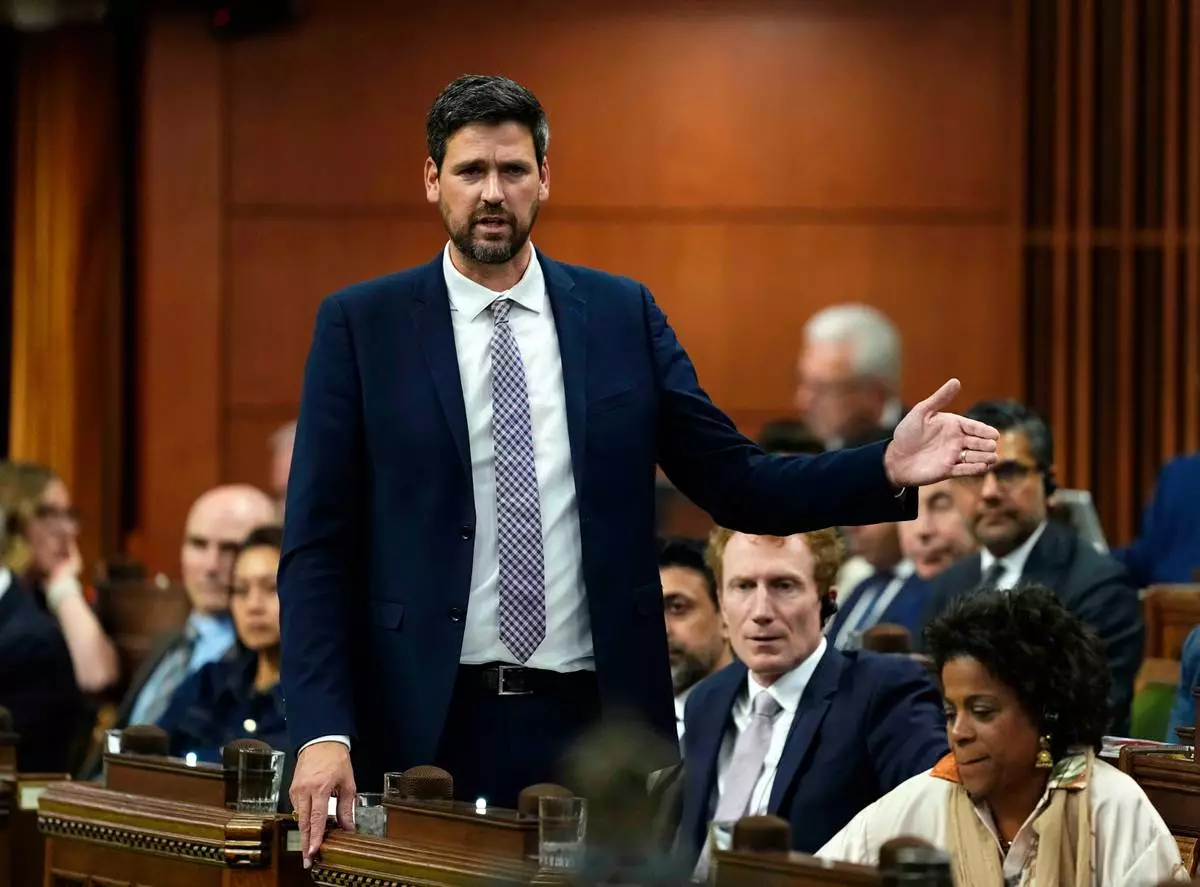
Minister of Justice Sean Fraser rises during Question Period in the House of Commons on Parliament Hill in Ottawa on Wednesday, Oct. 7, 2026. (Justin Tang/The Canadian Press via AP)
HUNTSVILLE, Texas (AP) — A Texas court on Wednesday refused to halt the execution of a man who fatally shot a convenience store clerk after his attorneys cited the failed lethal injection of Christa Pike in Tennessee.
The Texas execution was scheduled to take place later Wednesday and would be the first in the U.S. since Pike survived the attempted execution last week.
Because Texas planned to inject the same drug used in Pike's attempted execution — pentobarbital — attorneys for 46-year-old Jamaal Howard argued to the Texas Court of Criminal Appeals that the drug poses similar risks. They also raised concerns about the quality of the state's execution drugs.
The court denied the request for a stay without elaboration. Later, Howard's attorneys filed a second request to stop the execution over the drug. The court did not immediately respond.
Pike's lawyers are seeking more information about what went wrong after the 50-year-old woman survived two doses of pentobarbital on Sept. 30. They said she was unconscious at a hospital after the attempt but was awake and speaking by Tuesday.
“Texas should not be eager to follow in Tennessee’s footsteps; a stay would keep that from happening,” Howard's attorneys argued in their earlier filing.
Texas has executed six people so far this year, with two more lethal injections scheduled after Howard. He would become the 30th person executed nationwide in 2026.
On Wednesday, Howard was described as “chatty” during the 45-mile (70-kilometer) drive from the death row prison to the Huntsville Unit where executions are carried out, said Amanda Hernandez, a spokesperson for the Texas Department of Criminal Justice.
“He made small talk with the officers through the whole trip,” she said, adding he was taken to a small holding cell near the death chamber where he remained talkative.
“He was asking questions and was very engaged in the process,” Hernandez said.
Howard was convicted of capital murder in the 2000 killing of Vickie Swartout, 42, who was shot once in the chest during a store robbery. Evidence presented at trial included store surveillance video that showed Howard shooting Swartout.
Howard, then age 20, took $114 and a carton of cigarettes from the store in the small, rural town of Silsbee, about 100 miles (160 kilometers) northeast of Houston, according to court records.
His attorneys have argued to the U.S. Supreme Court that Howard's execution should be halted because he is intellectually disabled. But the state said his attorneys haven't presented evidence showing he meets the requirements for a claim of intellectual disability.
There was no immediate response from the nation's highest court Wednesday evening.
In 2002, the Supreme Court had barred the execution of intellectually disabled people. But it has given states some discretion in determining intellectual disability.
In their filings in the Texas Court of Criminal Appeals, Howard's attorneys said they filed requests for information about the lethal dose of pentobarbital the Texas Department of Criminal Justice planned to use.
The attorneys said the department asked for a state attorney general opinion about whether it must disclose that information, but that opinion is not expected to be returned until after Wednesday.
Texas officials did not immediately return a request for comment Wednesday.
Florida has carried out 16 executions so far this year, the most of any state. Most states that allow executions use lethal injection as their primary method.
Tennessee's Republican Gov. Bill Lee has halted the one remaining execution there for the rest of the year.
Stengle reported from Fort Worth, Texas.
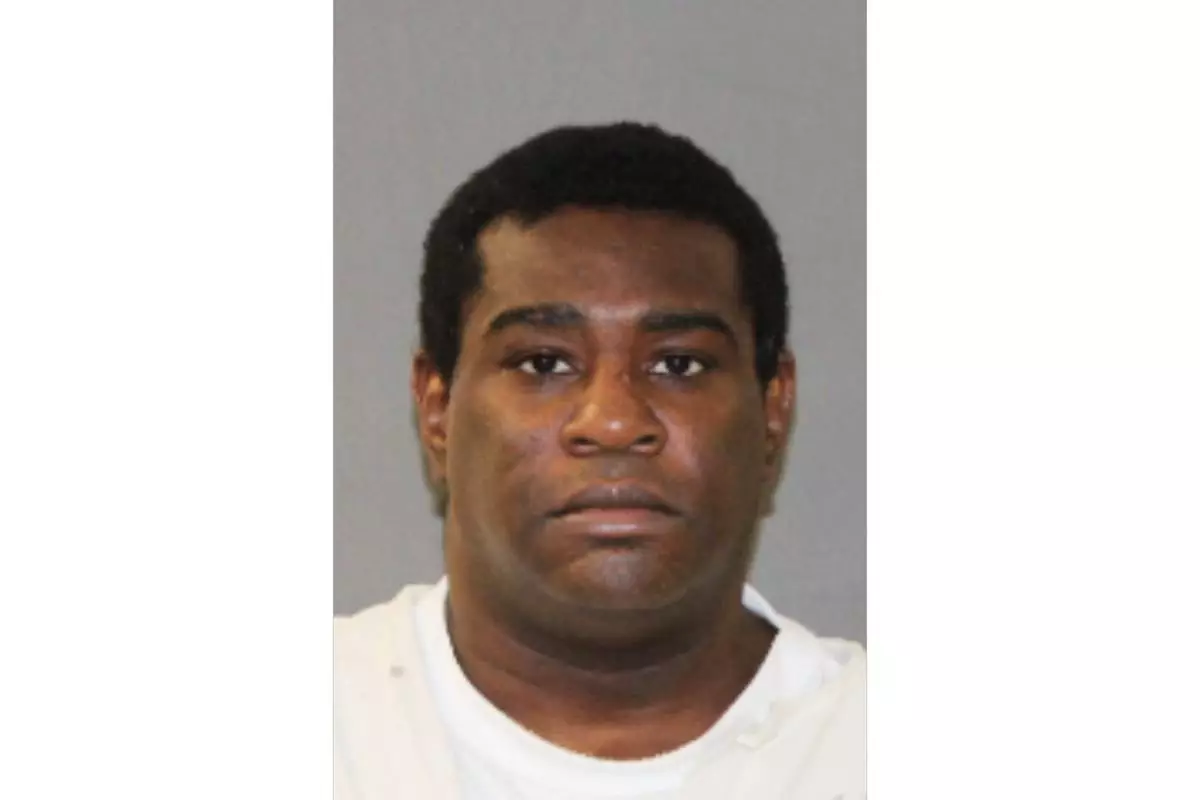
This photo provided by the Texas Department of Criminal Justice shows Jamaal Howard on Oct. 28, 2022. (Texas Department of Criminal Justice via AP)
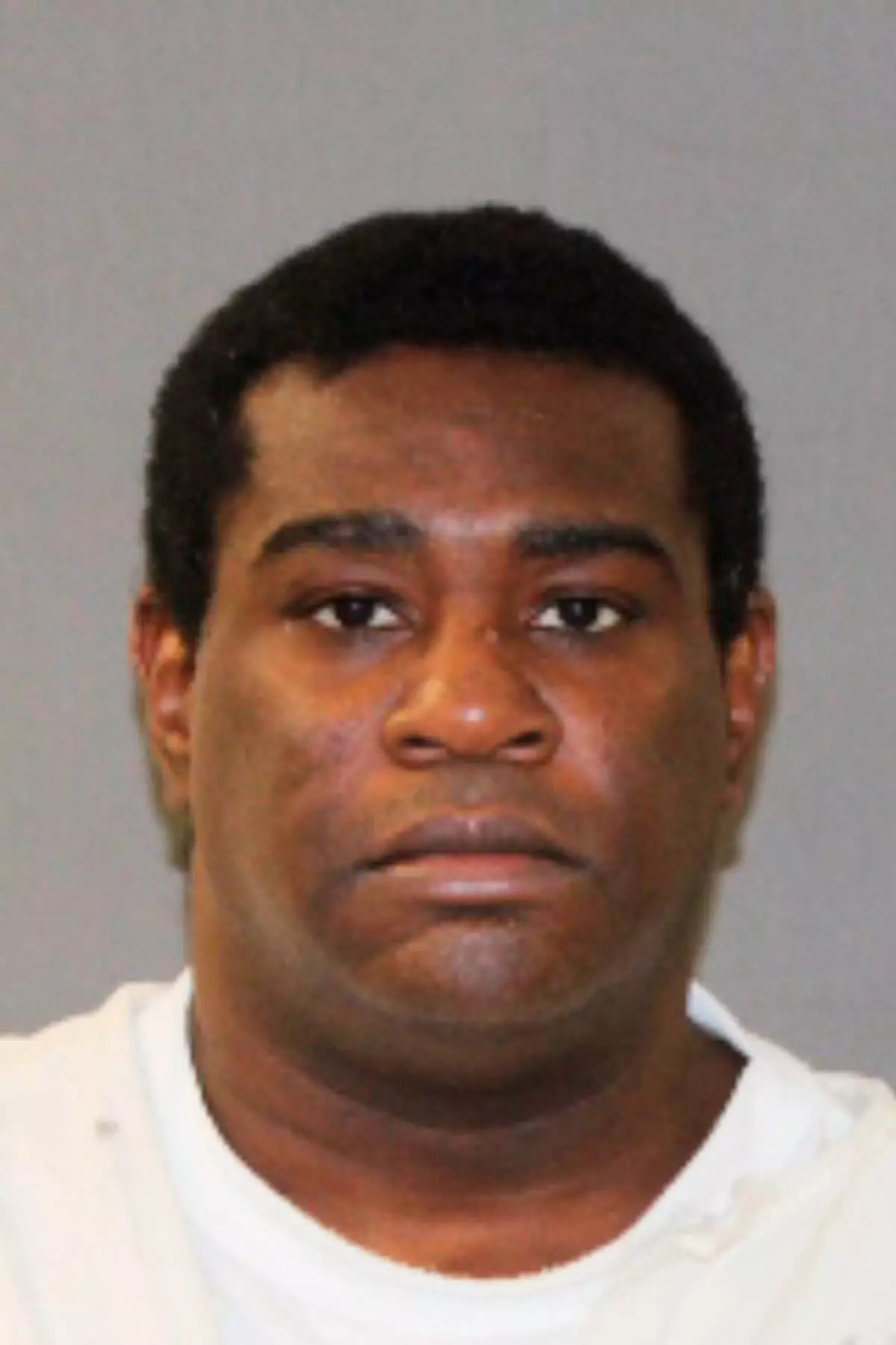
This photo provided by the Texas Department of Criminal Justice shows Jamaal Howard on Oct. 28, 2022. (Texas Department of Criminal Justice via AP)