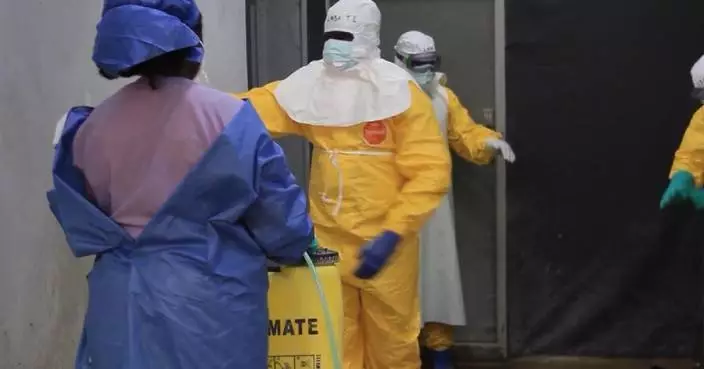
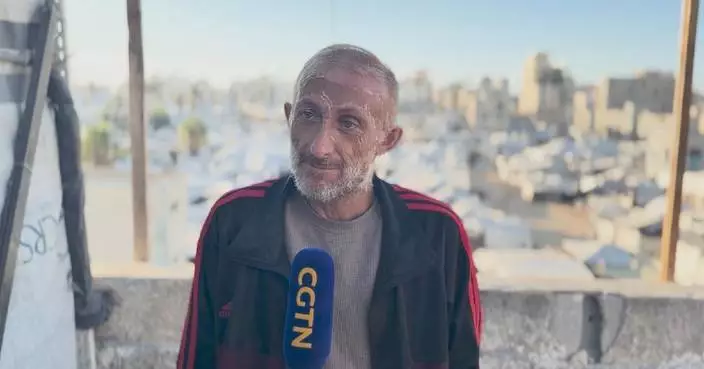
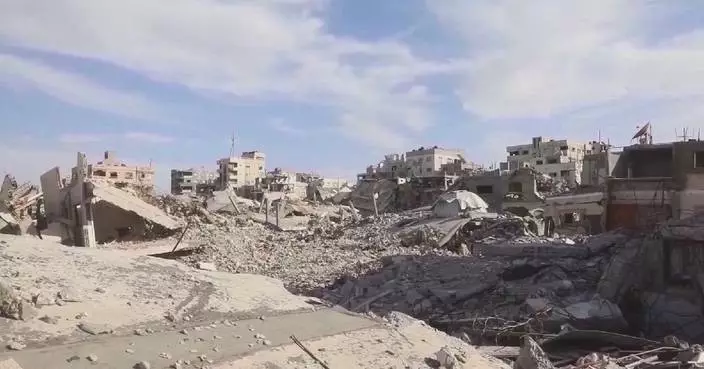
More than 20,000 Palestinian students and educational staff have been killed since the start of Israeli attacks on the Gaza Strip and the West Bank after the war broke out on Oct 7, 2023, according to the Palestinian Education Ministry on Wednesday.
According to the ministry, 19,189 school students and 1,386 university students have been killed in the Gaza Strip, while 134 school students and 39 university students were killed in the occupied West Bank.
Additionally, 805 school members and 246 university staff have been killed in the Gaza Strip, with seven school employees killed in the occupied West Bank during this period, said the ministry.
The ministry also said that more than 179 government schools in Gaza have been completely destroyed, while 105 schools run by the UN Relief and Works Agency for Palestine Refugees in the Near East (UNRWA) have been damaged by Israeli attacks.
Gaza authorities reported that nearly 74,000 Palestinians have been killed and more than 174,000 injured, while around 90 percent of Gaza's civilian infrastructure has been destroyed three years into the conflict.
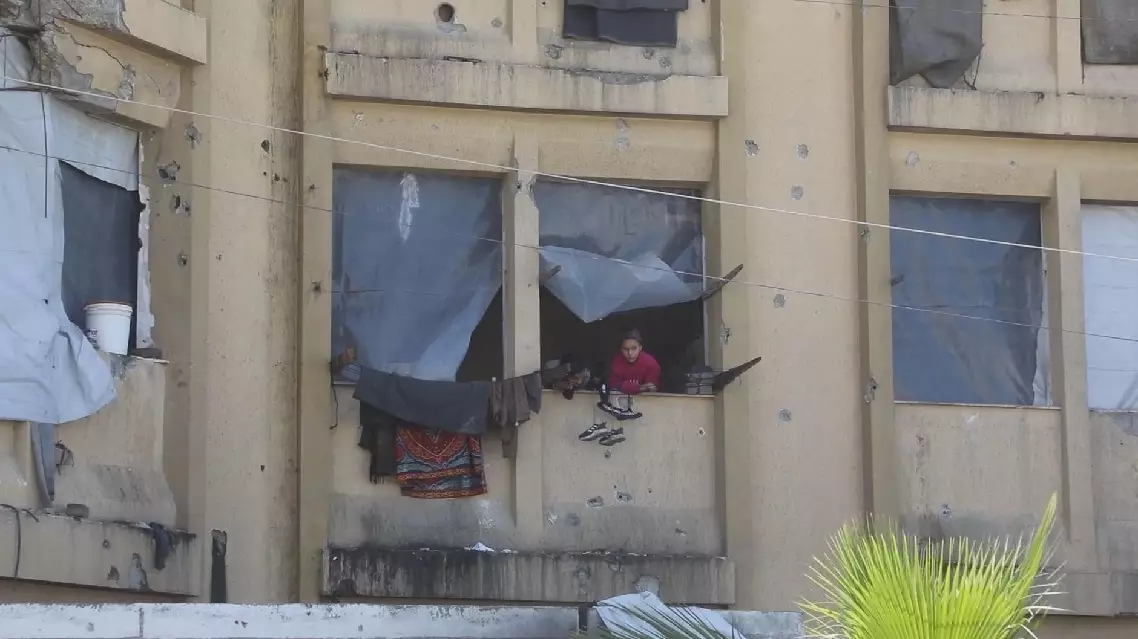
Over 20,000 Palestinian students, teachers killed in 3-year conflict
The European Union (EU) remains deeply divided over its response to the Palestinian-Israeli conflict as the crisis enters its third year, grappling with internal disagreements on pressuring Israel and the mounting economic spillover effects that are straining European livelihoods.
Over the past three years, amid the worsening humanitarian crisis in Gaza, several EU member states have officially recognized the State of Palestine. However, the bloc faces a prolonged deadlock over whether to suspend the EU-Israel Association Agreement. Signed in 2000, the agreement provides a legal and institutional framework for political dialogue and economic cooperation, allowing certain Israeli products to enter the EU market duty-free or under preferential conditions.
Countries such as Spain and Ireland are demanding tougher measures to suspend the pact, while others, including Germany and Austria, maintain reservations, leaving the EU unable to form a unified stance. Beyond the diplomatic impasse, the protracted conflict's spillover effects have dealt a tangible blow to the European economy.
In an interview with China Media Group (CMG) via video link, a European policy expert noted that energy price fluctuations are impacting society across the board.
"The rise in energy prices will have an impact across the board and not only on our cost of living but also cost of production, cost of manufacturing, the cost of services. People in Europe are beginning to worry a lot about the cost of living, the cost of housing, the cost of food, and I think these issues need to be sorted pretty quickly," said Shada Islam, senior advisor at the European Policy Centre and founder of the New Horizons Project.
The expert also highlighted that the EU's failure to reach a collective consensus has forced member states to act individually, significantly weakening Europe's influence on the global stage.
"In the current situation where we are, the EU collectively is, as I said, paralyzed. Member states of the European Union have no alternative but to act on a national level, but to take unilateral action. Of course, we would be more powerful on the global stage, we would have more influence if we acted together, if we acted collectively. But that is not happening and it's been three years," she said.
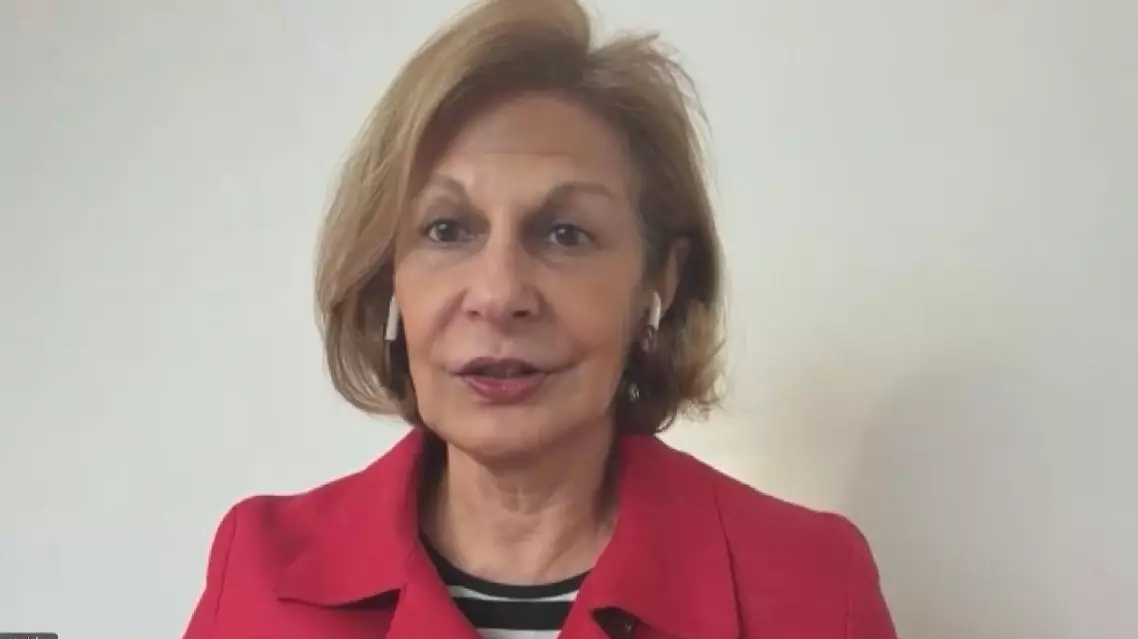
EU divided over Palestinian-Israeli conflict as spillover effects mount