Iran expects to respond within days to U.S. views on its plan to end the war and reopen the Strait of Hormuz, Foreign Minister Seyed Abbas Araghchi said on Thursday, as the two countries remained divided over uranium enrichment.
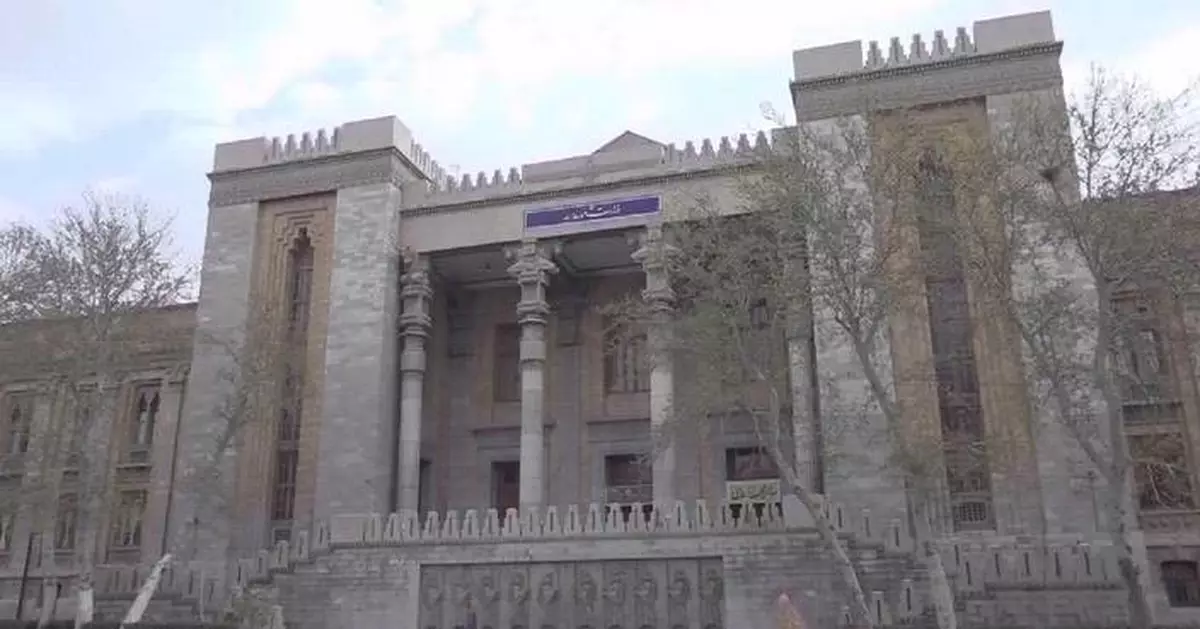
Speaking on the sidelines of a funeral in Tehran, Araghchi said Iran and the United States were still exchanging messages through mediators, according to the semi-official Tasnim news agency. Iran had received the U.S. views on its seven-day plan and was reviewing them, he said.
Iran presented the plan to the United States through mediators during the U.N. General Assembly in New York on Sept 22.
Under the proposal, hostilities would end and the strait would reopen within seven days if the United States accepted Iran's conditions. Iranian officials have said the current diplomatic effort is focused on ending fighting on all fronts, including in Lebanon, and reopening the waterway.
U.S. Vice President JD Vance said in an interview on Monday that Iran would have to make a "meaningful" reduction in its nuclear enrichment capacity to meet U.S. demands for a deal.
Mohammad Eslami, head of Iran's Atomic Energy Organization, said on Thursday that enrichment was an essential part of the country's nuclear industry and that Iran would not back down despite U.S. threats and military operations, Tasnim reported.
Eslami said Iran's nuclear program complied with its safeguards agreement with the International Atomic Energy Agency and the Nuclear Non-Proliferation Treaty.
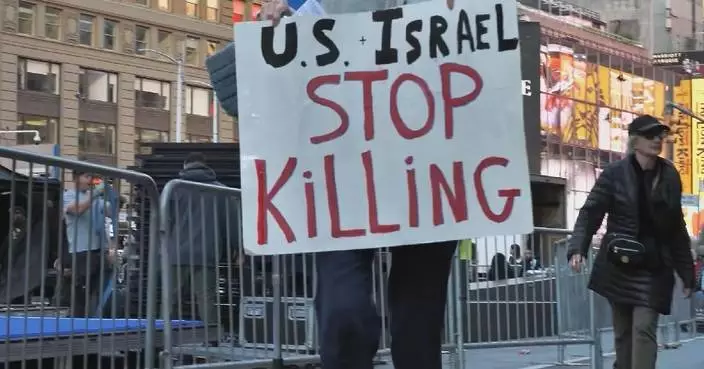
The United States and Israel launched strikes on Iran on Feb 28. Iran responded with missile and drone attacks on Israel and U.S. targets in the region and tightened its grip on the Strait of Hormuz.
A ceasefire was reached on April 8. Iran and the United States signed a memorandum of understanding on June 18 that called for a final agreement within 60 days, but the deadline passed without a deal as tensions continued to rise.
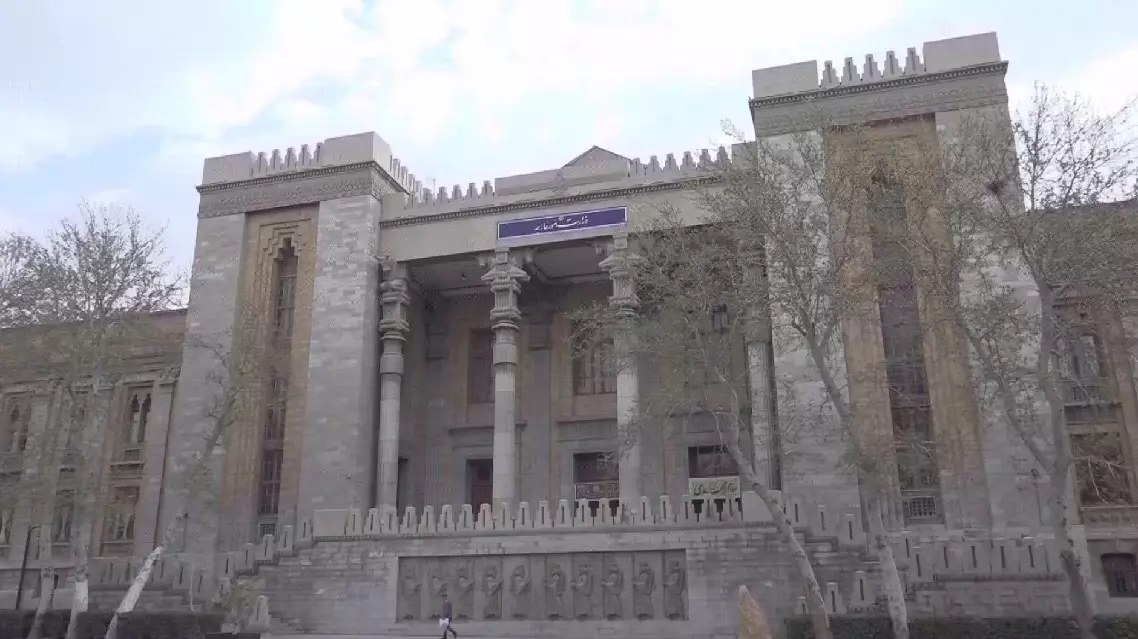
Iran prepares reply on Hormuz plan as nuclear dispute persists
iKOMEK109, an intelligent municipal services platform of the Kazakh capital Astana, has been providing timely and efficient public services since its launch eight years ago, winning widespread acclaim from citizens.
As a rapidly developing city in Central Asia, Astana faces challenges such as winter heating, snow removal, and water supply and drainage -- issues that not only affect residents' daily lives but also directly impact urban safety.
iKOMEK109 integrates multiple municipal departments and various public utilities into a single service system, ensuring that residents' requests are closely linked to the city's essential infrastructure.
Citizens don't need to contact different utility providers individually; instead, relevant issues are forwarded through this center to the competent departments for handling.
The platform integrates approximately 100 organizations, including administrative departments, district governments, property management agencies, the police, and emergency services.
At this center, operators handle over 2.5 million requests annually, receiving an average of 4,000 to 8,000 calls per day -- primarily regarding malfunctions in the capital's public utility systems or emergencies requiring immediate attention.
This year has been designated as the Year of Digitalization and Artificial Intelligence (AI) in the country. Astana is currently undertaking a comprehensive upgrade of the iKOMEK 2.0 system while actively drawing on China's experience.
Many solutions in the fields of video surveillance and AI have been adapted from China and tailored to Kazakhstan's specific circumstances.
"Technology never stands still, especially in China. The year 2026 is Kazakhstan's Year of Digitalization and Artificial Intelligence. Therefore, in the field of AI, we are paying close attention to China and drawing heavily on their experience," said Askar Taksimov, head of iKOMEK109.
The system of the platform is connected to 23,000 cameras, nearly 9,000 of which cover public facilities, including more than 100 schools.
This allows for real-time monitoring of conditions inside buildings, detection of hazards or something unusual, and oversight of the city's infrastructure operations.
Emergencies related to public safety receive special attention on the platform, including fires and accidents.
From drinking in public to theft, the iKOMEK109 dispatch center is able to detect all kinds of illegal activities. These cases are then referred to the police.
The platform's heartwarming and efficient services are well received by local residents.
"The 109 dispatch center always responds quickly to every call. I called mainly to schedule medical appointments for my children and myself. They always manage to get us an appointment, and they're very polite," said Saniya Tokhtarova, an Astana resident.
"I once had a broken door lock. They arrived promptly to fix it for me. My house is quite old, so sometimes there are leaks in the pipes. Whenever I call to report a problem, they come right over and take care of everything," said Vladimir Zenkovsky, another resident.
"The 109 [dispatch center] can handle any issue, even utility problems such as power and water outages. The staff respond very promptly. I think this municipal service system provides real help to the public," said Aynagul Japarova, a local.
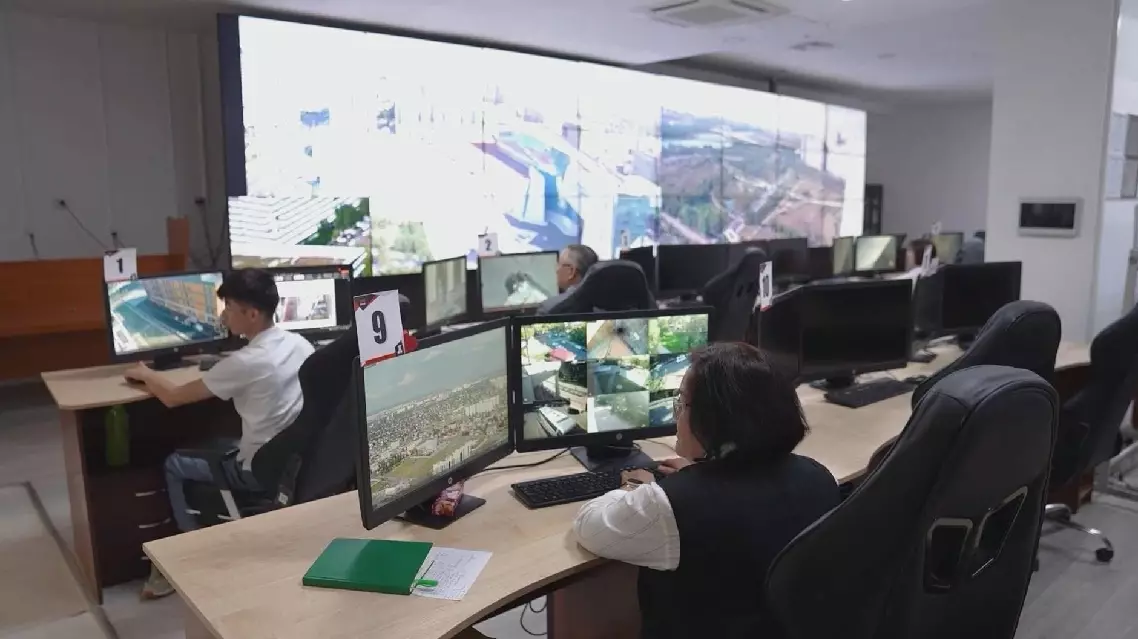
Kazakhstan's smart municipal platform delivers efficient public services