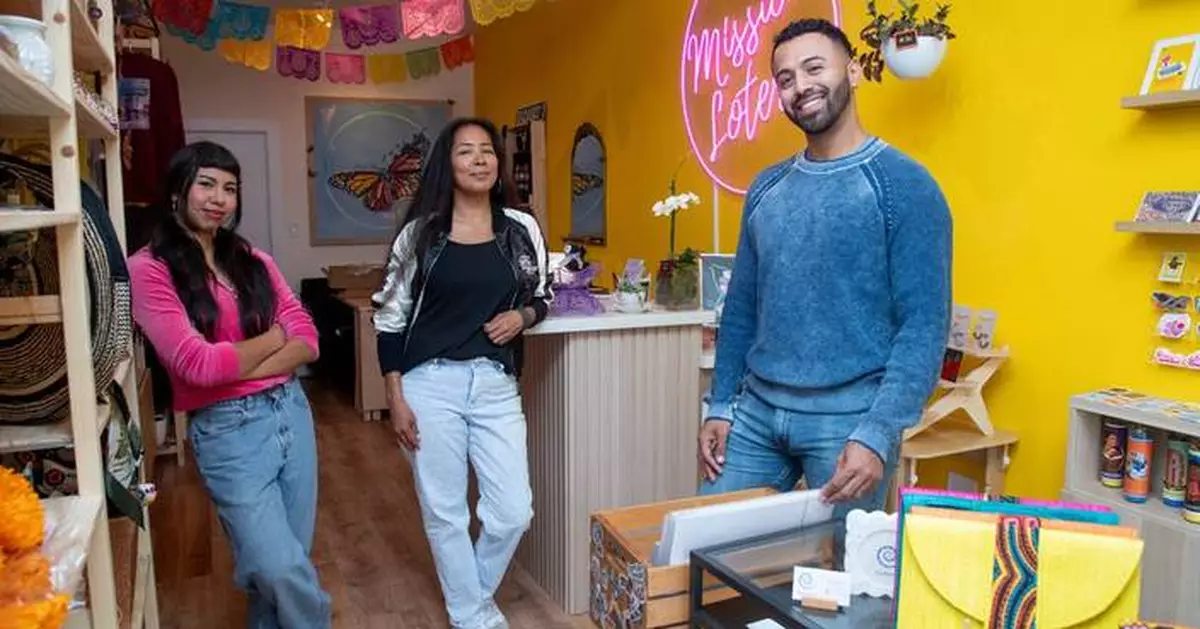
SAN FRANCISCO (AP) — From the pink neon sign on the sunshine yellow wall to the multicolored Mexican paper garlands, Mission Lotería's storefront emits cultural pride everywhere you look.
After seven years of promoting local businesses in San Francisco's predominantly Latino Mission District, the nonprofit has a brick-and-mortar space that reflects its passion for the neighborhood. Now, beyond events like taco tours and a Bad Bunny look-alike contest, it can provide a spot for Latino entrepreneurs and artists to sell their goods.
Click to Gallery
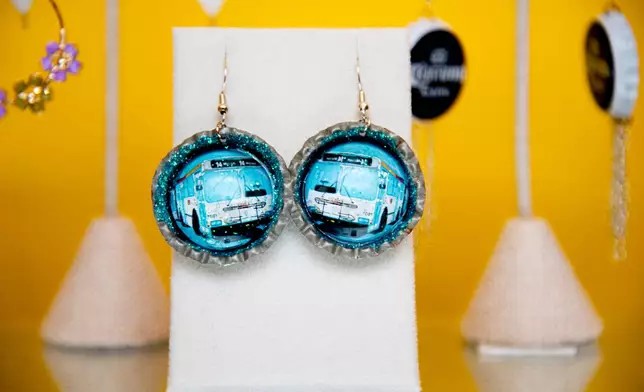
Artwork featuring local references is displayed at the Mission Loteria store on Friday, Oct. 9, 2026, in San Francisco. (AP Photo/Akash Pamarthy)
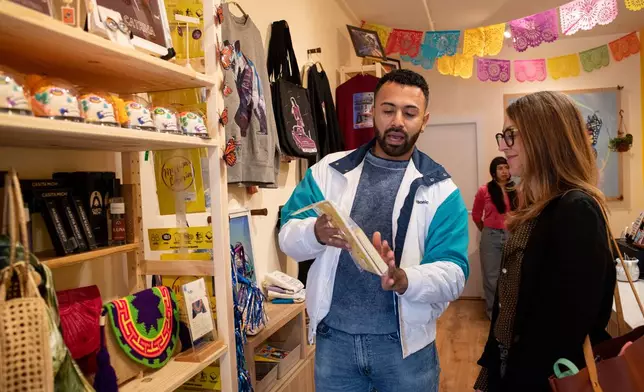
Mission Loteria CEO Luis Quiroz explains Loteria cards to Ashley Creek, 45, at the store on Friday, Oct. 9, 2026, in San Francisco. on Friday, Oct. 9, 2026, in San Francisco. Inspired by the traditional Mexican game of lotería, Mission Lotería features cards representing real businesses in the Mission District, encouraging players to visit local establishments and collect cards. (AP Photo/Akash Pamarthy)
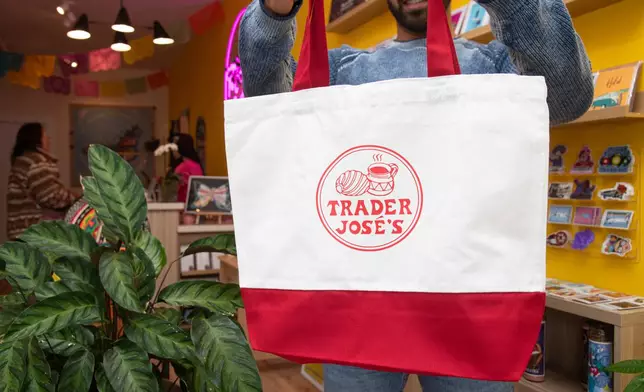
Mission Loteria CEO Luis Quiroz holds a Trader Jose's tote bag at the store on Friday, Oct. 9, 2026, in San Francisco. (AP Photo/Akash Pamarthy)
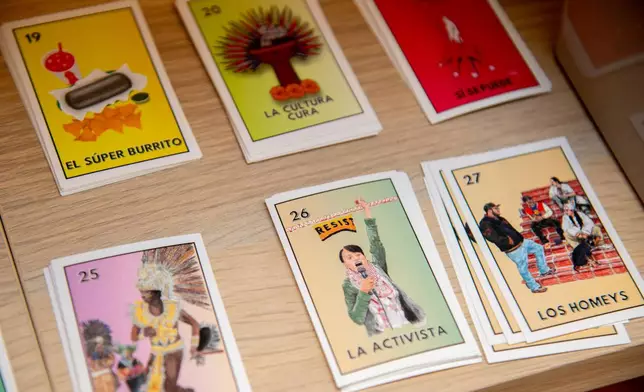
Cards featuring local references, including a No. 26 card representing resistance are displayed at the Mission Loteria store on Friday, Oct. 9, 2026, in San Francisco. (AP Photo/Akash Pamarthy)
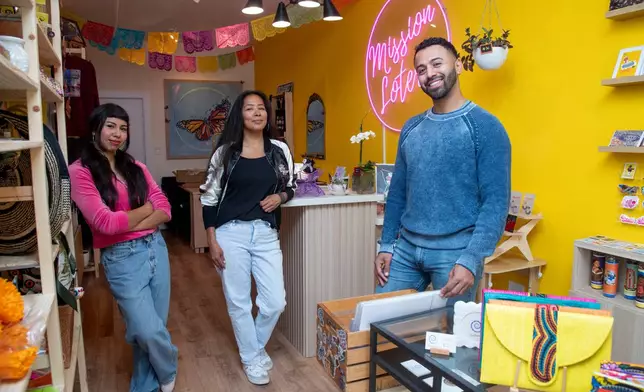
Store associate Dalia Rangel, store manager Paloma Flores and CEO Luis Quiroz pose for a portrait at the Mission Loteria store on Friday, Oct. 9, 2026, in San Francisco. (AP Photo/Akash Pamarthy)
Luis Quiroz, Mission Lotería founder, is still nervous about hitting monthly numbers amid a rough economy in one of the country's most high-priced cities. But he and his team believe in their — for lack of a better word — mission.
“What’s the economics term? High risk, high reward,” Quiroz said. “I feel like we’re at a really good place. Almost every day, people come in, they’re like, ‘Omigod, I’ve been following you for so long.’”
Despite both a rise in costs and fears around immigration crackdowns, some Latinos are making it their business, literally, to champion other Latino entrepreneurs. But beyond just shelf space, they are giving artists and business people advice, resources and connection to a bigger audience. The complex political and economic climate has only intensified their desire to invest their own time and resources in uplifting other Latino and Hispanic creatives. More places are starting to recognize Latino businesses and the inherent disadvantages they encounter.
Yesi Chavez has stocked greeting cards, magnets and “Trader Jose’s” minitotes at Mission Lotería since it opened just before the start of Hispanic Heritage Month. It's been a brand boost as store shoppers recognize her merchandise when she sells at pop-ups. It's also special to Chavez, who works full-time as a hotel events administrator, to display alongside other Latinos.
“I feel like Latinos, as far as I’ve seen, they really come together and try to support their own and try to make sure that, especially, Latina women are well supported,” Chavez said.
Amor Collective, where you can find fun merch, made entirely by Latinas, like concha bread earrings or Día de Muertos (Day of the Dead) candles, opened in August in downtown Phoenix after quietly operating in the suburbs. Founder Stephanie Vasquez made the bold relocation move despite it meaning higher rent. A space next door to her coffeehouse became available and the shop, in Vasquez's opinion, deserved to be in the bustling downtown.
The grand opening “was emotional,” Vasquez said. “I will say that the Latino community truly supports us.”
A decade ago, Vasquez established a nonprofit, Empowering Latina Leaders in Arizona or ELLA (Spanish for “her.”). She created it after seeing how underpaid Latinas remain. In fact, Hispanic female full-time workers make 79% of the median earnings their white counterparts earn, making them the lowest earning by race and gender, according to a July quarterly earnings report from the U.S. Bureau of Labor Statistics.
She started monthly pop-up markets for Latina entrepreneurs. A permanent storefront seemed like a natural next step, so she opened Amor Collective four years ago in the Phoenix suburb of Peoria.
“An incubator space for business owners to come together, mitigate risk — so now their risk is so low that they're able to be bold and they're able to really play in their businesses,” she said.
Over 35 entrepreneurs have signed a one-year lease with Amor. They are invited to monthly meetings where Vasquez arranges for guest speakers on topics like public relations and banking. A few members have been afraid to come because they've had family detained by Immigration and Customs Enforcement. So Vasquez made them Zoom-friendly, too.
“It's very clear that coming together as a community is very necessary,” Vasquez said. “This is where I think it's important for the consumer, whether you have the privilege of not being afraid to come out, then to come to spaces like this and support communities that might be in need.”
The current mood of Latinos nationwide is divided when it comes to achieving the American dream. Nearly one-fifth of Latino adults say it is out of reach for them, according to Pew Research. Nearly 3 in 10, or 27%, believe the American dream doesn’t exist altogether.
Outside of advocacy groups, more cities are acknowledging the potential of Latino businesses with resources like grants. Quiroz asserts Mission Lotería — the name is a nod to a Mexican card game — would not have opened had the team not pitched their vision to a panel overseeing the city's storefront opportunity grants.
“I think just with the investments that we brought to the community, to the neighborhood, it felt like a good fit for both parties,” Quiroz said. “We ended up receiving the grant award for $50,000. That went really quick with our rebuilds.”
The North Central Massachusetts Chamber of Commerce, which represents over 25 cities and rural communities 50 miles (80 kilometers) west of Boston, launched the Latino Initiative for Development of Entrepreneurship and Resources in July. LIDER, the Spanish word for “leader,” affords Latino-run businesses networking and educational opportunities to make up for “an access gap.” Some events and materials are in Spanish.
“We've seen for many years now a growing trend of businesses that are being formed or led by Latinos here in the region,” said Chamber president and CEO Roy Nascimento. “Latinos are starting businesses at three times the rate of the general population.”
The Chamber has not gotten any negative feedback for this initiative or for being seen as pro DEI — diversity, equity and inclusion.
“Chambers of commerce by their very nature are very inclusive,” Nascimento said. “Our mission is to advance the economy of North Central Massachusetts.”
Amor Collective will strive to be an event space beyond just meetings and workshops. A nook with tables, chairs and a television screen will also be where they have craft classes. DJs have started spinning tunes on Sundays.
“I'd love to have venue spaces. Like everything our community needs, I'd love to be a one-stop shop to do that,” Vasquez said.
For Quiroz, who was undocumented as an infant and carries proof of his legal permanent status, he wants Mission Lotería to feel welcoming for Latino and Hispanic people whether they were born in the U.S. or somewhere else.
Future plans include creating content to introduce entrepreneurs via social media, YouTube and a podcast. The ongoing construction inside includes carving out a podcast room in the back.
“People can really hear the stories of these business owners and their journey,” Quiroz said. “Anytime I get a chance to speak to them, their stories are so fascinating.”
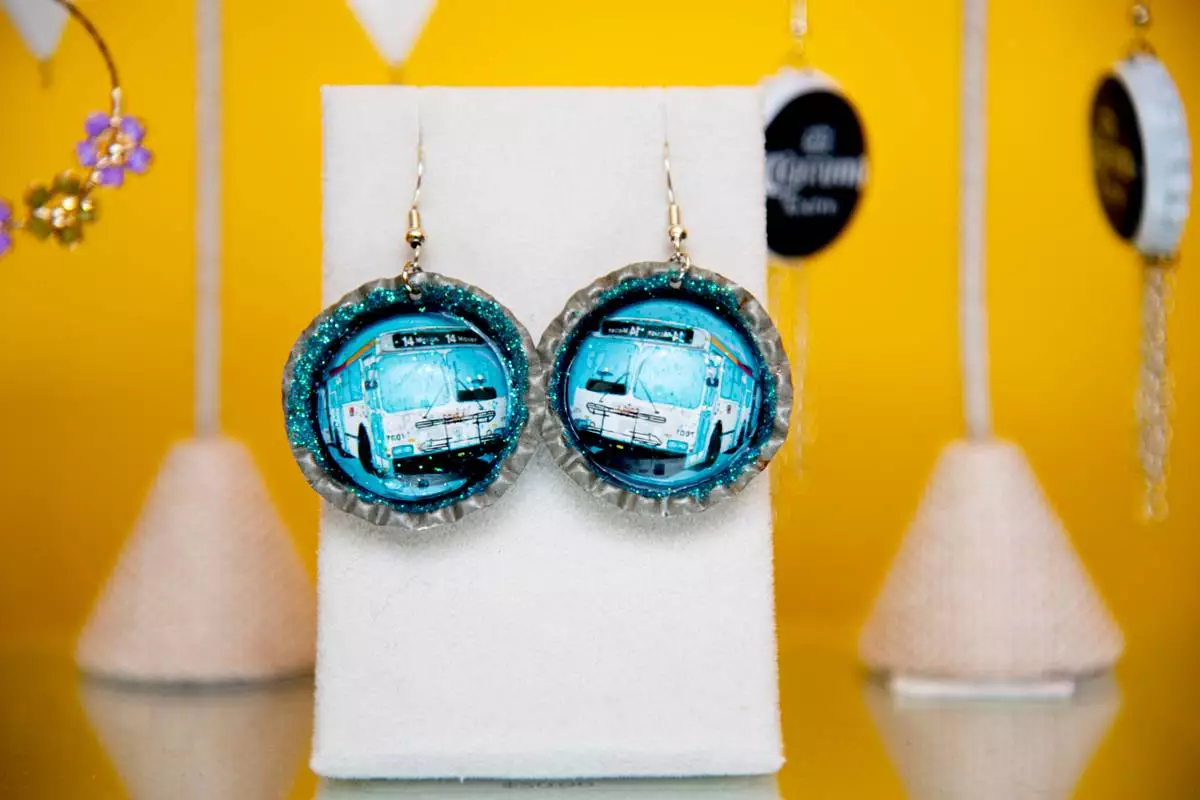
Artwork featuring local references is displayed at the Mission Loteria store on Friday, Oct. 9, 2026, in San Francisco. (AP Photo/Akash Pamarthy)
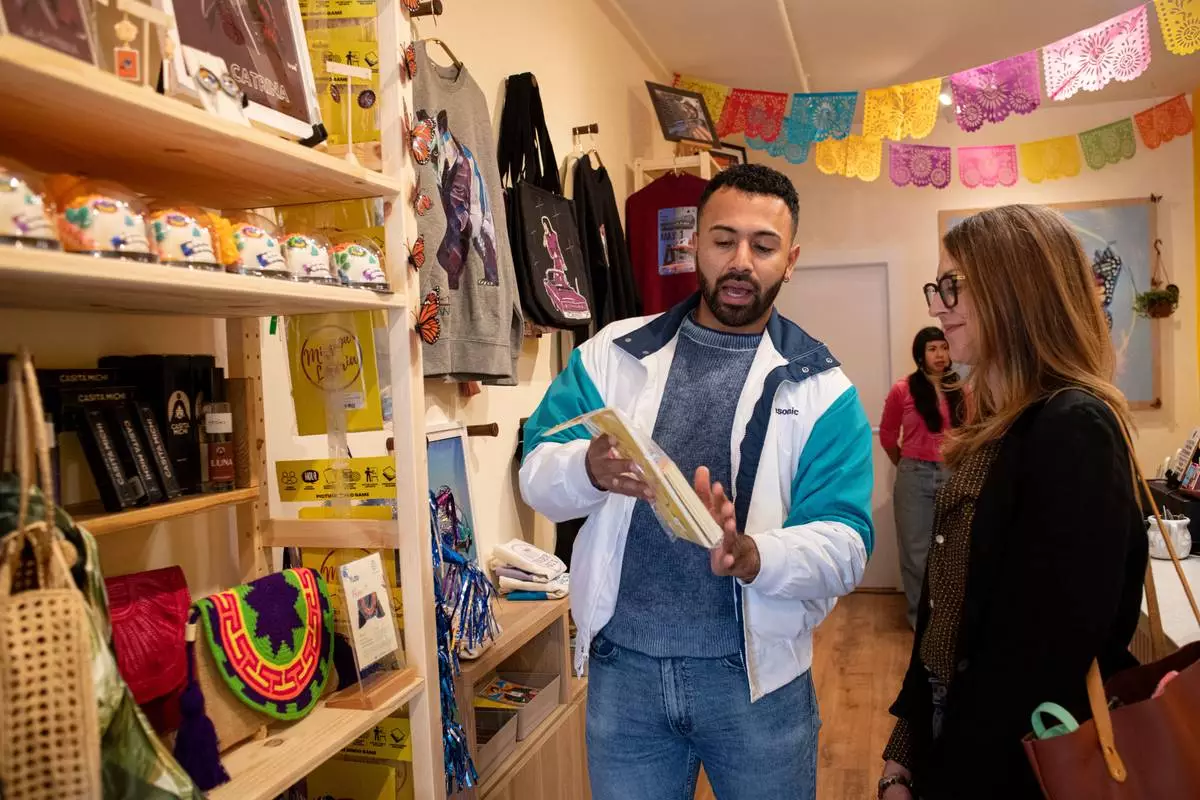
Mission Loteria CEO Luis Quiroz explains Loteria cards to Ashley Creek, 45, at the store on Friday, Oct. 9, 2026, in San Francisco. on Friday, Oct. 9, 2026, in San Francisco. Inspired by the traditional Mexican game of lotería, Mission Lotería features cards representing real businesses in the Mission District, encouraging players to visit local establishments and collect cards. (AP Photo/Akash Pamarthy)
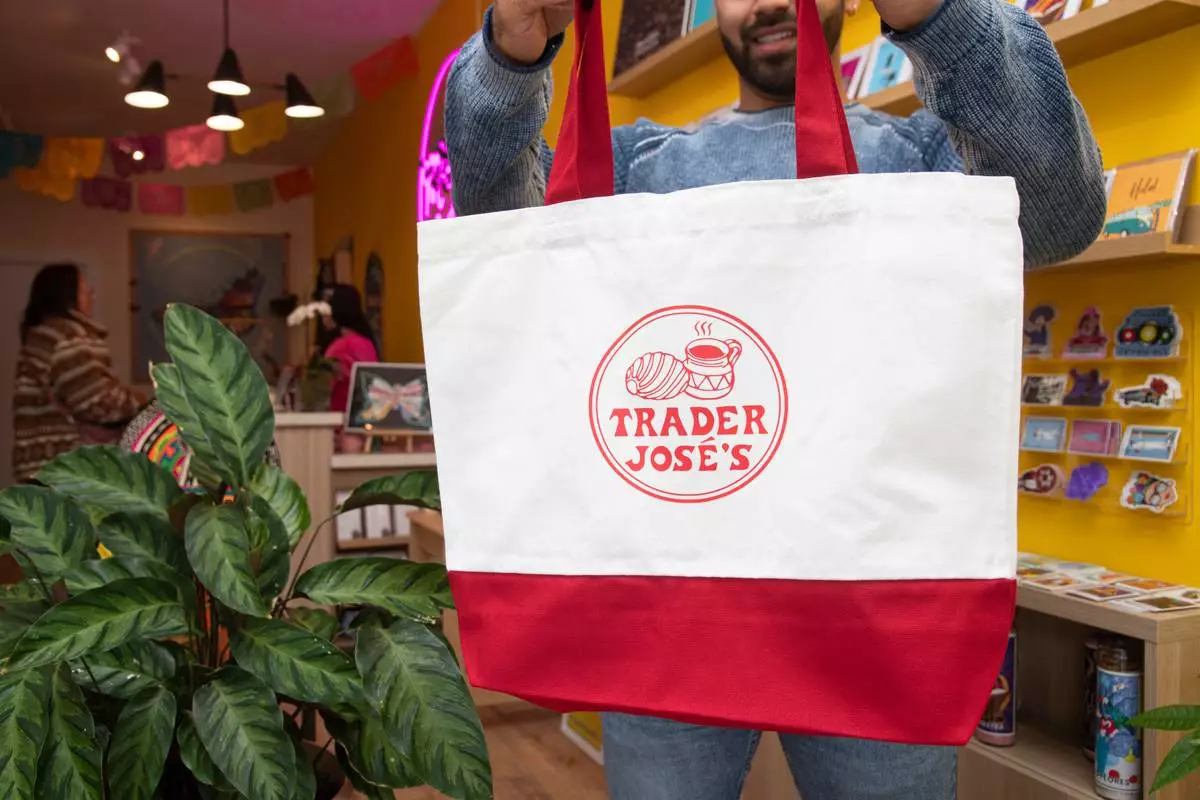
Mission Loteria CEO Luis Quiroz holds a Trader Jose's tote bag at the store on Friday, Oct. 9, 2026, in San Francisco. (AP Photo/Akash Pamarthy)
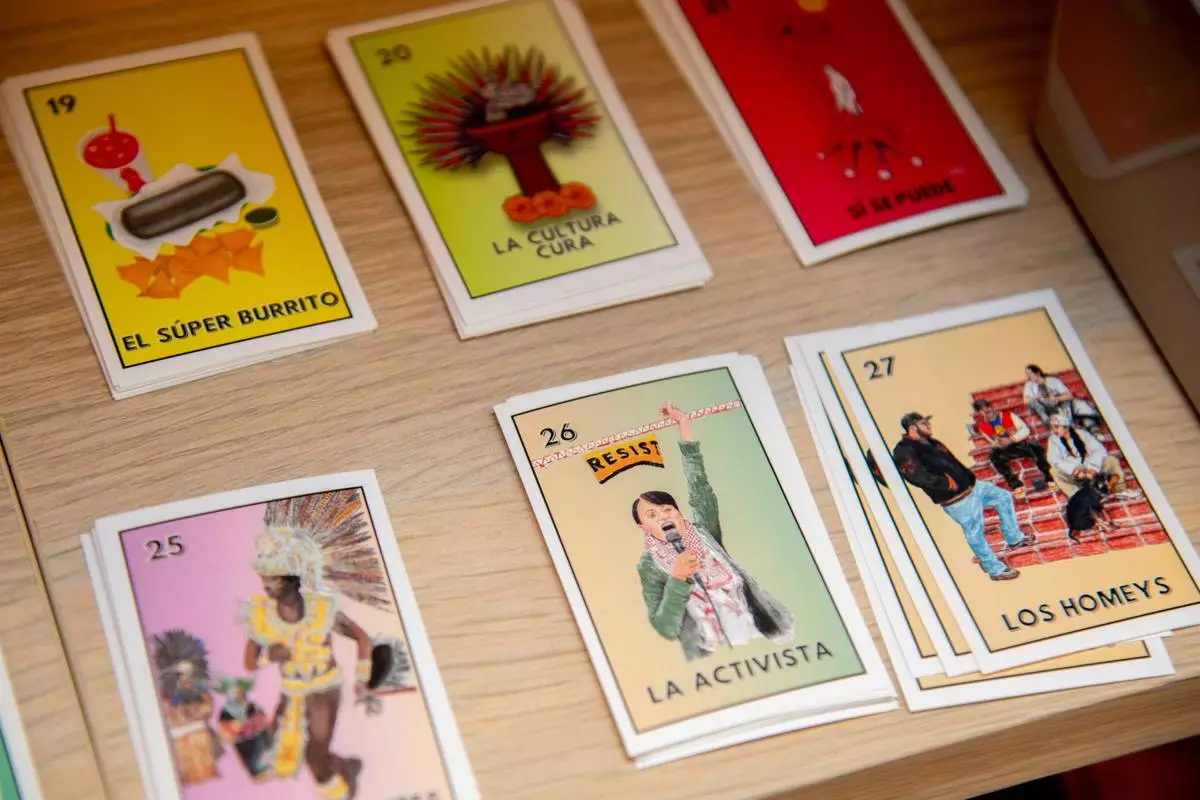
Cards featuring local references, including a No. 26 card representing resistance are displayed at the Mission Loteria store on Friday, Oct. 9, 2026, in San Francisco. (AP Photo/Akash Pamarthy)
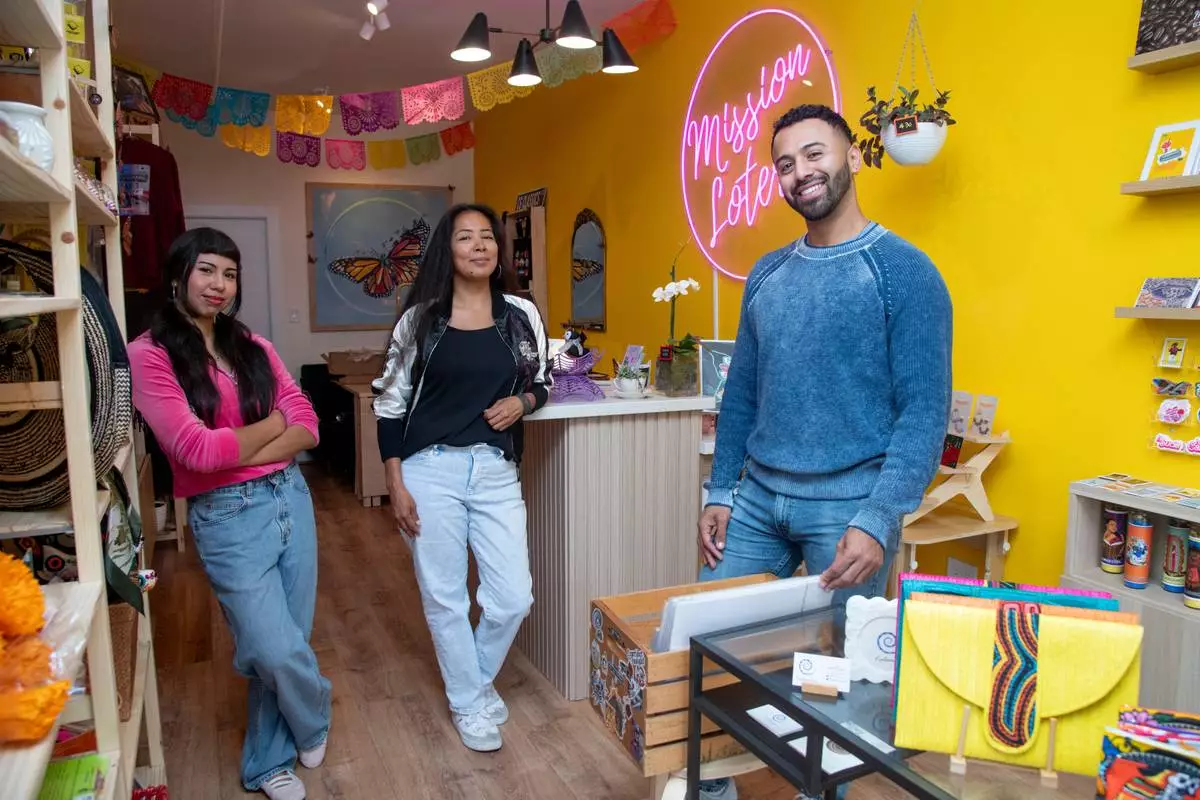
Store associate Dalia Rangel, store manager Paloma Flores and CEO Luis Quiroz pose for a portrait at the Mission Loteria store on Friday, Oct. 9, 2026, in San Francisco. (AP Photo/Akash Pamarthy)