One year after a brokered truce agreement took effect, Gaza remains trapped in devastation, with persistent Israeli military operations and severe shortages keeping millions of displaced residents in a state of chronic suffering.
On Oct 10, 2025, Israel and Hamas agreed to the first phase of a ceasefire deal to end war in Gaza, mediated by international stakeholders. While the paper agreement has offered a flicker of hope for some to return home, the reality for the vast majority of displaced civilians continues to be defined by hunger, fear, and endless waiting.
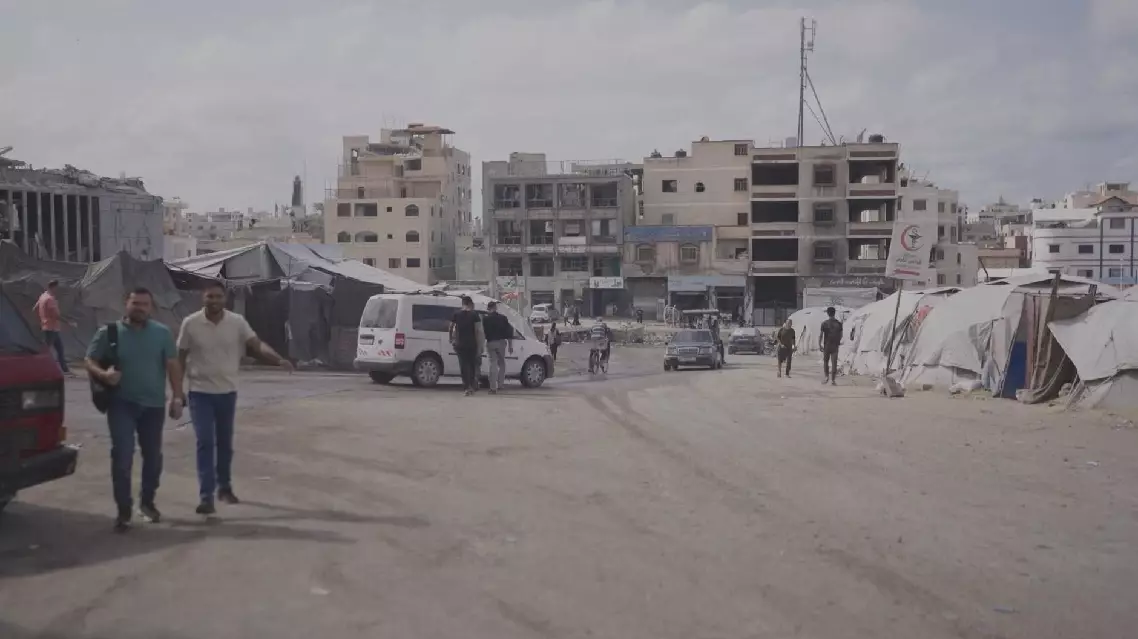
Some Gazans have returned to the rubble of their former homes, but many remain confined to makeshift shelters and tents, struggling to secure income sources. Meanwhile, the healthcare system and public services face compounding operational challenges.
"To this day, we still feel the war has not ended, because bombings, restrictions, and even attacks targeting existing medical facilities continue," said local resident Mohammad Al-Najjar.
According to latest figures from the United Nations and health authorities in the Gaza Strip, the conflict has claimed the lives of more than 74,000 Gazans, leaving over 175,000 injured, since it started in 2023.
Over the year of so-called 'ceasefire period', Israeli military strikes and targeted operations have persisted, killing more than 1,400 people, including hundreds of children, and wounding over 5,000 others.
For many in Gaza, the term "ceasefire" has merely become synonymous with a slower rate of death and injury.
"A year ago, while I was fleeing from one camp for displaced persons to another shelter, the Israeli army bombed us. My eye was injured and had to be replaced with a prosthetic, and shrapnel remains inside my body," said Faraj Juneida, a local resident.
Nowadays, streets in Gaza are flanked by sweeping ruins.
A assessment by the UN Satellite Centre (UNOSAT) estimates that the number of destroyed structures across Gaza has increased by nine percent since the declaration of the ceasefire. Overall, about 82 percent of the structures in Gaza are damaged.
Compounding the physical destruction, tightly restricted aid corridors have triggered systemic shortages and runaway inflation, worsening the survival crisis.
"Hunger is almost sweeping back in again. Prices are soaring, especially for flour, and the situation is extremely unstable. This is a fragile ceasefire, and Israel has simply not complied with the agreement," said local resident Munzer Assaliya.
"One year after the ceasefire was announced, the situation remains exactly the same as before. The war against the Gaza Strip continues, and humanitarian aid has actually regressed, becoming scarcer than before," added resident Mohammad Alloush.
Gaza civilians suffer one year into broken truce as Israeli attacks continue