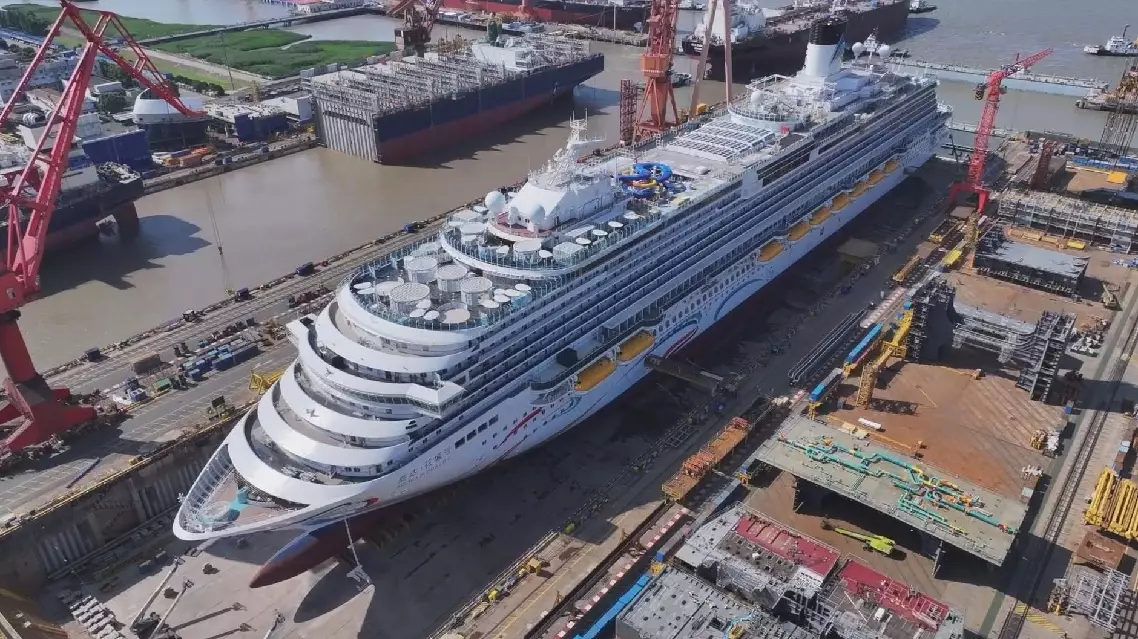
China's second domestically built large cruise ship, the Adora Flora City, will take Hong Kong as its homeport in 2027, said its operator Adora Cruises on Friday.
According to the new itinerary announced by the operator on Friday, the cruise ship will set sail and visit Hong Kong in November this year. In 2027, it is scheduled to operate nearly 20 voyages.
To enhance passengers' experience, the itinerary also includes three destination-free cruise trips. During these trips, the ship will remain at sea without making any port calls, and passengers can simply pack their bags and board as no visa is required.
"We are deeply honored to bring this cruise ship to Hong Kong, allowing guests from Hong Kong and the Guangdong-Hong Kong-Macao Greater Bay Area to experience the charm of the vessel, a true marvel of China's modern engineering innovations. We also hope to expand Hong Kong's cruise options by offering a mix of short, medium, and long-haul itineraries, providing diverse cruise travel experiences for different types of passengers," said Guo Jia, assistant vice president for product and customer experience at Adora Cruises.
The 341-meter-long vessel, with a gross tonnage of 141,900 tons, has 2,130 cabins and suites and can carry up to 5,232 passengers at full capacity. Compared with its sister ship Adora Magic City, China's first homegrown large cruise ship, Adora Flora City has undergone comprehensive upgrades in spatial design, guest experience, and intelligent technology.
The vessel is scheduled for delivery on November 6 and will operate international routes from the Nansha International Cruise Home Port in Guangzhou, capital of south China's Guangdong Province.
China's 2nd homegrown large cruise ship to make Hong Kong its homeport in 2027
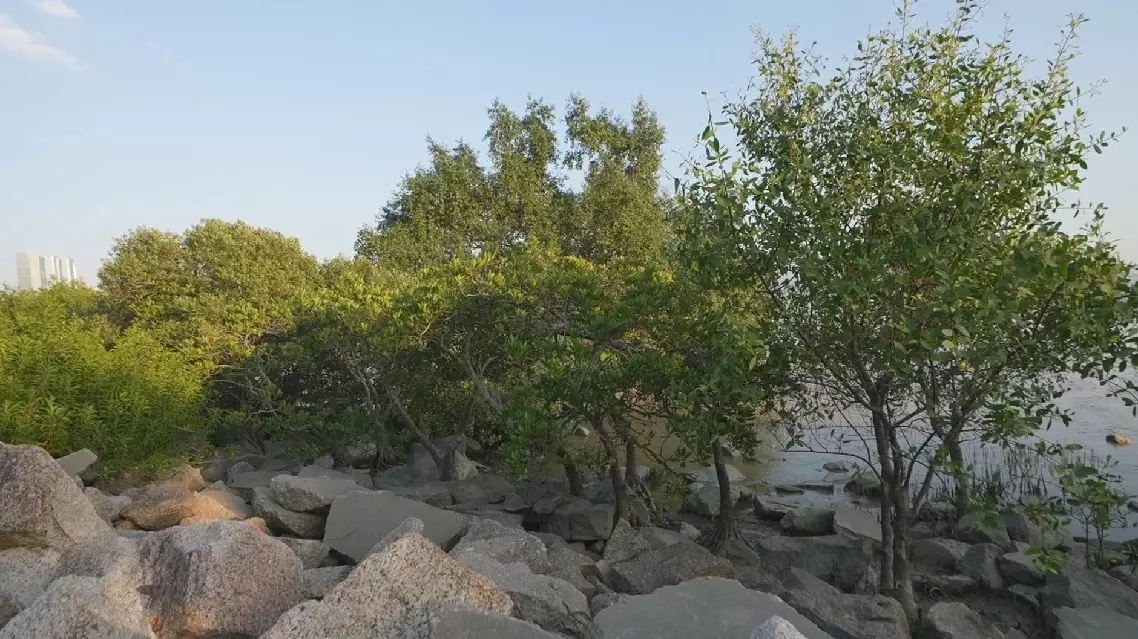
The southern Chinese city of Shenzhen is best known for its skyscrapers and technological innovation. But the city, home to more than 17 million people, has also made room for nature, with mangrove forests thriving alongside its bustling urban center.
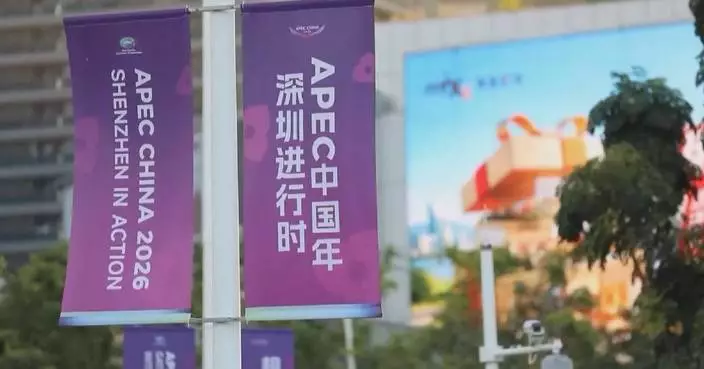
For decades, Shenzhen, the 2026 APEC host city, has pursued hands-on wetland conservation, demonstrating a sustained commitment to protecting its natural environment.
Millions of mangrove seedlings blanket the city's coastline, forming a natural barrier against climate-related disasters and helping shield the urban area from extreme weather.
Mangroves are among the planet's most valuable ecosystems. Their dense root systems help prevent coastal erosion and reduce the impact of waves and storm surges. They also provide vital nursery habitats for fish, crabs and other marine life.
But researcher Julio Salas Raza says their greatest asset may be their extraordinary ability to store carbon in the soil for up to a century.
"They can store more carbon like even almost five times more carbon than terrestrial forests. So that's why mangroves are really our best allies against climate change,” said the postdoctoral researcher at Shenzhen University.
Yet mangroves are under threat worldwide.
According to the Yale Center Beijing, up to 50 percent of the world's original mangrove forests have been lost to urban expansion, land reclamation, water pollution and rising sea levels.
Shenzhen, however, has been at the forefront of mangrove restoration.
Through strategic urban planning, strict biodiversity protection laws and market-based initiatives, the city has expanded its mangrove coverage to nearly 300 hectares.
These protected wetlands have also become an important stopover and wintering habitat for migratory birds, with nearly 100,000 arriving each year.
China is also sharing its conservation experience with the rest of the world.
Tahiry Rakotomamonjy works at the International Mangrove Center, an intergovernmental organization initiated by China to promote global mangrove conservation.
The center now has more than 20 signatory countries across Asia, Africa and the Americas. It shares restoration expertise and techniques, including the use of high-resolution satellite imagery, to help member countries identify priority areas and make better use of their resources.
"I think China is at the forefront of new technology, new methodology of carbon accounting, they use a very new technology for counting mangrove so they can transfer this technology to other member states," said Rakotomamonjy, program officer at the International Mangrove Center.
But conservation efforts don't always rely on high technology.
In Shenzhen, public parks have been integrated into the mangrove wetlands, creating spaces where people can experience nature and observe wildlife up close.
"As people walk around the park, take in the scenery and even photograph the birds, they begin to appreciate how wonderful nature is and how relaxing it can be. At the same time, these experiences help people realize that we need to protect this mangrove forest and preserve this wintering habitat for migratory birds,” said Yang Qiong, head of the scientific research office at the Guangdong Neilingding-Futian National Nature Reserve.
Shenzhen offers a compelling example of how urban development and nature conservation can go hand in hand, safeguarding coastal ecosystems and preserving their benefits for generations to come.
Shenzhen strikes balance between urban growth and mangrove conservation