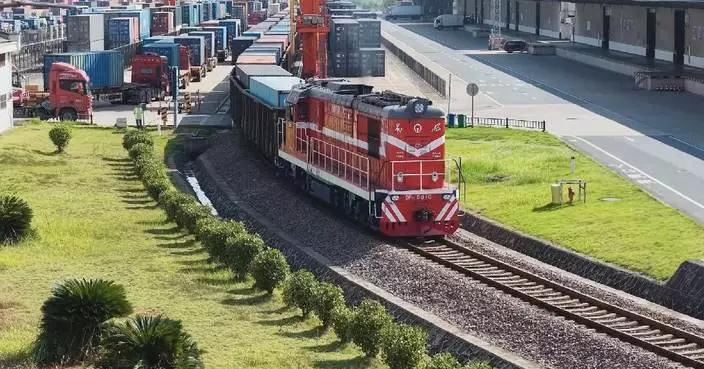
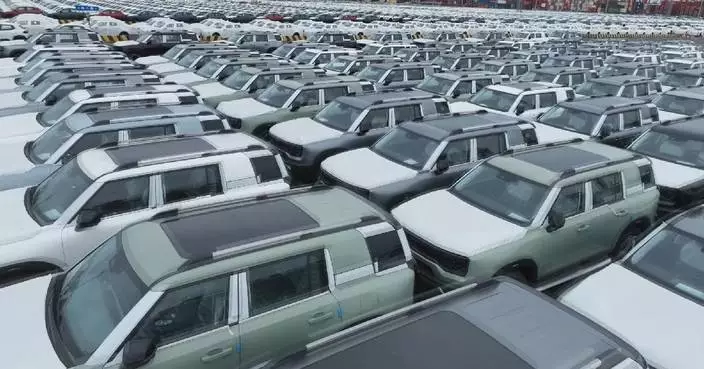
Daniel, a Russian vlogger residing in Zhejiang, has expressed his admiration for the high efficiency and smooth operation of the local public service in the eastern Chinese province.
Having lived in China for over a decade, Daniel has witnessed the progress China has made in public services. The adoption of convenient technologies has made life easier, and given foreigners a greater sense of belonging.
According to Daniel, even bureaucratic processes have become less daunting.
After receiving a new passport recently, he went to a local offline public service center to update his information on his Chinese social security card.
Staff there verified the spelling of his passport name, visa information and insurance records, then helped print a new card once everything was confirmed.
"This is my old card, the new one is already being made. Many foreigners in China can actually have access to these social security card services. You can use it to see a doctor, ride the subway and bus and even scan it at many cultural and tourism sites. It's very convenient," said the vlogger.
Many cities in China offer a similar swift response to public complaints, with citizens calling a hotline or reporting issues online. The government quickly responds and follows up to resolve them.
"The 12345 city services hotline here in Zhejiang actually offers English support on weekdays. So foreigners who don't speak Chinese can still easily get their point across. Honestly, little details like that give me a real sense of belonging here," Daniel said.

Russian vlogger impressed by efficient, convenient public service in Zhejiang
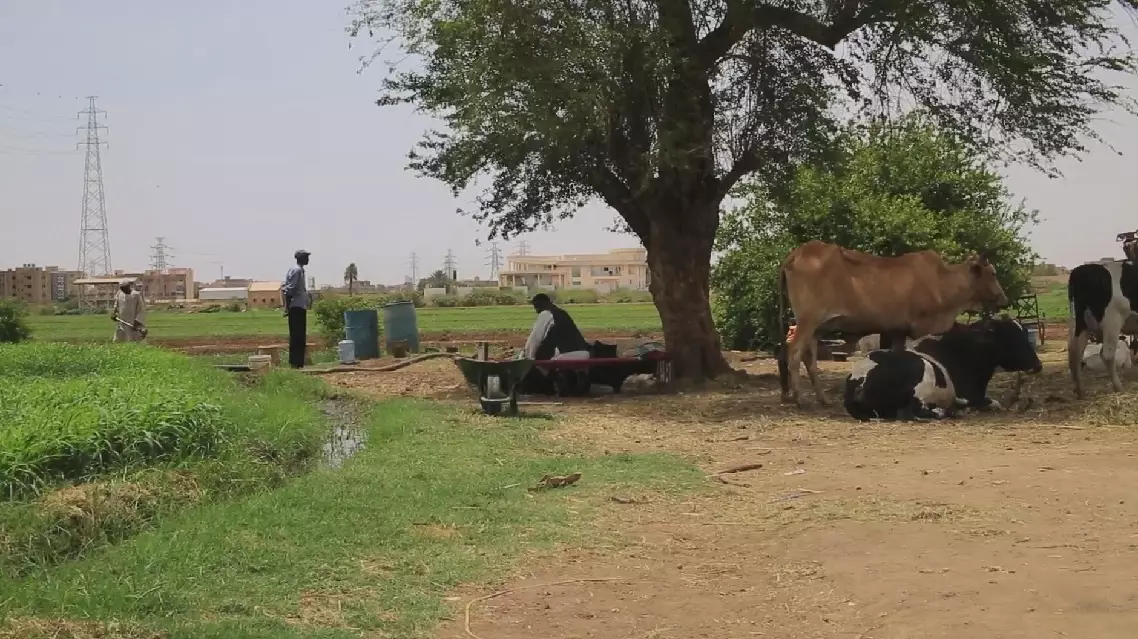
More than three years of armed conflict in Sudan has severely damaged its agricultural infrastructure and slashed grain output, while rising energy and fertilizer prices driven by Middle East tensions are now pushing up production costs and deepening the country's food security crisis.
Agriculture is a pillar of the Sudanese economy, with nearly 65 percent of the population engaged in agricultural production.
However, protracted armed conflict that erupted in April 2023 has forced large numbers of agricultural workers to flee their homes, left vast tracts of farmland abandoned, and caused severe damage to infrastructure such as irrigation systems and agricultural machinery. Cultivation rates have plummeted, and the food security situation has continued to deteriorate.
According to UN data, some 19.5 million people in Sudan currently face acute food insecurity, about two-fifths of the country's population.
"The conflict has severely damaged Sudan's agricultural production. Many agricultural projects have been disrupted, several major agricultural production states have been engulfed in fighting, and large numbers of agricultural assets have been destroyed or looted. Much farm machinery and equipment has been ruined, and crop production has suffered huge losses," said Salah Mohamed Abdel Rahim, director-general of the Agricultural Bank of Sudan.
Since the beginning of this year, heightened tensions in the Middle East have driven up global energy prices, pushing up the costs of agricultural machinery operations, farmland irrigation and agricultural product transportation in Sudan, and severely constraining the country's agricultural production.
In addition, Sudan relies heavily on imports or transshipment from Gulf countries for agricultural inputs including fertilizers, pesticides and seeds.
Amid ongoing regional tensions and disruptions to shipping through the Strait of Hormuz, deliveries of some of these materials have been delayed and prices have continued to rise. As a result, many farmers can no longer afford the mounting production costs and have been forced to scale back their planting.
"Agricultural production has been hit hard this year. Fuel and fertilizer prices have soared, and supplies are in serious shortage," said Khogali Rahman, a farmer.
"The disruption of shipping through the Strait of Hormuz has dealt a direct blow to Sudan's agricultural production. I worry that if tensions in the region persist, fuel prices could climb further, adversely affecting every stage of farming, from sowing to harvest," said Abdel Hamid, an agricultural expert.
Sudan's agriculture under double blow from armed conflict, Middle East tensions