Palestinian President Mahmoud Abbas issued a presidential decree on Saturday postponing the presidential and legislative elections until Sept 11, 2027, calling for the two elections to be held simultaneously.
The decision follows a resolution by the Executive Committee of the Palestine Liberation Organization and revokes Decree No. 4 of 2026, which had scheduled the legislative elections for Nov 28, 2026, according to the Palestinian News and Information Agency (WAFA).
The decree cited deteriorating security conditions in the West Bank, including East Jerusalem, restrictions on freedom of movement and Israel's continued withholding of Palestinian tax revenues as major challenges to election preparations.
In the Gaza Strip, continued exceptional security and humanitarian conditions, the failure to deploy international stabilization and police forces as envisaged under UN Security Council Resolution 2803, the lack of progress in reconstruction, and the incomplete withdrawal of Israeli forces have created additional obstacles, WAFA reported.
Israeli restrictions on access to Gaza and East Jerusalem for Palestine's Central Elections Commission (CEC) staff and international observers have also hindered preparations and limited electoral bodies' ability to operate in accordance with legal and democratic standards, the agency said.
Under the decree, the CEC is responsible for preparing, organizing and supervising the presidential and legislative elections in accordance with the applicable General Elections Law, ensuring they are free, fair, transparent and inclusive throughout the Palestinian territories, including East Jerusalem.
The decree follows national consultations among Palestinian factions and political forces, which, according to WAFA, reached a consensus to postpone the elections.
The legislative elections were part of a broader Palestinian electoral process amid a political division between the West Bank and the Gaza Strip, as well as challenges to holding elections across all Palestinian territories.
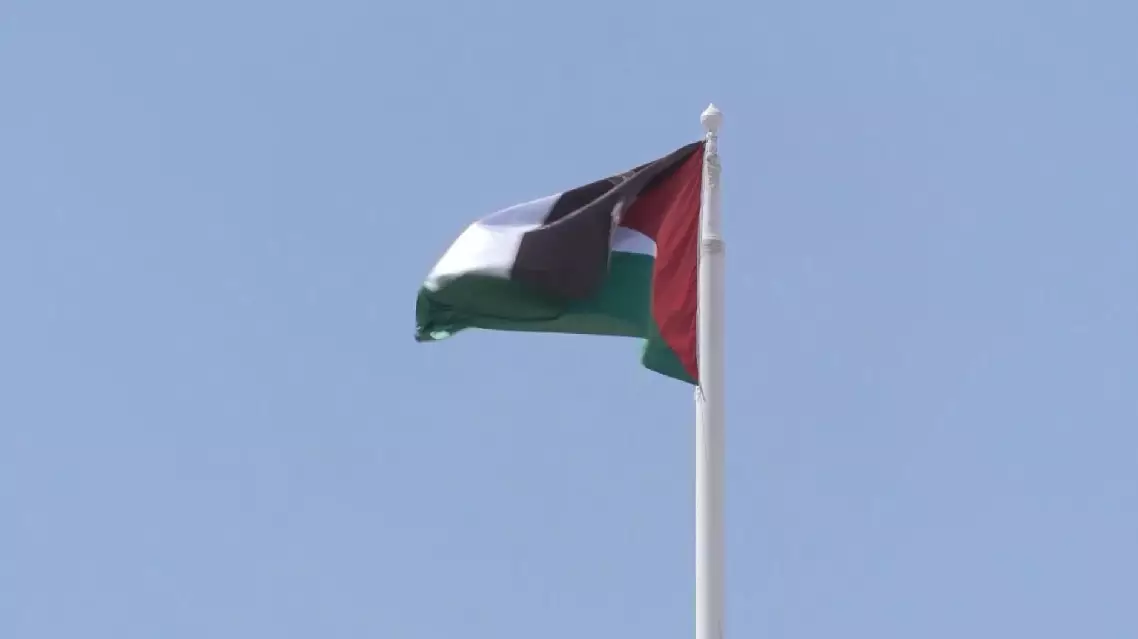
Abbas postpones Palestinian presidential, legislative elections to Sept 11, 2027
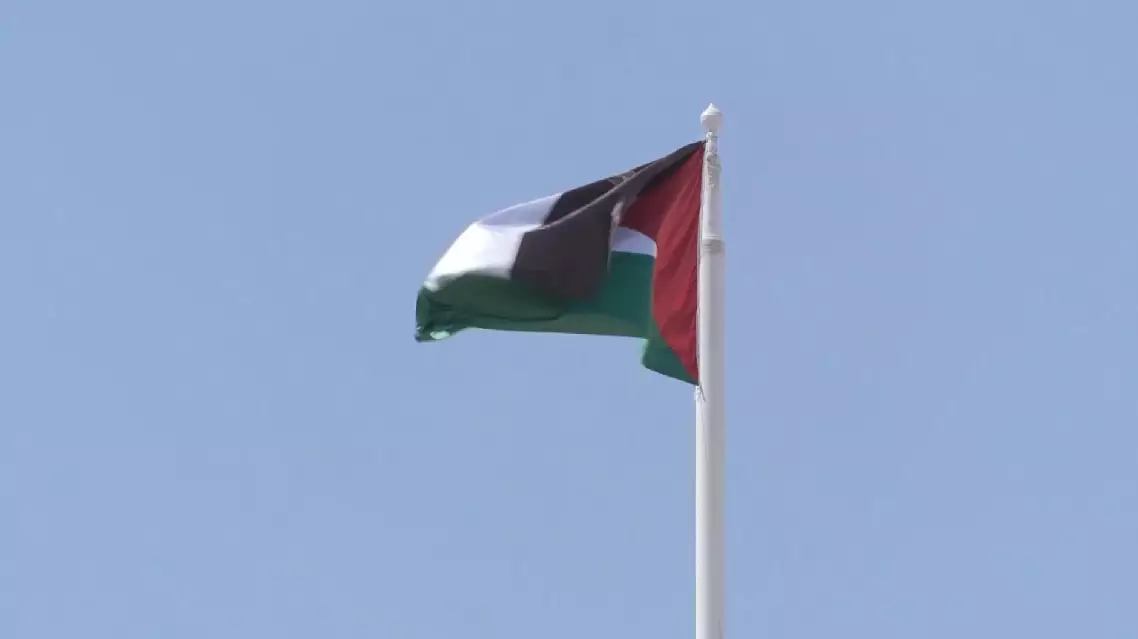
Abbas postpones Palestinian presidential, legislative elections to Sept 11, 2027
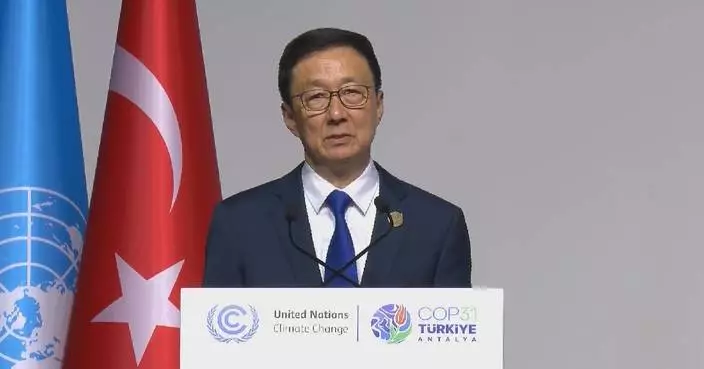
China unveiled its MAZU all-in-one device, an intelligent meteorological early-warning solution, to the world on Wednesday at a China Pavilion side event during the 31st United Nations Climate Change Conference (COP31) in Antalya, Türkiye, offering a Chinese solution for global meteorological disaster prevention and reduction.
MAZU, short for multi-hazard, alert, zero-gap and universal, is an AI-driven meteorological early-warning platform named after Mazu, the traditional Chinese goddess of the sea and protector of sailors.
The device looks like a carry-on suitcase and weighs about 20 kilograms, which is easy to ship anywhere and deploy quickly on site. Once online, it draws on global meteorological data via China's self-developed cloud-based early-warning system to deliver a complete meteorological service solution for local users.
As a comprehensive solution launched by China in response to the UN Early Warnings for All initiative, MAZU combines China's cloud resources with local data from each country, tailoring its approach to each nation's specific needs.
The MAZU solution has so far been deployed in eight countries, including Pakistan, Ethiopia and Sri Lanka, and has been tested through cloud-based trials in more than 50 countries. It has become a global public service product for disaster prevention and mitigation, helping more developing countries improve their climate governance capacity.
"We will share basic knowledge of managing disaster prevention and mitigation, experience in inter-agency coordination and government decision-making, as well as the most advanced forecasting software, satellite monitoring technology and artificial intelligence technology for disaster prevention and mitigation, along with personnel training, truly 'teaching people how to fish'," said Zhang Xingying, director of the Department of International Cooperation at the China Meteorological Administration.
"That will help us to get into people's hands with early warning. And they can make decisions, whether it's in agriculture, whether it's in mining, whether it's in tourism, or infrastructure, or in health. We like that very much," said Gilbert Siame, minister of Green Economy and Environment of Zambia.
"Its partners don't just receive this system; they build it with China. That's what South-South cooperation looks like. Who looks forward to working with China to align MAZU with each country's national early warning road-mode is WMO," said Josefina Bunge, chief of staff at the World Meteorological Organization (WMO).
COP31 opened Monday with a focus on translating global climate commitments into concrete action. According to the organizers, it will focus on three key areas: implementing emissions reduction targets, delivering climate finance to developing countries, and strengthening adaptation and resilience, with the aim of turning commitments made at previous climate summits into tangible outcomes.
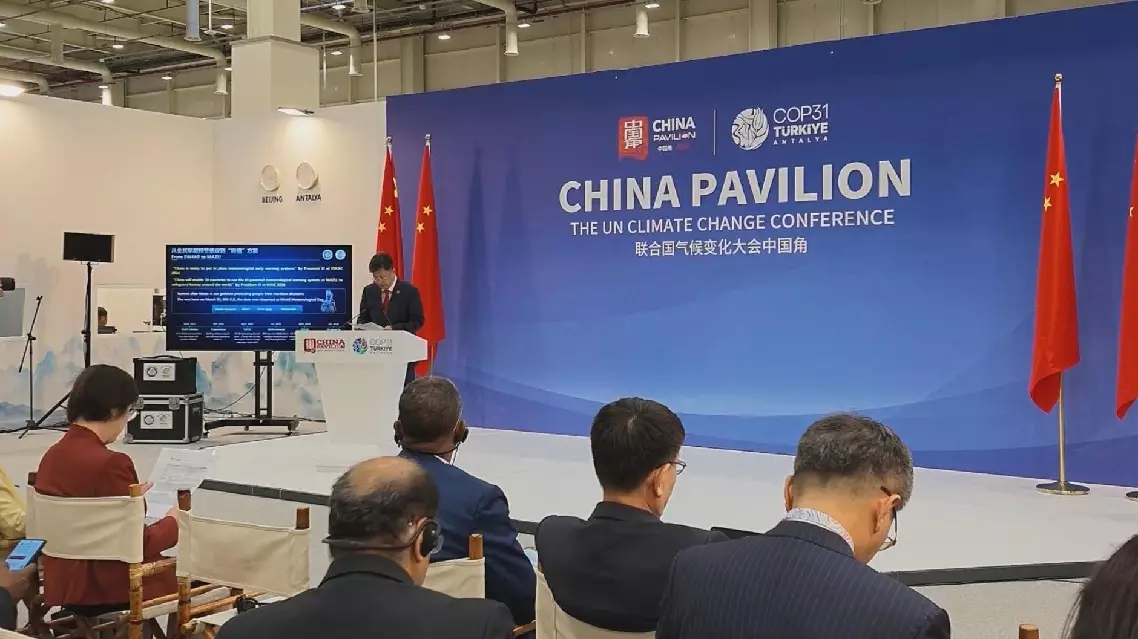
MAZU early warning device makes global debut at COP31