The total number of cross-border passenger trips through Gongbei Port, linking Zhuhai in south China's Guangdong Province with the Macao Special Administrative Region (SAR), exceeded 100 million in 2026 on Sunday, reaching the milestone 14 days earlier than last year, according to Gongbei Border Inspection Station.
Gongbei Port handled over 64 million inbound and outbound passenger trips in the first half of the year, up six percent year on year. The rising figures reflect stronger demand for travel between Macao and the Chinese mainland.
Single-day traffic peaked at 463,000, breaking the 2025 single-day record three times. Over the National Day holiday from Oct. 1 to 7, daily volumes averaged more than 377,000 trips amid another surge.
In terms of passenger composition, those traveling between Zhuhai and Macao via Gongbei Port fall mainly into three groups: individual tourists, cross-border commuters and business travelers.
Among them, frequent travelers from Guangdong, Hong Kong and Macao have long accounted for around 70 percent of the total, with two-way travelers, Macao-bound workers and cross-border students forming the backbone of port traffic.
In addition, China continues to expand its visa-free "circle of friends." With growing international exchanges and business events such as the APEC meetings and the Canton Fair, foreign travelers are increasingly starting their "China Travel" via Gongbei Port, giving the port a stronger international flavor.
This trend is reflected in the numbers: the port has inspected nearly 700,000 foreign passenger trips so far this year, up 11 percent year on year.
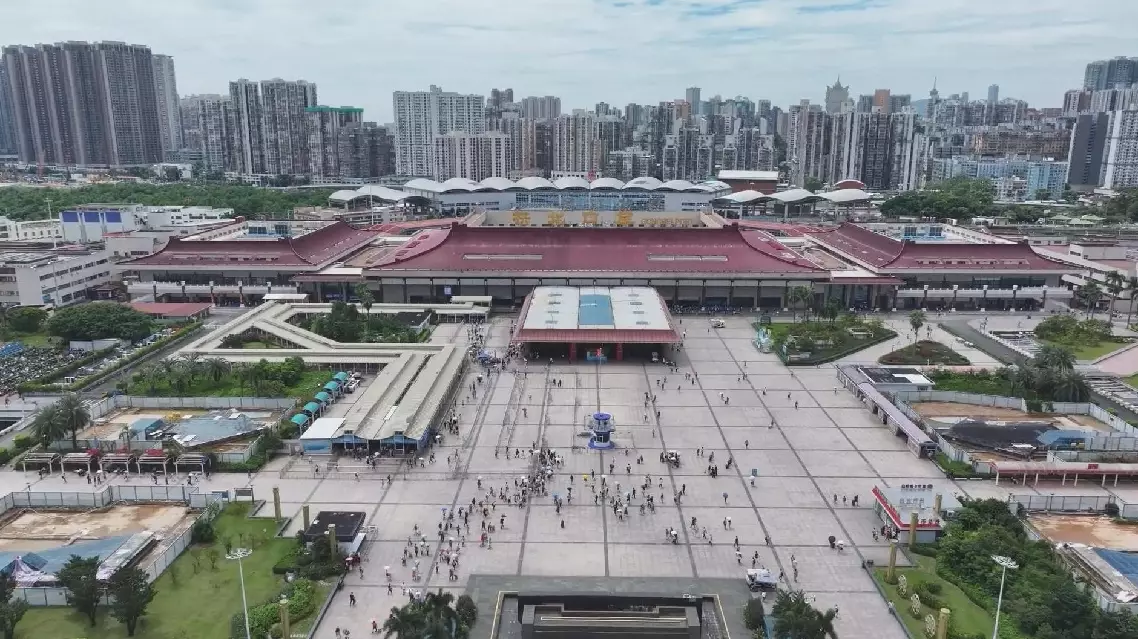
Macao-mainland port sees 2026 cross-border passenger traffic top 100 mln
Palestinian President Mahmoud Abbas issued a presidential decree on Saturday postponing the presidential and legislative elections until Sept 11, 2027, calling for the two elections to be held simultaneously.
The decision follows a resolution by the Executive Committee of the Palestine Liberation Organization and revokes Decree No. 4 of 2026, which had scheduled the legislative elections for Nov 28, 2026, according to the Palestinian News and Information Agency (WAFA).
The decree cited deteriorating security conditions in the West Bank, including East Jerusalem, restrictions on freedom of movement and Israel's continued withholding of Palestinian tax revenues as major challenges to election preparations.
In the Gaza Strip, continued exceptional security and humanitarian conditions, the failure to deploy international stabilization and police forces as envisaged under UN Security Council Resolution 2803, the lack of progress in reconstruction, and the incomplete withdrawal of Israeli forces have created additional obstacles, WAFA reported.
Israeli restrictions on access to Gaza and East Jerusalem for Palestine's Central Elections Commission (CEC) staff and international observers have also hindered preparations and limited electoral bodies' ability to operate in accordance with legal and democratic standards, the agency said.
Under the decree, the CEC is responsible for preparing, organizing and supervising the presidential and legislative elections in accordance with the applicable General Elections Law, ensuring they are free, fair, transparent and inclusive throughout the Palestinian territories, including East Jerusalem.
The decree follows national consultations among Palestinian factions and political forces, which, according to WAFA, reached a consensus to postpone the elections.
The legislative elections were part of a broader Palestinian electoral process amid a political division between the West Bank and the Gaza Strip, as well as challenges to holding elections across all Palestinian territories.
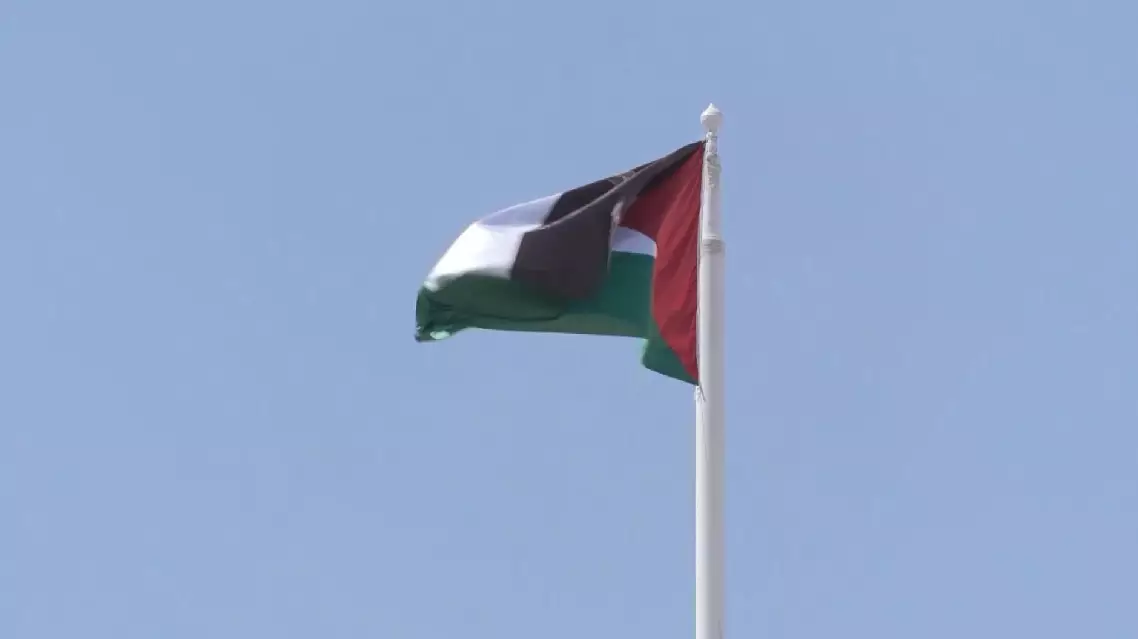
Abbas postpones Palestinian presidential, legislative elections to Sept 11, 2027