Skip to Content Facebook Feature Image

Many GOP states have imposed new voting rules this year, some mirroring Trump's midterm proposals

News

Many GOP states have imposed new voting rules this year, some mirroring Trump's midterm proposals
News

News

Many GOP states have imposed new voting rules this year, some mirroring Trump's midterm proposals

2026-10-12 18:45 Last Updated At:19:01

President Donald Trump has pushed Congress to pass a proof-of-citizenship law, signed an executive order seeking a national voter ID requirement and tried to limit mail voting through U.S. Postal Service changes.

None of those moves succeeded in time to affect this year's midterm elections. It's a different matter in the states.

More Images
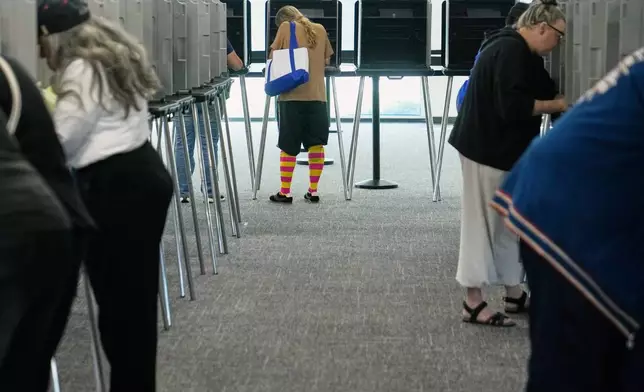
Voters fill in their ballots in privacy booths during early in-person voting in Cleveland, Wednesday, Oct. 7, 2026. (AP Photo/Sue Ogrocki)
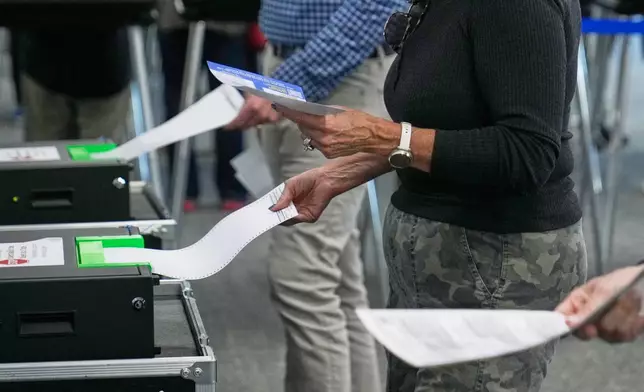
Voters fill in their ballots in privacy booths during early in-person voting in Cleveland, Wednesday, Oct. 7, 2026. (AP Photo/Sue Ogrocki)

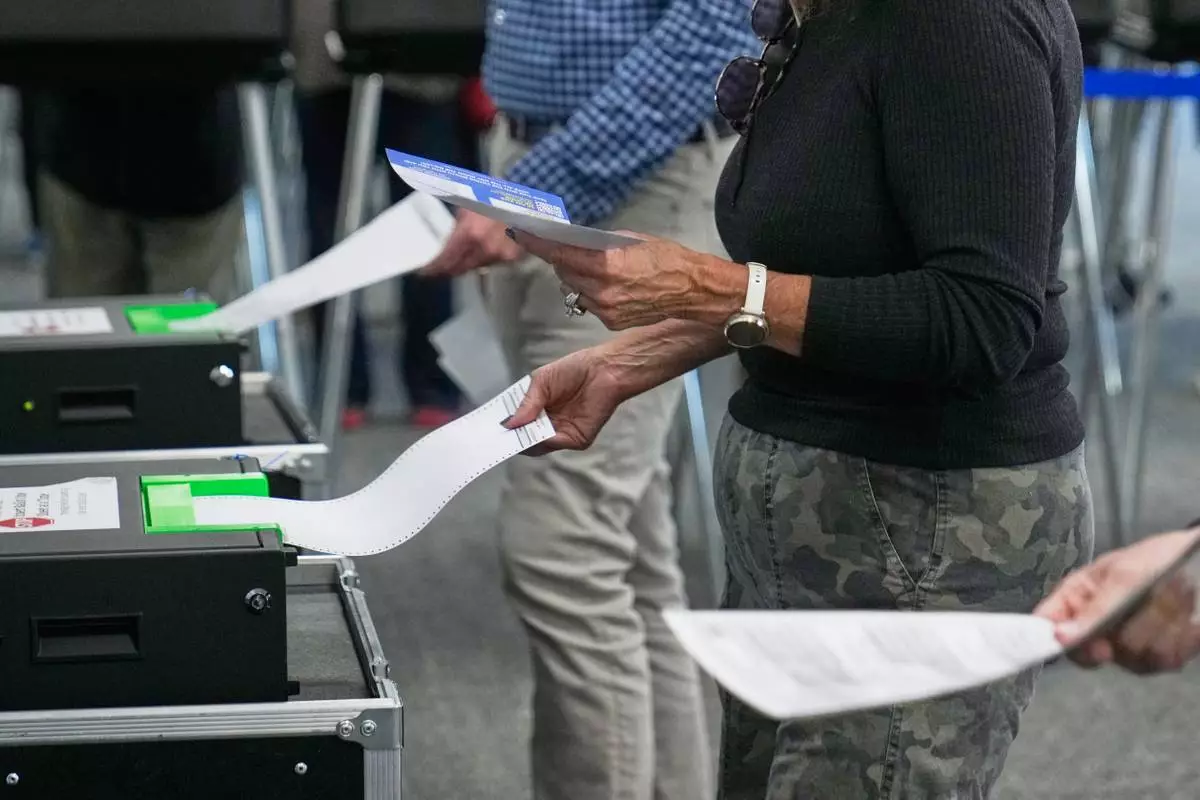
Voters enter their ballots into scanners at early in-person voting in Cleveland, Wednesday, Oct. 7, 2026. (AP Photo/Sue Ogrocki)
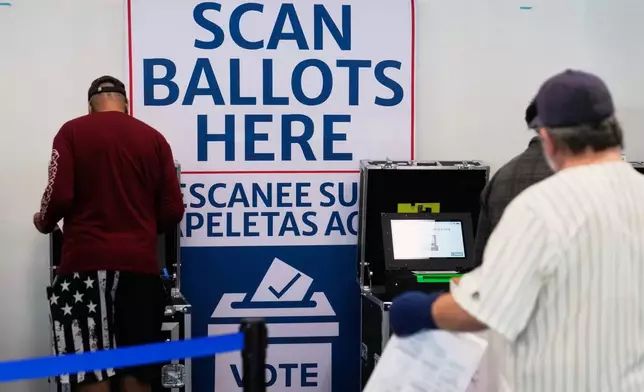
Voters enter their ballots into scanners at early in-person voting in Cleveland, Wednesday, Oct. 7, 2026. (AP Photo/Sue Ogrocki)

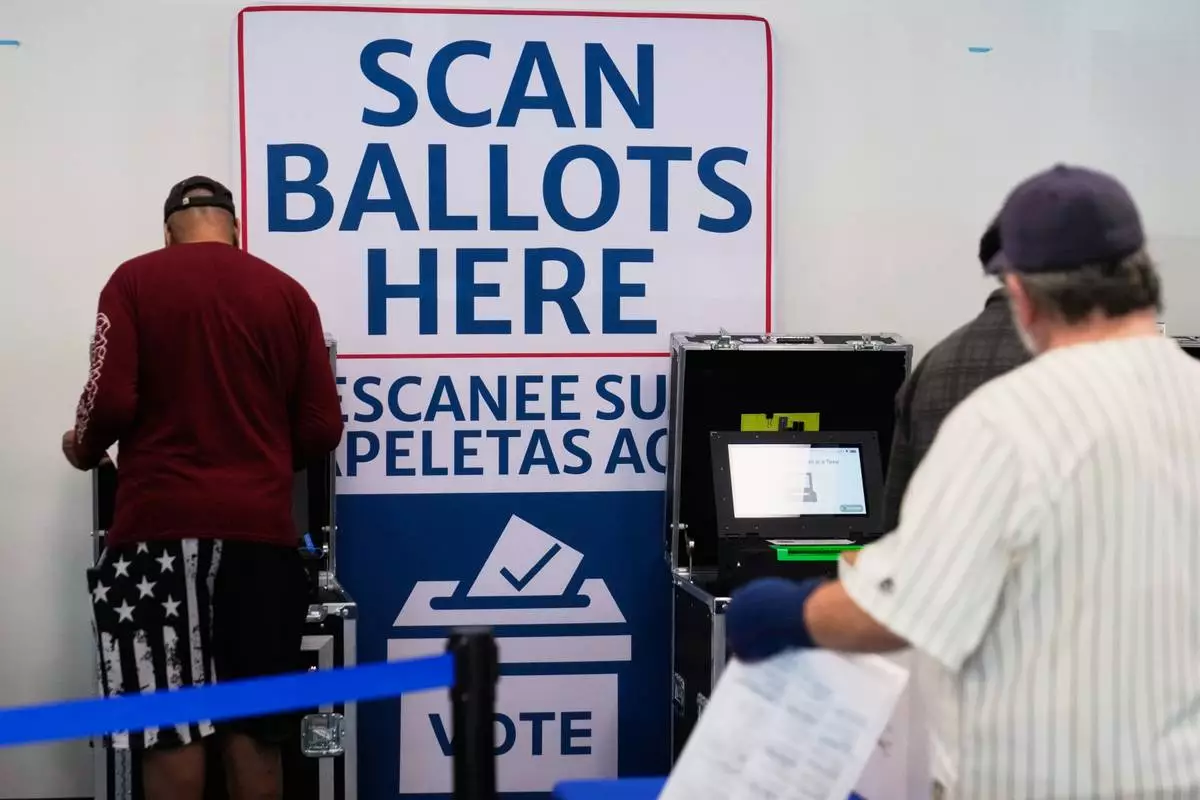
Voters scan their ballots at early in-person voting in Cleveland, Wednesday, Oct. 7, 2026. (AP Photo/Sue Ogrocki)
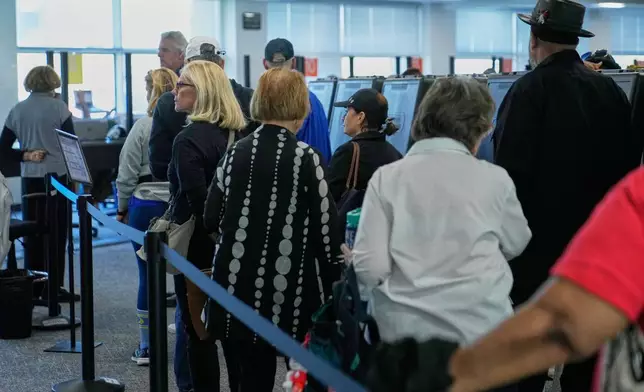
Voters scan their ballots at early in-person voting in Cleveland, Wednesday, Oct. 7, 2026. (AP Photo/Sue Ogrocki)
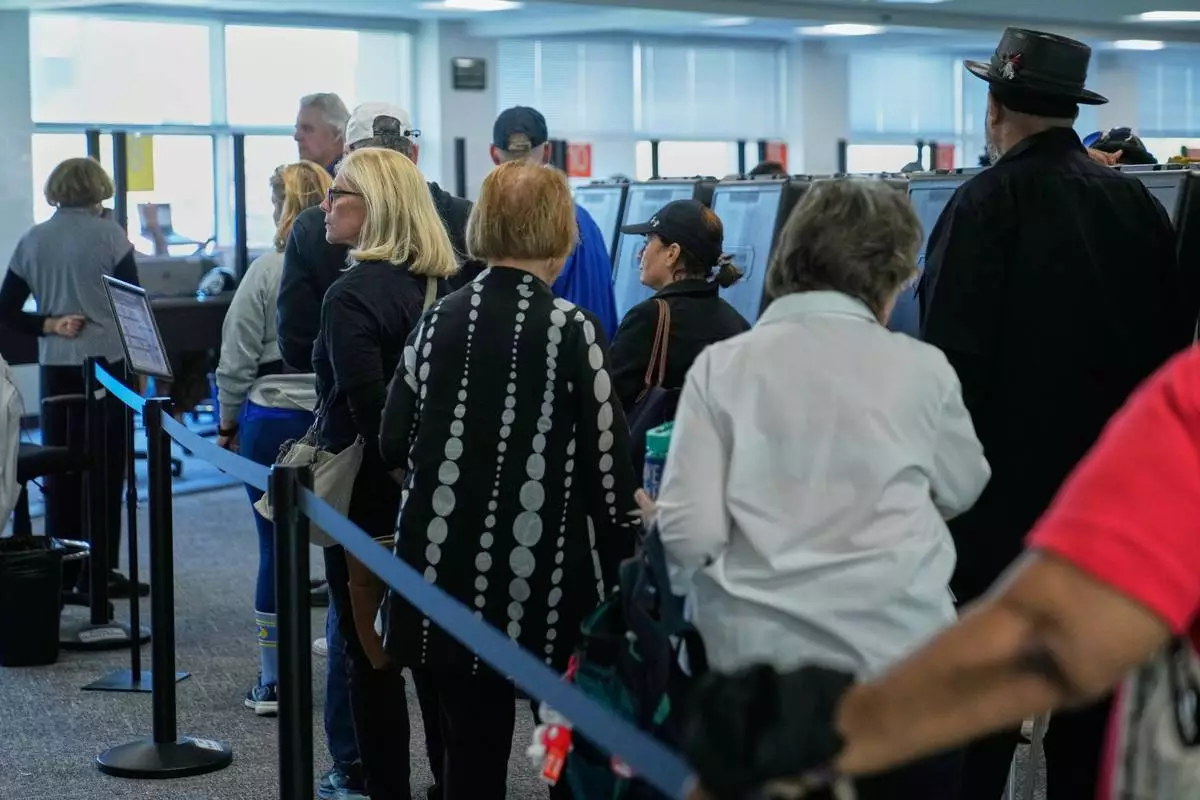
Voters wait in line to receive their ballots at early in-person voting in Cleveland, Wednesday, Oct. 7, 2026. (AP Photo/Sue Ogrocki)

Voters wait in line to receive their ballots at early in-person voting in Cleveland, Wednesday, Oct. 7, 2026. (AP Photo/Sue Ogrocki)

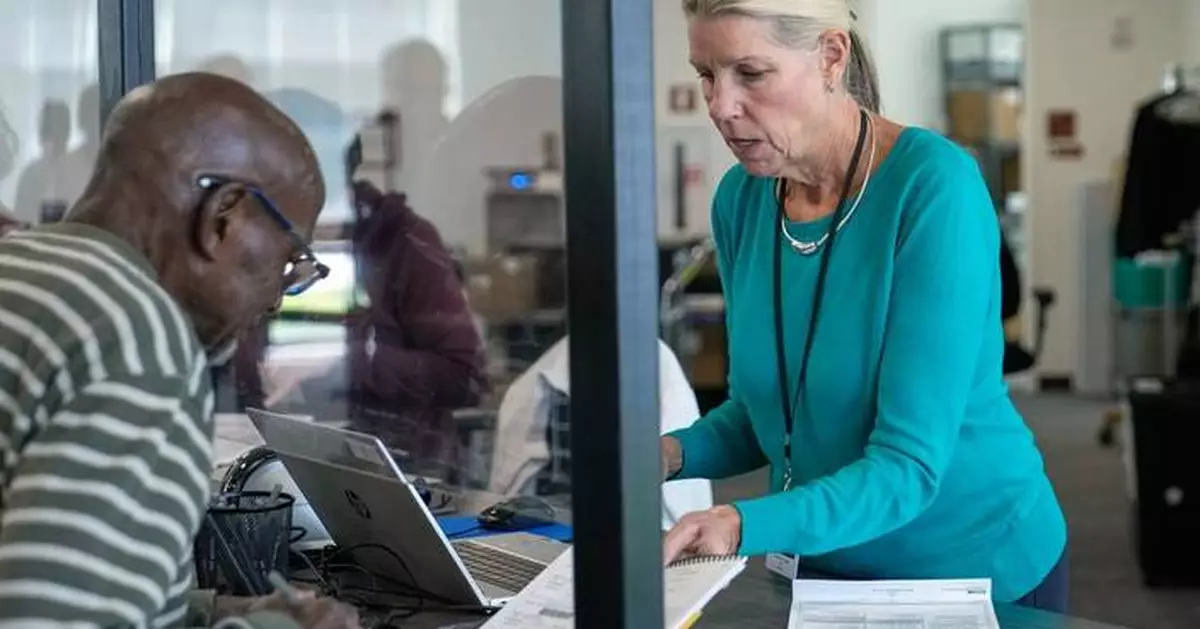
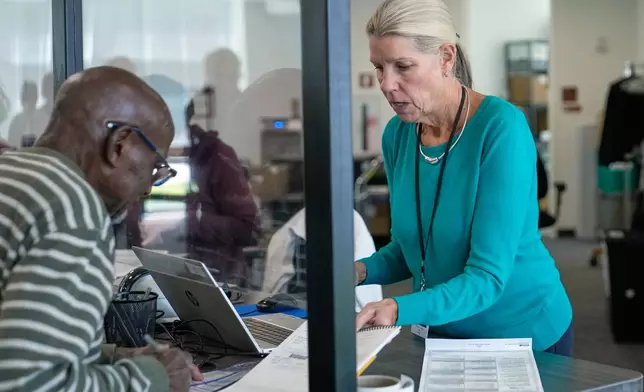
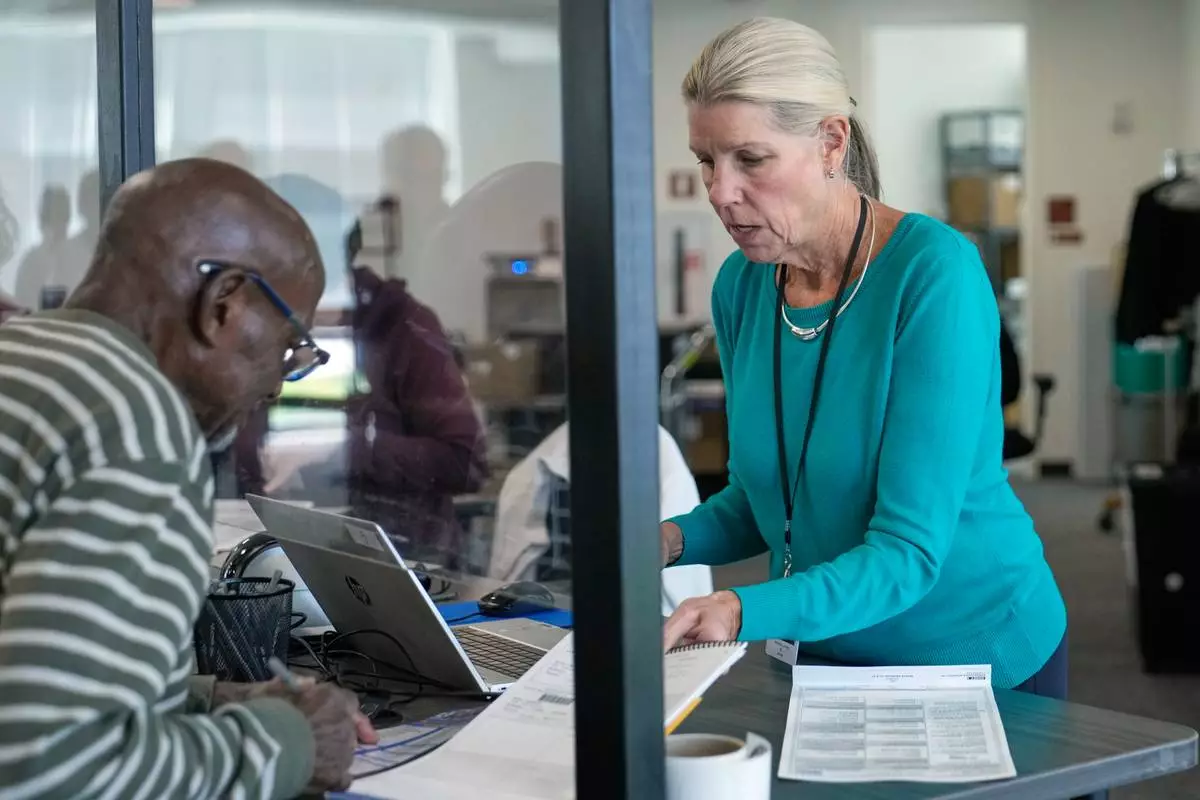
Debbie Lewis, right, early in-person voting intaker, hands Eddie Johnson, left, his ballot, in Cleveland, Wednesday, Oct. 7, 2026. (AP Photo/Sue Ogrocki)

Debbie Lewis, right, early in-person voting intaker, hands Eddie Johnson, left, his ballot, in Cleveland, Wednesday, Oct. 7, 2026. (AP Photo/Sue Ogrocki)

More than three dozen voting laws passed in Republican-controlled states are taking effect for the first time this year, many of them containing elements of Trump's stalled proposals. They include changes to what IDs are acceptable to register for the first time and requirements to show proof of citizenship, an issue the Republican president has tried but failed to get through Congress.

“Trump’s attacks on our elections are deeply damaging, but they are not happening in isolation,” said Sophia Lin Lakin, director of the American Civil Liberties Union’s Voting Rights Project. ”Across the country, states are also advancing restrictions that make it harder for eligible voters to cast a ballot."

Some new laws seek to make voting easier. Others continue a trend in Republican-controlled states of imposing restrictive rules that began in 2021 after Trump's false claims of widespread fraud in his 2020 presidential election loss to Democrat Joe Biden. Trump's continued false claims have resonated with Republican voters, a majority of whom believe Biden was not legitimately elected despite all evidence to the contrary. Trump lost dozens of court challenges, his own attorney general found no evidence of widespread fraud, and reviews, audits and recounts in the battleground states where he contested his loss all affirmed Biden’s victory.

Among the changes confronting voters as early voting gets underway: Students in New Hampshire can no longer use student IDs; Utah voters returning mail ballots must include more information on the envelope; and some voters in Mississippi might need birth certificates or passports to verify their identities.

Republican lawmakers who support the tighter voting laws, especially around voter ID, describe them as common sense changes.

New Hampshire state Rep. Donald McFarlane said he sponsored the bill to eliminate student IDs as acceptable for voting because colleges don’t have the same controls when issuing those cards as government agencies.

“The change removes a special exception and applies the same government-issued ID standard to all voters,” he said, adding that his bill had bipartisan support.

Students, he said, can still get state IDs free of charge.

The new requirements have not gone unchallenged.

In South Dakota, the ACLU has filed a lawsuit seeking to halt a new law that includes requiring voters registering for the first time to present the most common forms of ID — driver's licenses, Tribal IDs and non-driver state IDs. They must be presented in person at places that accept registration.

“Proof of citizenship in itself is not terrible,” said Kathryn Johnson, president of the League of Women Voters of South Dakota.

Her concern is the requirement to present the IDs in person.

“We’re kind of a remote state, so sometimes it takes a drive, and you have to coordinate, you have to take off work, and all of these kinds of things,” she said.

Ohio has a proof of citizenship requirement in effect for the first time this year for those registering to vote or updating their voter registration information at a Bureau of Motor Vehicles location. The state also eliminated its four-day grace period for mail ballots, which now must be received at local election offices by Election Day.

Yet the biggest concern for voting rights groups is an ongoing purge of the state's voter rolls. The databases used to check citizenship against voter registration lists can be outdated, said Freda Levenson, legal director of the ACLU of Ohio, which has sued to overturn the law.

“Vast numbers of perfectly eligible voters are vulnerable to being disenfranchised,” she said.

Republican state Sen. Theresa Gavarone, one of the primary sponsors of the bill, challenged the ACLU's legal action and said the problem it addresses is a real one.

“In the past two years, hundreds of noncitizens have been removed from Ohio’s voter rolls," she said in an email. "Every single vote cast by a noncitizen disenfranchises a lawful Ohio voter.”

Outside an early voting center in Wayne County, Ohio, retired steel worker Dan Walter, an independent voter, said he opposes requiring documentary proof of citizenship to vote.

“It’s to keep people from voting, it sounds to me like,” he said.

His wife, Jody, a retired aerospace executive and a Democrat, said she felt the same way about Ohio's new requirement for registering to vote.

“A driver’s license doesn’t prove citizenship, and that’s all they ask for now,” she said. “It’s going to be an obstacle for so many people.”

Genia Fortune had a different view. A nurse, the Millersburg resident described herself as an independent and said she voted for President Barack Obama, a Democrat, and later for Trump. She believes Trump's false claims that the 2020 election was stolen and sees requiring documentary proof of citizenship as a necessary precaution.

“I just feel like you need to be a citizen and show proof of ID,” she said.

The Trump administration has pushed multiple strategies to influence this year’s midterm elections, most of them stymied by Congress or the courts.

Chris Diaz, the director of legislative tracking at the Voting Rights Lab, which tracks state legislation, said the group has seen several versions of the Republican president’s proposals passed by his allies in the states.

A recently released report by the group highlighted some of the key areas drawing Republican lawmakers’ attention, including mail balloting, voter ID and the hunt for noncitizens on voter rolls.

Noncitizen voting has been a focus of the Trump administration despite it being a rare problem. The U.S. Department of Justice recently announced it had brought charges in roughly 90 cases for various types of election misconduct, including 50 against people who are alleged to have voted as noncitizens. The U.S. had 227 million registered voters for the 2024 presidential election.

The Brennan Center for Justice has identified nearly 40 laws in 21 states taking effect this election season that will make it harder for eligible voters to register, stay on the rolls or cast ballots.

The report from the center, part of the New York University School of Law, found that many of the new laws target subsets of voters.

“What I want voters to take away from this is that elections are still run by the states and there are still people in many states who are trying to make it harder for you to vote," said Sean Morales-Doyle, senior director of the center’s Voting Rights and Elections Program. “But that's all the more reason to go make a plan to vote and participate.”

Fields reported from Washington, and Smyth reported from Wooster and Millersburg, Ohio.
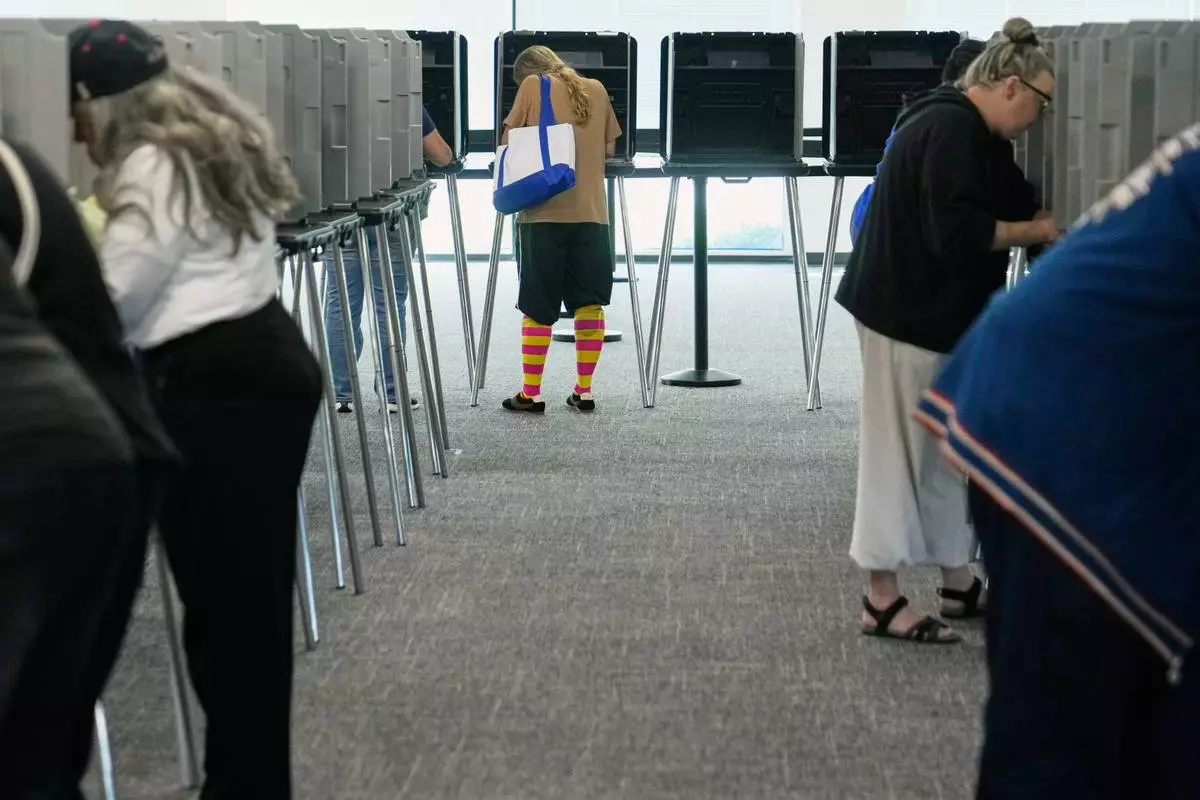
Voters fill in their ballots in privacy booths during early in-person voting in Cleveland, Wednesday, Oct. 7, 2026. (AP Photo/Sue Ogrocki)
Voters fill in their ballots in privacy booths during early in-person voting in Cleveland, Wednesday, Oct. 7, 2026. (AP Photo/Sue Ogrocki)

Voters enter their ballots into scanners at early in-person voting in Cleveland, Wednesday, Oct. 7, 2026. (AP Photo/Sue Ogrocki)
Voters enter their ballots into scanners at early in-person voting in Cleveland, Wednesday, Oct. 7, 2026. (AP Photo/Sue Ogrocki)

Voters scan their ballots at early in-person voting in Cleveland, Wednesday, Oct. 7, 2026. (AP Photo/Sue Ogrocki)
Voters scan their ballots at early in-person voting in Cleveland, Wednesday, Oct. 7, 2026. (AP Photo/Sue Ogrocki)
Voters wait in line to receive their ballots at early in-person voting in Cleveland, Wednesday, Oct. 7, 2026. (AP Photo/Sue Ogrocki)

Voters wait in line to receive their ballots at early in-person voting in Cleveland, Wednesday, Oct. 7, 2026. (AP Photo/Sue Ogrocki)

Debbie Lewis, right, early in-person voting intaker, hands Eddie Johnson, left, his ballot, in Cleveland, Wednesday, Oct. 7, 2026. (AP Photo/Sue Ogrocki)

Debbie Lewis, right, early in-person voting intaker, hands Eddie Johnson, left, his ballot, in Cleveland, Wednesday, Oct. 7, 2026. (AP Photo/Sue Ogrocki)
ALLENTOWN, Pa. (AP) — Una sola cosa. Just one thing. That's all Victor Martinez wanted from listeners of his Spanish-language radio station — tell him one positive thing about President Donald Trump.

The calls started rolling in. Someone mentioned the $5,000 payout that Trump promised if Republicans keep control of Congress, which Martinez thought was so hilarious that he played a laugh track.

Then a trucker shared a silver lining from high diesel prices — he was expecting to take an unplanned vacation because he could no longer afford to fill up his rig.

Martinez has been hosting his show for nearly a decade in Pennsylvania's Lehigh Valley, where Latinos have gone from a fifth to nearly a quarter of the population over the same time period. He added an hour of politics to his morning talk show at the end of Trump's first term, and listeners flooded his phone with their worries about the Jan. 6 attack on the U.S. Capitol, their unhappiness with inflation and their concern over Joe Biden's age.

Now, at the halfway mark of Trump's second term, Martinez said people are just as frustrated as they were then. They're angry about higher prices for fuel and groceries, and Republicans could face the consequences in the midterm elections.

“It’s the economy, stupid. That’s what it is. I mean, things have gotten so bad,” Martinez said. “People didn’t think Biden did a good job. Everything was expensive and now it’s worse.”

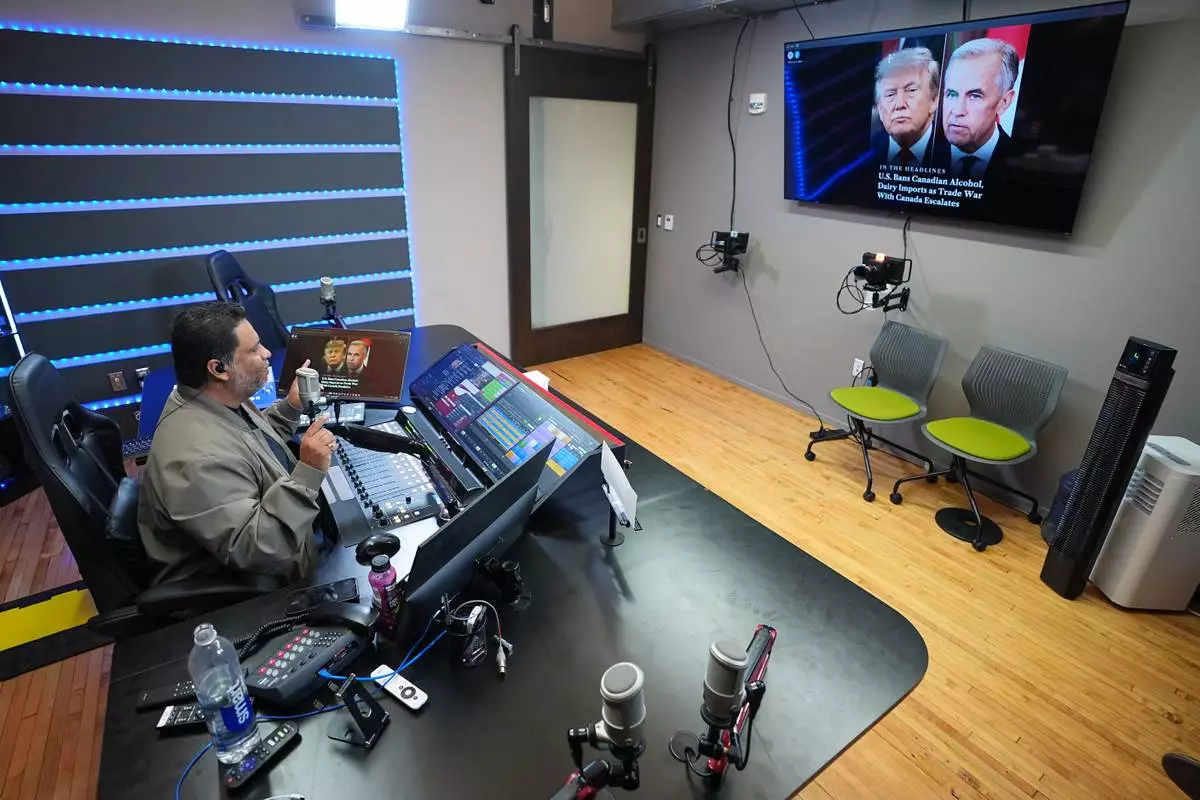
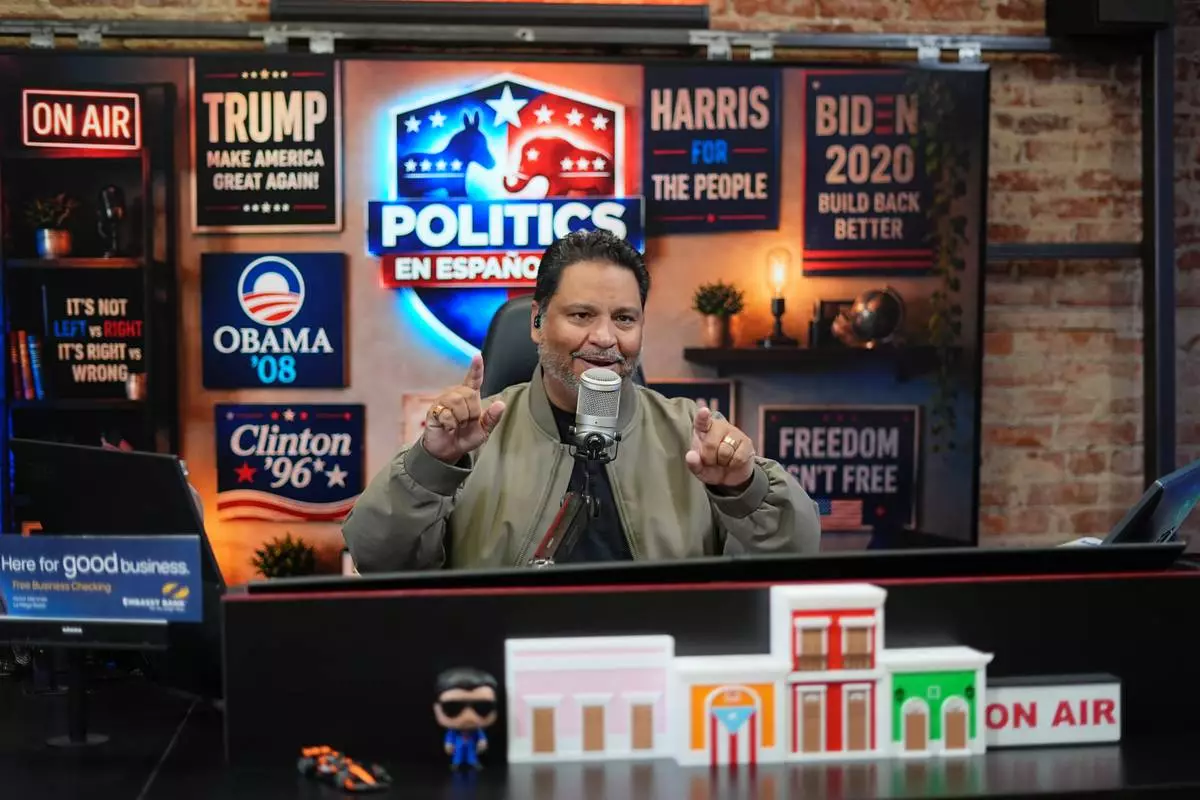
Martinez broadcasts from a fourth floor studio with hardwood floors and a view of an old church in downtown Allentown. He operates the show's control board like an orchestra conductor and sits in front of a poster with campaign signs for Democrats and Republicans.

The studio is located in Pennsylvania's 7th Congressional District, where freshman incumbent Ryan Mackenzie faces Democratic challenger Bob Brooks, a retired firefighter and union official, in one of the most closely watched races in the country.

Latinos are about a quarter of the district's population, and they were a key part of Trump's winning coalition two years ago.

Both candidates have organized Latino outreach efforts.

Brooks calls his “Bombero Bob” — Spanish for firefighter — and recently stopped by a Mexican restaurant and a barber shop with a Dominican flag hanging inside. Mackenzie's campaign has promoted support from Latino voters and officials, and the congressman opened a district office in downtown Allentown with Spanish-speaking staff.

Martinez is a longtime critic of the president, and this year is backing Brooks. But he said his political roots are in the Republican Party. He supported candidates like Marco Rubio and Jeb Bush, and he opposed Biden's decision to seek reelection because he was too old.

Martinez said he uses his show to keep people engaged with politics when some have despaired about the prospect of things getting better.

“I got a call yesterday from a guy that said that he was just not going to vote,” Martinez said. “I understand that feeling of frustration, but not doing nothing is not the answer.”

Republicans know Martinez's show is an avenue to reach voters, and they're buying advertising time on it.

Jackie Rivera, vice chair of Lehigh County Republicans, said the party wants to hold on to the support from Latino voters that Trump won over two years ago, and that means connecting with them on issues like “faith and family.”

Although Trump often brags about the economy under his leadership, she said her party wasn't making the same mistake as Democrats did before.

“We’re not pretending everything is great right now,” she said. “You have to be honest with them so that they can believe in you and actually trust in what you’re stating to them.”

Matt Tuerk, Allentown’s Democratic mayor, said this year’s election has the “same vibes” as two years ago, when Biden was trying to convince people that the economy was strong.

“People on the street were like, ‘Yeah, but my monthly childcare bill is higher and then my monthly mortgage, the price of groceries is ridiculously high,’” he said. “That’s the same story that you hear right now. There’s been no improvement.”

Claudia Parrales-DeLeon, a Democratic listener from Allentown, said Martinez’s show helps people feel connected as they pay more for gas and groceries and face Trump’s immigration crackdown.

“I don’t know if it makes people less afraid, as much as it makes people more informed,” she said.

She recalled listening one day when a particular caller's story brought tears to her eyes.

“This one gentleman who shared how he just lost his job, he can’t find work, doesn’t even know where he’s going to get his next meal for him and his children," she said.

Alberto Pena isn’t a regular listener to Martinez, but his concerns are similar. For nearly two decades, Pena and his wife have run a Dominican restaurant in Allentown, where the aroma of crispy pastelillos and savory rice fills the dining room.

He voted for Trump hoping he’d turn things around after high inflation under Biden. But they're still “living day by day,” and he's leaning toward Brooks this year.

“This is not what we expected,” he said. “The economy is completely on the ground."

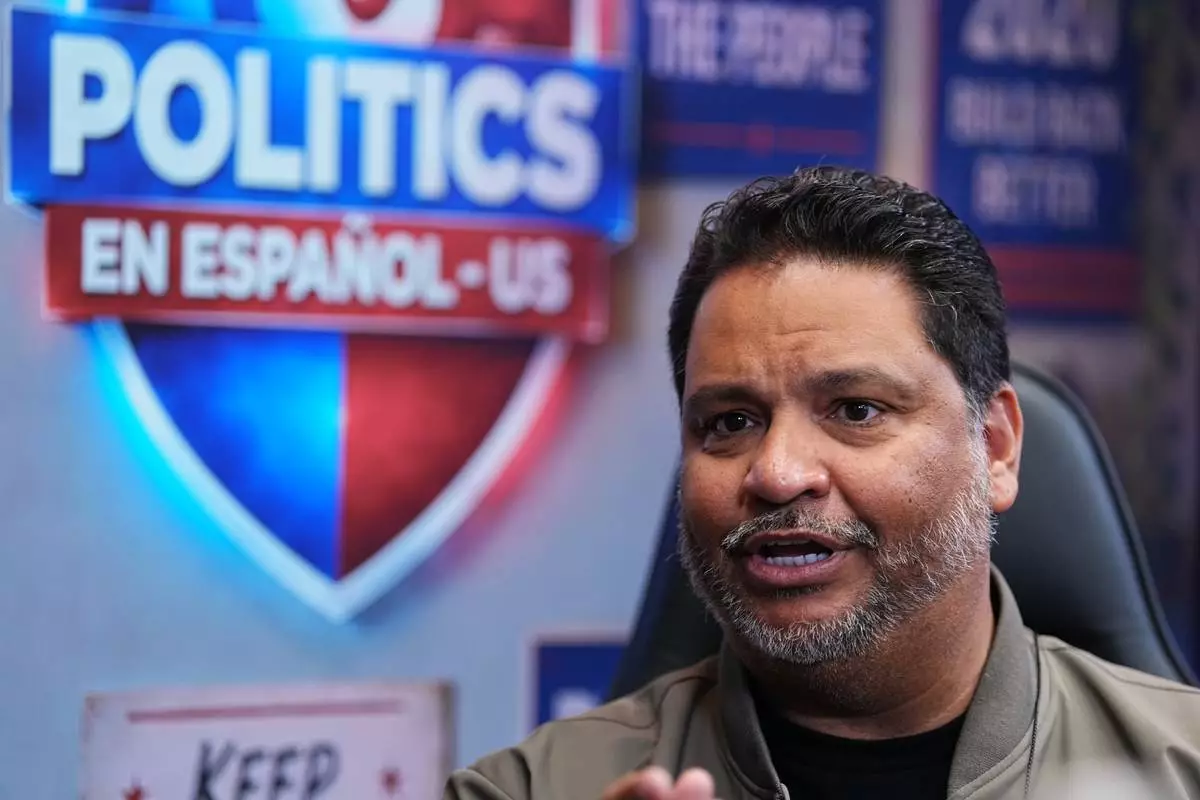
Victor Martinez, who runs La Mega 101.7, a Spanish-language radio station in Pennsylvania's Lehigh Valley, speaks during an interview after hosting a politics talk show from his studio in Allentown, Pa., Tuesday, Sept. 29, 2026. (AP Photo/Matt Rourke)

Victor Martinez, who runs La Mega 101.7, a Spanish-language radio station in Pennsylvania's Lehigh Valley, speaks during an interview after hosting a politics talk show from his studio in Allentown, Pa., Tuesday, Sept. 29, 2026. (AP Photo/Matt Rourke)

Victor Martinez, who runs La Mega 101.7, a Spanish-language radio station in Pennsylvania's Lehigh Valley, hosts a politics talk show from his studio in Allentown, Pa., Tuesday, Sept. 29, 2026. (AP Photo/Matt Rourke)

Victor Martinez, who runs La Mega 101.7, a Spanish-language radio station in Pennsylvania's Lehigh Valley, hosts a politics talk show from his studio in Allentown, Pa., Tuesday, Sept. 29, 2026. (AP Photo/Matt Rourke)

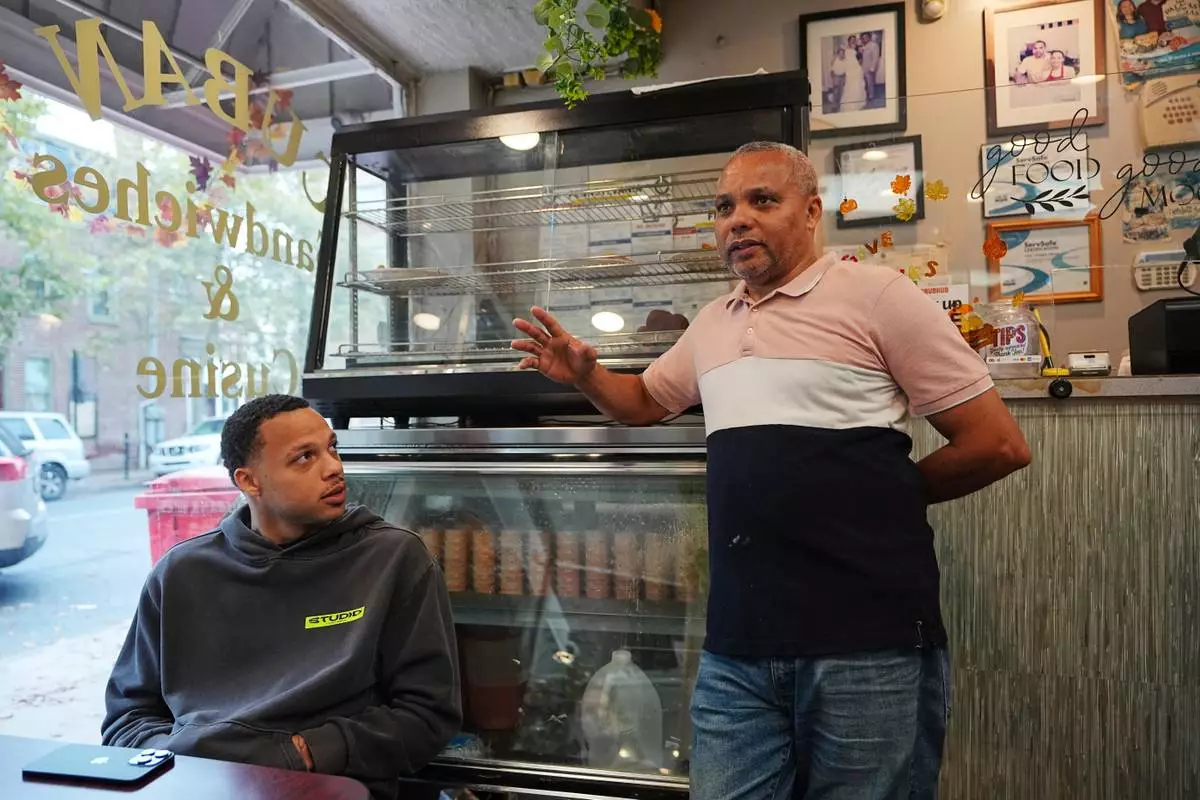
Alberto Pena who operates Las Palmas Restaurant that serves Dominican food, speaks as his son Miguel, looks on in Allentown, Pa., on Sept. 29, 2026. (AP Photo/Matt Rourke)

Alberto Pena who operates Las Palmas Restaurant that serves Dominican food, speaks as his son Miguel, looks on in Allentown, Pa., on Sept. 29, 2026. (AP Photo/Matt Rourke)

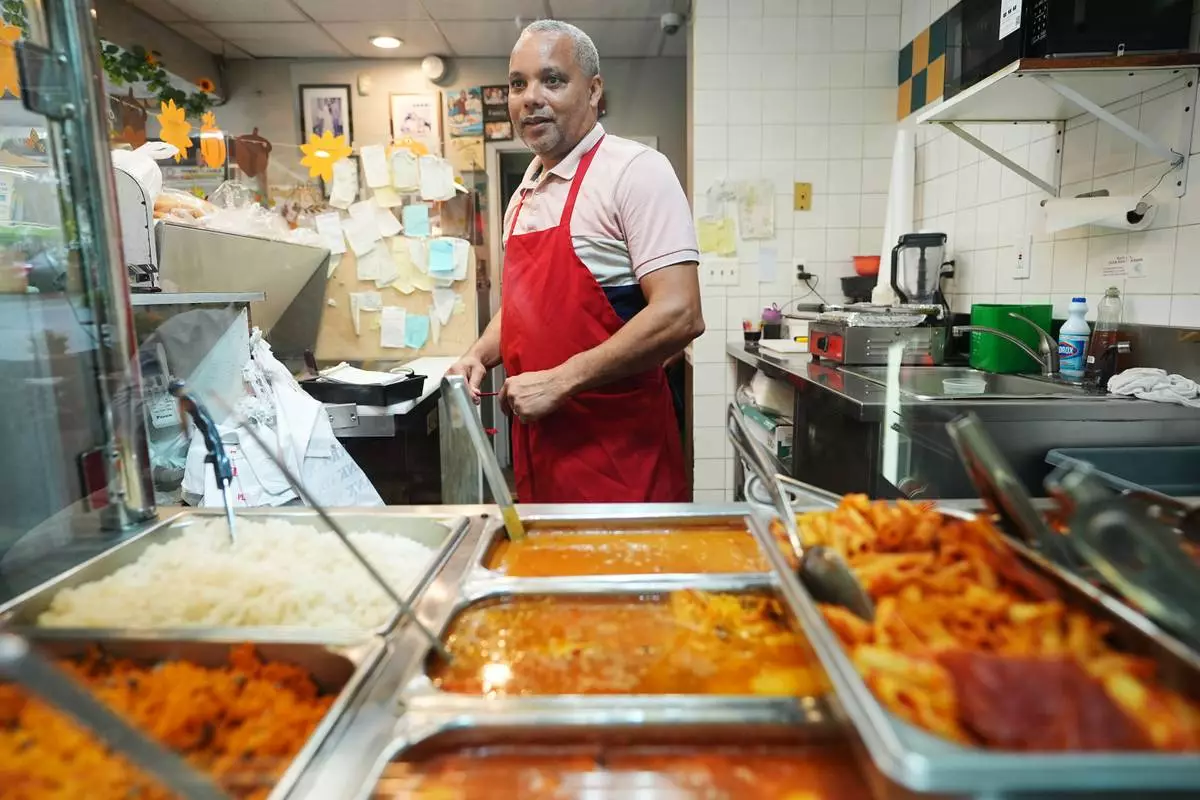
Alberto Pena who operates Las Palmas Restaurant that serves Dominican food, puts on his apron at the business he operates in Allentown, Pa., on Sept. 29, 2026. (AP Photo/Matt Rourke)

Alberto Pena who operates Las Palmas Restaurant that serves Dominican food, puts on his apron at the business he operates in Allentown, Pa., on Sept. 29, 2026. (AP Photo/Matt Rourke)

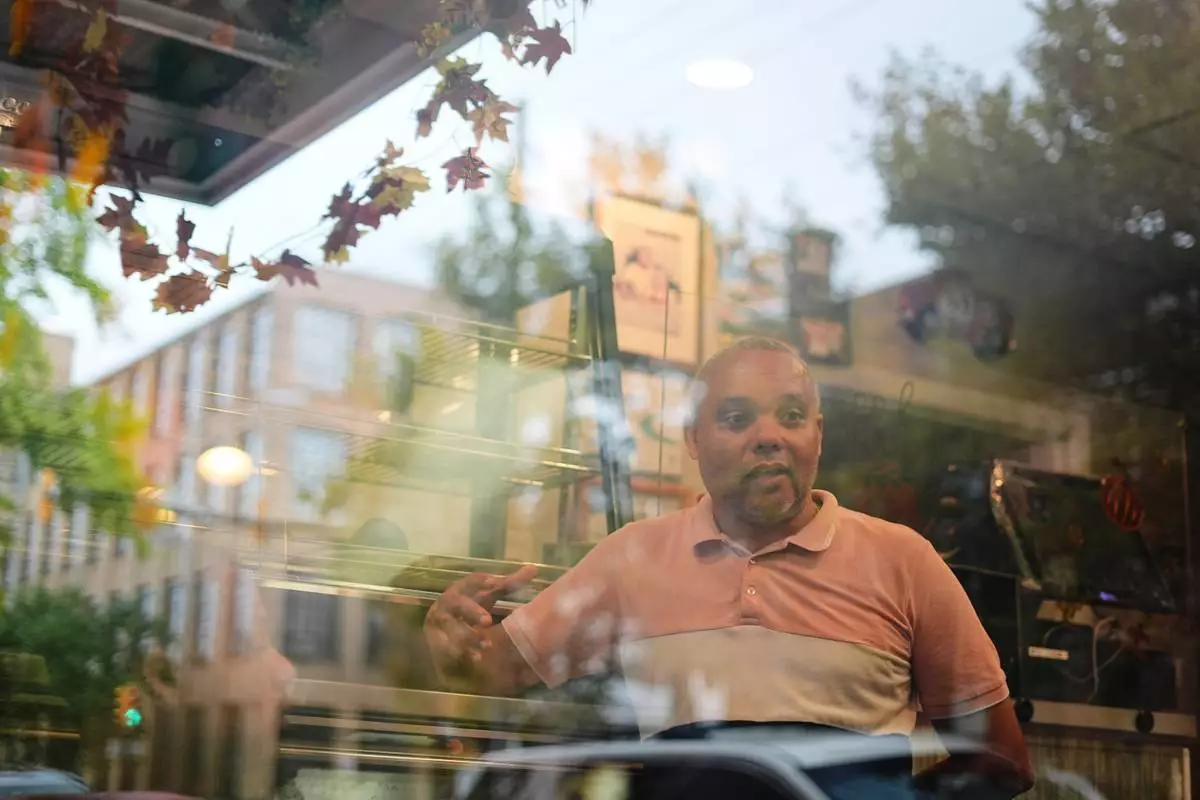
Alberto Pena who operates Las Palmas Restaurant that serves Dominican food, speaks during an interview in Allentown, Pa., on Sept. 29, 2026. (AP Photo/Matt Rourke)

Alberto Pena who operates Las Palmas Restaurant that serves Dominican food, speaks during an interview in Allentown, Pa., on Sept. 29, 2026. (AP Photo/Matt Rourke)

Victor Martinez, who runs La Mega 101.7, a Spanish-language radio station in Pennsylvania's Lehigh Valley, hosts a politics talk show from his studio in Allentown, Pa., on Sept. 29, 2026. (AP Photo/Matt Rourke)

Victor Martinez, who runs La Mega 101.7, a Spanish-language radio station in Pennsylvania's Lehigh Valley, hosts a politics talk show from his studio in Allentown, Pa., on Sept. 29, 2026. (AP Photo/Matt Rourke)

Recommended Articles