Ukrainian President Volodymyr Zelensky voiced support Monday for the "energy ceasefire" initiative announced by U.S. President Donald Trump, saying that the proposal creates a viable path toward halting attacks on energy infrastructure.
Trump announced an immediate "energy ceasefire" between Russia and Ukraine on Sunday.
"Effective immediately," Trump wrote on his Truth Social platform, adding that "both parties have agreed."
The declaration came just two days after Trump unveiled a diesel supply deal with Russia.
"If Russia does not agree to an energy ceasefire, we will respond," Zelensky said on Monday.
As part of a reciprocal exchange, Zelensky said, Ukraine would be willing to halt strikes on Russian diesel infrastructure if Ukrainian energy facilities receive security guarantees and are spared from Russian attacks.
On the same day, Ukraine's state-run energy company Naftogaz said that Russian forces launched a drone strike early Monday morning against natural gas production facilities in the Kharkiv region.
The airstrike damaged critical equipment, sparked a fire, and disrupted the normal operations of the facility. Emergency crews were dispatched to the site to carry out repairs, restore damaged systems, and handle the aftermath of the blaze, according to Naftogaz.
Russian authorities have not yet responded to the incident.
On Saturday, Trump said Russia was willing to reach a deal to end the conflict in Ukraine but accused Zelensky of resisting a negotiated settlement. He also called on Ukraine to hold an election and choose a new leader who could make a deal with Moscow.
In response to Trump's remarks, Kremlin Spokesman Dmitry Peskov said on Sunday that it is vital for Moscow to see political will within the Kiev regime to accept reality and advance a peaceful settlement to the conflict.
Zelensky responded on Sunday that he would call a vote if Russian President Vladimir Putin agreed to a 60-day ceasefire, and that it was "up to Ukrainians" to choose their leader. Presidential elections, originally due in 2024, have been postponed under martial law.
The dispute over the ceasefire comes as rising energy prices have become a growing political concern for Trump ahead of the U.S. midterm elections.
On Friday, Trump announced a deal with Putin under which Russia would supply diesel fuel to the United States and global markets. Trump described it as a necessary step to bring down soaring diesel prices, which he attributed largely to Ukrainian strikes on Russian energy infrastructure.
Zelensky rejected the suggestion that he was responsible for rising energy prices, saying that "everybody in the world" knew that the war in the Middle East was a bigger factor.
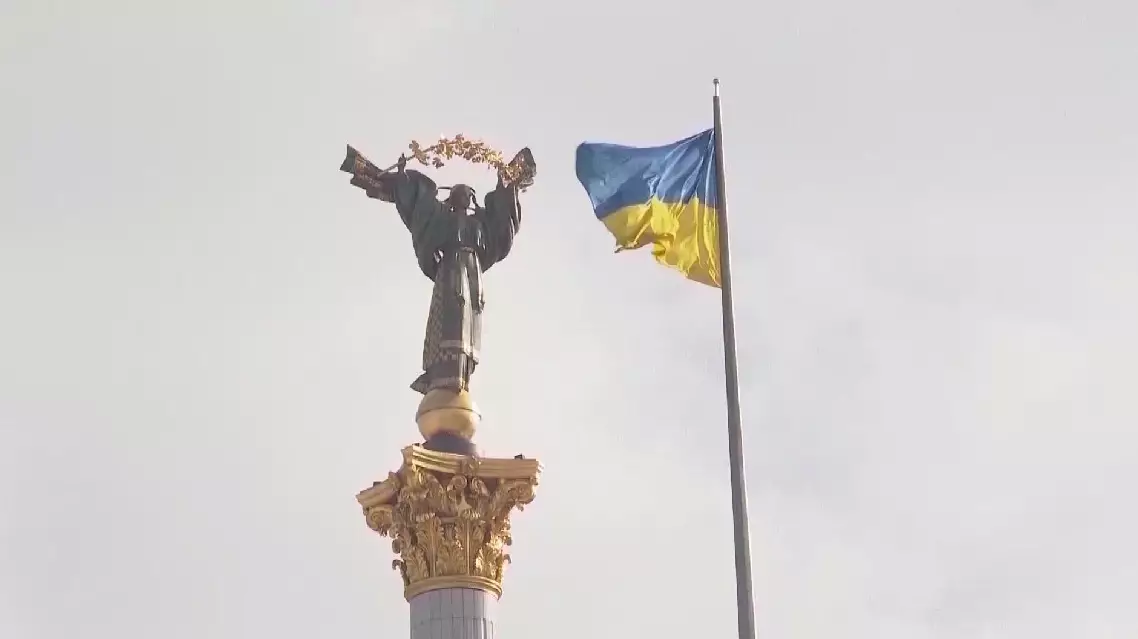
Ukraine says it backs U.S. 'energy ceasefire' initiative
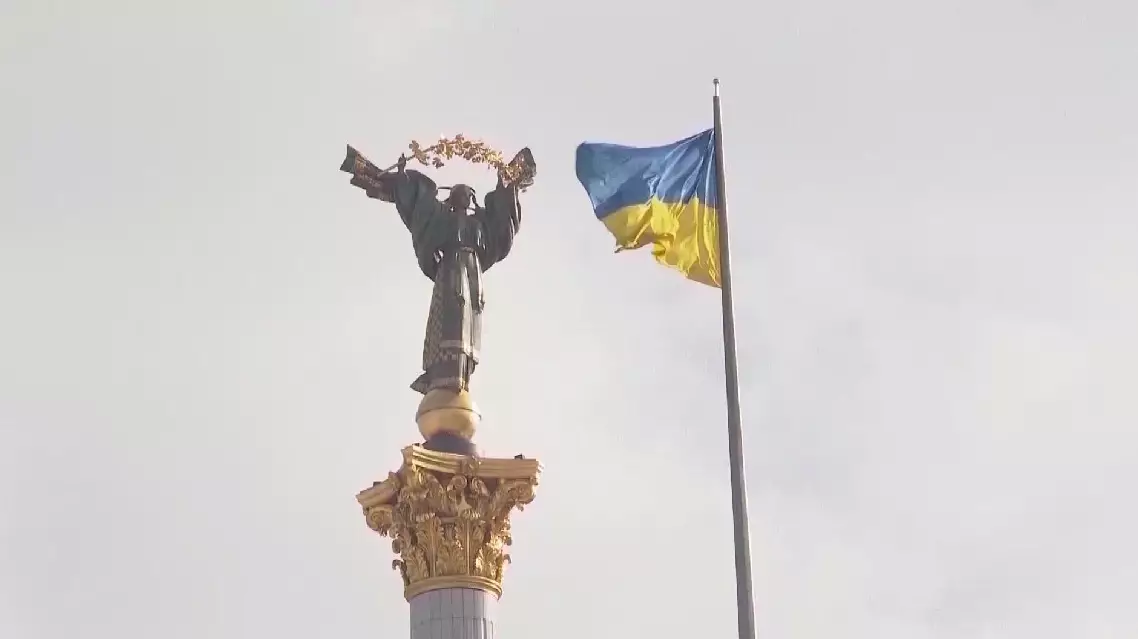
Ukraine says it backs U.S. 'energy ceasefire' initiative