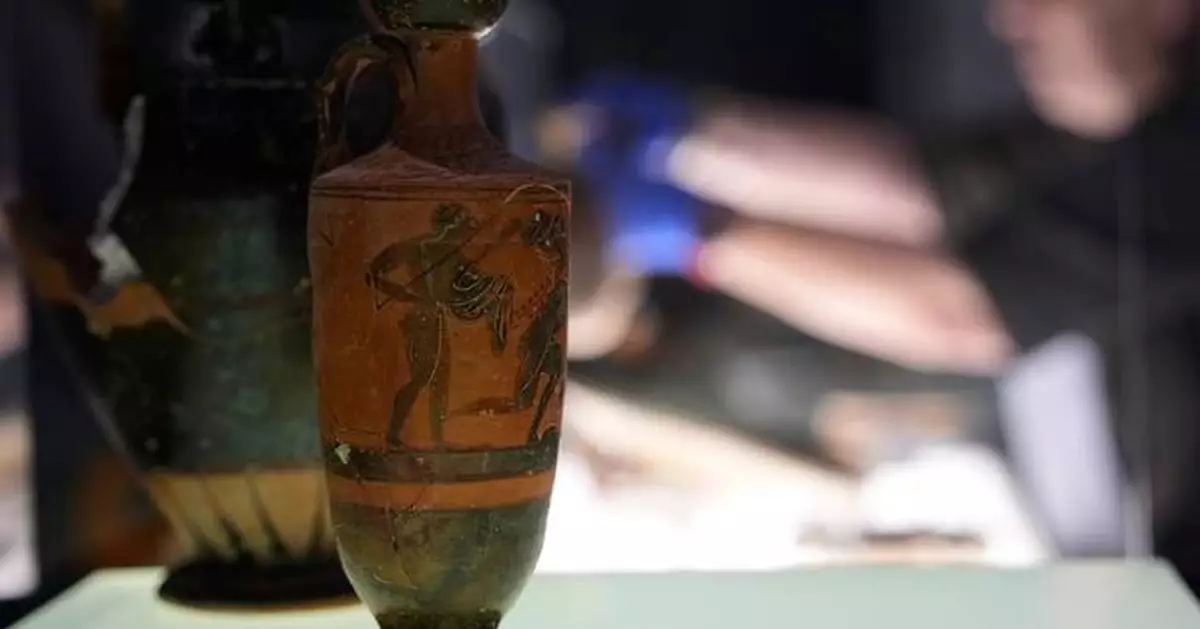
ATHENS, Greece (AP) — Israel on Tuesday returned 22 ancient artifacts that had been illegally removed from Greece, as Athens steps up an international repatriation campaign ultimately aimed at securing the return of sculptures taken from the Acropolis.
Culture Minister Lina Mendoni received the objects from the Israel Antiquities Authority and Amir Ganor, director of its theft prevention division, at a ceremony held at the National Archaeological Museum in Athens.
Click to Gallery
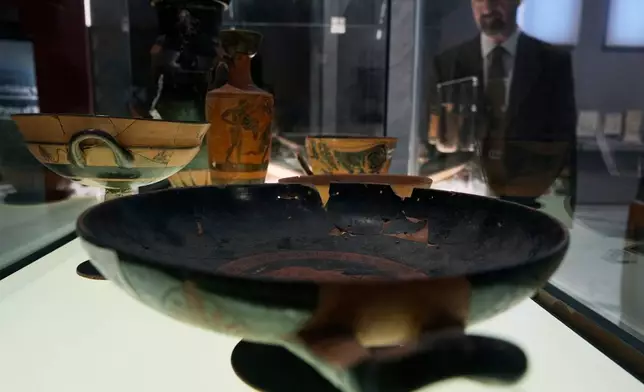
Greek antiquities dating to the 6th and 5th centuries B.C. are displayed during a repatriation ceremony at the National Archaeological Museum in Athens, Greece, Tuesday, Oct. 13, 2026, after 22 artifacts illegally removed from Greece were returned by Israel. (AP Photo/Thanassis Stavrakis)
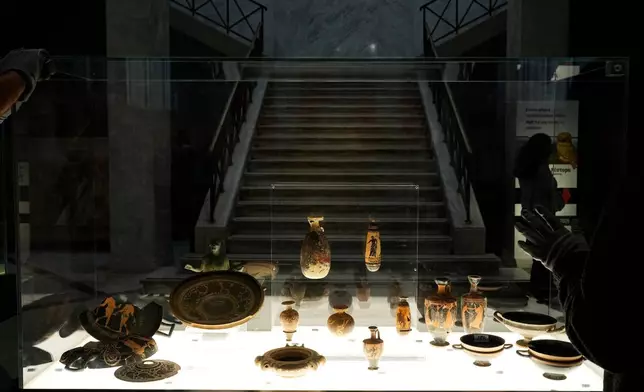
Greek antiquities dating to the 6th and 5th centuries B.C. are displayed during a repatriation ceremony at the National Archaeological Museum in Athens, Greece, Tuesday, Oct. 13, 2026, after 22 artifacts illegally removed from Greece were returned by Israel. (AP Photo/Thanassis Stavrakis)
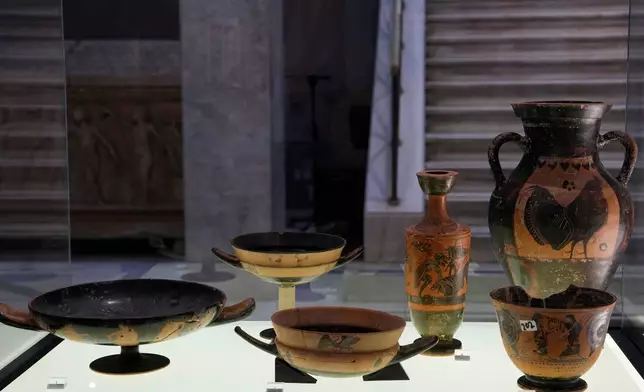
Greek antiquities dating to the 6th and 5th centuries B.C. are displayed during a repatriation ceremony at the National Archaeological Museum in Athens, Greece, Tuesday, Oct. 13, 2026, after 22 artifacts illegally removed from Greece were returned by Israel. (AP Photo/Thanassis Stavrakis)
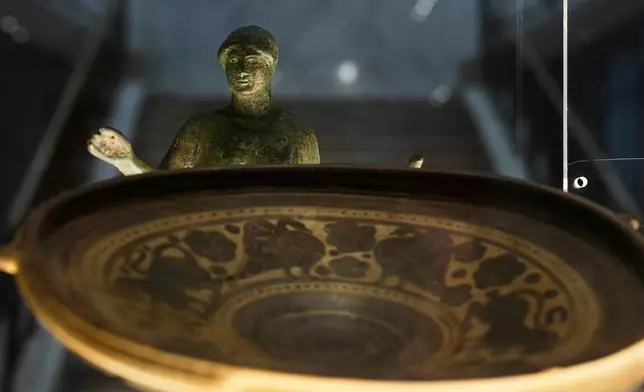
Greek antiquities dating to the 6th and 5th centuries B.C. are displayed during a repatriation ceremony at the National Archaeological Museum in Athens, Greece, Tuesday, Oct. 13, 2026, after 22 artifacts illegally removed from Greece were returned by Israel. (AP Photo/Thanassis Stavrakis)
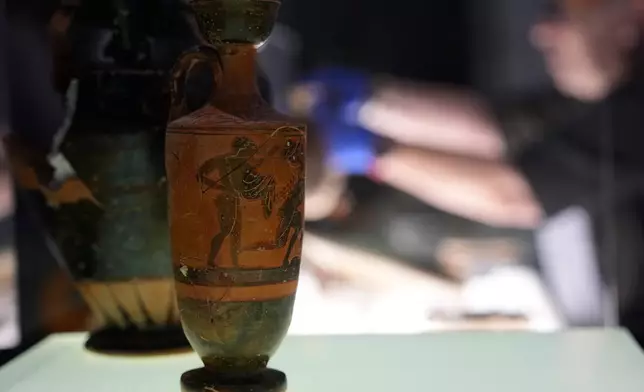
Greek antiquities dating to the 6th and 5th centuries B.C. are displayed during a repatriation ceremony at the National Archaeological Museum in Athens, Greece, Tuesday, Oct. 13, 2026, after 22 artifacts illegally removed from Greece were returned by Israel. (AP Photo/Thanassis Stavrakis)
“It is the first time that Israel has returned antiquities to Greece, marking the starting point of closer cooperation between the two countries for the protection of cultural heritage,” Mendoni said. “Every return of a cultural object to its place of origin has a broader symbolic and moral dimension.”
The collection includes a small bronze statuette of a woman and pottery comprising slender oil flasks, two-handled amphorae and drinking cups decorated with mythological scenes and geometric motifs. The objects are provisionally dated to between about 700 B.C. and 320 B.C.
Athens is broadening bilateral cultural ties as part of its campaign to secure the return of the Parthenon Marbles. The 2,500-year-old sculptures were removed from the Acropolis and are now displayed at the British Museum in London.
Greece, under its current conservative government, and Israel have strengthened energy and defense ties in recent years. In August, Israel signed a 3 billion euro (about $3.5 billion) deal to build an air defense system in Greece, dubbed Achilles Shield, in what was described as the largest defense deal between the two countries.
Greek and Israeli officials on Tuesday did not disclose how the artifacts were discovered in Israel or the circumstances of their illegal removal from Greece. In previous cases, antiquities returned from private collections abroad have often been traced to illicit excavations.
Pninat Yanay, the Israeli ambassador to Greece, said the items were recovered during an “investigation by the Israeli authorities into the illegal antiquities trade.”
She added: “In both Greece and Israel, archaeology has a special place in national life. It helps us understand where we came from and who we are.”
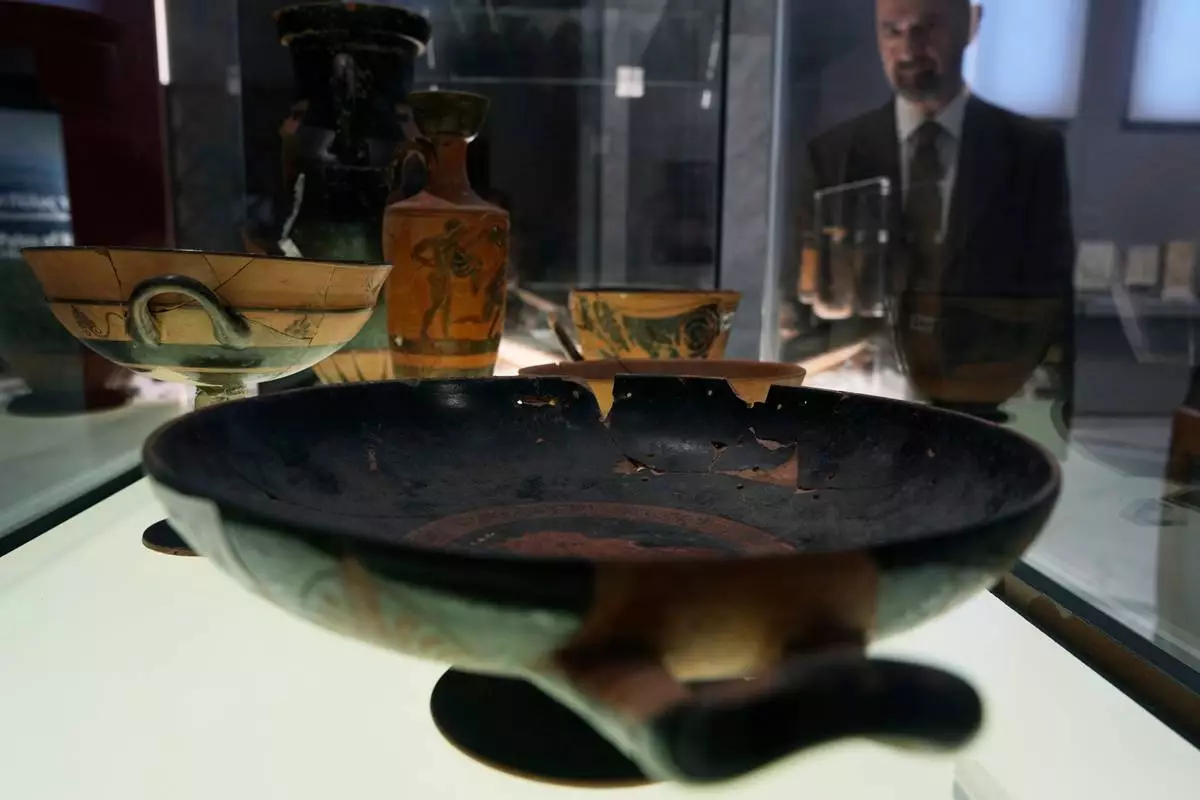
Greek antiquities dating to the 6th and 5th centuries B.C. are displayed during a repatriation ceremony at the National Archaeological Museum in Athens, Greece, Tuesday, Oct. 13, 2026, after 22 artifacts illegally removed from Greece were returned by Israel. (AP Photo/Thanassis Stavrakis)
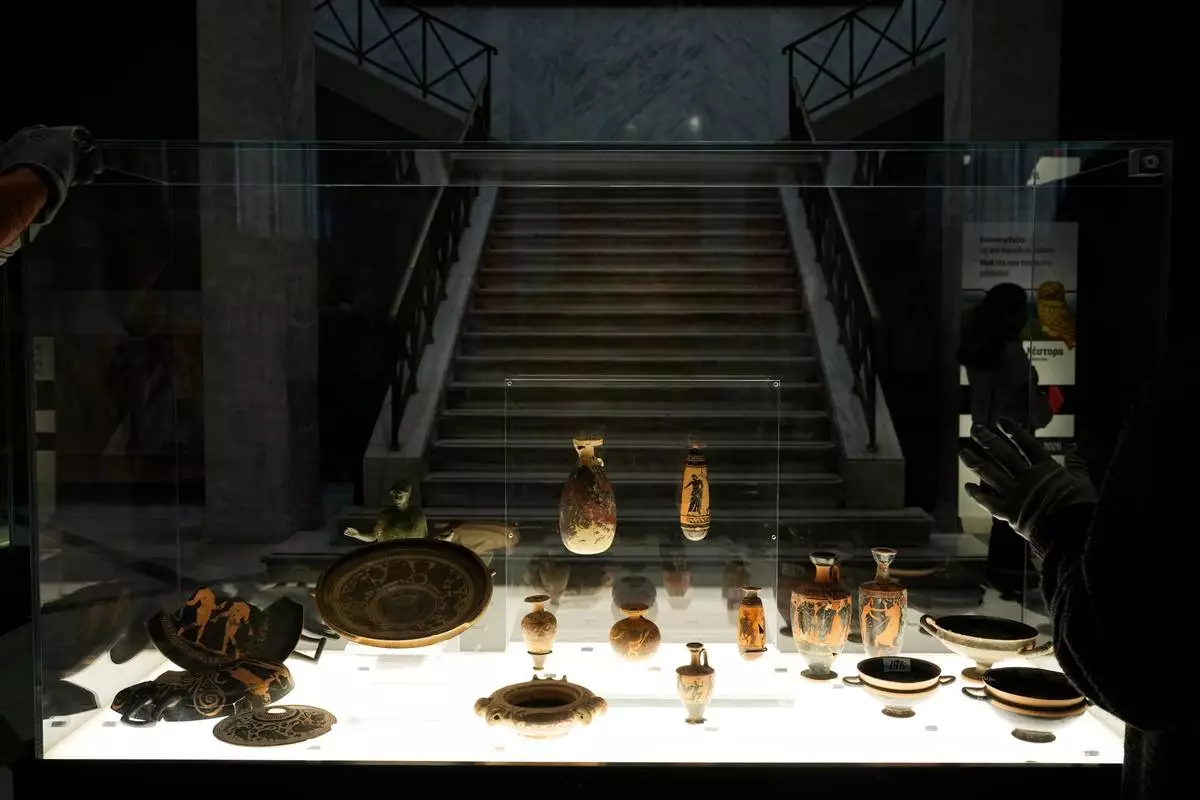
Greek antiquities dating to the 6th and 5th centuries B.C. are displayed during a repatriation ceremony at the National Archaeological Museum in Athens, Greece, Tuesday, Oct. 13, 2026, after 22 artifacts illegally removed from Greece were returned by Israel. (AP Photo/Thanassis Stavrakis)
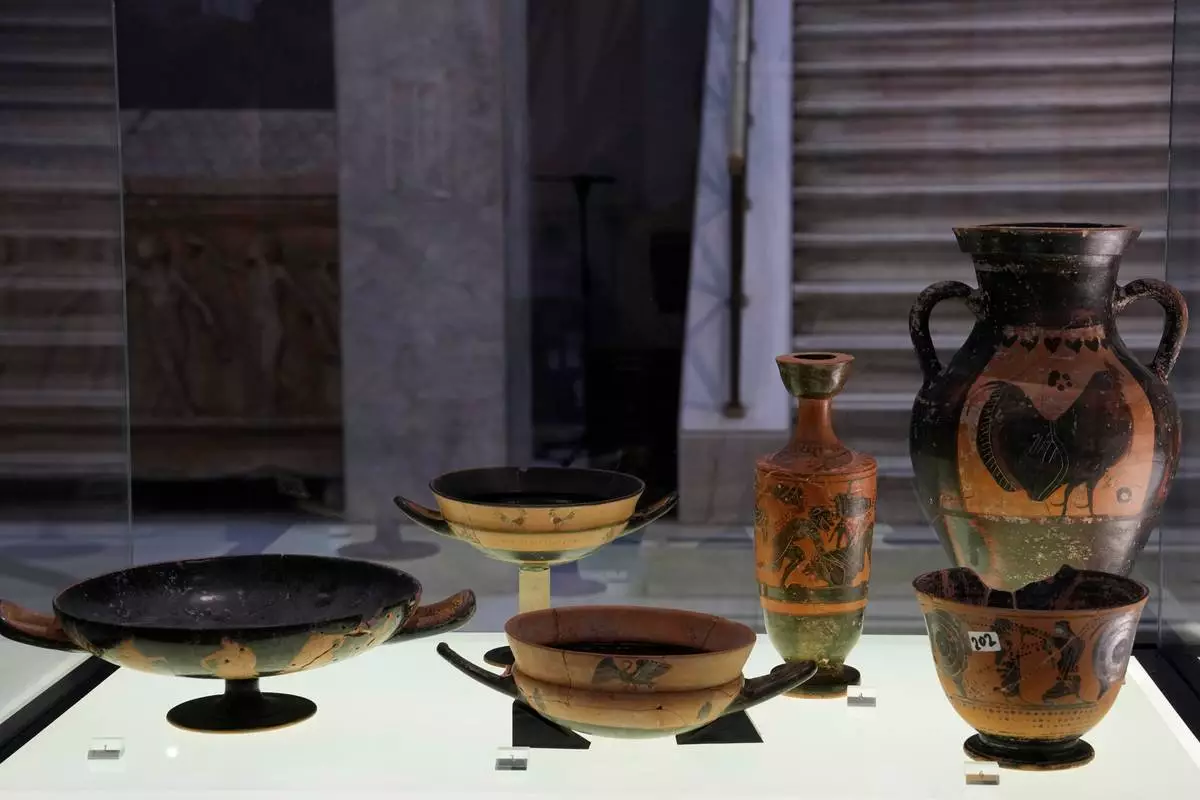
Greek antiquities dating to the 6th and 5th centuries B.C. are displayed during a repatriation ceremony at the National Archaeological Museum in Athens, Greece, Tuesday, Oct. 13, 2026, after 22 artifacts illegally removed from Greece were returned by Israel. (AP Photo/Thanassis Stavrakis)
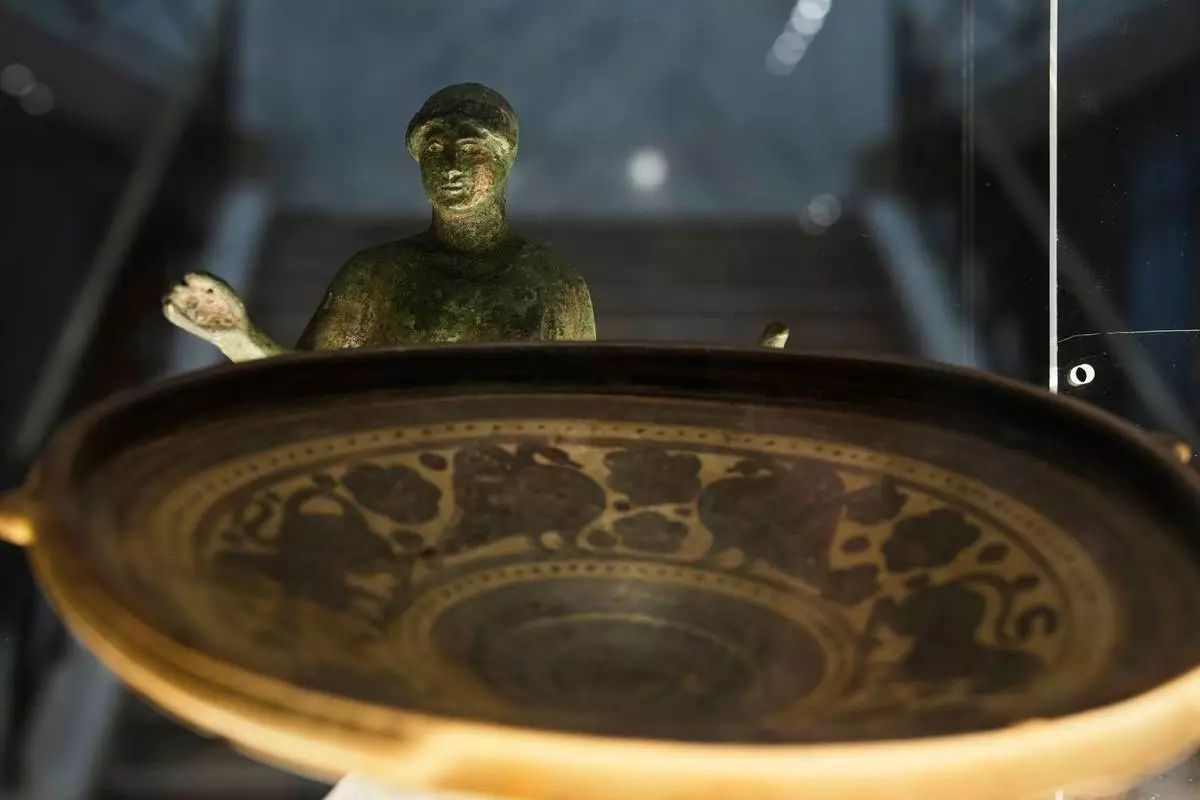
Greek antiquities dating to the 6th and 5th centuries B.C. are displayed during a repatriation ceremony at the National Archaeological Museum in Athens, Greece, Tuesday, Oct. 13, 2026, after 22 artifacts illegally removed from Greece were returned by Israel. (AP Photo/Thanassis Stavrakis)
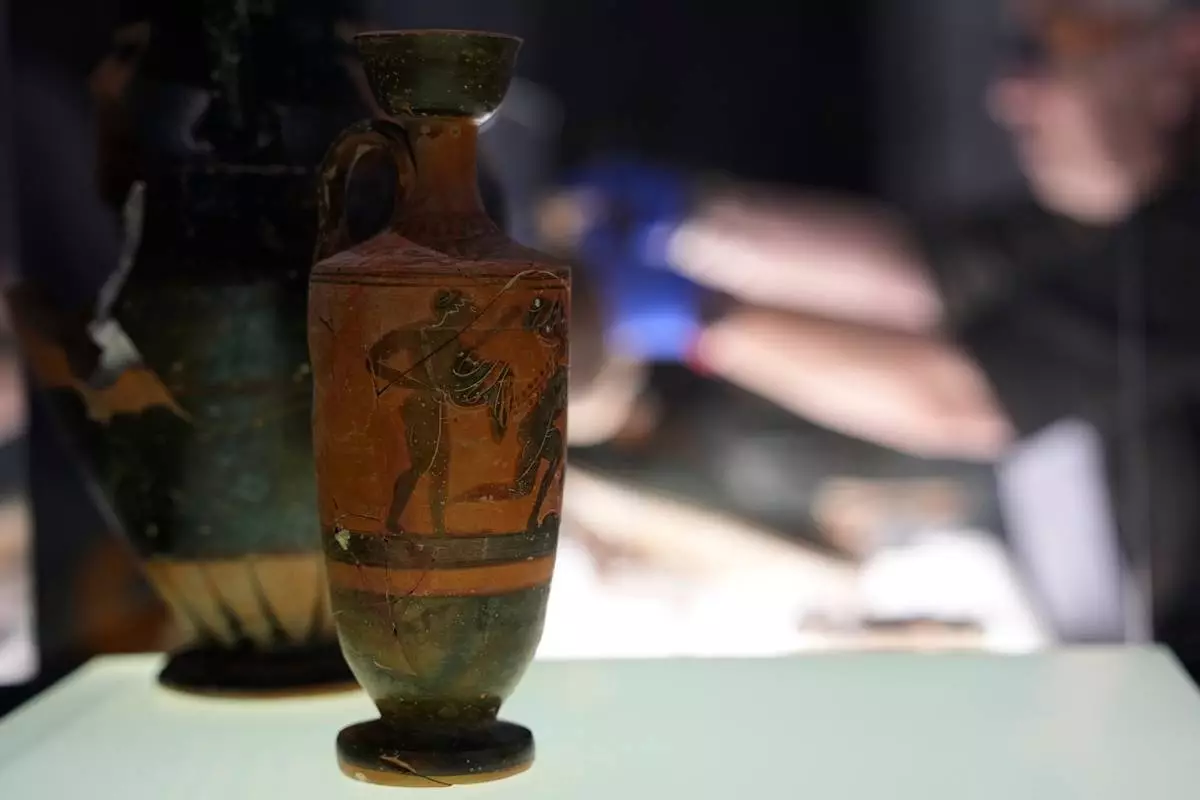
Greek antiquities dating to the 6th and 5th centuries B.C. are displayed during a repatriation ceremony at the National Archaeological Museum in Athens, Greece, Tuesday, Oct. 13, 2026, after 22 artifacts illegally removed from Greece were returned by Israel. (AP Photo/Thanassis Stavrakis)