Community workers in Beijing are striving to build a more harmonious and people-centered community by finding new ways to address residents' concerns and resolve everyday challenges more efficiently.
The efforts are a part of Beijing's "swift response to public complaints" initiative launched in 2019 which aims to provide the over 20 million people in the Chinese capital with a primary channel to voice their concerns through simply dialing the single hotline number of "12345".
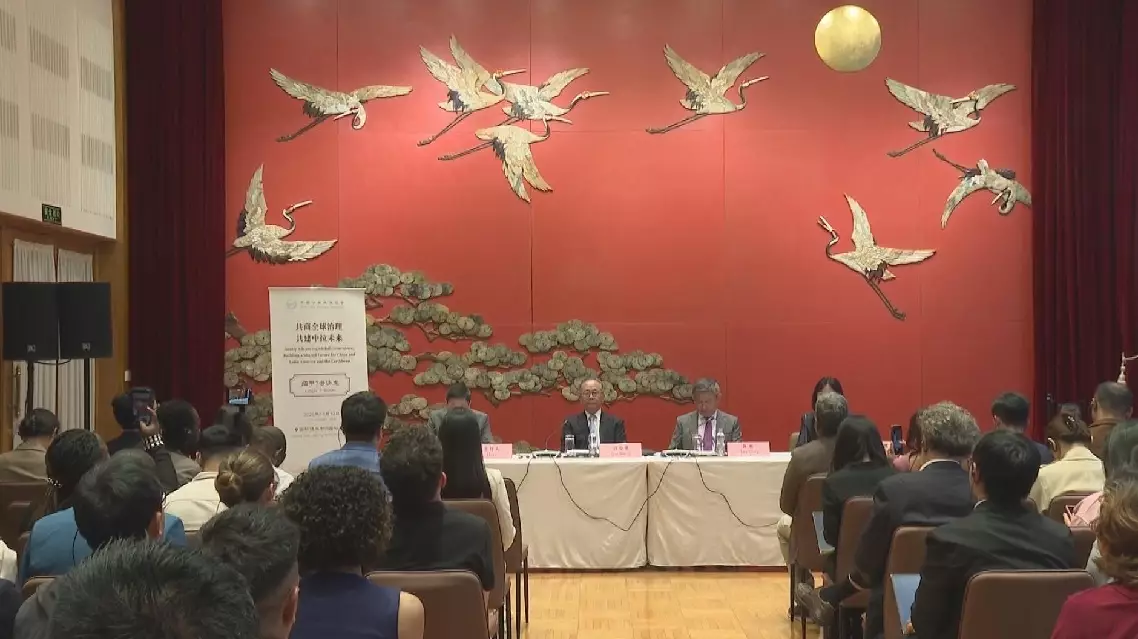
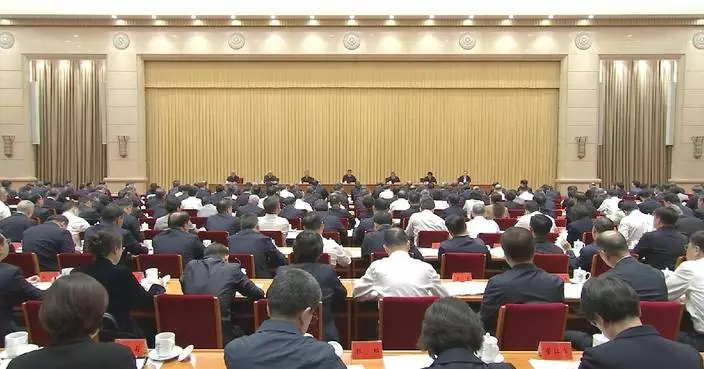
The progress made in the resolution of community requests has been highlighted at the two-day Beijing Forum on Swift Response to Public Complaints which concludes on Tuesday, after showcasing how the capital is advancing ways to respond to the needs of its people.
In Maizidian Street, a bustling subdistrict in the city's Chaoyang District, commercial areas interweave with residential compounds. The area is also home to a diverse international population which poses unique challenges for community governance.
"The Maizidian Subdistrict is one of the areas with a relatively large foreign population in Chaoyang District and Beijing as a whole. More than 5,000 foreign residents live here, and the Third Embassy Area is also located here. We have residents from more than 70 countries, so we pay particular attention to their needs and concerns," said Wu Xiaoman, secretary of the Maizidian Subdistrict Party Working Committee.
Wu said local community workers have developed innovative ways to serve and govern residents through using new technologies and bringing people together to discuss their most pressing needs.
"Many of our foreign friends have reached out to us, through the Swift Response to Public Complaints system. Since we launched the system, we have handled around 370,000 requests in total, with approximately 600 requests each month. In this process, we first sort through the various requests, categorize them, and address them accordingly. We also develop a list of services to improve our governance," she said.
Wu explained how the core strategy to helping the community has developed from the understanding that providing the best service is the best form of governance.This draws on the subdistrict's original 'three questions' concept first introduced in 2012 which helped shaped Beijing's approach to consultation and collaborative governance involving the Party, the government, and the public.
"As new technologies, new ideas, and people's evolving needs have emerged, we have developed the new 'three questions.' We ask about the emotional needs behind residents' concerns. We ask how new technologies, such as the internet and AI, can help us govern more intelligently. We ask what grassroots approaches to governance residents can offer. And finally, we ask whether residents recognize the results of our governance," she said.
The community-level advancements seen in the Maizidian subdistrict serve as an example of Beijing's "swift response to public complaints" initiative in action, with official data showing the Chinese capital has handled around 200 million public appeals in just over seven years, while resolution and satisfaction rates have both exceeded 97 percent.
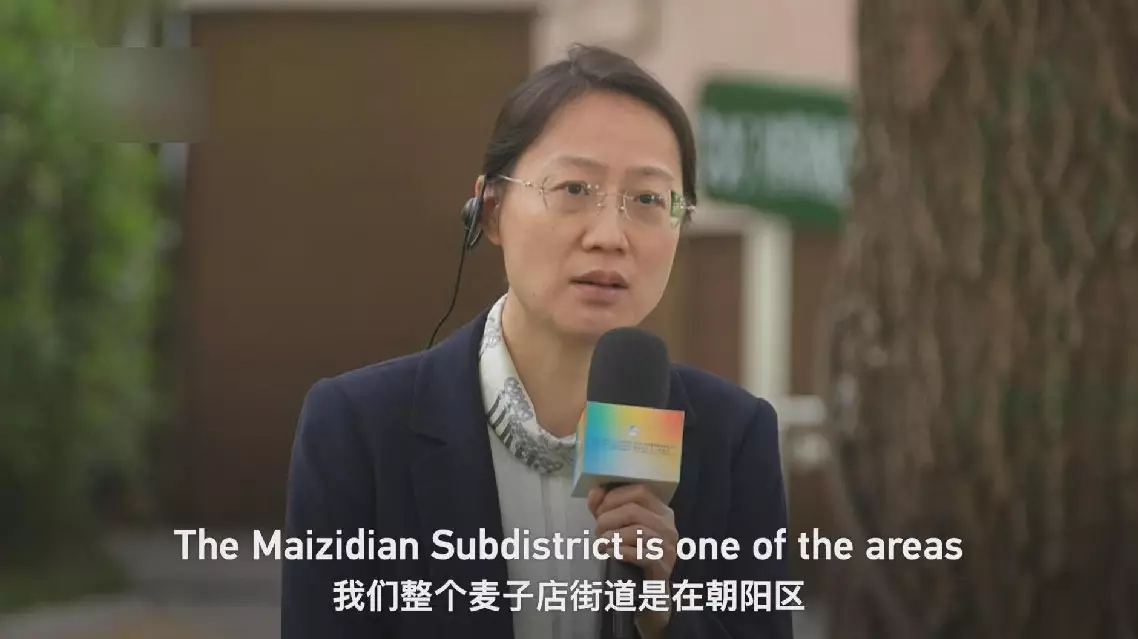
Beijing community workers employ innovative approaches to better meet needs of foreign residents