DELLONA, Wis. (AP) — Six people, including one child, died Tuesday night in a plane crash in Wisconsin after the pilot reported that ice was building up on the wings as he flew through a thunderstorm, according to authorities.
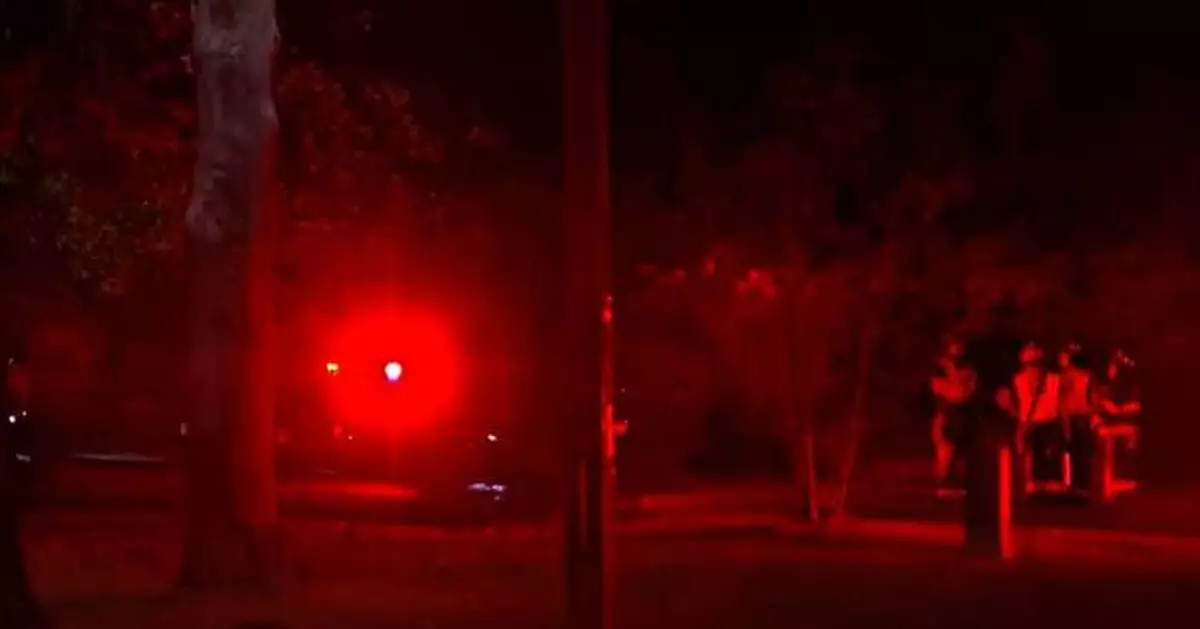
The six-seat, single-engine plane was traveling from Kenosha to Menomonie when it crashed shortly before 10 p.m. in a wooded area near Mirror Lake State Park, not far from the popular tourist destination of Wisconsin Dells, the Sauk County Sheriff’s Department said. Rain was falling as a thunderstorm moved through the Town of Dellona.
The National Transportation Safety Board said the pilot told an air traffic controller about icing on the wings of the Piper PA-46 as it flew at 24,000 feet (7,315 meters) and requested permission to descend. Ice buildup on the wings is a major aviation hazard because even a thin layer of ice can make it difficult for a plane to remain airborne.
Air traffic control approved the descent, and the plane began a right descending turn that increased in rate until communications and data tracking were lost, the NTSB said.
The Sauk County Sheriff’s Department said it received multiple reports of a downed aircraft. No structures were damaged, and no one on the ground was injured, authorities said. The names of the five adults and one child who died aboard the plane were not immediately released.
The NTSB will lead the investigation into the crash, which happened about 10 miles (16 kilometers) west of Wisconsin Dells. The city bills itself as the “Waterpark Capital of the World” because of its high concentration of waterparks. The area drew more than 5 million visitors in 2025, according to state tourism officials.
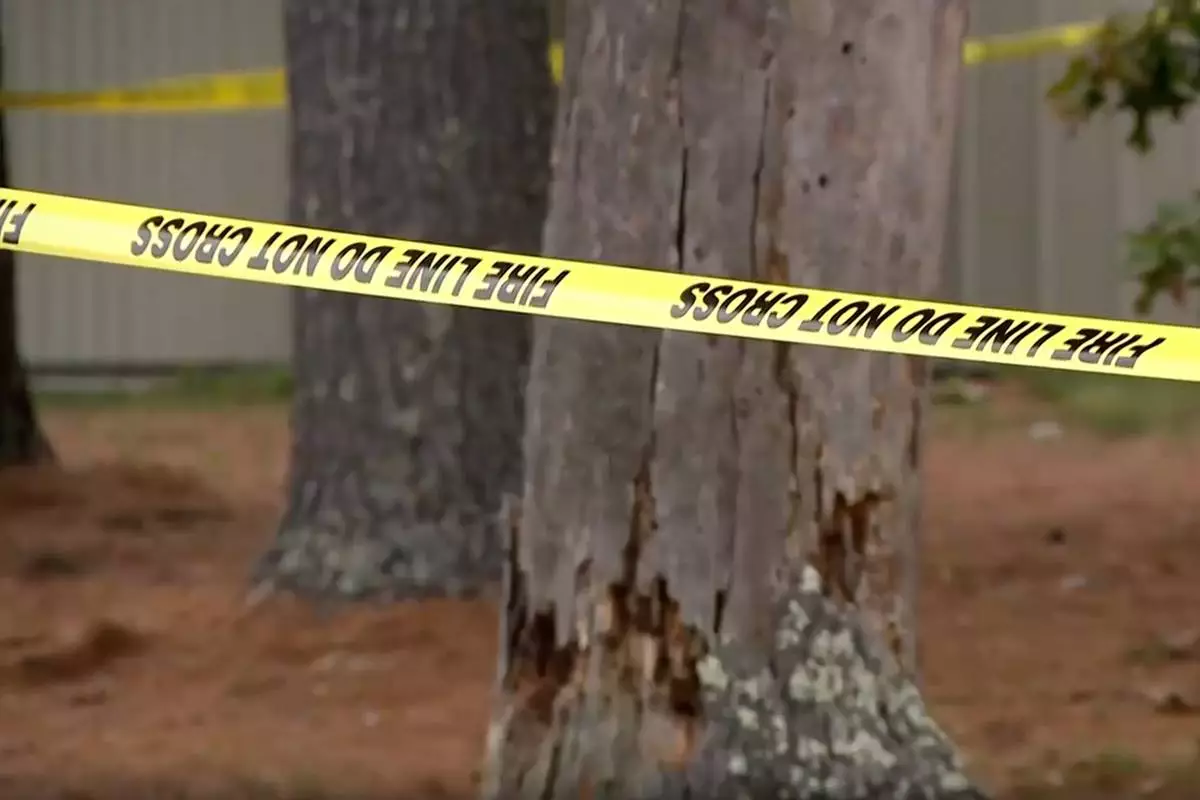
In this image taken from WISN video the wooded area around a fatal plane crash is cordoned off Wednesday, Oct. 14, 2026, near Mirror Lake State Park, Wis. (WISN via AP)
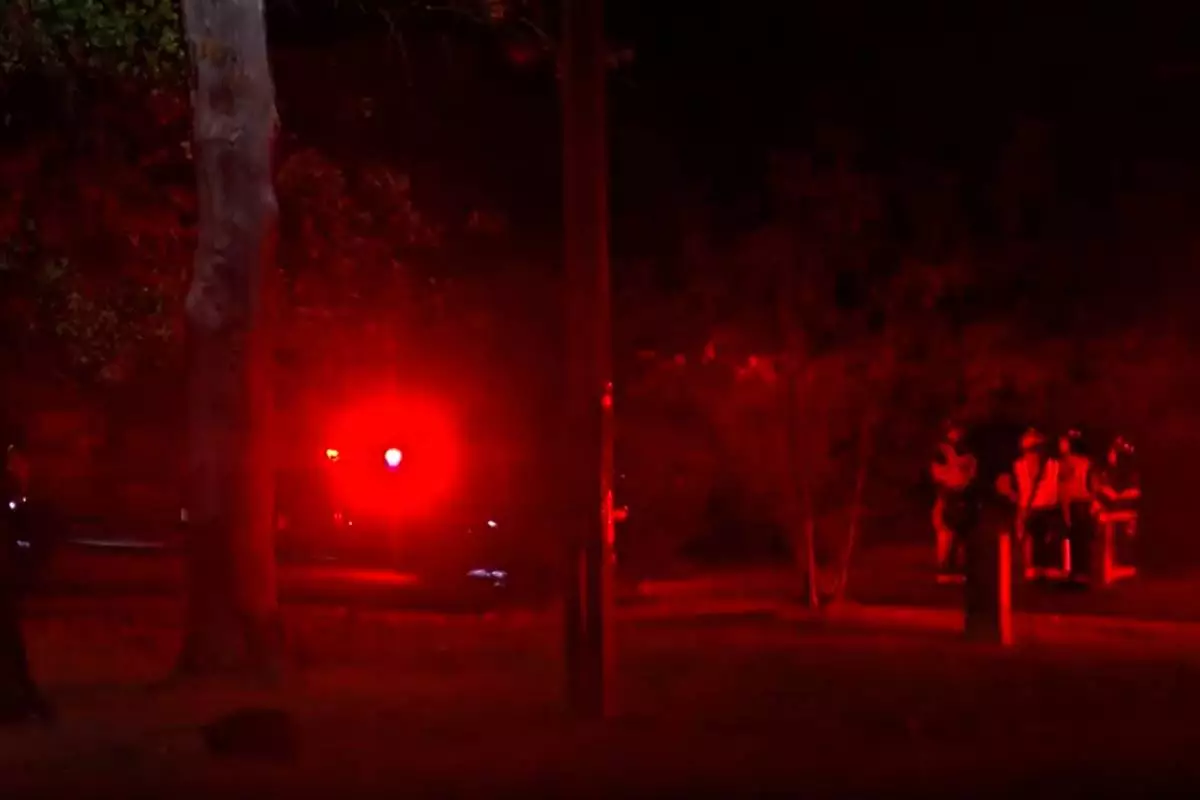
This image taken from WKOW video shows first responders at the scene of a fatal plane crash Tuesday, Oct. 13, 2026, in a wooded area near Mirror Lake State Park in the Town of Dellona, Wis. (WKOW via AP)
ROME (AP) — Pope Leo XIV resumed his regular diet, began walking and celebrated Mass in the hospital Wednesday as he recovered from surgery to remove a cancerous mass from his lung, the Vatican said. Questions remained about whether the cancer had spread, while Peru’s president suggested Leo might have to alter his planned visit to Latin America next month.
Blood tests and a chest X-ray showed the 71-year-old pope was recovering normally, his two doctors said.
“The Holy Father underwent respiratory physiotherapy and has begun walking in his room. He resumed his regular diet and had breakfast and lunch,” said Dr. Luigi Carbone, the pope’s personal doctor, and Dr. Stefano Margaritora, the head thoracic surgeon at Gemelli hospital. “Recovery is proceeding as planned.”
Tuesday’s surgery confirmed that Leo has lung adenocarcinoma, the most common type of lung cancer. Surgeons removed the lower lobe of his right lung.
The right lung has three lobes and the left has two. After one lobe is removed, the remaining lung tissue can gradually compensate, especially in otherwise healthy, physically active people. Leo is known for his interest in sports, including weekly tennis games and swimming.
The Vatican said late Wednesday that the pope had celebrated Mass with his secretaries in the afternoon in a special chapel set up for him on the 10th floor of the hospital.
Experts said some of Leo’s lymph nodes would also have been removed and tested to determine whether the cancer had spread. Those results have not so far been made public.
If the cancer has spread, test results will guide treatment, said Dr. Stephen Liu, a lung cancer expert at Georgetown’s Lombardi Comprehensive Cancer Center. Options include chemotherapy, a combination of chemotherapy and immunotherapy, or targeted therapy, which uses pills to treat cancers with specific characteristics.
Liu, who is not involved in the pope’s care, said that, of the different types of lung cancers, adenocarcinoma has the most favorable prognosis.
“While we know the diagnosis, we now need to know the stage,” Liu said. “We now need to know how big it is, how many spots in the lung are involved. Is it just one nodule, or more than one, and the lymph nodes, are they cancerous?”
Dr. PierCarlo Gentile, head of radiation oncology at Rome’s San Pietro Fatebenefratelli Hospital, said the minimally invasive, video-assisted chest surgery the pope underwent typically requires 15 to 20 days of recovery. Postoperative complications, including infections, are rare, he said.
The Vatican hasn't announced any changes to Leo’s planned trip to Uruguay, Argentina and Peru on Nov. 6-17.
But Peruvian President Keiko Fujimori said Wednesday that the pope's diagnosis and recovery could affect the visit, even as she expressed hope it would go ahead. Leo spent two decades as a missionary in Peru, holds Peruvian citizenship and is beloved by his flock there.
“We understand that this recovery will take several weeks, longer than expected,” Fujimori told reporters. “We also understand that there could be some changes to the schedule of his visit.”
The ambitious itinerary for the longest trip of his papacy covers just over 31,000 kilometers (19,000 miles), with a dozen flights and two helicopter rides across the three countries, as well as a significant change in altitude in Peru.
Fujimori said millions of Peruvians were praying for the pontiff’s recovery and awaiting further announcements from the Vatican.
“We hope his recovery will be swift and that his visit can go ahead, but we will also understand if that is not possible,” she said. “What matters most is that His Holiness regains his health.”
Oncology surgeons often advise patients not to fly for three weeks after surgery.
“If it is Stage 1, he can complete these trips. If more treatment is needed, I would likely advise against the trips,” said Liu.
The pontiff has offered a rare degree of transparency about the first publicly disclosed major health problem of his 17-month papacy.
He revealed the discovery of a nodule, or growth, on his lung during his Sunday noon prayer, announcing it on live television. But Leo did not disclose everything he knew Sunday.
Tuesday’s medical bulletin said preoperative tests had led doctors to suspect cancer, which surgery confirmed. Leo did not use the word cancer in his announcement, though he described the nodule as being at an “early stage” and “circumscribed.”
The Vatican has now said that those tests included a robotic bronchoscopic biopsy, known as an ION broncoscopy, meaning doctors had already taken tissue samples to assess whether the mass was cancerous.
The procedure requires general anesthesia and must be performed in a hospital equipped with one of the advanced machines, said Dr. Lorenzo Spaggiari, chief thoracic surgeon at the European Institute of Oncology in Milan. He said Gemelli hospital had had one for about a year.
The Vatican did not say when Leo underwent the diagnostic tests, which also included a chest CT scan with contrast and a PET scan.
A PET scan can be used to make sure that the disease has not traveled to other places in the body, said Dr. Brendon Stiles, chief of surgical oncology at Montefiore Einstein in New York. Between the scan and the biopsy, Stiles said, “we can be hopefully reassured that this should be a stage-one cancer.”
The Vatican has long been secretive about the health of popes and tightly controlled any such information — a practice encapsulated in the popular Italian saying, “ The pope is fine until he’s dead.”
St. John XXIII died in 1963, nearly a year after doctors diagnosed stomach cancer that was kept hidden at the time. St. John Paul II died in 2005 after suffering for years from the obvious effects of Parkinson's disease that the Vatican only confirmed after he died.
Pope Francis seemed more up front about his health problems, giving an Argentine doctor a tell-all interview for a book about his physical and mental health. But in the end Francis, too, tightly controlled the information that was released in his dying months.
As a result, Leo's decision to announce himself that he had a nodule and was undergoing surgery was significant.
“That was truly a revolution. It was like he was reading a medical bulletin himself,” said Giovanni Maria Vian, a church historian and the former editor-in-chief of the Vatican newspaper L’Osservatore Romano.
Vian, who was part of the Vatican communications team from 2007 to 2018, said the Vatican's obsession with secrecy was due to both practical and cultural considerations. He noted the Vatican is a 2,000-year-old institution that is culturally European — and Europeans tend to be more guarded about health problems than people in the United States.
Barry reported from Milan. Associated Press video producer Paolo Santalucia in Rome and Associated Press writer Lauran Neergaard in Washington contributed to this report.
Associated Press religion coverage receives support through the AP’s collaboration with The Conversation US, with funding from Lilly Endowment Inc. The AP is solely responsible for this content.
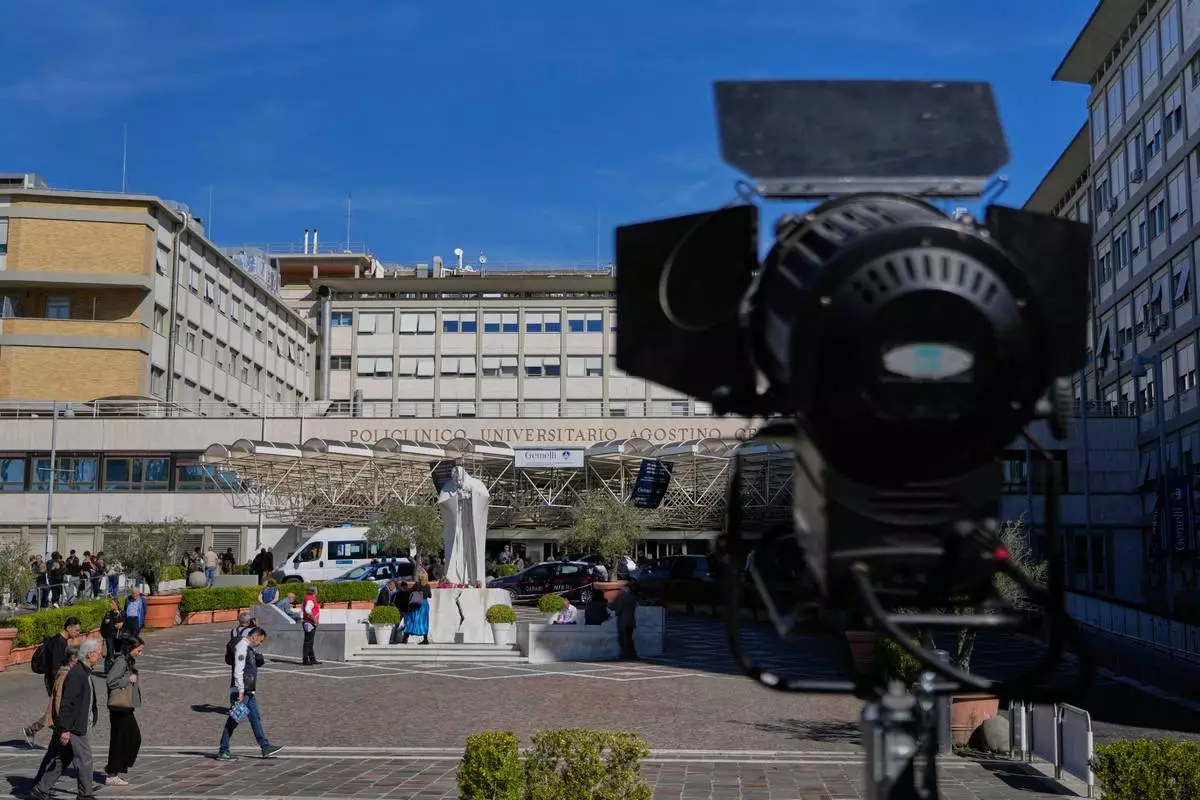
A television light is pointed towards the Agostino Gemelli Polyclinic, where Pope Leo XIV is hospitalized after undergoing a surgery, in Rome, Wednesday, Oct. 14, 2026. (AP Photo/Gregorio Borgia)
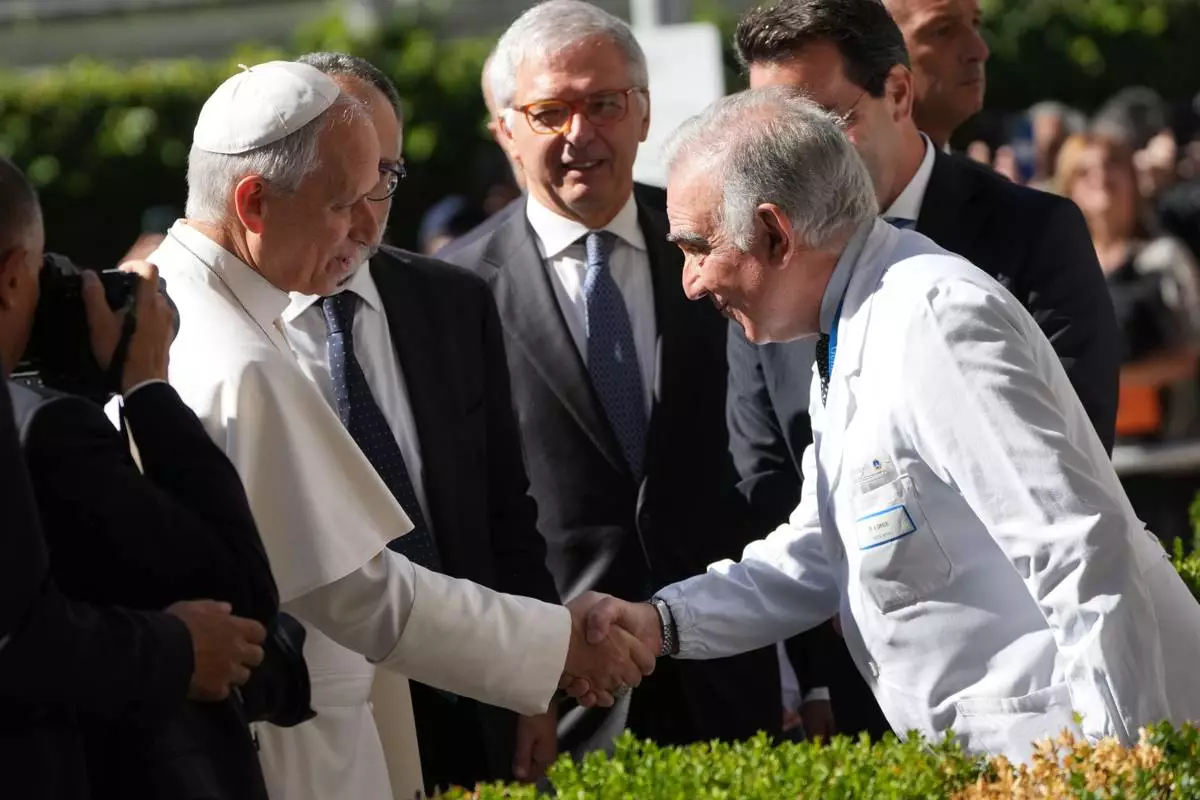
Medical Director Andrea Cambieri, right, receives Pope Leo XIV as he arrives at the Agostino Gemelli Polyclinic in Rome, Tuesday, Oct. 13, 2026, where he's expected to be operated to remove a lung nodule. (AP Photo/Gregorio Borgia)
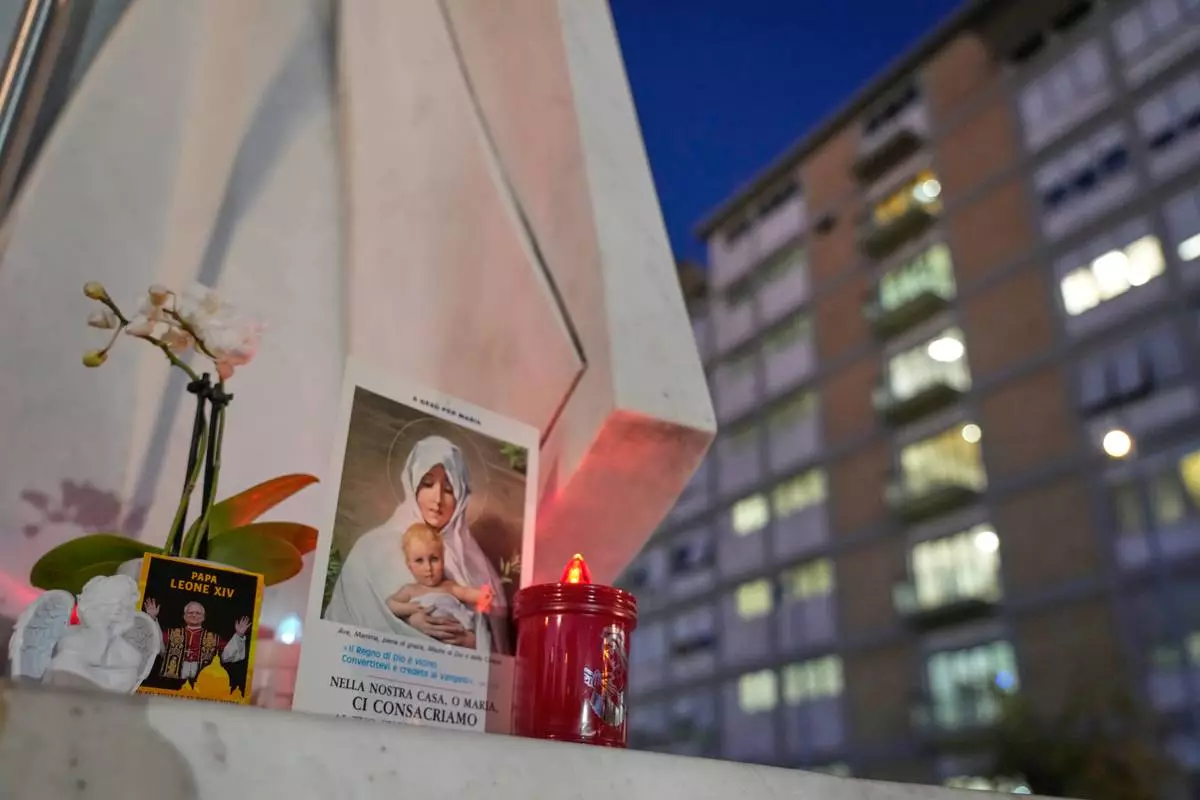
An image of Pope Leo XIV rests at the base of a statue of the late Pope John Paul II outside the Agostino Gemelli Polyclinic, where Leo is hospitalized for surgery to remove a lung nodule, in Rome, Tuesday, Oct. 13, 2026. (AP Photo/Gregorio Borgia)