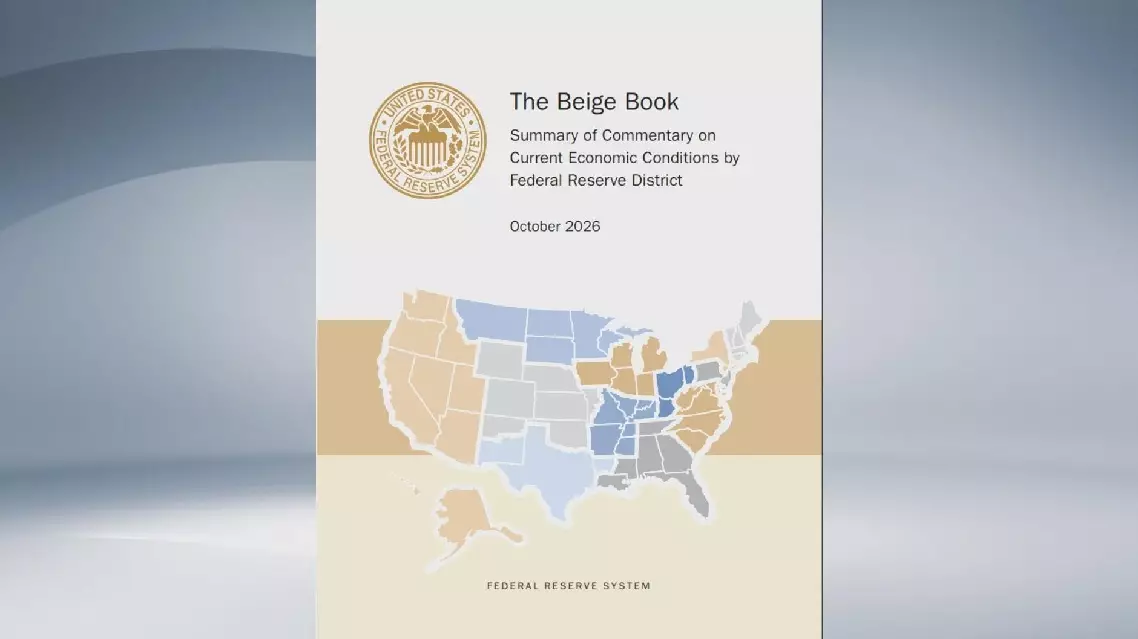
The U.S. Federal Reserve said in its latest Beige Book released on Wednesday that the U.S. economy continued to expand while facing multiple pressures, with energy costs moving through supply chains and artificial intelligence (AI) beginning to reshape hiring demand.
Across the Fed's 12 regional districts, two reported moderate growth in economic activity. Three reported modest growth, while four reported slight growth. The other three reported no significant change. Most businesses remained optimistic about the coming months, but their expectations were largely for marginal growth, with optimism mostly found in the manufacturing sector.
The report said that employment levels were broadly flat or changed slightly in most districts. In its summary, the Fed specifically noted "five districts reported that some firms had either reduced staffing levels (through attrition), delayed hiring, or anticipated less job creation after increasing productivity by investing in AI."
Energy prices emerged as a prominent risk, according to the Beige Book. The Fed said that all districts mentioned the impact of rising oil prices, and businesses widely reported high diesel prices, saying that fuel surcharges are transmitting new costs throughout the supply chain.
Analysts said that the report depicts a dilemma for the U.S. economy. Rising expenditure in tlhe energy and other sectors is intensifying inflation pressure, but consumer resistance to higher prices is limiting companies' ability to pass on costs. The combination of rising costs, pressure on profits and uneven demand could make it harder for the Fed to control inflation and avoid further slowing economic growth.
The Beige Book is published eight times a year, corresponding with the Fed's eight Federal Open Market Committee (FOMC) meetings. It summarizes economic conditions across the 12 federal reserve districts and serves as an important reference for policymakers.
The next FOMC meeting is scheduled for Oct. 27 to 28.
Latest Fed Beige Book shows US economy expands yet faces energy cost, AI pressures
A Pakistani scholar has stressed the importance of dialogue in resolving the conflict between the United States and Iran, as the two sides remain deadlocked over access to the Strait of Hormuz and Iran's nuclear program.
In recent months, Pakistan has emerged as a key mediator between Washington and Tehran, pushing diplomacy as a path to ending the conflict.
In a recent interview with China Global Television Network (CGTN), Rabia Akhtar, dean of the Faculty of Social Sciences at the University of Lahore, affirmed Pakistan's role as a mediator but stressed that whether an agreement is reached and implemented ultimately rests with the two countries.
"Pakistan's role is valuable because keeping a channel open gives the parties somewhere to take those agreements. A mediator can clarify a proposal, explore a sequence of reciprocal steps, and help each side understand what the other might accept. But a mediator cannot make the commitments on their behalf. Ultimately, Washington and Tehran have to decide that an agreement serves their interests and that they are prepared to implement it," she said.
Throughout the conflict, she noted, leaders have publicly deployed strong rhetoric against the other side. Akhtar called on both parties to withdraw from such practices, as they make reaching an agreement all the more difficult.
"There's also the domestic political problem. If you have told your public that anything short of the other side's surrender will be a defeat, you have made your own diplomacy much harder. Leaders need room to explain that a negotiated outcome can protect national interest. And quiet diplomacy helps because it allows options to be explored before every proposal becomes a public test of resolve," she said.
As the need for dialogue over conflict grows, Akhtar highlighted the potential role of China's Global Security Initiative (GSI), which focuses on addressing the world's growing security challenges through cooperation, dialogue, and shared responsibility, and offers a framework for managing crises.
"So for me, the GSI's emphasis on dialogue is relevant to what happens between crises as well as during them. So we need communication that survives political disagreements and commitments, that gives both sides a reason to exercise restraint. We cannot simply wait for trust to appear before we start talking. We have to use dialogue to establish whether commitments can be tested and whether restraint can be reciprocated," the scholar said.
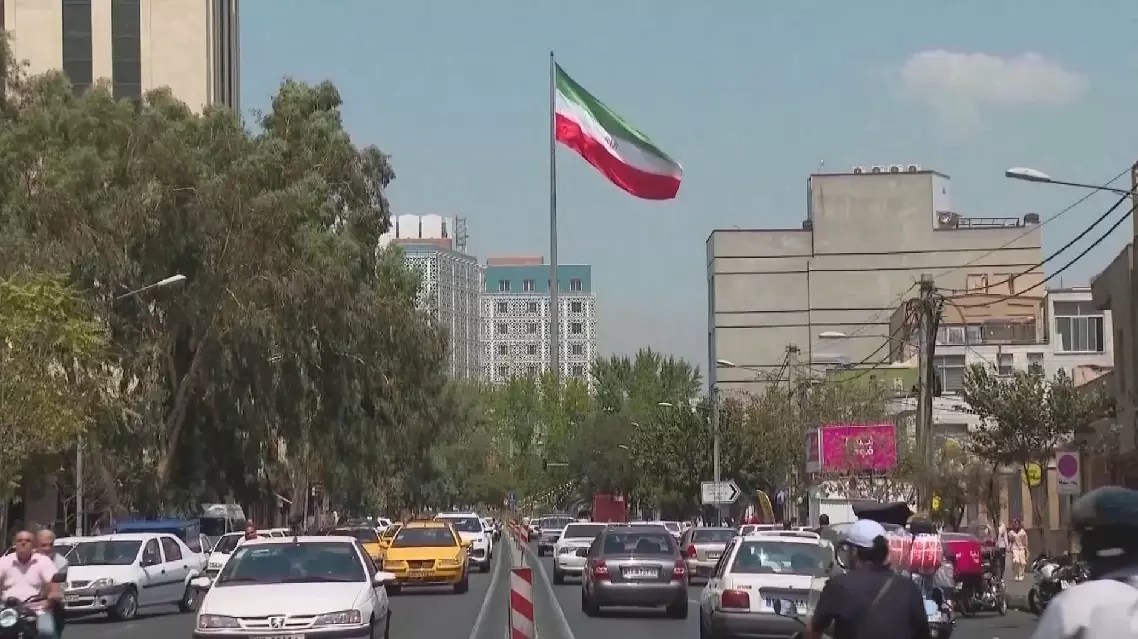
Dialogue essential to resolving US-Iran deadlock: Pakistani scholar