Iran's President Masoud Pezeshkian on Friday reiterated that his country does not seek to develop nuclear weapons, dismissing anti-Tehran propaganda claiming otherwise as a "lie."
Pezeshkian made the remarks during a meeting with Georgian Prime Minister Irakli Kobakhidze on the sidelines of the 17th Conference of the Parties to the Convention on Biological Diversity (COP17) in the Armenian capital, Yerevan, according to a statement on his office's website.
Click to Gallery
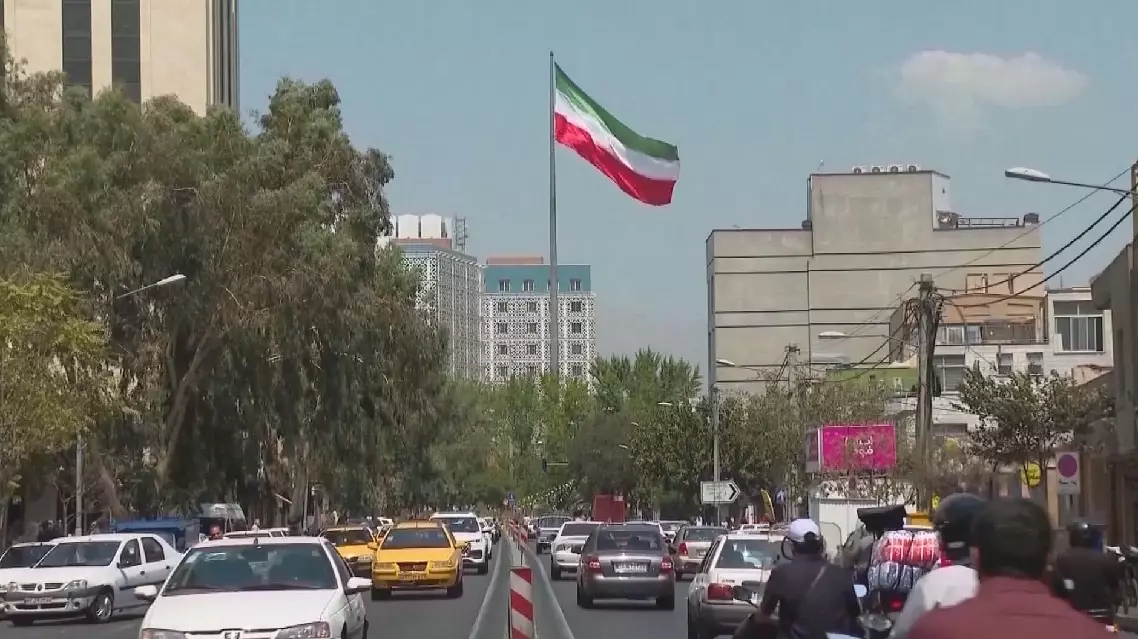
Iran's president says Tehran not after nukes, slams propaganda claiming otherwise
Iran's president says Tehran not after nukes, slams propaganda claiming otherwise
Iran's president says Tehran not after nukes, slams propaganda claiming otherwise
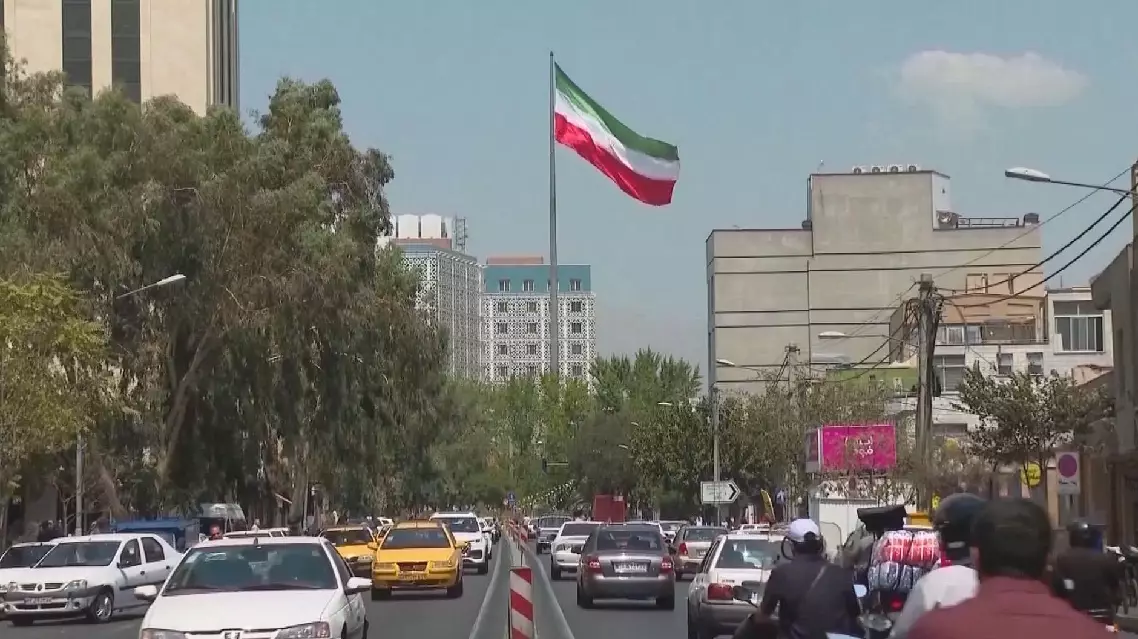
Iran's president says Tehran not after nukes, slams propaganda claiming otherwise
Pezeshkian said Iran does not seek to develop nuclear weapons and considers the destructive propaganda against the country a lie, citing the clear positions of Iran's late Supreme Leader Ali Khamenei on prohibiting the development of nuclear weapons.
Pezeshkian noted that Iran has always been ready for dialogue, saying the United States believes it can force Iran to surrender, but Iran will not acquiesce to coercion.
He said the U.S. sanctions against Iran fail to comply with humanitarian frameworks, describing recent U.S.-Israeli attacks on Iran as "unjustifiable and inhumane."
Kobakhidze, for his part, underlined that his country rejects any form of foreign interference in states' internal affairs.
In a separate meeting with Armenian Prime Minister Nikol Pashinyan, Pezeshkian said that the United States must recognize that Iran will not surrender and will continue its relations with the world with power, relying on its people and coordinating with its neighbors, according to his office's website.
He added that the United States and its sanctions have created problems for Iran and the entire world, warning that should Washington seek to continue the same path, the situation would worsen for the entire world.
Pezeshkian called on Washington to engage in dialogue based on logic rather than using force.
On Feb 28, Israel and the United States launched joint attacks on Tehran and other Iranian cities. Iran responded with waves of missile and drone attacks targeting Israel and U.S. bases and assets in the region, and tightened its grip on the Strait of Hormuz.
A ceasefire was achieved between the warring parties on April 8. On June 18, Iran and the United States signed a memorandum of understanding (MoU) on ending the war in the region on all fronts.
Under the MoU, the two countries were scheduled to hold negotiations within 60 days, ending on Aug. 17, to reach a final agreement on Iran's nuclear program and the removal of sanctions. However, they failed to make sufficient progress toward a deal as tensions continued to escalate.
Iran's president says Tehran not after nukes, slams propaganda claiming otherwise
Iran's president says Tehran not after nukes, slams propaganda claiming otherwise
Iran's president says Tehran not after nukes, slams propaganda claiming otherwise
Iran's president says Tehran not after nukes, slams propaganda claiming otherwise