Skip to Content Facebook Feature Image

4th Liangzhu Forum opens in Hangzhou to promote cultural protection, civilization exchange

China

China

China

4th Liangzhu Forum opens in Hangzhou to promote cultural protection, civilization exchange

2026-10-18 13:59 Last Updated At:16:49

The 4th Liangzhu Forum opened on Sunday in Hangzhou, the capital city of east China's Zhejiang Province, gathering global experts to explore the protection and inheritance of cultural heritage and promote exchange and mutual learning among different civilizations.

This year marks the 90th anniversary of the archaeological discovery of the Liangzhu ruins. Located in the Yangtze River Basin, the prehistoric site was inscribed as a UNESCO World Heritage site in 2019, serving as a profound testament to the existence of Chinese civilization at least 5,000 years ago.

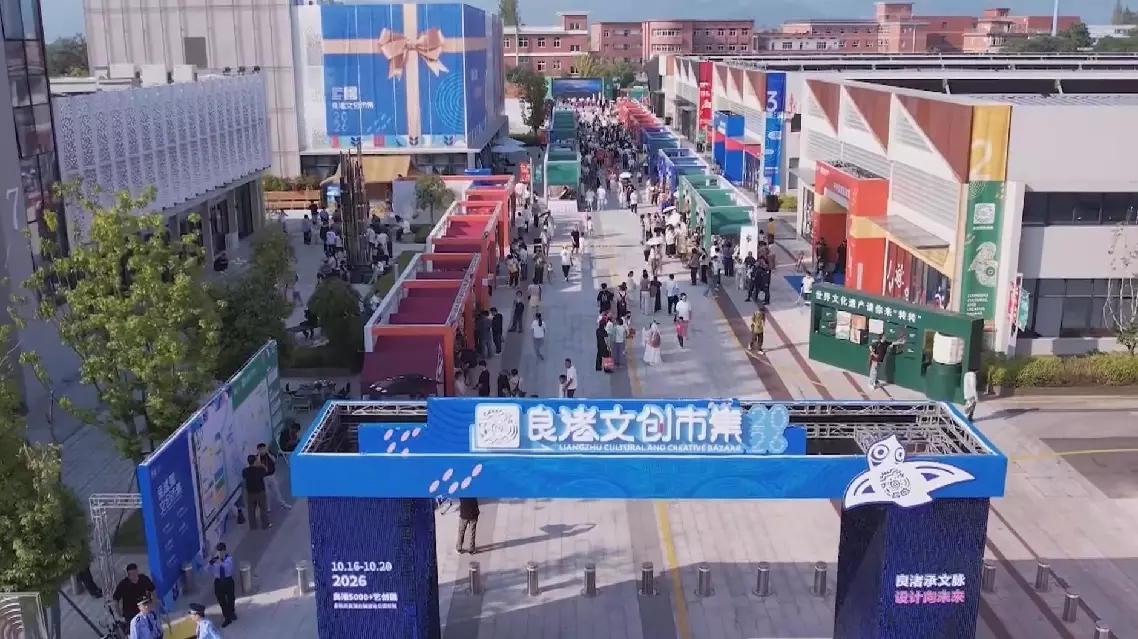
During the three-day forum, a photo exhibition is available highlighting China's Top 10 archaeological discoveries, alongside a special thematic exhibition commemorating the 90th anniversary of the Liangzhu Ruins discovery.

Beyond scholarly exchanges, a special fair showcasing innovative cultural products from around the world is also open to the public.

A highlight of the fair is a dedicated pavilion featuring signature cultural merchandise from major Chinese cultural institutions, including the Palace Museum, the National Museum of China, and the Chinese Traditional Culture Museum.

The pavilion also highlights offerings from dozens of cultural brands from countries along the Belt and Road. Notably, innovative cultural products from Africa are making their debut at the event this year, further enriching the tapestry of global cultural exchange and mutual appreciation.

To enhance visitor engagement, many exhibition halls at the pavilion have introduced hands-on, interactive experiences. At the Liangzhu Museum exhibition hall, for instance, visitors can craft their own shadow puppets featuring personified images of the Liangzhu King's family.

"The imagery of this product set is inspired by the Liangzhu King, incorporating classic Liangzhu cultural motifs such as the stone human-beast pattern and the jade bird design. Through creative reinterpretation, the Liangzhu royal family is personified into a family of four, the king, the queen, and their children. This highlights a warmer, more relatable side of the Liangzhu King, aligning well with the public's emotional and aesthetic preferences. By employing traditional shadow puppetry techniques and hands-on crafting, we can transform Liangzhu's representative symbols and patterns into tangible, accessible experiences," said Shen Lingling, curator of the Liangzhu Museum exhibition hall.
4th Liangzhu Forum opens in Hangzhou to promote cultural protection, civilization exchange

4th Liangzhu Forum opens in Hangzhou to promote cultural protection, civilization exchange

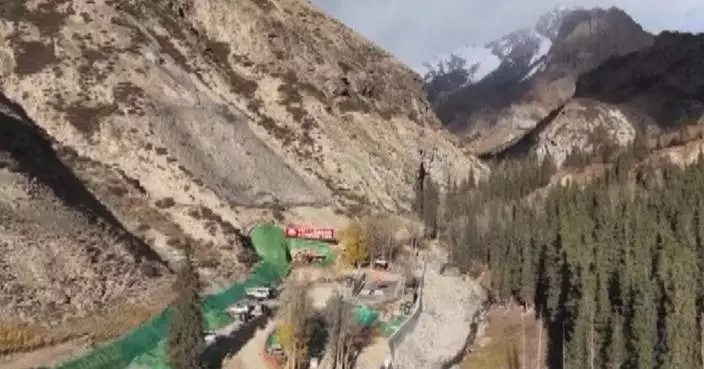
A grassroots official from Gari Village in Ya'an City of southwest China's Sichuan Province has led locals to conquer immense difficulties to build a road at an altitude of 4,000 meters, turning the once-isolated community into a thriving tourist destination, paving the way towards a prosperous life.

This is a story from a China Global Television Network (CGTN) documentary titled "4,000m Altitude: They Built a Road Straight to the Sky".

Due to its extreme altitude, Gari Village lacked a proper road more than a decade ago, forcing residents to hike in and out on foot.

Refusing to let his village remain cut off from the world, Asheng, the local Party chief, made it his mission to change their fate. Mobilizing the villagers, he led them in overcoming immense geographical and logistical hurdles to finally carve a road through the high-altitude terrain.

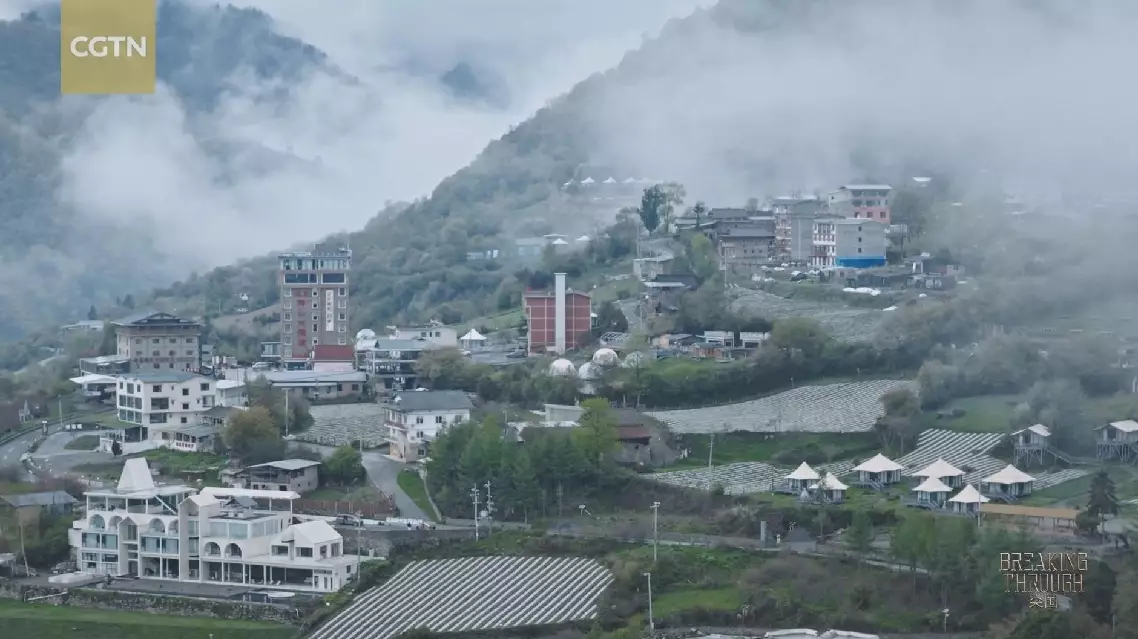
The road opened the gates to Dawagengzha, a stunning natural attraction whose name translates to "magic mountain" in the Tibetan language. As word of this natural wonder spread, tourists began to arrive. However, a new challenge quickly emerged: the village lacked hotels and other tourism infrastructure, meaning visitors couldn't stay overnight.

Recognizing the bottleneck, Asheng took the initiative once again, converting his own house into the village's first homestay.

Seeing the success of Asheng's venture, hesitant villagers quickly followed suit.

Today, Gari Village is home to 158 distinctive homestays, forming a thriving hospitality cluster known as "Cloud Dawagengzha". Campsites, inns, and wooden cabins now dot the mountain landscape.

In 2024, the village welcomed over one million tourist arrivals, generating a revenue of 120 million yuan (about 17.94 million U.S. dollars). The momentum has only continued to grow. During the autumn foliage season in 2025, the village recorded an average weekly tourism revenue exceeding 1.5 million yuan.

Looking ahead, Asheng said he will continue to explore ways to improve the lives of his fellow villagers.

The documentary is part of CGTN's "Breaking Through" series, which traces China's journey from the historic Long March to its modern-day achievements, highlighting the resilience, ingenuity, and determination of its people.

Building road at 4,000m, grassroots official leads locals to prosperity: documentary

Building road at 4,000m, grassroots official leads locals to prosperity: documentary

Recommended Articles