Escalating military clashes between Yemen's Houthi movement, also known as Ansar Allah, and the Saudi-led coalition are severely hampering diplomatic efforts to contain the conflict, according to observers.
As fighting intensifies between the Saudi-backed Yemeni government and Houthi forces, diplomatic channels appear to be stalling, threatening to unravel fragile peace prospects.
Saudi Deputy Minister of for Public Diplomacy Rayed Krimly said Thursday that the Houthis had rejected a request from Riyadh for talks in Oman. Analysts have highlighted ongoing differences over the terms for resuming talks despite direct communication channels remaining open.
"Our demands are clear -- lifting the blockade and ending the Saudi attack. These are certainly achievable measures that do not require negotiation processes, especially since the negotiations had already concluded with an agreement signed in Oman under Omani sponsorship and mediation with the Saudi regime," said Hizam al-Asad, a member the Political Bureau of Ansar Allah.
Still, leaders of Ansar Allah say efforts to resume dialogue are continuing, citing action by Oman, Russia, China, as well as an Iranian offer, to facilitate negotiations.
Analysts said success will depend on whether mediators can bring the two sides closer to agreement on stopping the attacks and providing guarantees to prevent them from resuming. The goal is to reach agreements that can be implemented.
"The diplomatic track remains open, but the conditions being put forward may be unfair, leading one side to reject the other side’s terms. If there is a regional push to find common ground between Sanaa and Riyadh and reach agreements on various issues, the key challenge is to achieve consensus and reach a settlement acceptable to all parties, which would increase the chances of its success," said Anas al-Qadhi, a Yemeni political analyst.
The Saudi-backed Yemen government continues to insist on three agreed references for a political settlement, which are the Gulf Cooperation Council Initiative and its implementation mechanism, the outcomes of the National Dialogue Conference, and UN Security Council Resolution 2216.
This raises questions about how any Saudi understanding with Ansar Allah would affect the peace process to end 12 years of war in Yemen, and whether it could go beyond de-escalation and lead to a comprehensive political settlement.
Caught between the risks of further military escalation and hopes for a settlement, Yemenis are watching closely to see where the diplomatic efforts will lead. Many hope mediation will help turn the tide, halt the fighting, and open a political path to end the war and ease the suffering they have lived with for more than a decade.
Yemen has been mired in conflict since late 2014, when the Houthi group seized the capital Sanaa and much of the country's north. A Saudi-led coalition intervened in 2015 in support of the internationally recognized Yemeni government, now based in the southern port city of Aden.
The renewed fighting marked a major escalation after a UN-brokered truce in 2022 largely halted major hostilities.
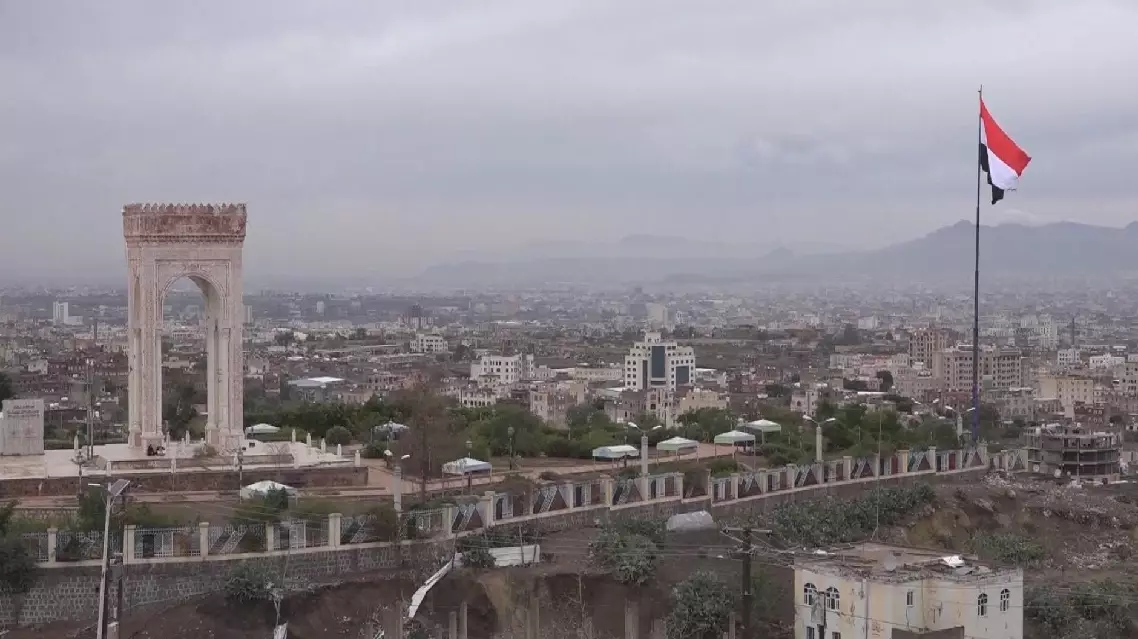
Yemen peace efforts stall as Houthis reject Saudi offer for talks
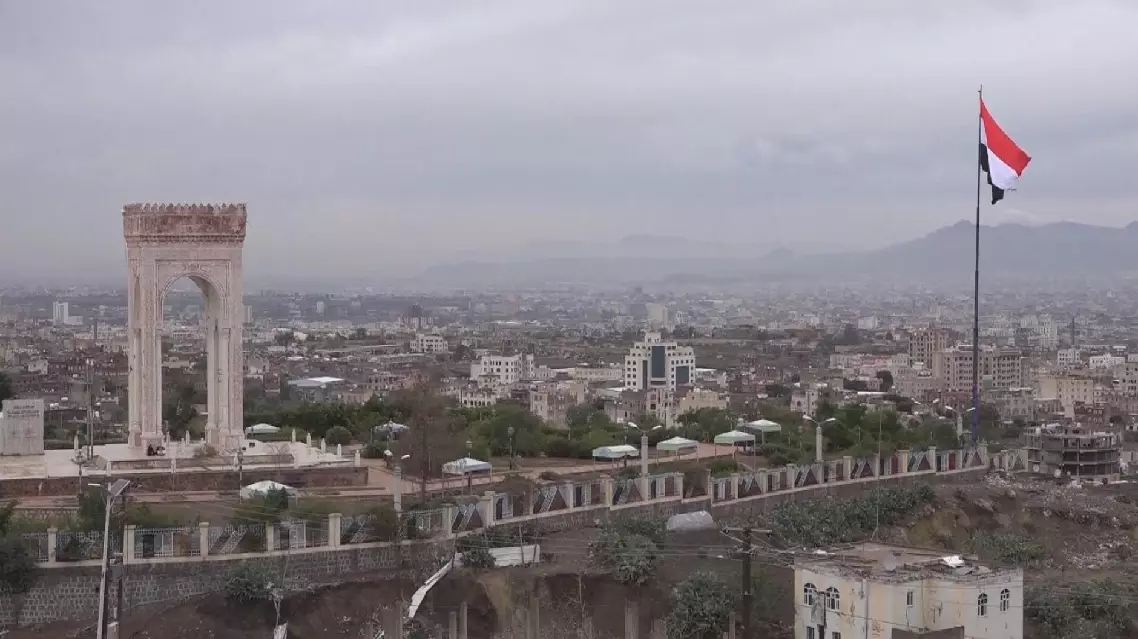
Yemen peace efforts stall as Houthis reject Saudi offer for talks
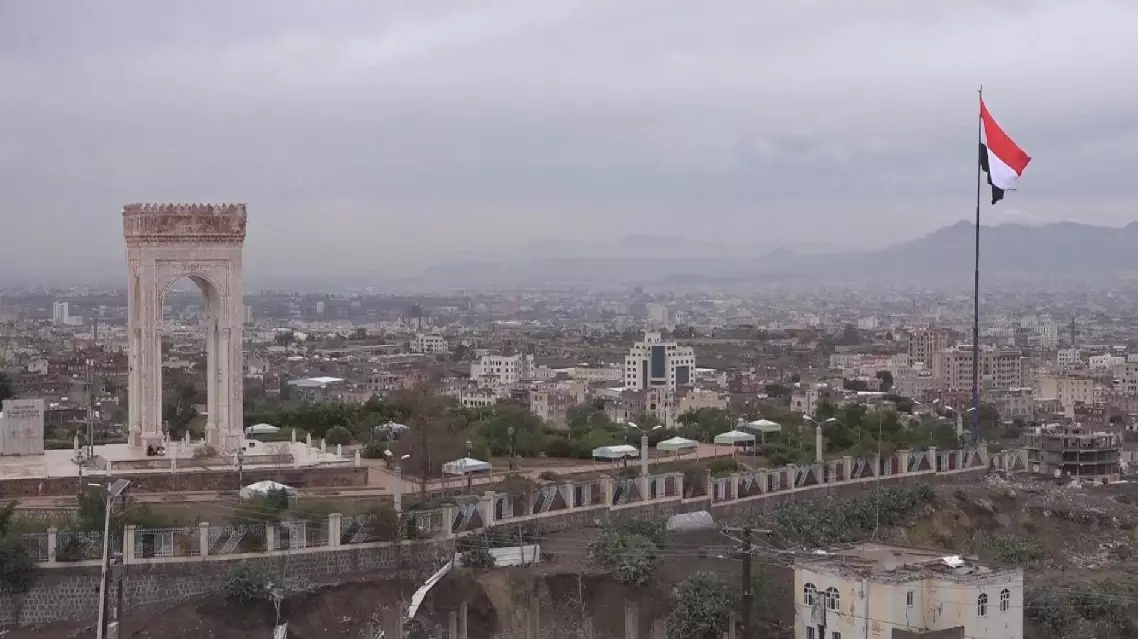
Yemen peace efforts stall as Houthis reject Saudi offer for talks