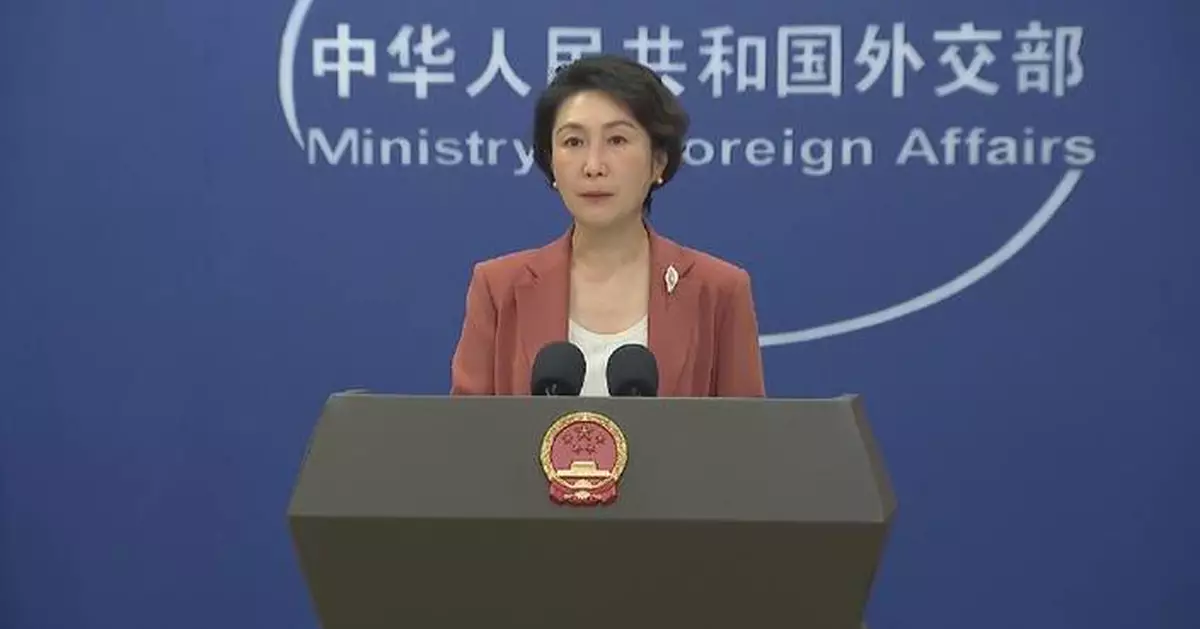
Chinese President Xi Jinping's four principles provide practical guidance for addressing hotspot issues in Africa, Foreign Ministry spokeswoman Mao Ning said on Monday.
Mao's remarks came in response to a question about the principles proposed by Xi during a recent meeting with President of the Council of Ministers of Togo Faure Essozimna Gnassingbe, and their relevance to the situation in northern Ethiopia.
"During his meeting with President of the Council of Togo Faure Essozimna Gnassingbe, President Xi Jinping put forward four principles on the constructive participation of relevant parties in the resolution of African hotspot issues, providing practical guidance for addressing issues including the current situation in the Horn of Africa," said Mao.
Mao further elaborated on the four principles.
"First, upholding Africa's leadership. African people are the true masters of the continent and should therefore play a central role in regional affairs. Second, safeguarding equity and justice. Parties should observe the purposes and principles of the UN Charter and respect the sovereignty and territorial integrity of countries concerned. Third, ceasing hostilities and building peace. War and unilateral sanctions are never real solutions to disputes between states. Countries should respect each other, engage in extensive consultation, seek common ground despite differences, and practice mutual understanding and accommodation. Fourth, addressing both symptoms and root causes. Addressing immediate security concerns should go hand in hand with long-term development planning," Mao said.
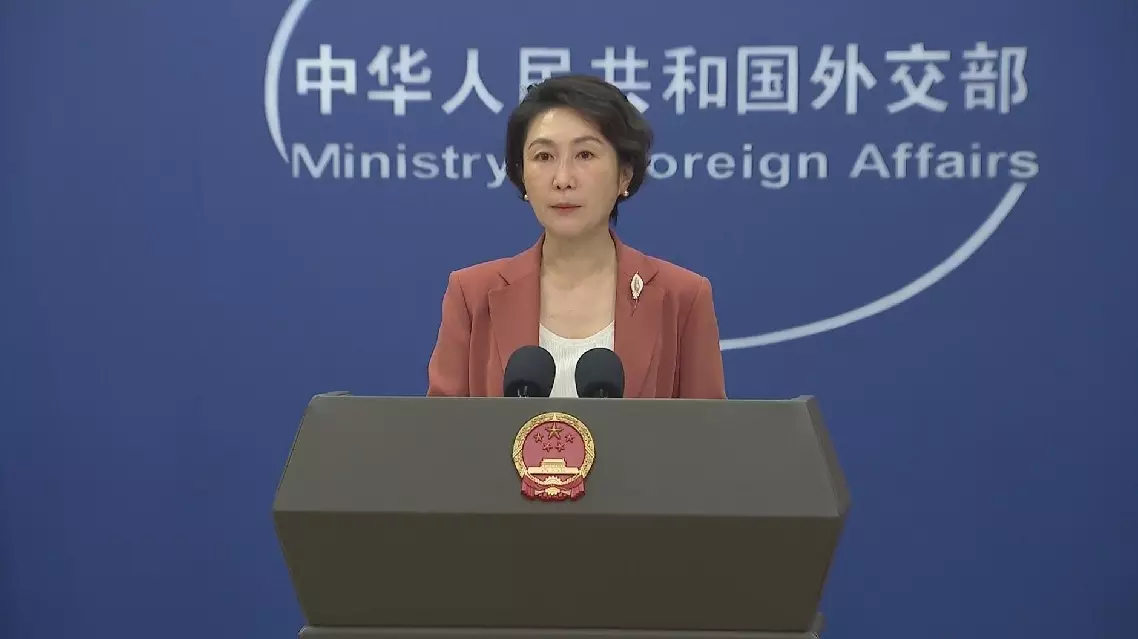
Xi's proposals offer practical guidance for addressing hotspot issues in Africa: spokeswoman
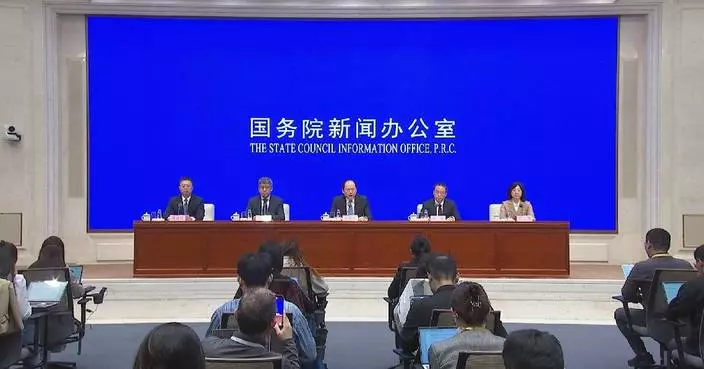
China's economic performance in the first three quarters of 2026 has demonstrated stability with new growth drivers and an improved economic structure, according to an official on Monday.
At a press conference in Beijing, Mao Shengyong, deputy head of the National Bureau of Statistics, briefed media on the country's economic performance from January to September.
China's gross domestic product (GDP) grew 4.5 percent year on year in the third quarter (Q3) of 2026, data from the National Bureau of Statistics (NBS) showed.
In terms of industries, added value of the primary, secondary, and tertiary sectors came to 5.8994 trillion yuan (about 883 billion U.S. dollars), 38.3822 trillion yuan, and 62.8255 trillion yuan, respectively, representing a year-on-year increase of 3.7 percent, 3.8 percent, and 5.2 percent, separately.
To be more specific, value added in agriculture grew 3.6 percent year on year. The output of summer grain and early rice rose by 780,000 tons from a year earlier. With autumn grain production in good shape, China expects to harvest another bumper grain crop for the year.
As for the industrial production, it grew at a relatively fast pace with added value of industrial enterprises above the designated size up 5.3 percent year on year.
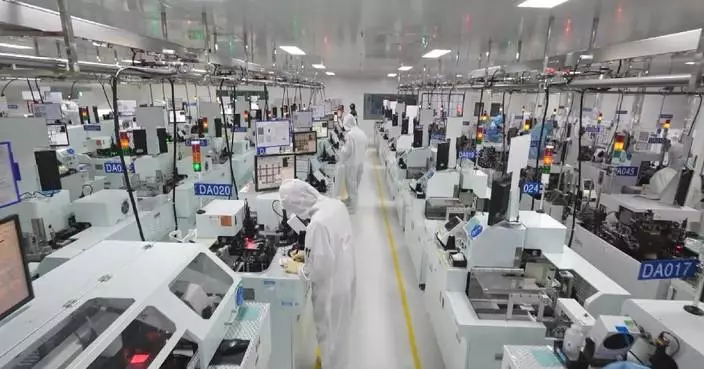
Equipment and high-tech manufacturing provided significant support.
In terms of services sector, its added value grew 5.2 percent year on year, with modern services performing quite well.
In the first nine months of this year, the consumer market continued to expand. Total retail sales of consumer goods reached 37.0001 trillion yuan, up 1.1 percent year on year.
"In the first three quarters, total retail sales of consumer goods and services grew 2.6 percent year on year. Service retail sales, in particular, increased by 5.0 percent, which is a notably growth rate. Consumption contributed nearly half of the economic growth during the period, accounting for 46.7 percent, adding 2.1 percentage points to the GDP," said Mao.
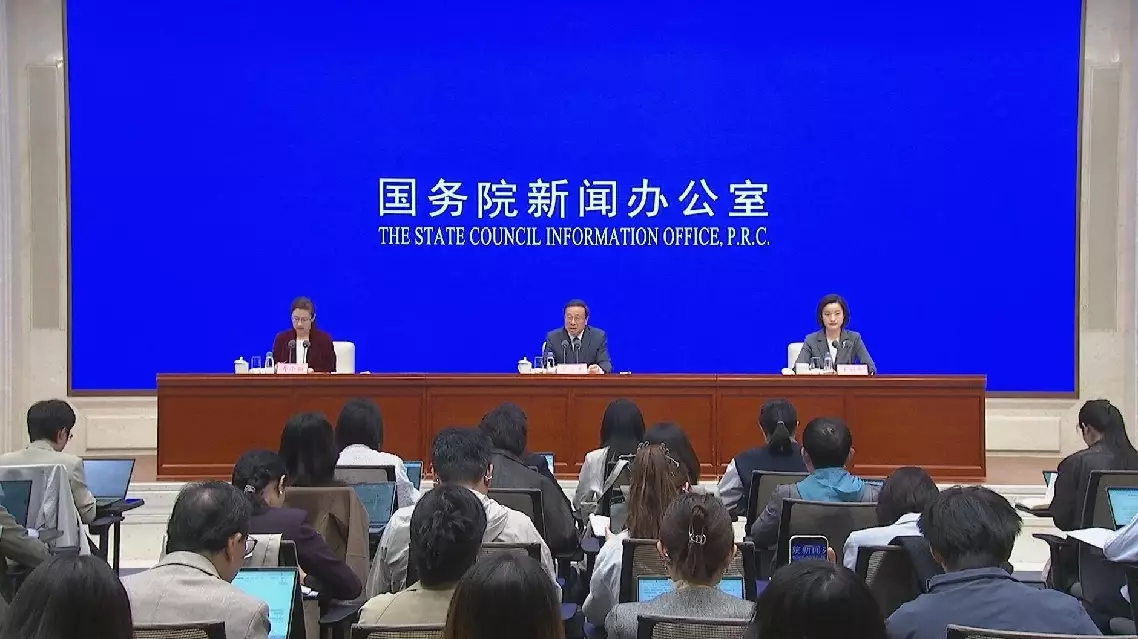
China's economy from Q1 to Q3 shows stability, improved structure