Skip to Content Facebook Feature Image

A fall planting guide for long-lived perennials like peonies, iris and false indigo

TECH

A fall planting guide for long-lived perennials like peonies, iris and false indigo
TECH

TECH

A fall planting guide for long-lived perennials like peonies, iris and false indigo

2026-10-20 12:02 Last Updated At:12:50

When plants die, we automatically assume we’re responsible. Sometimes, we are. But what we might not realize is that, like all living things, plants have a lifespan, and sometimes their time is simply up.

Annuals, of course, complete their entire lifecycles, from seed to death, in one year. Biennials live two years, although they often self-seed. Perennials are those expected to live for two or more years.

Some perennials ( delphiniums come to mind) are short-lived. Others, like coneflowers, have moderate lifespans. But some can outlive their gardeners, surviving under the right conditions for 20, 50 or even 100 years. And fall is a great time to plant them.

Peonies (Paeonia spp.) are the super agers of the group. The woody shrubs with large, showy springtime blossoms often take a while to take off, but once they do, they’re in it for the long haul, easily living 50-100 years and sometimes even longer. These are heirloom plants, often passed down from generation to generation. Plant them in early fall in a sunny spot (with some afternoon shade in the south) in zones 3-9 for a lifetime of blooms.

Bearded iris can also live for generations. In fact, with proper care, they can literally live forever. Grown from rhizomes planted in late summer or early fall, their roots produce an endless supply of underground offshoots that continually sprout new life. Dig up and divide clumps every three to five years to prevent crowding, which can lead to root rot and decline, and discard old or dead rhizomes before replanting the newer roots in another sunny spot.

Hostas can live for more than 50 years in zones 3-9. For the best results, plant them in spring or fall in rich, slightly acidic soil in a shady spot that gets a bit of morning sun, monitor and protect them from pests like slugs, and divide them every three to five years after their first decade.

Although each daylily (Hemerocallis spp.) flower lasts for just one day, the plants often endure 50 years with little care. Plant them in rich, well-draining soil in a sunny spot. Plant them in rich, well-draining soil in a sunny spot in zones 2, 3-9 or 11, depending on variety. Plant them in early spring or late summer to early fall, and divide clumps every three to five years to rejuvenate the plant (and make more!).

False indigo (Baptisia) can easily exceed 50 years in your zone 3-9 garden. The plants are slow to establish, taking up to five years to reach maturity, but once established, their long, woody taproot helps them resist drought, frost and just about anything nature can throw their way. They do not, however, like to be disturbed, so select a sunny garden spot carefully and leave them be. Then decide who their next caretaker should be and write them into your will.

Jessica Damiano writes weekly gardening columns for The Associated Press. She publishes the Weekly Dirt Newsletter. Sign up here for weekly gardening tips and advice.

For more AP gardening stories, go to https://apnews.com/hub/gardening.
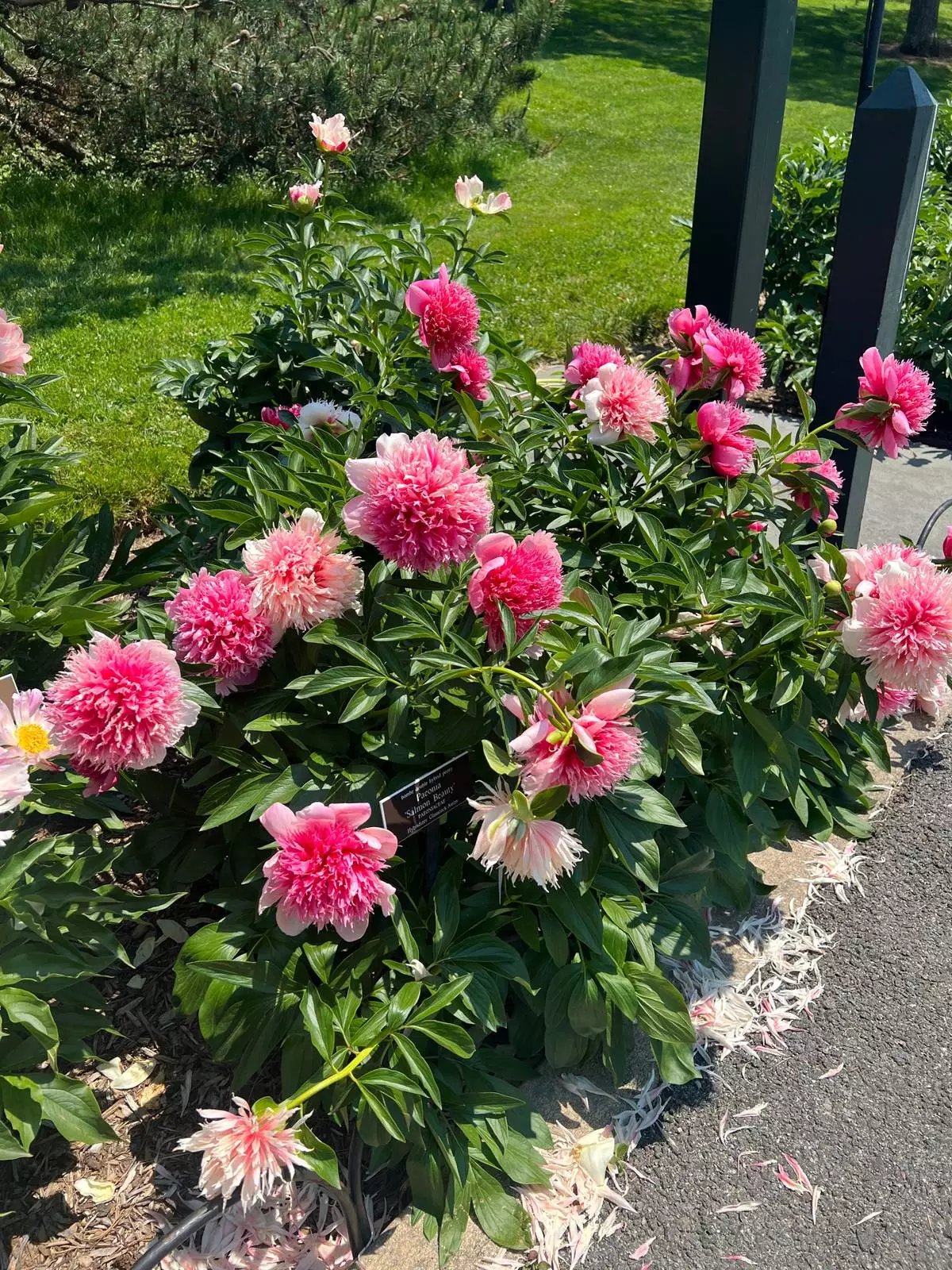
A peony garden appears in bloom at the New York Botanical Garden in the Bronx borough of New York on May 19, 2026. (Jessica Damiano via AP)
A peony garden appears in bloom at the New York Botanical Garden in the Bronx borough of New York on May 19, 2026. (Jessica Damiano via AP)

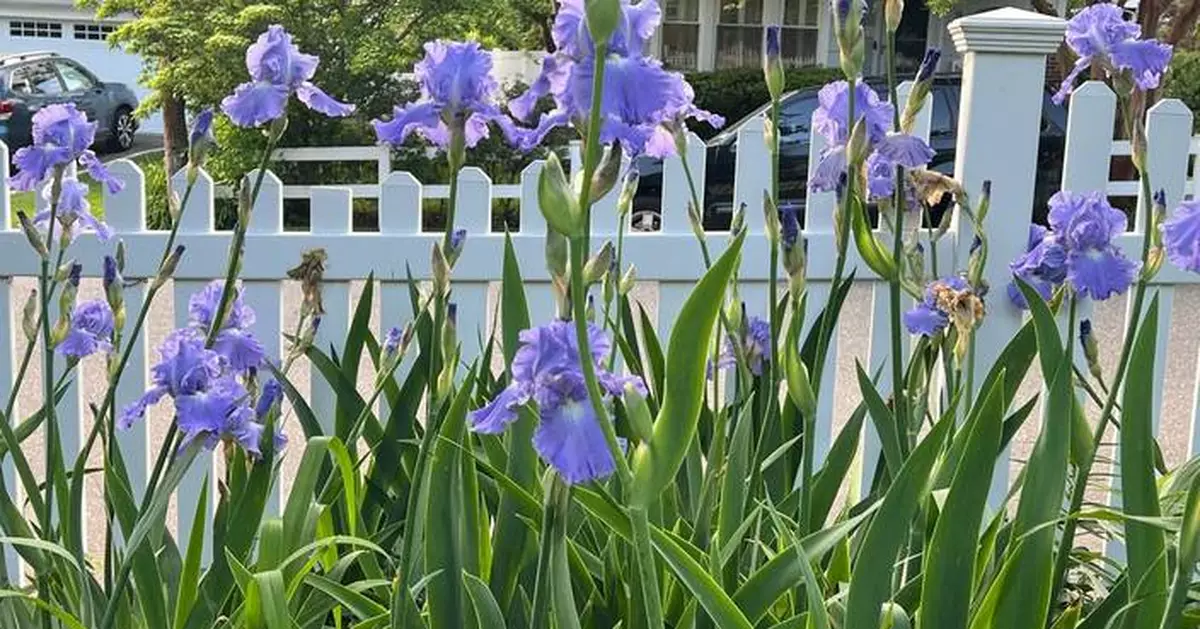
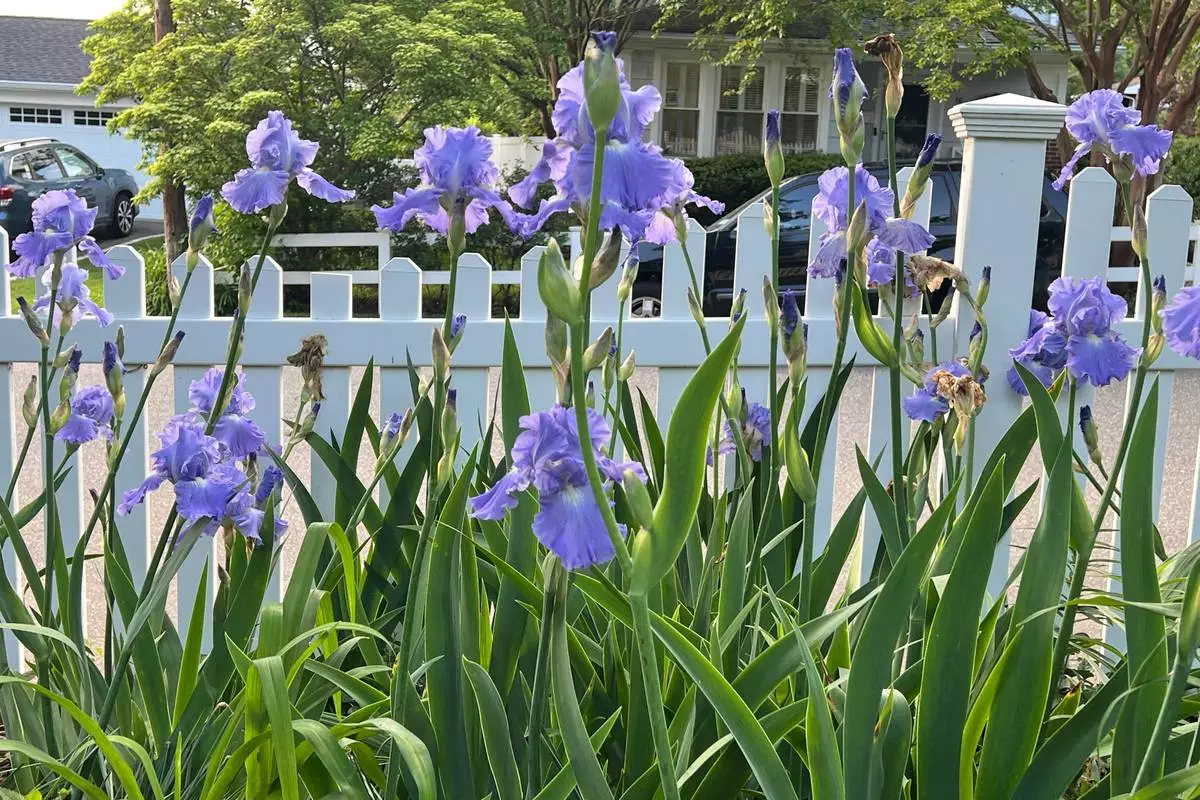
Bearded irises appear in bloom in a front yard on Long Island, N.Y., on May 19, 2024. (Jessica Damiano via AP)


Bearded irises appear in bloom in a front yard on Long Island, N.Y., on May 19, 2024. (Jessica Damiano via AP)

JEDDAH, Saudi Arabia--(BUSINESS WIRE)--Oct 20, 2026--

Jeddah is preparing to host the fifth edition of the Innovation Driven Water Sustainability Conference (IDWS 2026) from 14 to 16 December 2026. The conference aims to accelerate the transition of water solutions from research and development to real-world deployment, while connecting innovators with investors and end users to strengthen water security, improve service efficiency, and enhance the sustainability of water resources worldwide.

This press release features multimedia. View the full release here: https://www.businesswire.com/news/home/20261020192877/en/

The conference will bring together experts, researchers, innovators, investors, and representatives of water-sector organisations from more than 140 countries. It will feature over 250 speakers and is expected to attract more than 10,000 participants, alongside an international exhibition showcasing more than 150 global brands.

Eng. Tariq Al-Ghafari, Deputy president for innovation and promising technology, said: “The conference serves as a global platform for discussing opportunities and challenges, showcasing the latest solutions and technologies, and strengthening international cooperation.”

He noted that the global market for water security and water infrastructure management is estimated at approximately USD 303.8 billion, while the value of anticipated construction and engineering projects for water and wastewater facilities exceeds USD 1.2 trillion. Studies also estimate that achieving the United Nations Sustainable Development Goals related to clean water and sanitation will require additional investment of between USD 131 billion and USD 140 billion annually.

This global platform comes at a time when droughts, floods, and rising demand are increasing the need for more reliable, resilient, and adaptable water systems. According to the World Health Organization and UNICEF, 1.8 billion people still live in households without water supplies located on their premises. Meanwhile, the Food and Agriculture Organization of the United Nations estimates that agriculture accounts for approximately 72% of global freshwater withdrawals.

The conference will address treated-water reuse and the advancement of the circular economy, as well as the application of artificial intelligence, digital technologies, and data analytics in planning, operations, and asset management. These solutions can improve service performance and water-use efficiency across multiple sectors.

Discussions will also examine the role of policy, governance, financing, and capacity building in enabling the adoption of promising technologies. Particular attention will be given to aligning scientific research with operational requirements to strengthen the viability of water innovations and ensure their sustainable impact in real-world applications.

The programme will include the “Miahthon”, platforms showcasing start-up solutions, and the Global Prize for Innovation in Water. Together, these initiatives will highlight promising ideas and facilitate partnerships that support their market entry, adoption, and wider deployment.

*Source:AETOSWire

Main session from IDWS 2025 (Photo: AETOSWire)

Main session from IDWS 2025 (Photo: AETOSWire)

Recommended Articles