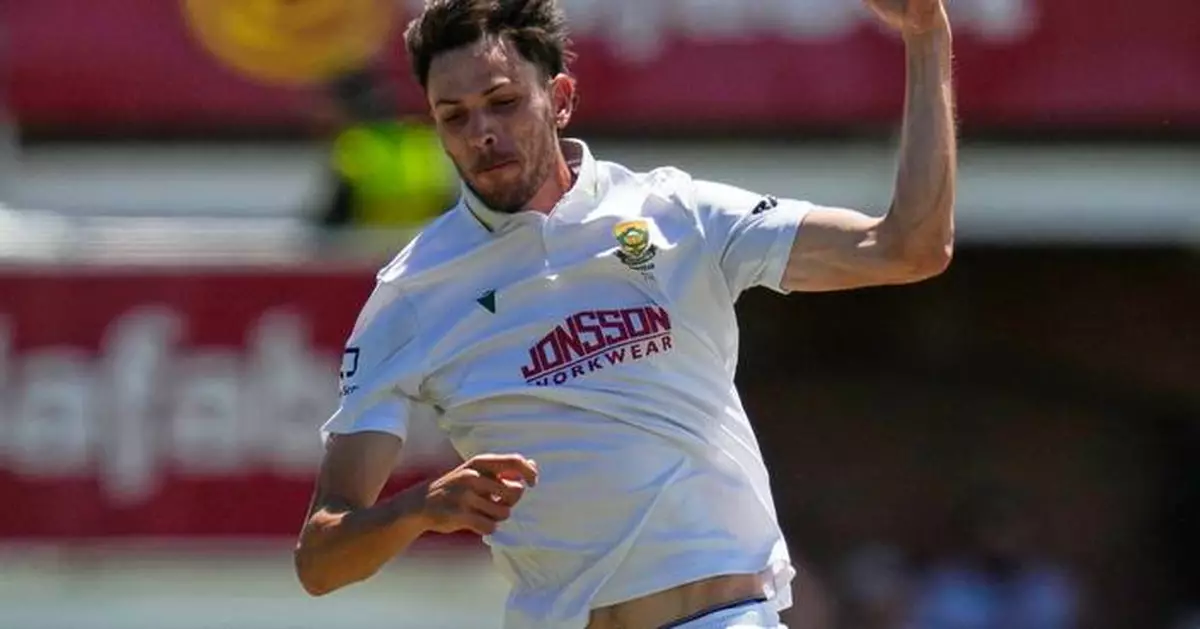
GQEBERHA, South Africa (AP) — South Africa’s Marco Jansen claimed four wickets on Wednesday to reduce Australia to 69-6 at lunch on day four of the second cricket test.
Jansen took 4-15 in six overs, with Anrich Nortje taking 1-5 before walking off injured, as Australia sputtered early on.
Click to Gallery
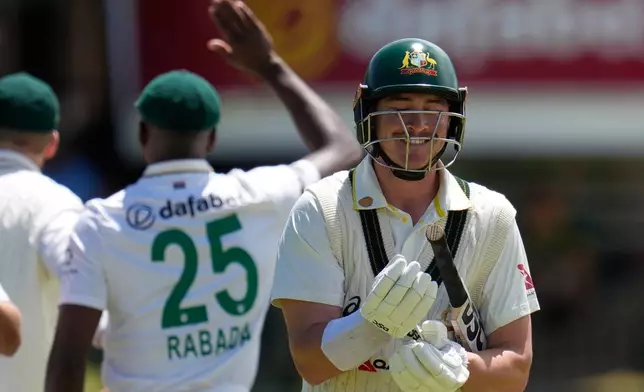
Australia's Matt Renshaw, right, walks back to pavilion after dismissal during day four of the second cricket test match between South Africa and Australia, in Gqeberha, South Africa, Wednesday, Oct. 21, 2026. (AP Photo/Themba Hadebe)
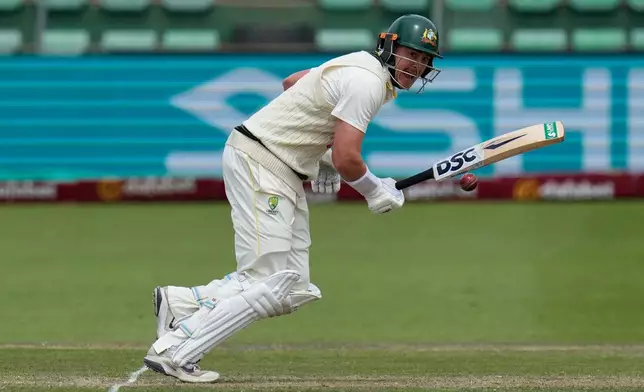
Australia's Matt Renshaw plays a shot on day four of the second cricket test match between South Africa and Australia, in Gqeberha, South Africa, Wednesday, Oct. 21, 2026. (AP Photo/Themba Hadebe)
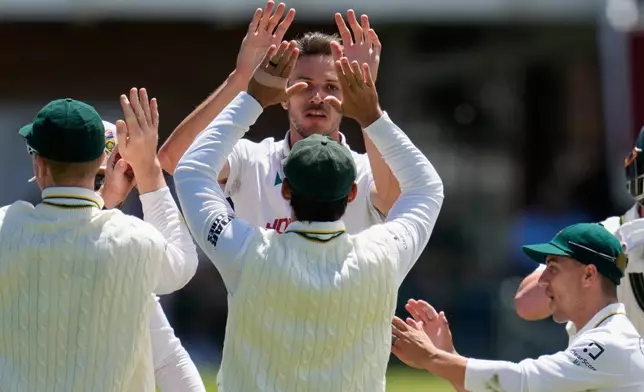
South Africa's Marco Jansen, centre, celebrates the wicket of Australia's Matt Renshaw during day four of the second cricket test match between South Africa and Australia, in Gqeberha, South Africa, Wednesday, Oct. 21, 2026. (AP Photo/Themba Hadebe)
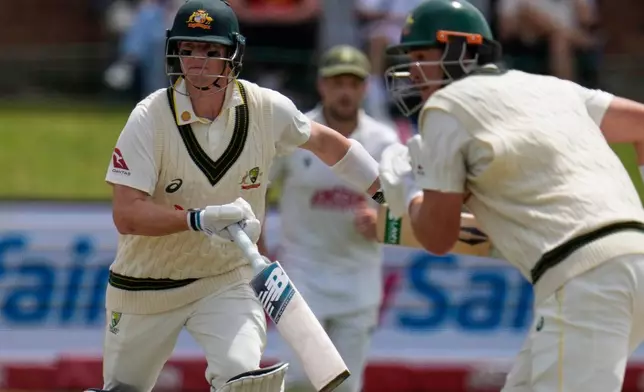
Australia's Steven Smith, left and Australia's Matt Renshaw, right run between the wickets during day four of the second cricket test match between South Africa and Australia, in Gqeberha, South Africa, Wednesday, Oct. 21, 2026. (AP Photo/Themba Hadebe)
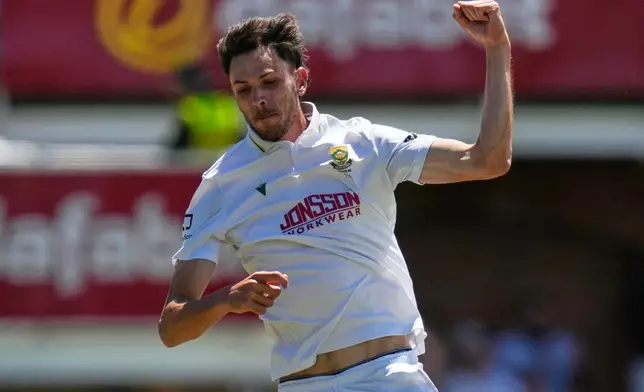
South Africa's Marco Jansen celebrates the wicket of Australia's Alex Carey during day four of the second cricket test match between South Africa and Australia, in Gqeberha, South Africa, Wednesday, Oct. 21, 2026. (AP Photo/Themba Hadebe)
Steve Smith is unbeaten on 26 at the break, with Beau Webster for company, as Australia trails by 356 runs in the first innings. It needs to reach 226 to avoid the follow-on.
Skipper Temba Bavuma had scored a career-best 179 to help South Africa score 425-9d in its first innings.
Australia resumed 3-1 and endured a horrid first hour, losing another three wickets. Overall, it was 66-5 in the morning session.
Nightwatchman Scott Boland was the first to go as he was caught behind off Jansen on the seventh ball of the day.
Jansen then trapped Travis Head lbw for 14 after a review and Simon Harmer took a superb catch at gully to send back Marnus Labuschagne (14) with Australia reduced to 45-4 in 14 overs.
Nortje could only manage another 2.3 overs before a lower-body injury forced him to walk off, leaving the Proteas a bowler short for the remainder of the match.
Matt Renshaw and Smith nearly batted out the second hour of play without any further damage.
Jansen then returned just before the break to strike twice in one over as Renshaw was caught at third slip and Alex Carey was caught behind for a duck two balls later.
See AP’s full cricket coverage here
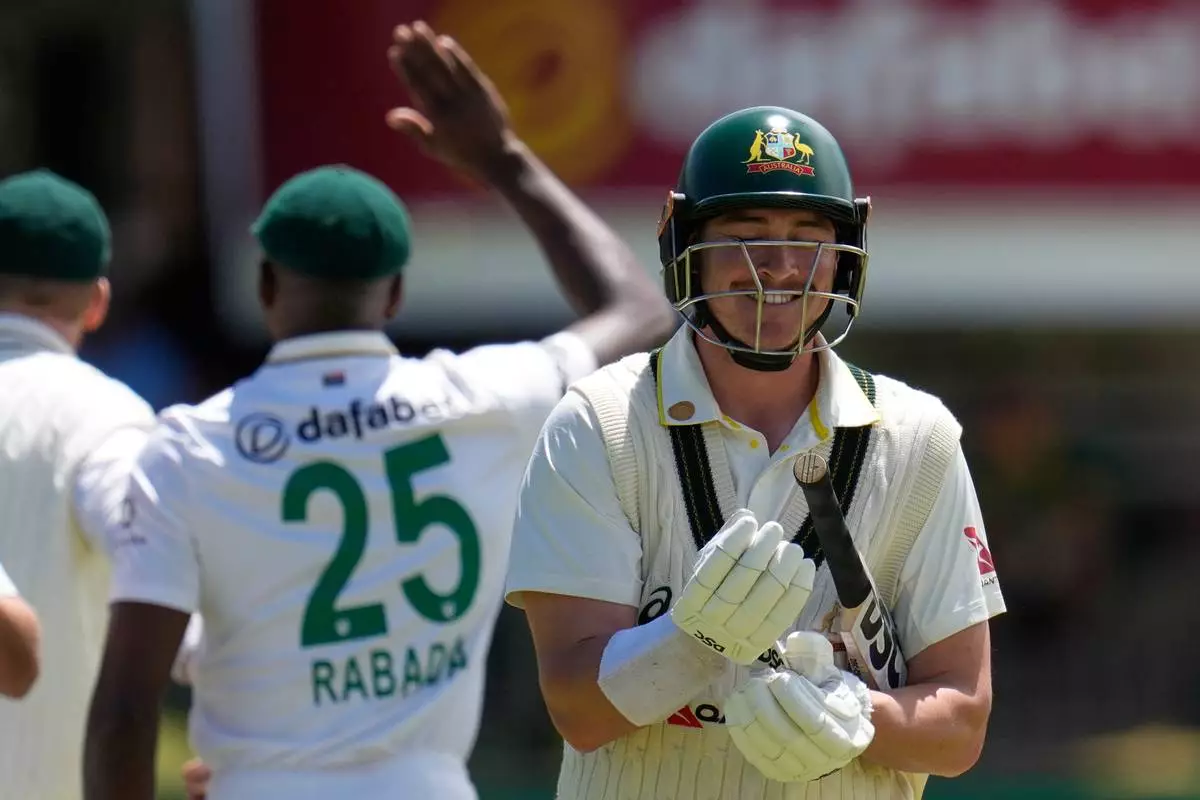
Australia's Matt Renshaw, right, walks back to pavilion after dismissal during day four of the second cricket test match between South Africa and Australia, in Gqeberha, South Africa, Wednesday, Oct. 21, 2026. (AP Photo/Themba Hadebe)
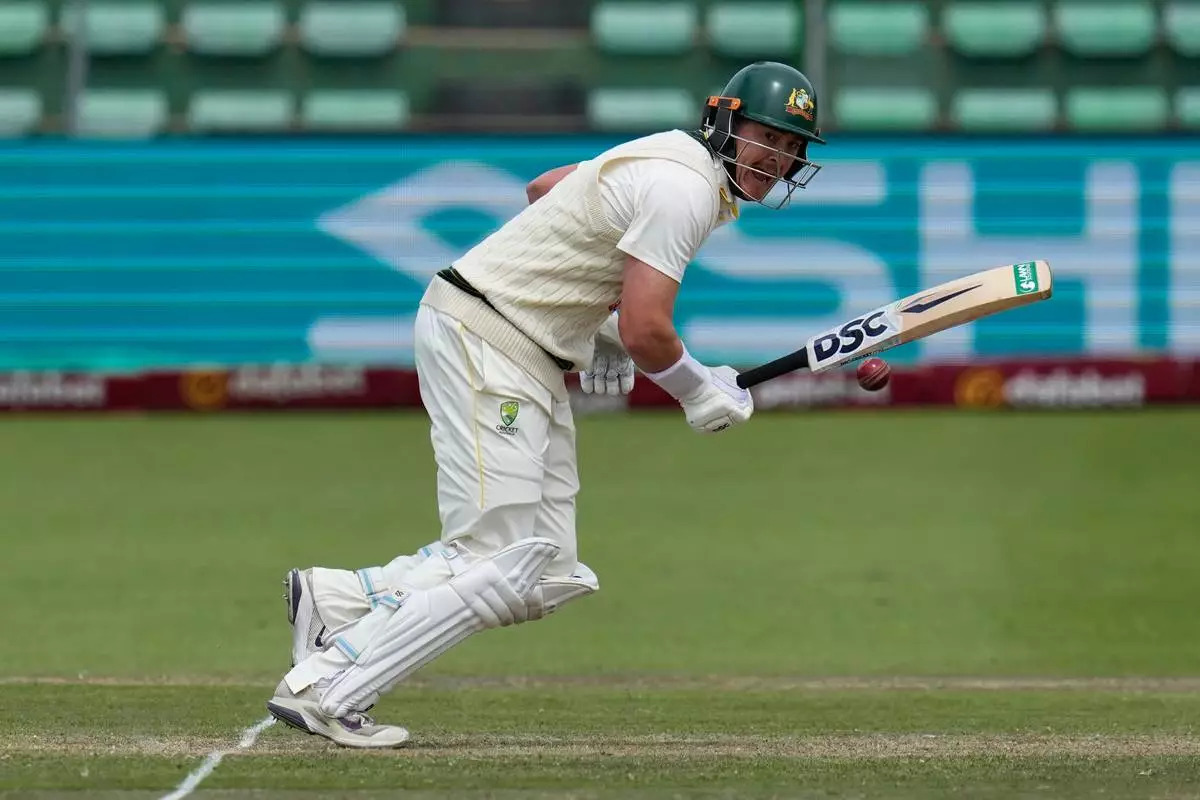
Australia's Matt Renshaw plays a shot on day four of the second cricket test match between South Africa and Australia, in Gqeberha, South Africa, Wednesday, Oct. 21, 2026. (AP Photo/Themba Hadebe)
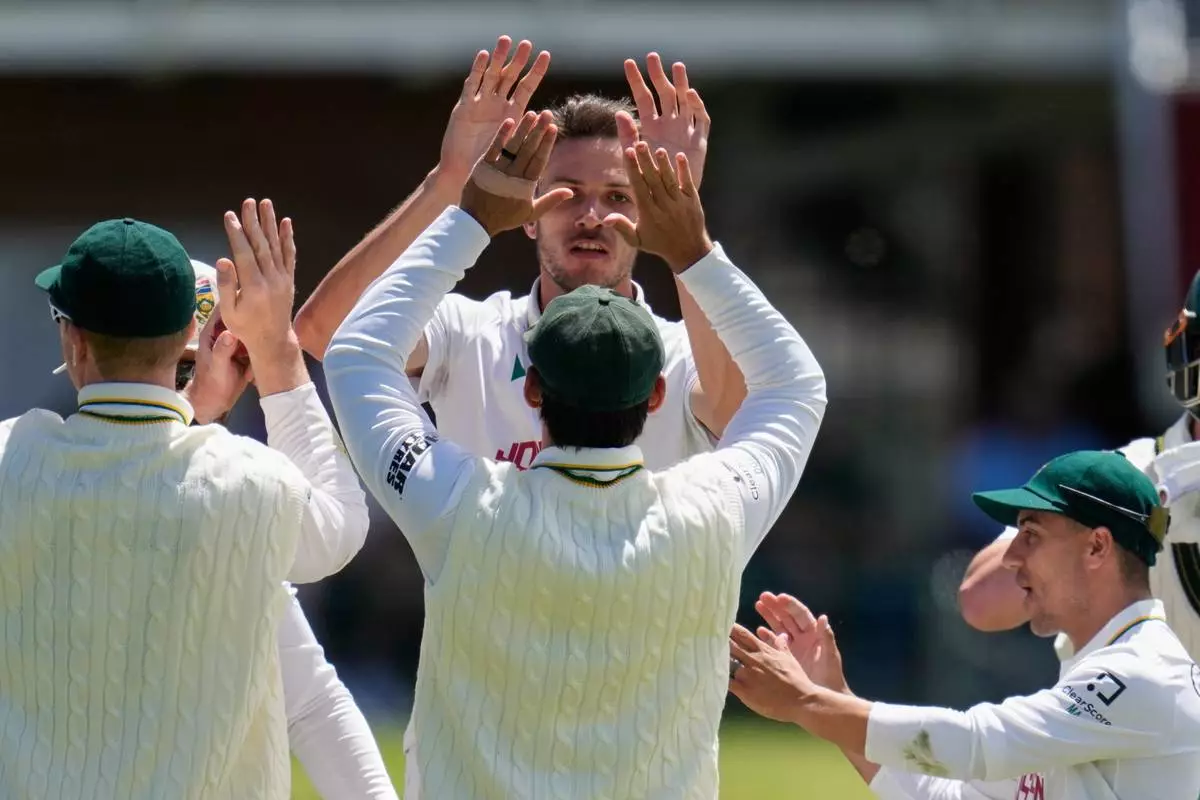
South Africa's Marco Jansen, centre, celebrates the wicket of Australia's Matt Renshaw during day four of the second cricket test match between South Africa and Australia, in Gqeberha, South Africa, Wednesday, Oct. 21, 2026. (AP Photo/Themba Hadebe)
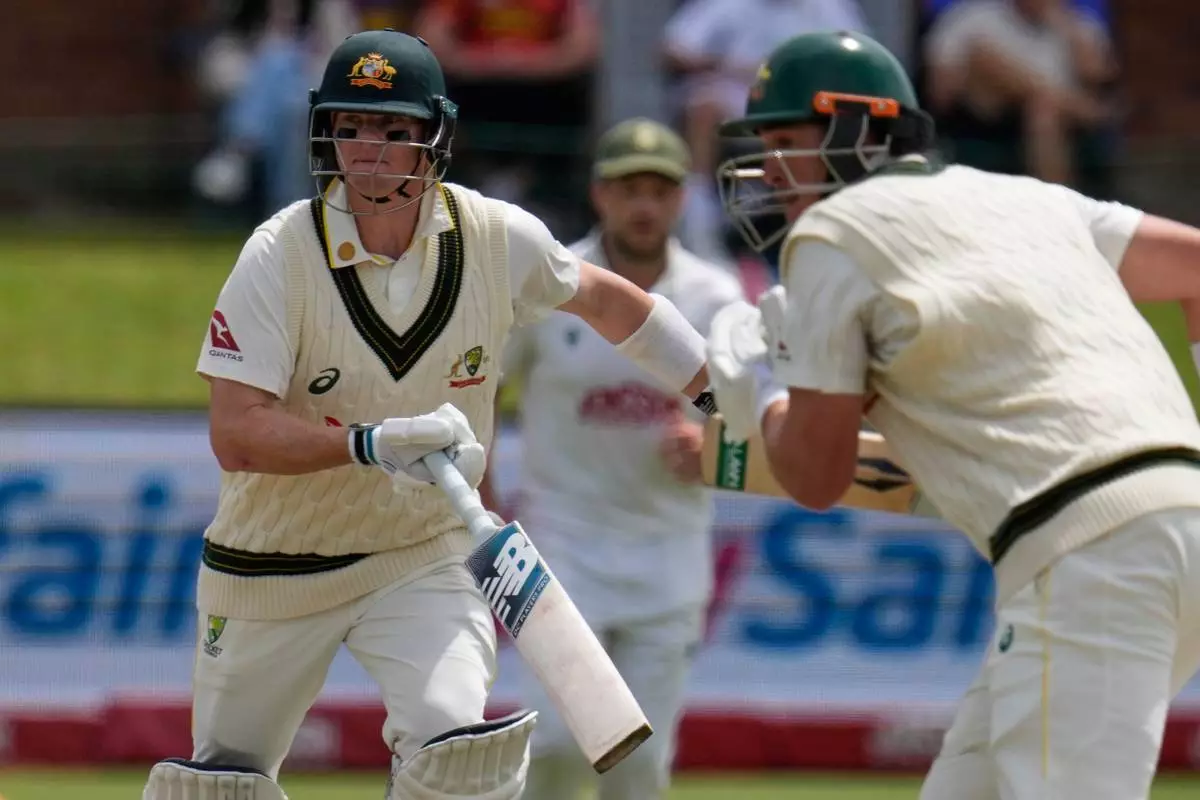
Australia's Steven Smith, left and Australia's Matt Renshaw, right run between the wickets during day four of the second cricket test match between South Africa and Australia, in Gqeberha, South Africa, Wednesday, Oct. 21, 2026. (AP Photo/Themba Hadebe)
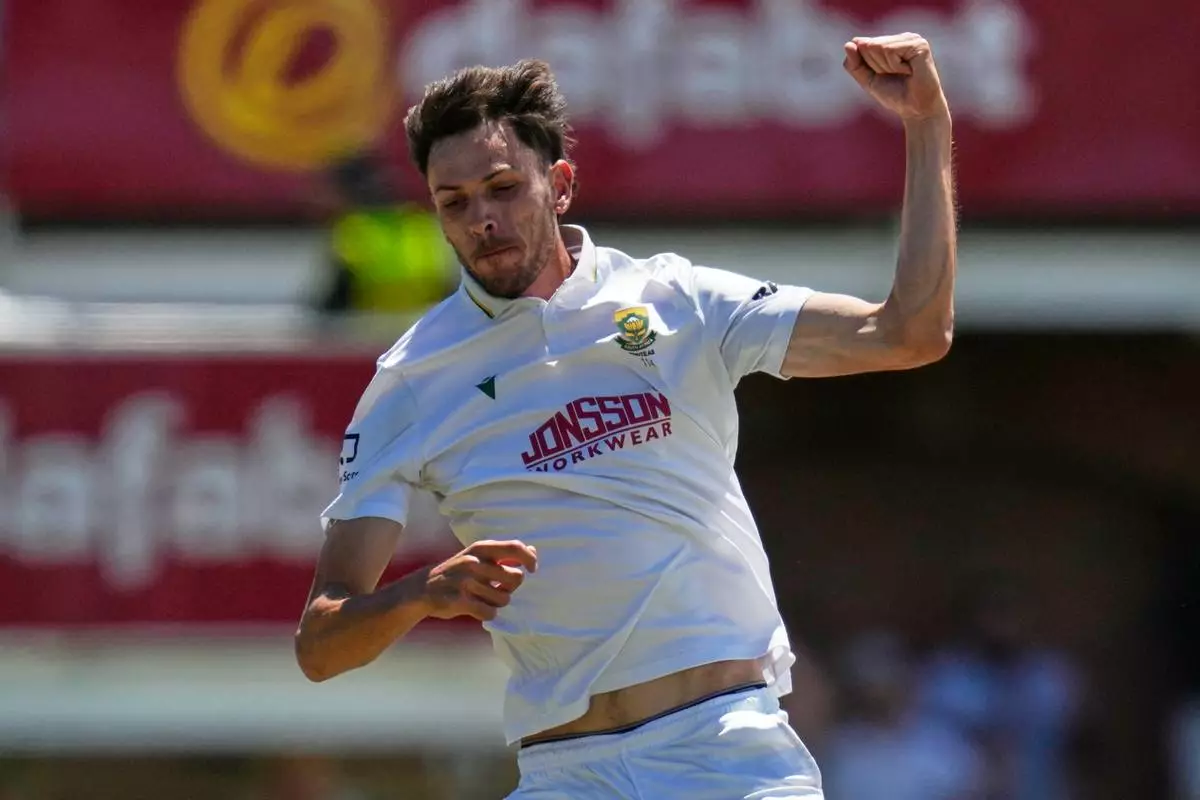
South Africa's Marco Jansen celebrates the wicket of Australia's Alex Carey during day four of the second cricket test match between South Africa and Australia, in Gqeberha, South Africa, Wednesday, Oct. 21, 2026. (AP Photo/Themba Hadebe)