China will send a delegation to the 31st meeting of the Conference of the Parties (COP 31) to the United Nations Framework Convention on Climate Change (UNFCCC), which is scheduled for Nov 9-20 in Antalya, Türkiye, and will actively promote international climate negotiations, an official said on Wednesday.
As a primary channel and platform for international cooperation in addressing climate change, COP31 will feature negotiations and consultations on nearly 100 agenda items related to the implementation of the UNFCCC and the Paris Agreement, covering mitigation, adaptation, finance and just transition.
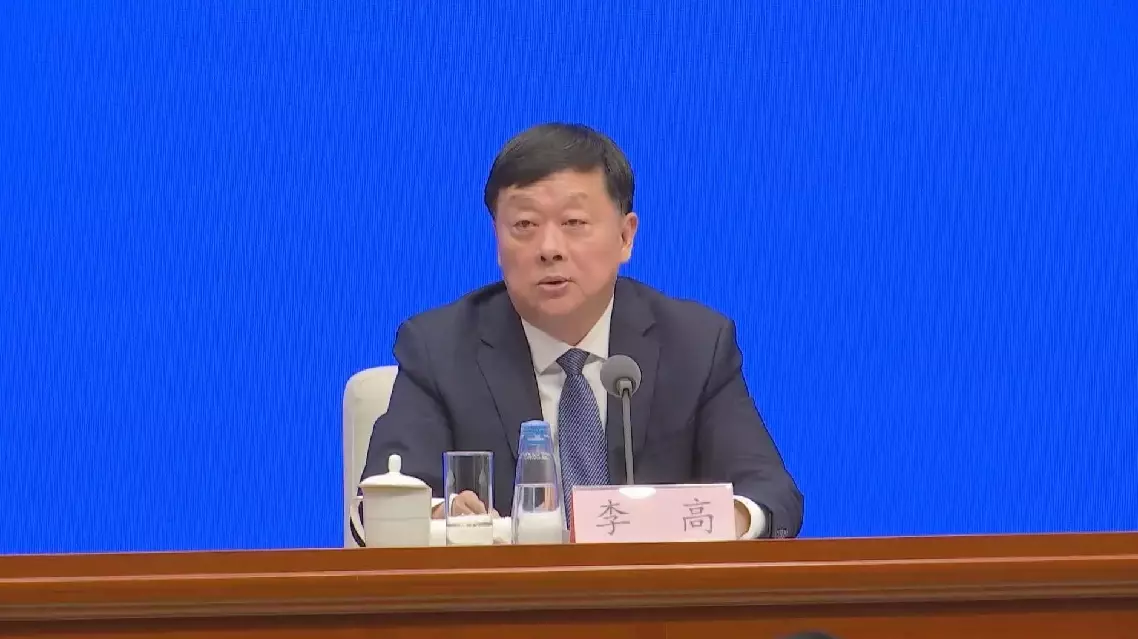
As the focus of global climate governance shifts from rule-making to implementation, China supports COP31 in prioritizing implementation and addressing both longstanding issues such as insufficient emissions reductions and inadequate financial support from developed countries, and emerging challenges including unilateralism and protectionism that undermine collective climate action, said Li Gao, vice minister of ecology and environment, at a press conference in Beijing.
China will work to ensure that the multilateral process supports and enables all parties, particularly developing countries, to implement their Nationally Determined Contributions, thereby advancing the goals of the Paris Agreement through concrete action.
"The top priority is to consolidate political consensus on solidarity and cooperation in addressing climate change. COP31 should uphold multilateralism and adhere to the objectives of the UNFCCC and the Paris Agreement, as well as the principle of 'common but differentiated responsibilities', sending a clear political signal to the international community that the global green and low-carbon transition is irreversible," Li said.
In order to make progress on climate finance, COP31 should host in-depth discussions on the roadmap for developed countries to deliver the 300-billion-U.S.-dollar climate finance goal by 2035 and to triple adaptation finance.
It should also advance the establishment of international mechanisms for a just transition, helping countries, particularly developing countries, address transition-related challenges and narrow the gap between the Global North and the Global South, Li said.
As a responsible major developing country, China has consistently participated in and promoted international climate negotiations in a proactive and constructive manner, and will contribute Chinese solutions, wisdom and strength to the success of COP31, he added.
China vows to actively promote climate talks at upcoming COP31
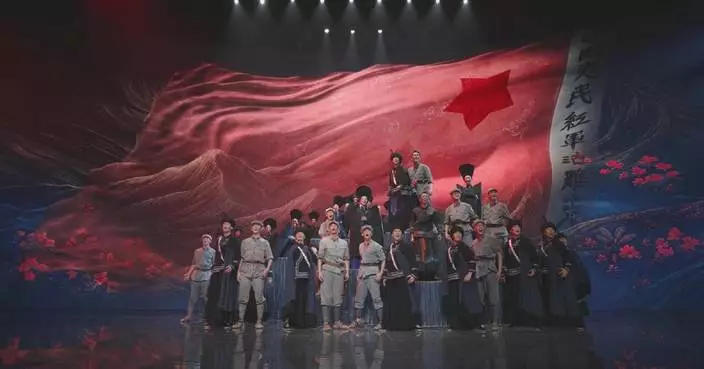
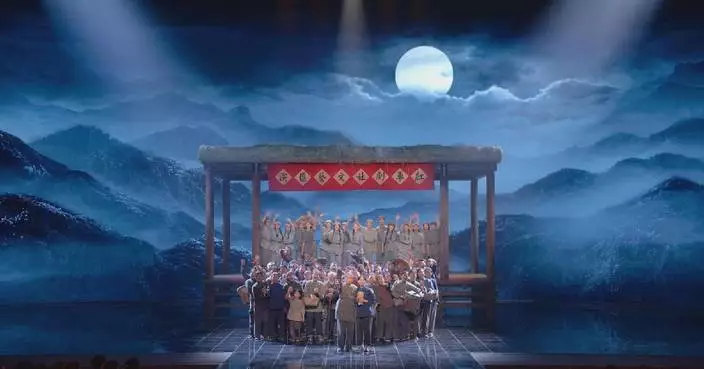
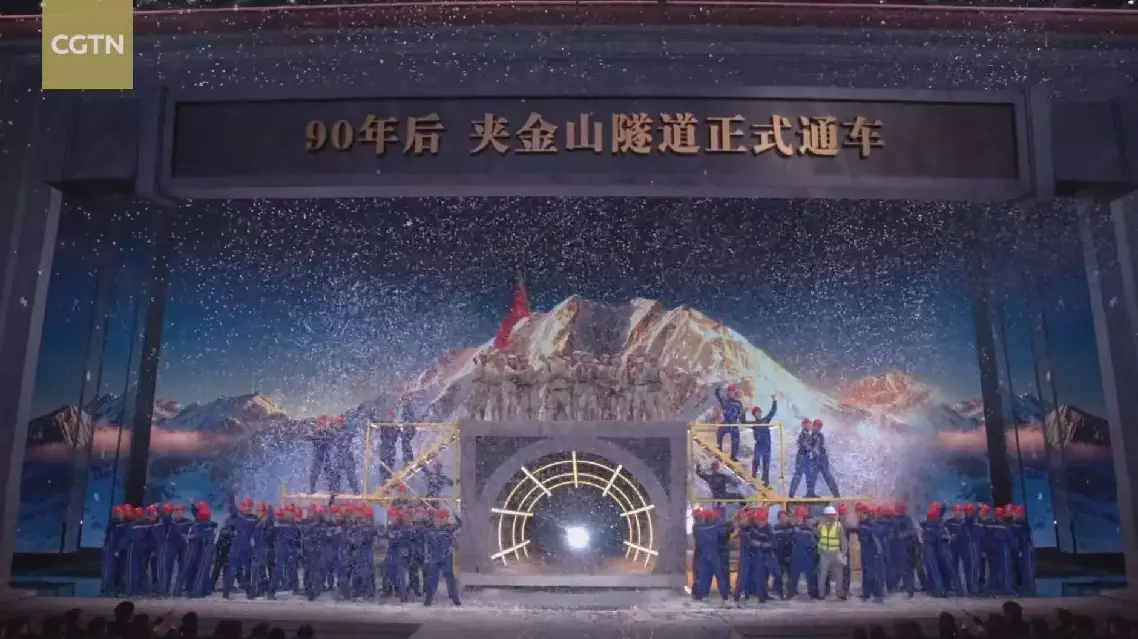
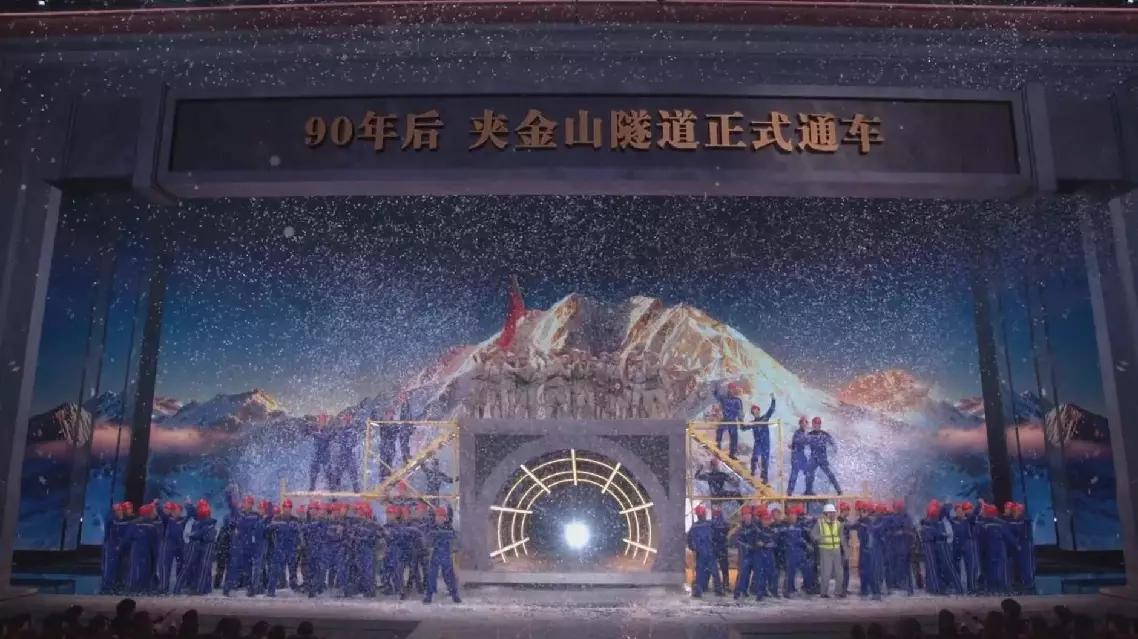
An evocative situational song and dance performance has vividly connected the Red Army's perilous crossing of a snow-capped mountain with a modern tunnel engineering marvel during a televised gala commemorating the 90th anniversary of the victory of the Red Army's Long March on Thursday.
The Long March (1934-1936) was a defining military maneuver undertaken by the Chinese Workers' and Peasants' Red Army, symbolizing endurance and perseverance which ultimately paved the way for the founding of the People's Republic of China in 1949.
Titled "Ode to the Long March," the five-part gala broadcast by the China Media Group (CMG) centers on key historical junctures of the arduous 12,500-kilometer journey.
One of these performance segments sought to bring to life the Red Army's strenuous crossing of a snow-topped peak during the epic military trek. It weaves together two eras -- the soldiers' desperate climb through the blizzards and the modern-day construction of a tunnel through the same mountain -- to show how the spirit of perseverance endures across generations.
Through poignant dialogue and an enchanting song, the piece shows soldiers supporting one another through a fierce snowstorm, culminating in a young soldier's dream of drilling a hole through the mountain once the revolution is won. This vision comes to life as the stage setting shifts to the present day, featuring a powerful exchange between a Red Army commander and a modern engineer, symbolizing their shared determination to conquer nature's barriers.
The segment depicts the Central Red Army's June 1935 crossing of the Jiajin Mountain in southwest China's Sichuan Province, the first major snow mountain they encountered on the Long March.
Decades later, over 600 workers labored for 45 months to build the Jiajin Mountain Tunnel of the G351 highway, an engineering marvel that has permanently ended the winter isolation of over 110,000 local residents.
Integrating music, dance, drama, and folk art, the performances at the Gala vividly recall the immense hardships the Red Army endured and showcase the firm beliefs held by the Communist Party of China (CPC), even in the face of sacrifice and suffering.
The broadcast followed a commemorative meeting held earlier on Thursday at the Great Hall of the People in Beijing, where Chinese President Xi Jinping delivered an important speech.
The Long March began in October 1934, when 86,000 poorly armed soldiers began a grueling 12,500-kilometer journey across some of the country's harshest terrain to establish a new revolutionary base. The march concluded in October 1936 when three main Red Army forces converged in northwestern China.
Gala performance bridges past, present with nod to Long March history, modern engineering
Gala performance bridges past, present with nod to Long March history, modern engineering
Gala performance bridges past, present with nod to Long March history, modern engineering