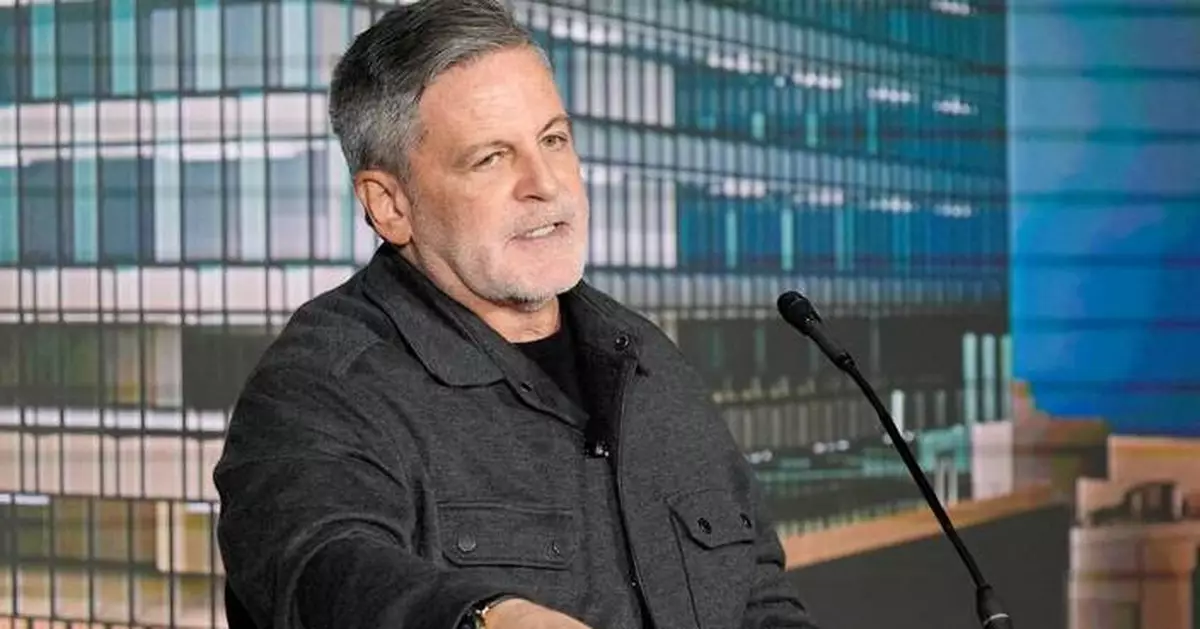
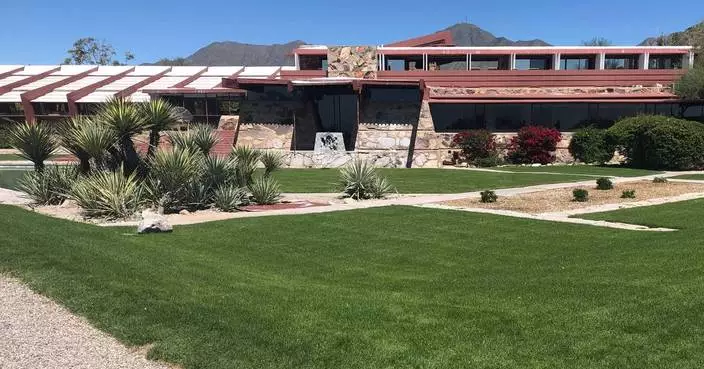
Dan Gilbert, the billionaire co-founder of Rocket Mortgage, says he will contribute $1 billion to the redevelopment of the Renaissance Center in Detroit, a set of skyscrapers that formerly housed the headquarters of General Motors. Set along the Detroit River, the center was hailed as a major success in revitalizing the city after riots in the late 1960s, but in recent years it has become almost entirely vacant and fallen into disrepair.
By creating a nonprofit to manage his blockbuster $1 billion commitment, Gilbert says he is sending a signal to city residents that he is not in it for the money.
The total cost of the project might reach $2.2 billion and includes investments from General Motors.
“We all share the goals of bringing new life to the Renaissance Center, of building a thriving riverfront district for all to enjoy, and of maximizing positive community impact,” Gilbert said in a statement. “I cannot think of a better way to accomplish these goals than through a nonprofit organization dedicated to this mission in perpetuity.”
According to Gilbert’s statement, the new organization will be a 501(c)(4) nonprofit, which can engage in unlimited lobbying. Donations to such organizations are not tax-deductible. Gilbert did not return requests for comment.
Jamaine Dickens, chair of the city Neighborhood Advisory Council for the section of the city where the Renaissance Center is located, said the project could generate 8,000 local construction jobs. It would also make the riverfront a more inviting place, he said.
“Detroit is one of the most segregated communities in America, but that riverfront is where everyone comes together and enjoys it all at the same time, despite age, despite gender, despite race,” he said.
Gilbert’s announcement is the latest in a string of commitments to Detroit from the Rocket Mortgage founder and one of many large-scale investments by philanthropy into the city’s future. In 2013, a group of foundations put a combined $816 million into a plan known as the “grand bargain,” which allowed the city to fulfill its pension obligations and fend off bankruptcy without selling art treasures from the Detroit Institute of Arts.
Last year, when the Kresge Foundation announced it would relocate its headquarters to Detroit from its longtime home in the suburbs, it committed nearly $200 million to development projects in the northwest region of the city.
Rip Rapson, Kresge’s president and a key player in the grand bargain, hailed Gilbert’s announcement in an email, saying it was a “powerful reminder” of the important role foundations can play in democratizing public spaces, making them useful and accessible to all of the city’s residents and visitors alike. It would transform the riverfront area from being “less than inviting at best, and forbidding at worst” to a destination point.
By making the investment through a nonprofit, Rapson said, Gilbert was sending a positive message. Rapson told a gathering of Kresge staff the day of Gilbert’s announcement that the details would need to be examined, but he thought that “the creation of what will, in effect, be a form of conservancy, strikes me as a move genuinely aimed at ensuring … that civic engagement will be a priority in the project’s design and operations.”
Developers often argue that new construction creates jobs and adds to city revenue to build parks and provide other public services. But, historically, major development projects in Detroit, like those in most major cities, have come under fire because of tax incentives local jurisdictions give to developers. According to a 2024 report from Detroit Action, a progressive nonprofit advocacy group, the city lost almost $750 million in tax revenue because of tax abatements and other favorable tax treatment given to corporate developers. Detroit Action, which did not return calls for comment, was skeptical in its report.
“For these benefits to materialize, the City must prioritize its residents’ needs first,” the report states. “Deficiencies in critical areas like housing, education, and transportation prevent working class Detroiters from fully benefiting from the jobs and amenities development brings.”
The Renaissance Center project has received $75 million from the Detroit Downtown Development Authority, which will be reimbursed, and is seeking more than $300 million in other tax benefits.
Dickens, of the neighborhood advisory group, said that any slim revenue that comes in after covering operational expenses and debt would be directed right back into the project, rather than adding to Gilbert’s fortune.
The traditional narrative used by opponents of tax breaks for building is, “We don’t want tax incentives to make a billionaire richer,” Dickens said.
“Dan Gilbert would erase that narrative for this project by saying this is not a profit-making venture, this is an impact-making venture,” Dickens said. “He’s saying ‘I’m not in this for the money I’m in this for the impact.’”
Alex Daniels is a senior reporter at the Chronicle of Philanthropy, where you can read the full article. This article was provided to The Associated Press by the Chronicle of Philanthropy as part of a partnership to cover philanthropy and nonprofits supported by the Lilly Endowment. The Chronicle is solely responsible for the content. For all of AP’s philanthropy coverage, visit https://apnews.com/hub/philanthropy.
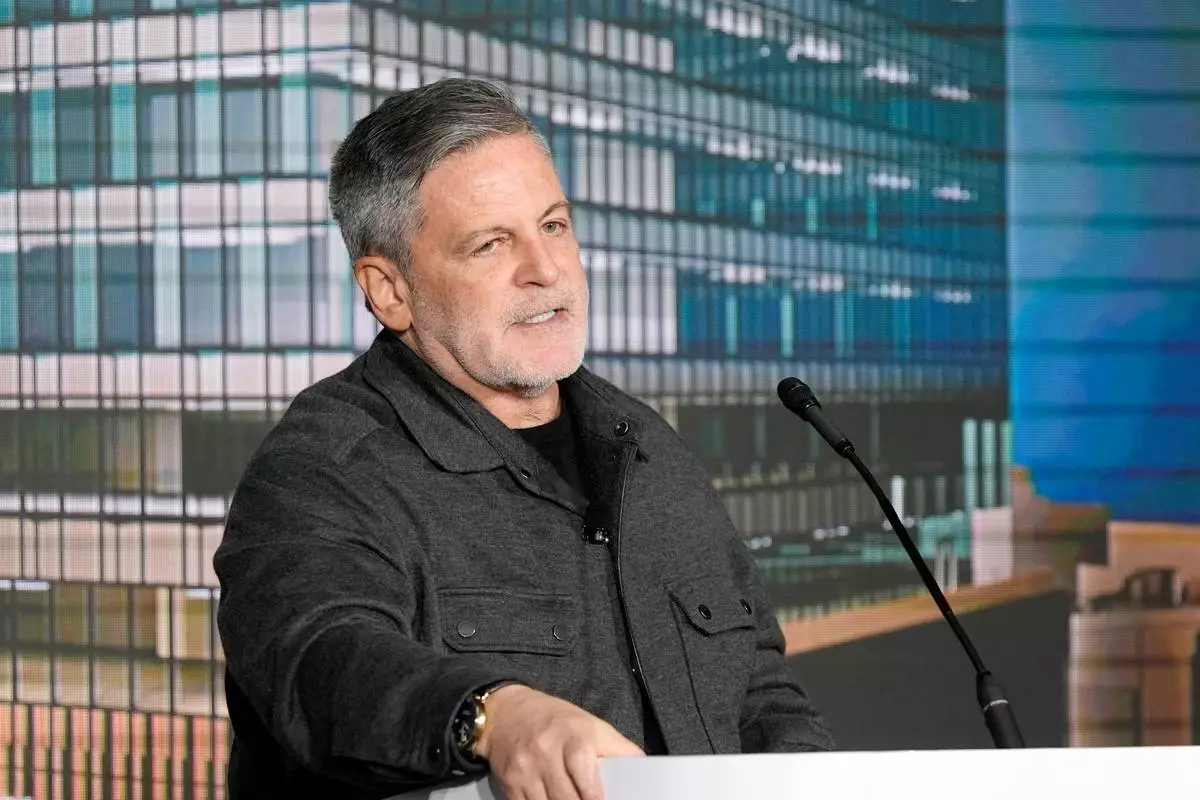
FILE - Bedrock Chairman Dan Gilbert addresses a news conference, April 15, 2024 in Detroit. (AP Photo/Carlos Osorio, File)
NEW YORK (AP) — U.S. stocks climbed following strong profit reports from SpaceX, Capital One Financial and other big companies. The S&P 500 added 0.6% Wednesday and pulled closer to the all-time high it set earlier this month. The Dow Jones Industrial Average added 0.7%, and the Nasdaq composite climbed 1.1%. A much better profit report from SpaceX than analysts expected helped lift several other AI-related stocks, along with Elon Musk’s other public company, Tesla. That made up for losses by Netflix and other stocks hurt by worries about upcoming growth. Treasury yields erased an early dip in the bond market.
THIS IS A BREAKING NEWS UPDATE. Check back for updates. AP’s earlier story follows below.
NEW YORK (AP) — The U.S. stock market is rising Wednesday following strong profit reports from SpaceX, Capital One Financial and other big companies.
The S&P 500 added 0.4% and pulled within 1% of its all-time high set earlier this month. The Dow Jones Industrial Average was up 171 points, or 0.3%, with an hour remaining in trading, and the Nasdaq composite was 0.9% higher.
SpaceX helped lead the market and climbed 7.2% after reporting a stronger profit for the summer than analysts expected. Elon Musk, who runs the company that makes money from artificial-intelligence technology, rockets and other businesses, also said that SpaceX took a step to consider a possible merger with Tesla, his electric-vehicle company.
Tesla rose 3.3% ahead of its own earnings report scheduled for late Wednesday and was one of the strongest forces lifting the S&P 500.
Other stocks rallying on profit reports that topped analysts’ expectations included Capital One Financial, which rose 2.7%, and Winnebago Industries, which climbed 7.8%.
Expectations are high for profit growth during the summer, and companies will need to meet them to justify the big runs their stock prices have made toward records despite worries about high inflation, higher interest rates and other challenges weighing on Wall Street.
Winnebago was able to report a more resilient profit than analysts expected even as high fuel prices and frustration among U.S. shoppers restrain interest in recreational vehicles, for example. CEO Michael Happe said its more expensive towable RVs are a tougher sell, but customers are interested in its “more accessible” offerings.
On the losing side of Wall Street was Netflix, which fell 4.9% even though the streaming service reported a stronger profit than analysts expected. Investors focused instead on worries that Netflix’s momentum may be slowing. The company’s forecast for revenue growth in the final three months of the year fell short of analysts’ expectations.
AT&T fell 5.7% even though it likewise delivered a stronger profit for the latest quarter than analysts expected. It gave a forecast for growth this year in an underlying measure of earnings before income taxes and some other things that fell short of some analysts’ expectations.
Among AI stocks, which have been at the center of the market’s action in recent weeks, the movements remained unsettled.
After leading the rest of the market for years because of the frenzy around AI, stocks in the industry have become shaky on worries that the build out of data centers may slow because of how much more expensive it’s become to borrow money.
CoreWeave, which has borrowed money to buy AI chips that it rents out to customers over the cloud, has been particularly volatile. It bounced between an early gain of nearly 4% and a drop of 4.5% Wednesday morning before moderating to a dip of 0.5%. A day earlier, it had careened between similarly wide gains and losses.
Other AI-linked stocks were more resilient. Nvidia's rise of 1.9% was the strongest force lifting the S&P 500.
Besides SpaceX’s profit report showing strength for AI spending, another encouraging signal for the industry came from Super Micro Computer, which sells AI servers and services. It said it expects to report stronger revenue for the summer than it had earlier forecast because of “increased demand for AI platforms,” and its stock rallied 8.5%.
In the bond market, the yield on the 10-year Treasury erased an early dip and rose to 5.14% from 5.12% late Tuesday.
It swung with oil prices, which remained unsteady on Wednesday. The price for a barrel of Brent crude drifted between $108 and $111 before settling at $108.82. Through October, it's been yo-yoing between $97 and $112 in October on uncertainty about when the war with Iran will allow the global energy industry to return to normal.
In stock markets abroad, indexes rose in Europe following a mixed finish in Asia. South Korea’s Kospi jumped 3.3% for one of the world’s biggest moves as AI stocks regained strength.
AP Business Writers Michelle Chapman and Elaine Kurtenbach contributed to this report.
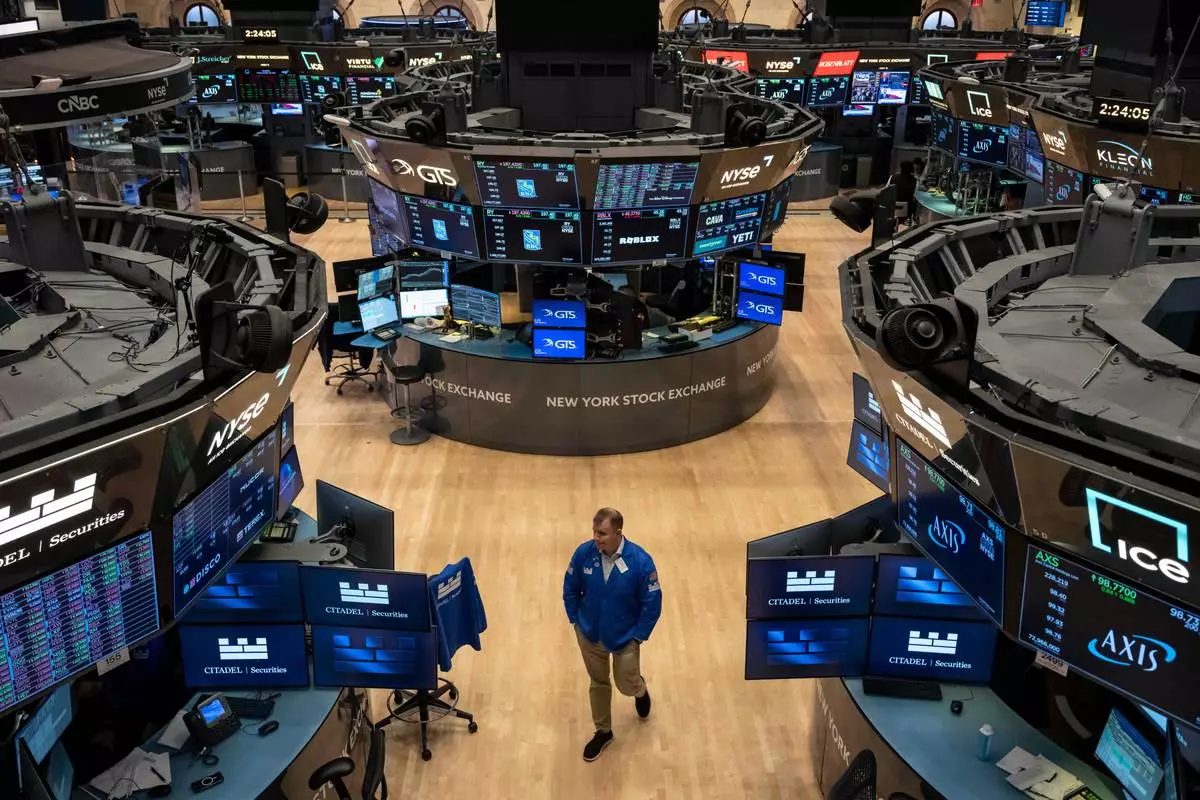
A general view shows the floor of the New York Stock Exchange, Friday, Oct. 16, 2026, in New York. (AP Photo/Yuki Iwamura)
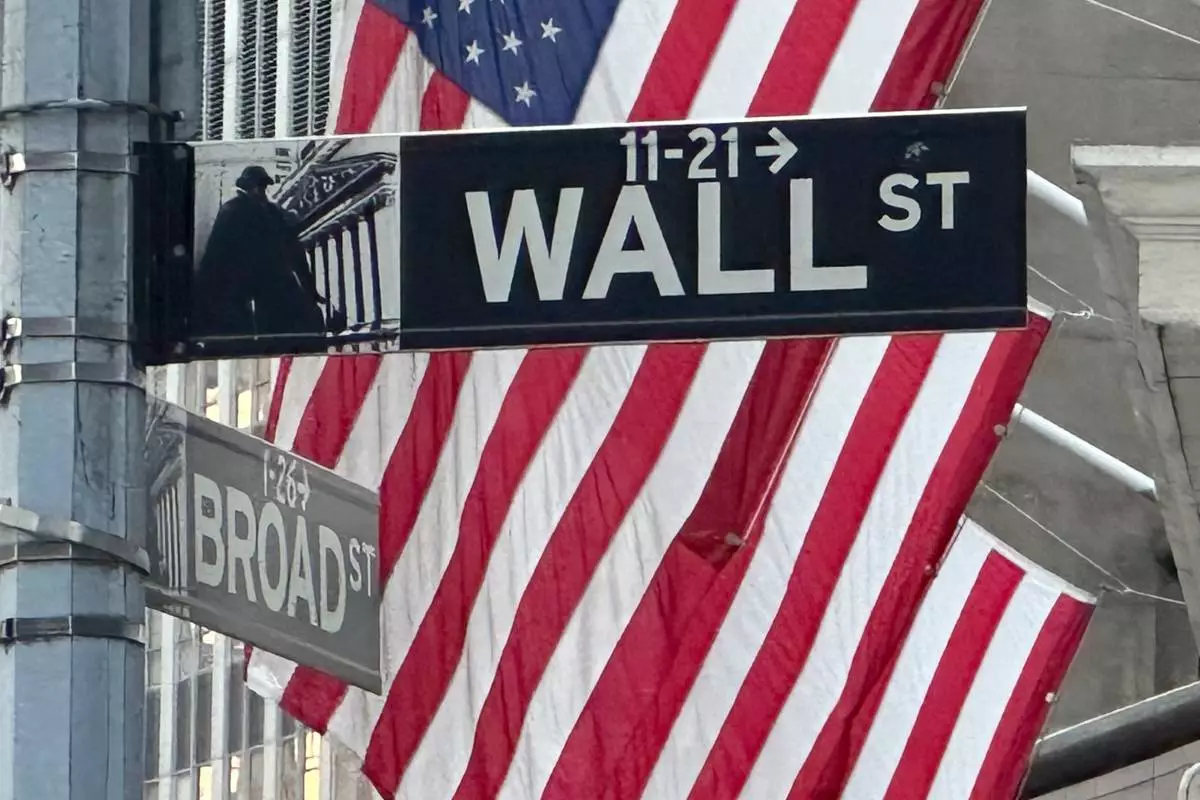
FILE - Signs at the intersection of Broad and Wall Streets stand near flags flying from the New York Stock Exchange on Sept. 4, 2024, in New York. (AP Photo/Peter Morgan, File)

A currency trader passes by a screen showing the Korea Composite Stock Price Index (KOSPI) and the foreign exchange rate between U.S. Dollar and South Korean Won at the foreign exchange dealing room of the Hana Bank headquarters in Seoul, South Korea, Wednesday, Oct. 21, 2026. (AP Photo/Ahn Young-joon)

A currency trader talks with her colleague near a screen showing the Korea Composite Stock Price Index (KOSPI), and the foreign exchange rate between U.S. Dollar and South Korean Won at the foreign exchange dealing room of the Hana Bank headquarters in Seoul, South Korea, Wednesday, Oct. 21, 2026. (AP Photo/Ahn Young-joon)
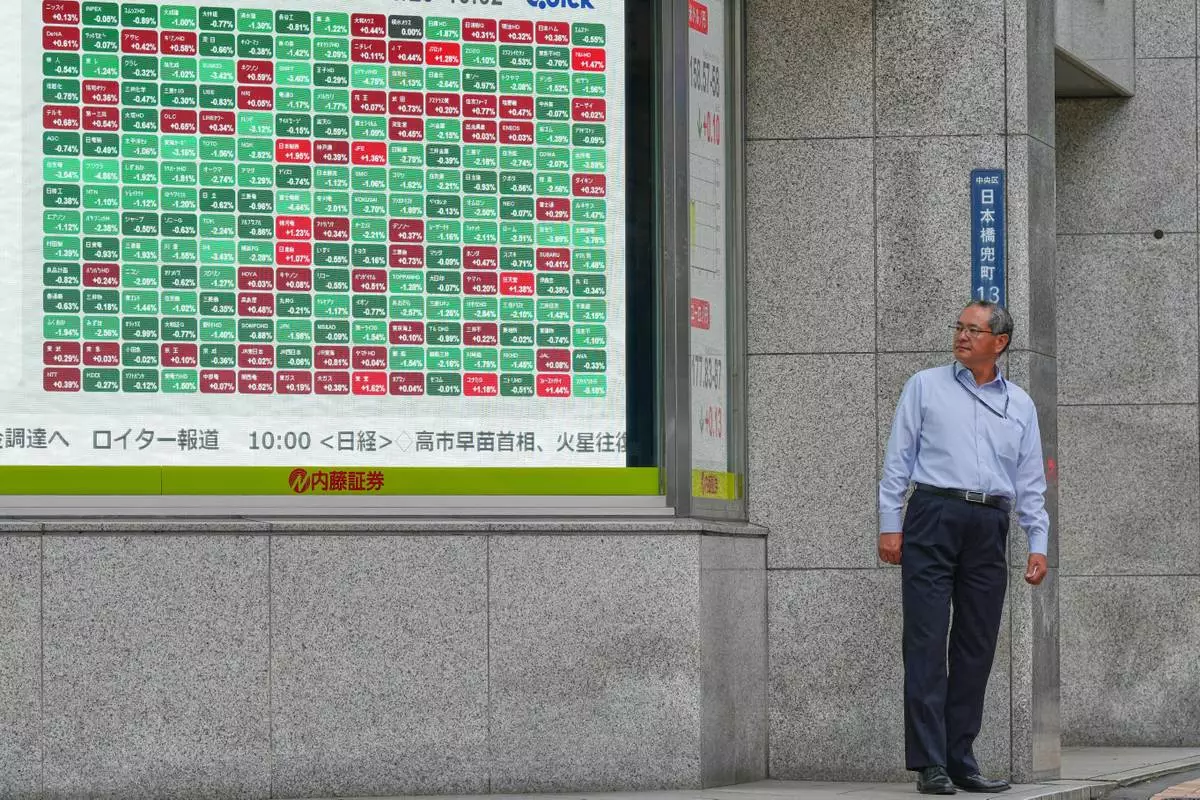
A person looks at an electronic stock board showing Japan's Nikkei index at a securities firm Tuesday, Oct. 20, 2026, in Tokyo. (AP Photo/Eugene Hoshiko)

A screen shows the Korea Composite Stock Price Index (KOSPI), the foreign exchange rate between U.S. Dollar and South Korean Won, SK Hynix and Samsung Electronics Co. stock price at the foreign exchange dealing room of the Hana Bank headquarters in Seoul, South Korea, Wednesday, Oct. 21, 2026. (AP Photo/Ahn Young-joon)