Skip to Content Facebook Feature Image

Calley Means, a key MAHA advocate, resigns as a top RFK Jr. adviser

News

Calley Means, a key MAHA advocate, resigns as a top RFK Jr. adviser
News

News

Calley Means, a key MAHA advocate, resigns as a top RFK Jr. adviser

2026-10-23 08:21 Last Updated At:08:30

WASHINGTON (AP) — Calley Means, a top adviser to Health Secretary Robert F. Kennedy Jr. and a chief advocate for the Make America Healthy Again movement, resigned from his position with the Trump administration Thursday.

In a statement, Means did not say why he was leaving. His departure comes as leading voices in the MAHA movement have expressed discontent with what they say is the Trump administration’s lack of progress on a variety of issues, including food security and regulating the weed killer glyphosate.

Means said he “leaves with tremendous respect” for President Donald Trump and Kennedy.

“The past two years have seen historic policy and cultural change to confront the chronic disease crisis and healthcare incentives that profit from us being sick,” Means said. “This movement is in the first inning and just getting started.”

Means was hired as a White House adviser early in the second Trump administration. He used his perch at the Health and Human Services Department to attack the nation’s leading physician groups, federal agencies and government scientists, claiming they only protect their own interests.

White House spokeswoman Allison Schuster said the Trump administration is “grateful” for Means’ time and “he has done a fantastic job for the MAHA movement.” A representative from Health and Human Services did not respond to a request for comment.

Health activist Kelly Ryerson, a leader of American Regeneration who is also known as Glyphosate Girl on social media, said she is “impressed that he completed over two years at HHS fighting the food battle, despite all of the obstacles presented by corporate interests.”

“At the heart of MAHA is a shared belief that the nation’s health must not be sacrificed to corporate profit, and that a preventable slide into chronic disease is a threat to America itself,” she said.

Means is the brother of wellness influencer, author and entrepreneur Dr. Casey Means, who failed to be confirmed as surgeon general earlier this year after doubts were raised over her vaccine stance.

Means, along with his sister, came to prominence within the MAHA movement by arguing that ultraprocessed foods, additives and pesticides could be blamed for many of the chronic health conditions facing Americans.

Means brought those arguments into the Trump administration and frequently clashed with senior White House officials who worried about alienating the powerful food industry.

At the same time, Means’ emphasis on food was a source of frustration for other figures within the MAHA movement who wanted to see Kennedy focus on “medical freedom” issues. For many, that meant rolling back federal recommendations and approvals for vaccines.

Despite Means’ efforts, the administration’s progress on food reforms has been slow going.

Kennedy had promised the release of a first-ever government definition of ultraprocessed food in April. Instead, FDA’s acting commissioner, Kyle Diamantas, told a conference that month that defining the class “is really hard.”

In August, Kennedy staffers again suggested a major announcement on the issue was imminent. Instead, the announcement focused on a proposal bringing greater scrutiny to food additives. It made only passing mention of ultraprocessed foods.

Zen Honeycutt, founder of Moms Across America, said Means will be missed by her organization, which operates local and national campaigns warning against pollution, water use and electricity costs associated with data center construction.

Honeycutt said Means “brought an energy and fearlessness to the Hill, fighting for our children to have healthy food in schools and for America’s health.”
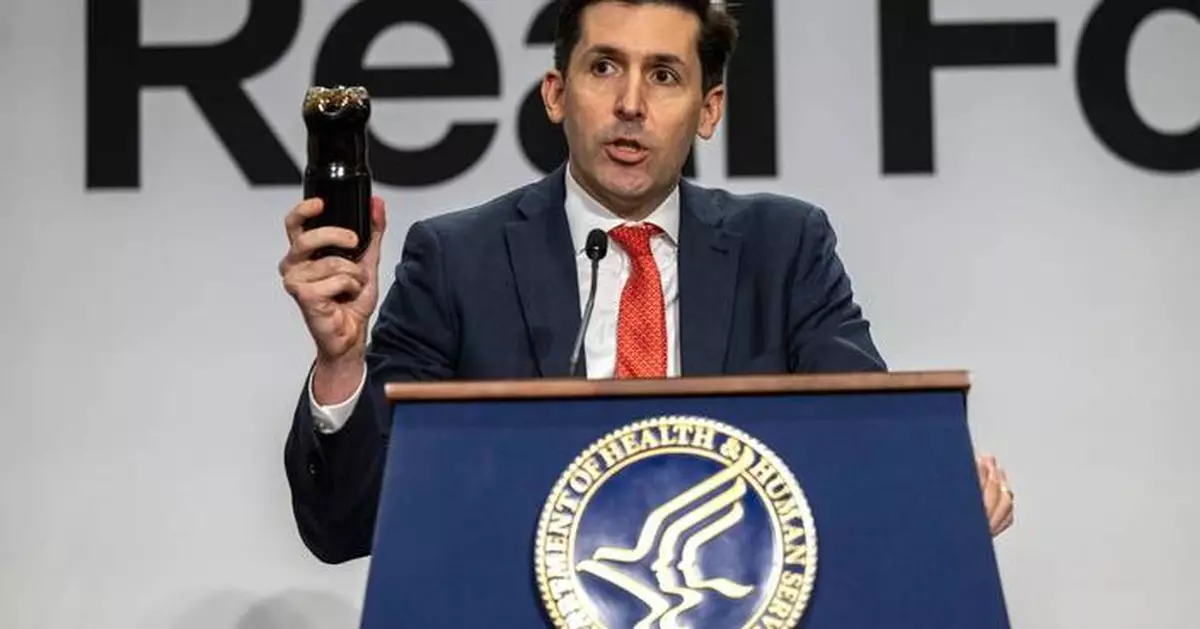
In this image provided by the U.S. Department of Agriculture, Calley Means, senior advisor for the U.S. Department of Health and Human Services, delivers remarks at HHS Headquarters in Washington, Feb. 11, 2026. (Christophe Paul/USDA via AP)

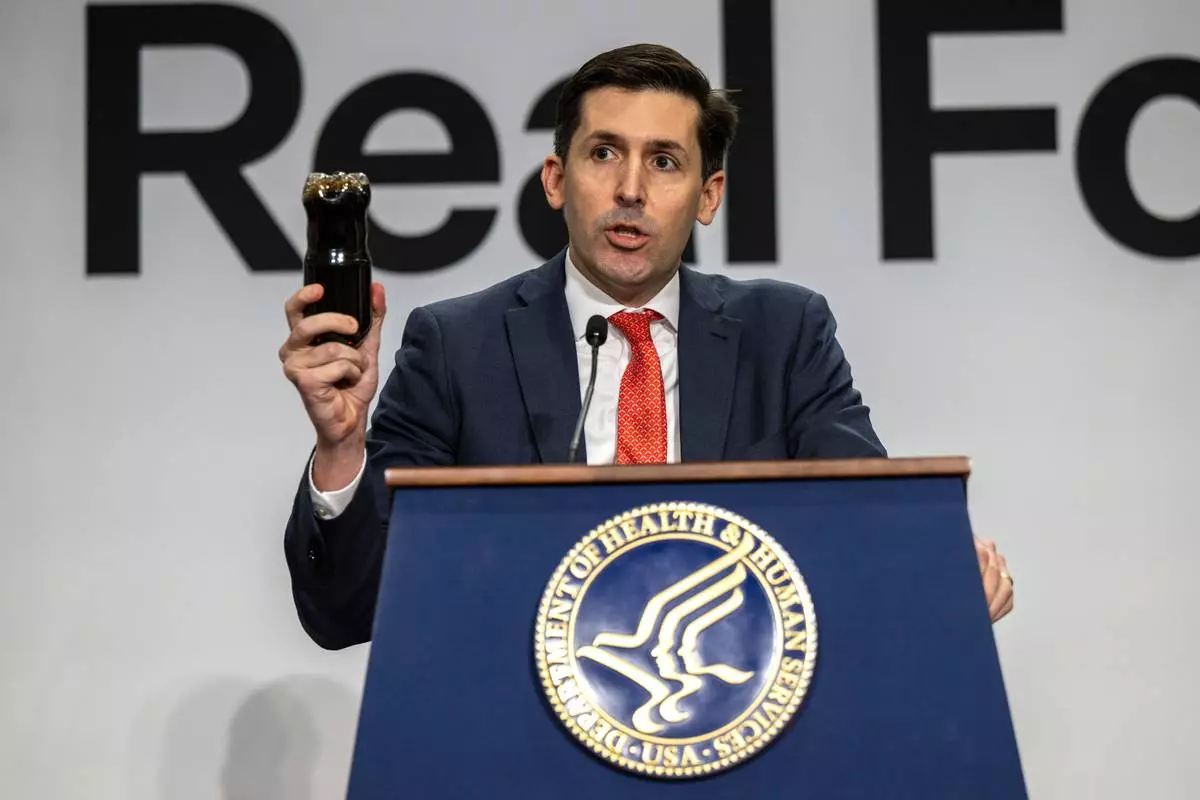
In this image provided by the U.S. Department of Agriculture, Calley Means, senior advisor for the U.S. Department of Health and Human Services, delivers remarks at HHS Headquarters in Washington, Feb. 11, 2026. (Christophe Paul/USDA via AP)
LAGOS, Nigeria (AP) — The first Ebola patients confirmed in Kenya and Nigeria might have crossed paths at an airport in Uganda earlier this month, African health officials said Thursday as they race to trace and slow an outbreak that has spread to several African countries.

Both patients are known to have traveled through Uganda's Entebbe International Airport on Oct. 3, said Dr. Wessam Mankoula, head of emergency preparedness and response at the Africa Centers for Disease Control and Prevention.

“One of the issues we are currently investigating has been some sort of interaction between the two cases at the airport,” Mankoula said.

Nigerian Health Minister Muhammed Pate said Nigeria's case remains contained and that contact-tracing is in progress. “We are trying to contain it so it doesn’t go out to the communities. Hopefully, it won’t get to that and we are working hard to ensure that,” Pate said.

The current Ebola outbreak emerged in Congo in May and the disease has since been detected in three other African countries, becoming the continent’s most geographically widespread Ebola outbreak in history.

Nigeria announced its first case on Tuesday, saying the patient had travelled from Uganda. Ugandan authorities denied the claim that the patient was exposed in their country and said the patient had travelled to Congo — something now disputed by health officials.

The Nigerian patient, who is a Uganda-born wife of a diplomat in Abuja, had vacationed in Uganda for two weeks in September and had arrived in Nigeria in early October, officials said. Nigeria said it is currently tracing 44 contacts. Mankoula said additional contacts have been identified, but declined to give the new figure.

Uganda recorded 20 cases before declaring itself free of the disease in June. However, the country is now believed to be linked to the new imported cases in Nigeria and Kenya. Kenya has recorded nine cases so far, linked to a traveler who had returned from Congo to Kenya through Uganda.

So far there is no indication that the Nigerian patient traveled to Congo, Mankoula said. Officials from the World Health Organization said the same thing at a separate briefing on Thursday.

“The information supplied to WHO did not include travel to another country during that period, and other accounts about prior travels were not communicated to us,” said Dr. Pavel Ursu, the WHO country representative in Nigeria.

Congo has been struggling to contain the virus, which has infected more than 9,500 people, killing nearly half of them. The virus has spread to eight provinces and 66 health zones across the country’s eastern region.

According to data from the Africa CDC, only 20% of confirmed cases are among known contacts and about 60% of deaths are within the community, outside of treatment centers. Analysts say the disease in some of the hotspots in Congo is out of control.

Dyepkazah Shibayan contributed to this report from Abuja, Nigeria.

For more on Africa and development: https://apnews.com/hub/africa-pulse

The Associated Press receives financial support for global health and development coverage in Africa from the Gates Foundation. The AP is solely responsible for all content. Find AP’s standards for working with philanthropies, a list of supporters and funded coverage areas at AP.org.

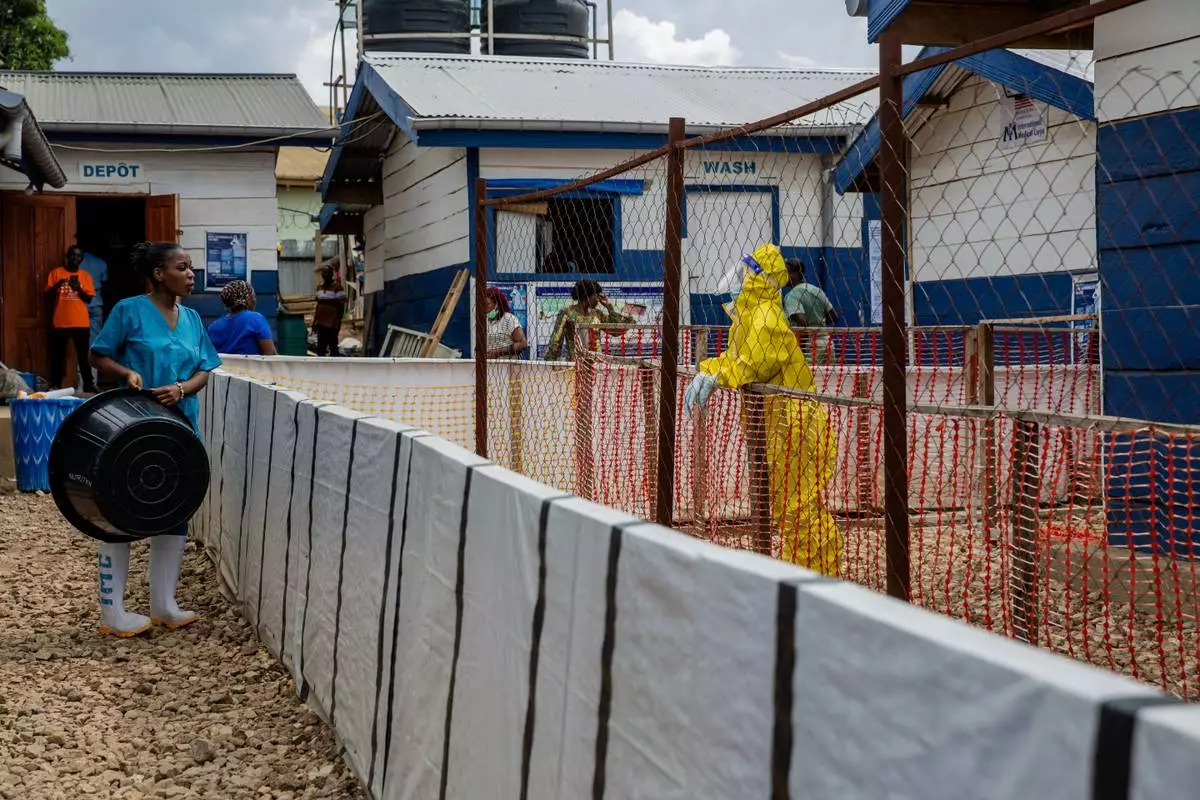
A healthcare worker speaks to a colleague at the Ebola treatment center in Beni, North Kivu province, Congo, Monday, Oct. 19, 2026. (AP Photo/Sebastien Kitsa Musayi)

A healthcare worker speaks to a colleague at the Ebola treatment center in Beni, North Kivu province, Congo, Monday, Oct. 19, 2026. (AP Photo/Sebastien Kitsa Musayi)

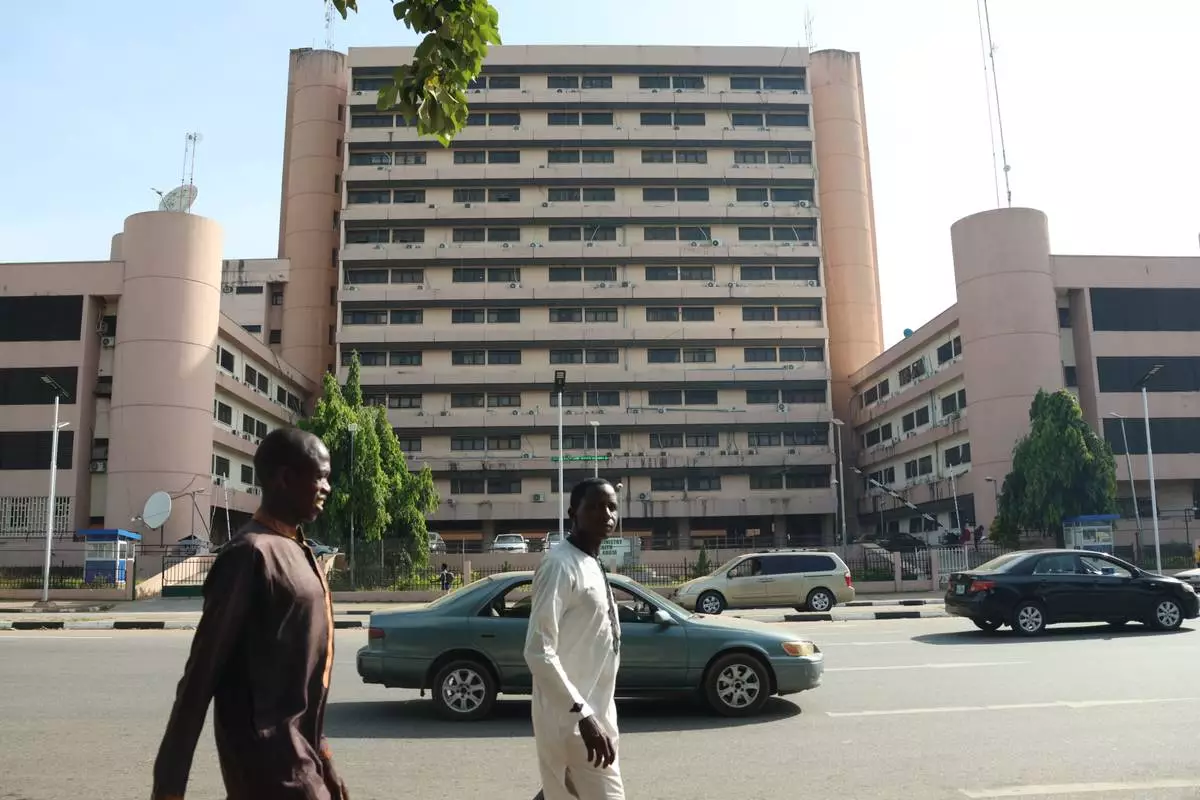
People walk past the Federal Ministry of Health in Abuja, Nigeria, Wednesday, Oct. 21, 2026. (AP Photo/Afolabi Sotunde)

People walk past the Federal Ministry of Health in Abuja, Nigeria, Wednesday, Oct. 21, 2026. (AP Photo/Afolabi Sotunde)

A man sells newspapers in Abuja, Nigeria Wednesday, Oct. 21, 2026. (AP Photo/Afolabi Sotunde)

A man sells newspapers in Abuja, Nigeria Wednesday, Oct. 21, 2026. (AP Photo/Afolabi Sotunde)

Recommended Articles