The first tanker carrying Russian diesel has departed for the United States, with further shipments expected to continue regularly, Kremlin Spokesman Dmitry Peskov said Friday.
The tanker, loaded with about 40,000 metric tons of diesel, left Russia's Baltic port of Primorsk on Friday and is heading for New York, with an expected arrival on November 7, according to data from vessel-tracking firm Kpler.
The shipment will mark the first import of Russian petroleum products into the United States since Washington banned imports of Russian oil and petroleum products in 2022.
Peskov said the supplies were proceeding under a Russia-U.S. agreement reached earlier this month. Russian special presidential envoy Kirill Dmitriev said Thursday that the diesel deal could lay the groundwork for broader Russian-U.S. cooperation and pave the way for further agreements on energy and fertilizers.
On October 9, Russian President Vladimir Putin and U.S. President Donald Trump spoke by phone and reached an agreement on supplying Russian diesel to U.S. and global markets.
On the same day, the U.S. Treasury Department's Office of Foreign Assets Control issued a temporary general license, authorizing Russian diesel transactions until April 7, 2027, in a bid to ease a global fuel shortage and curb soaring domestic prices.
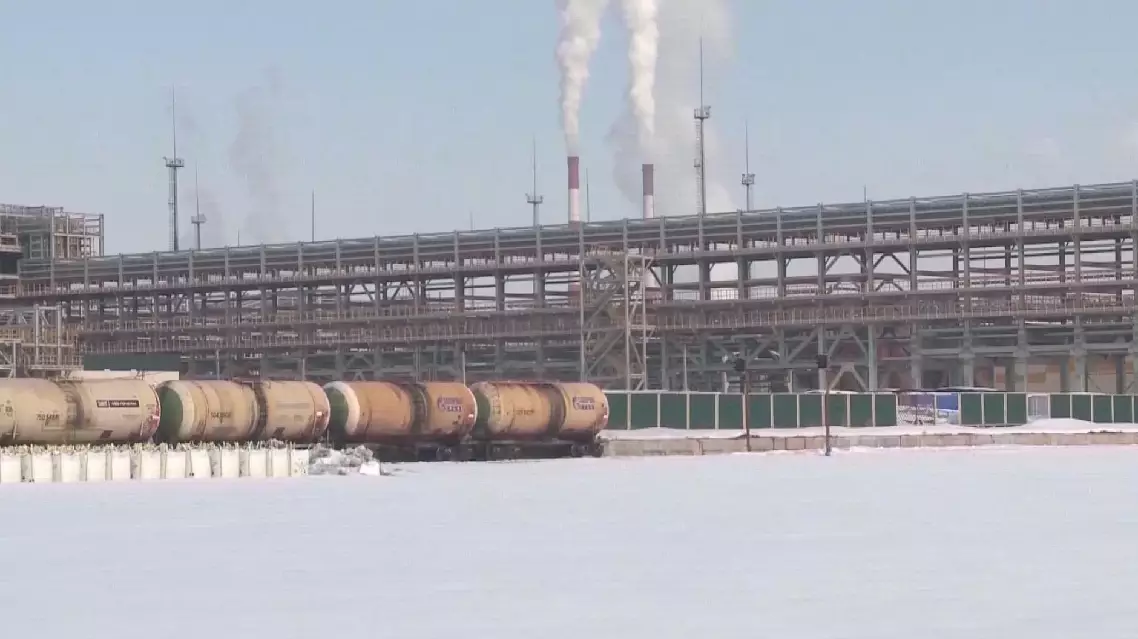
First Russian diesel tanker heads for U.S. under agreements: Kremlin
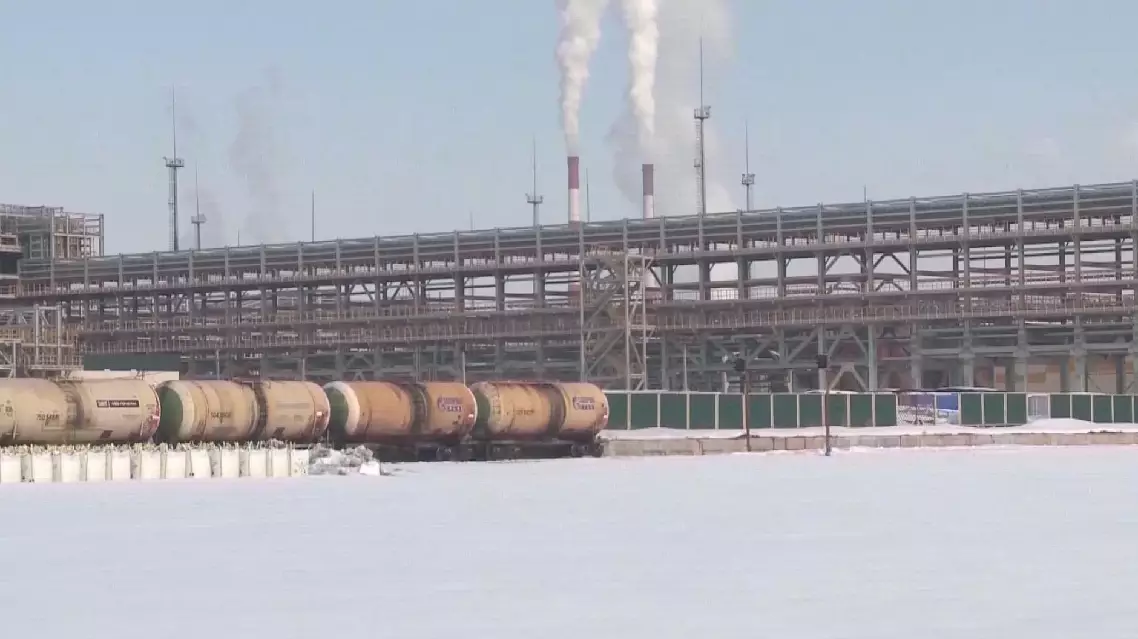
First Russian diesel tanker heads for U.S. under agreements: Kremlin
All residents of the two hardest-hit villages in the earthquake-stricken Baqen County of Nagqu City in southwest China's Xizang Autonomous Region have been properly resettled, with hot meals and heating available at their shelters.
At one resettlement site, more than 200 residents from a village in Maru Town have been housed.
The village that sits closest to the epicenter has seen many one- and two-story buildings suffering severe internal damages and becoming unsafe to live in.
A food supply point set up by the Chinese People's Liberation Army soldiers has been providing fresh hot meals and drinking water to affected residents at the resettlement site since Friday.
Many restaurant owners from nearby towns also came to the site early Saturday morning to provide breakfast for the affected residents.
In addition, firefighters went deep into the disaster area on Saturday morning to search for and retrieve valuables for the villagers.
In another hardest-hit village, relocation and resettlement have also been fully completed, with meals, quilts and other heating supplies provided at their shelters.
Since the quake, more than 5,000 personnel have been deployed to the front lines of the disaster relief operation, working in teams for search and rescue, medical treatment, temporary shelter and essential supplies.
After three rounds of comprehensive door-to-door checks, no missing persons had been reported as of 18:00 Friday, according to the emergency command headquarters.
The quake was strong, shallow and widely felt. In the epicenter's core area, some houses collapsed and power and communication facilities were damaged.
Local authorities have launched round-the-clock monitoring and emergency repairs at key sites including mountains, reservoirs, power stations, river channels, dilapidated buildings and communication base stations.
Communication services in Baqen County have now returned to pre-quake levels.
According to a geological hazard risk assessment of the quake zone by the China Aero Geophysical Survey and Remote Sensing Center for Natural Resources, preliminary findings suggest a relatively low risk of large-scale collapses and landslides in the area.

Worst-hit villagers in Xizang earthquake properly resettled