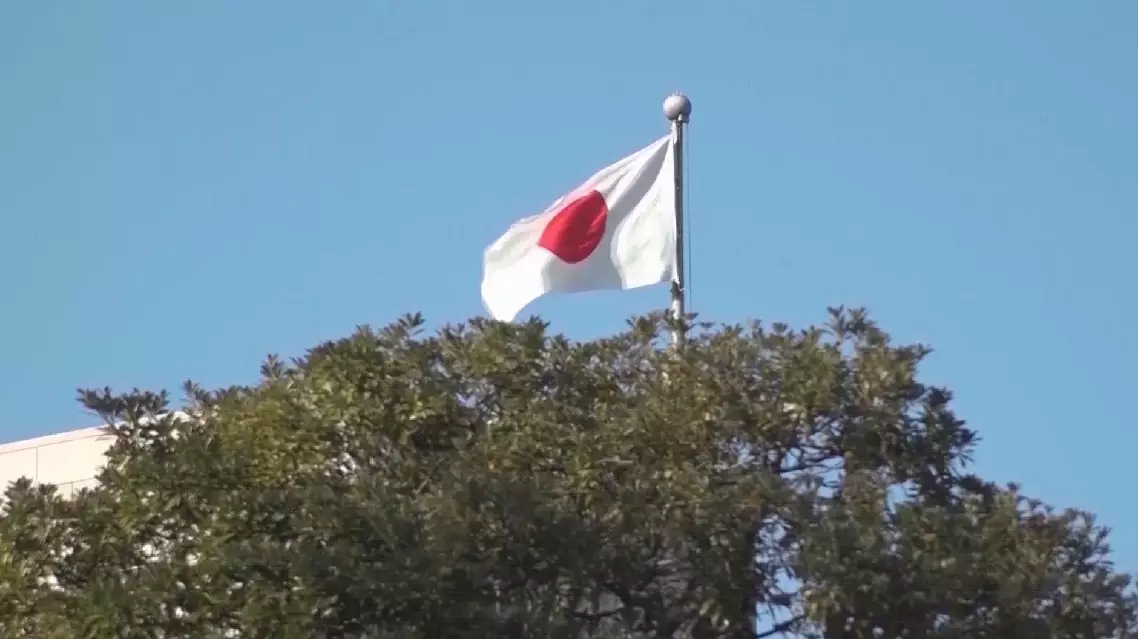
The Japanese government plans to step up public outreach on security policy from late October, targeting different age groups with tailored messaging as it prepares to revise its three key security documents by the end of this year, Kyodo News reported Saturday, a move that has raised concerns in Japan.
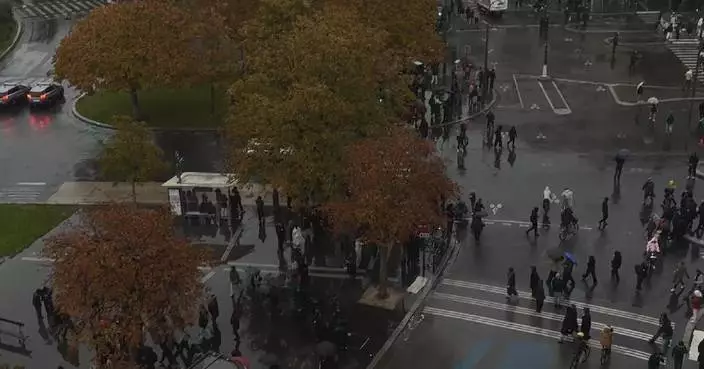
The government plans to release videos produced in collaboration with public figures on the internet and social media to reach younger audiences. Advertisements will also be placed on Tokyo subway trains and at Shibuya Crossing, a major intersection in the capital, highlighting the links between national security and everyday life.
For middle-aged and older audiences, the campaign will use social media, television and shopping mall advertisements to explain how security policy relates to family and personal safety, the report said.
The Japanese government plans to revise its three key national security documents by the end of 2026, with "new ways of warfare" and sustained combat capabilities expected to be among the key focuses. The revision is also expected to set a target for further increases in defense spending.
Japanese Prime Minister Sanae Takaichi suggested in parliament on Oct 14 that the wording concerning the Three Non-Nuclear Principles could be revised in the country's three key security documents, which the government plans to update by the end of this year.
Japan's Three Non-Nuclear Principles refer to not possessing, not producing, and not permitting the introduction of nuclear weapons into the country.
On Saturday evening, Japanese citizens held a protest rally in front of Shinjuku Station in Tokyo, noting that if Japan introduces nuclear weapons such as nuclear submarines, it will bring instability to the situation in East Asia.
"It is unacceptable that Takaichi seeks to remove the principle of "not permitting the introduction of nuclear weapons into Japan", which will make Japan lose international trust and send a wrong signal to the world," said a protester.
"I think it is very naive to believing that simply possessing these weapons will achieve defense. Doing so will only further worsen Japan's relations with neighboring countries. Can Japan really become happier as a result? Won't this deepen the rift with other countries?" said another protester.
"If Japanese Defense Minister Shinjiro Koizumi believes that the security environment around Japan is deteriorating sharply, the situation should be improved through diplomatic means. Article 9 of the Constitution clearly stipulates that no war shall be waged and no military force shall be held. Then why should tax revenue be used for military expansion? I cannot agree with it. I strongly urge that the Constitution must not be revised under any circumstances," said a third protester.
Japan's planned security publicity campaign raises concerns