International political figures are closely following the upcoming fifth Plenary Session of the 20th Central Committee of the Communist Party of China (CPC), highlighting the importance of the Party's approach to Party self-governance and its role in China's development.
In interviews with China Central Television (CCTV), political figures from various countries said that comprehensively enforcing strict Party self-governance—an approach put forward by President Xi Jinping—is of vital importance to the development and governance of both the Party and the nation.
"Throughout his leadership, President Xi Jinping has emphasized the importance of comprehensively enforcing strict Party self-governance. This entails the continuous development and self-improvement of the Party, ultimately rendering it stronger and more robust. As a major political party with a vast membership, the Communist Party of China must address challenges with integrity, honesty, and a spirit of selfless dedication, while committing itself wholeheartedly to serving the Party, the nation, and the people," said former Thai Deputy Prime Minister Phinij Jarusombat.
"This policy, formulated by President Xi Jinping in 2014, is highly significant. I believe it serves as an example for all political parties, in the sense that it incorporates self-criticism—or rather, it articulates self-criticism—along with a profound capacity for self-reflection," said Rodrigo Andres Alvarez, secretary of the International Relations Department of the Communist Party of Colombia.
Beyond Party self-governance, interviewees also highlighted the importance of effective leadership, sound policies and coordinated efforts in driving national development.
"A nation cannot just develop spontaneously; it requires the concerted efforts of various stakeholders, including the central government, the legislature, local governments, social organizations, and enterprises. In China, the CPC bears a significant responsibility for the country's development and governance. It is, therefore, essential to examine and study the development philosophies and policy proposals put forward by the CPC and its leadership, and to understand how China's leaders drive the country's development, enhance governance capacity, and continuously strengthen the country's competitiveness across all sectors," said Janusz Piechociński, former deputy prime minister and minister of economy of Poland
"In my view, the consistency of the political leadership, their execution plan, and their belief in a concept, which is a learning lesson for all emerging nations. That concept is right person for the right job at right time," said Hanan Ali Abassi, president of the National Youth Assembly of Pakistan.
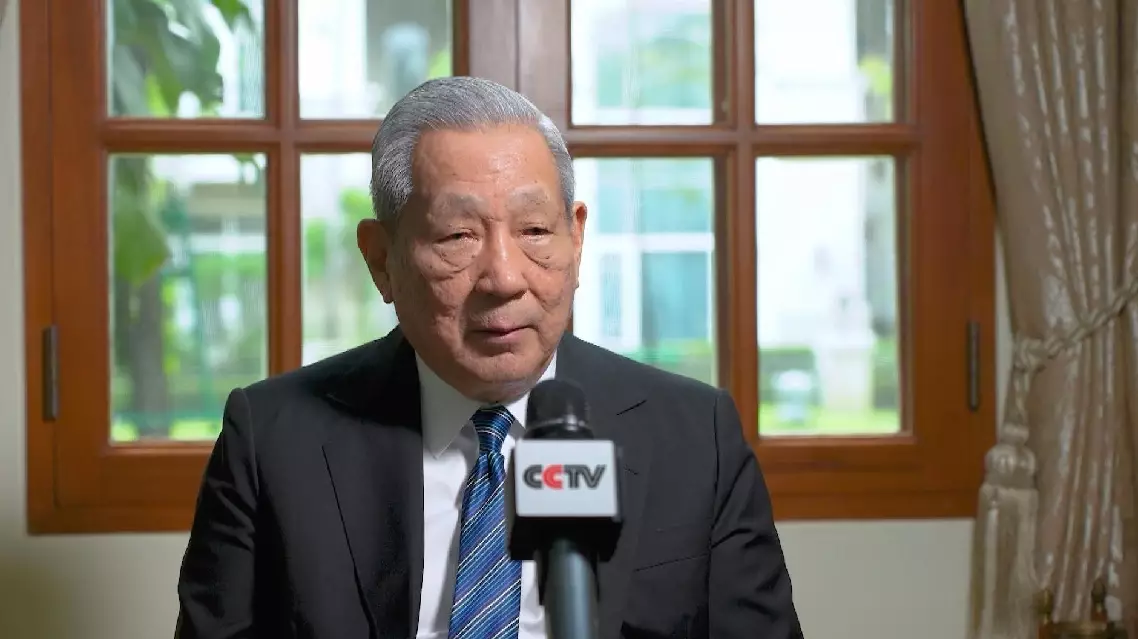
Int'l political figures highlight CPC's approach to self-governance ahead of plenary session