JALUD, West Bank (AP) — Israel's elections Tuesday could mark the end of Prime Minister Benjamin Netanyahu's decades-long political career.
But his legacy in the Israeli-occupied West Bank — of massive settlement expansion, the displacement of tens of thousands of Palestinians and the empowerment of armed settler extremists — will likely endure, even if his opponents seek to rein it in.
Click to Gallery
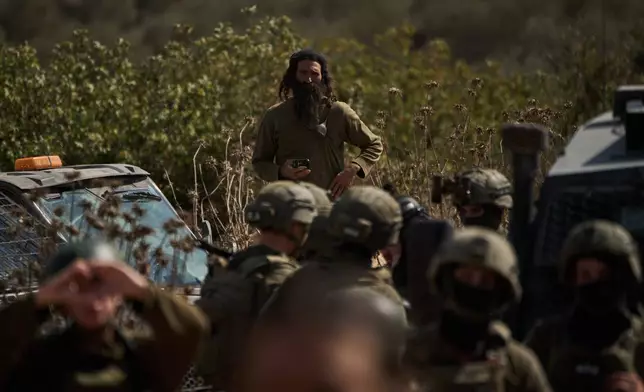
FILE - An Israeli settler overlooks members of Israeli forces blocking a road preventing Palestinians from reaching groves to harvest olives in the West Bank town of Turmus Ayya, Oct. 21, 2026. (AP Photo/Leo Correa, File)
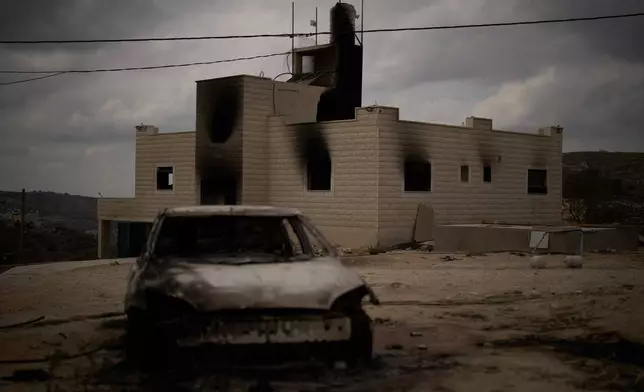
FILE - A burnt car is seen in front of one of the two Palestinian houses belonging to the Tubasi family, which were burned in the West Bank village of Jalud, Sept. 29, 2026, following an overnight attack by Israeli settlers. (AP Photo/Leo Correa, File)
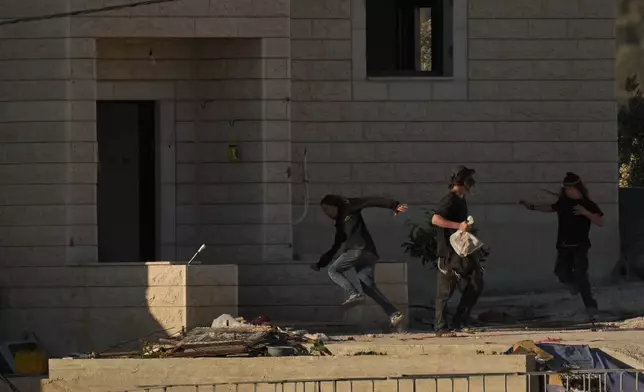
FILE - Israeli settlers are seen at one of the Palestinian houses belonging to the Tubasi family after they took it over in the West Bank village of Jalud, Aug. 25, 2026. (AP Photo/Leo Correa, File)
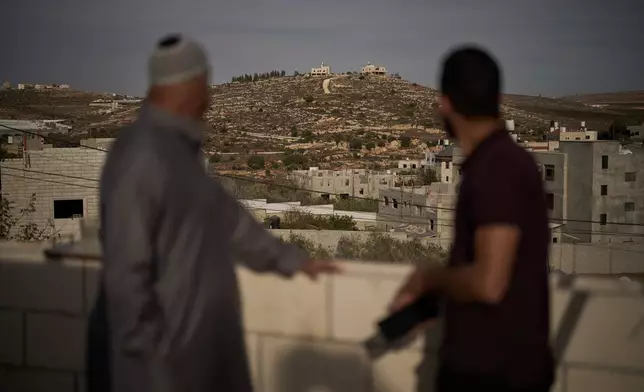
Mahmoud Tubasi, left, and his son Wael, over look their family's houses, which were burned by Israeli settlers in the West Bank village of Jalud, Tuesday, Oct. 20, 2026. (AP Photo/Leo Correa)
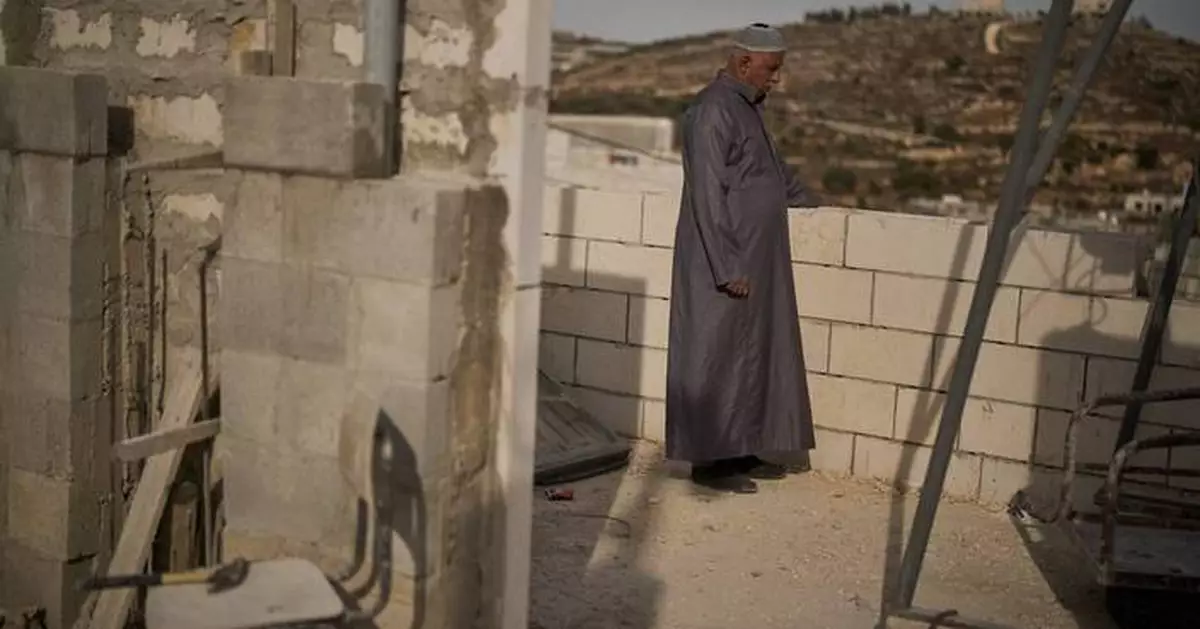
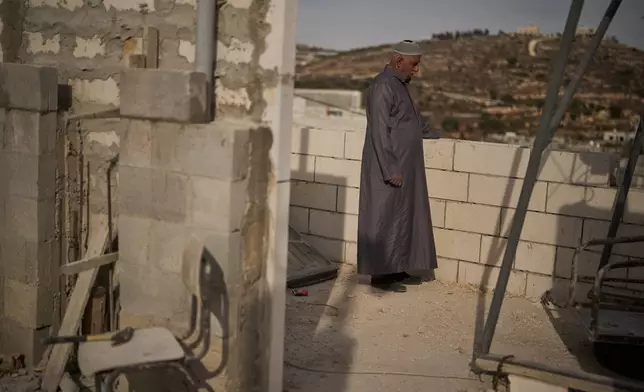
Mahmoud Tubasi stands on a rooftop near his two family's houses, which were burned by Israeli settlers in the West Bank village of Jalud, Tuesday, Oct. 20, 2026. (AP Photo/Leo Correa)
Israelis are deeply divided over Netanyahu's leadership and moral character, but they largely support settlement expansion and are opposed to a Palestinian state. So while Netanyahu's opponents have vowed to crack down on settler violence and remove the most contentious outposts, they are mostly against a two-state solution, seen internationally as the only realistic way to resolve the conflict.
“There shouldn’t be any illusions,” said Mairav Zonszein, senior Israel analyst at the International Crisis Group.
“At best, (a new government) would be able to slow down the extremely crazy acceleration that we’ve seen in the last four years of every aspect of Israel’s aggression in the occupied territories and inside Israel itself.”
One legacy of Netanyahu’s nearly unbroken 17-year rule — the longest of any Israeli leader — is that large groups of armed settlers now routinely defy the Israeli military as they rampage through Palestinian communities, drive people from their homes and seize ever larger swaths of their land.
Hamas' Oct. 7, 2023, attack out of Gaza turbocharged the process. Netanyahu's opponents could bring in more troops and authorize stricter measures, but the genie may already be out of the bottle.
Netanyahu's government has distributed thousands of firearms to the settlers, who have allies in the military and security forces. Some extremist settlers have become like sheriffs — making arrests, killing Palestinians they say posed a threat, summoning security forces and driving Palestinian families from their homes.
The Palestinian Tubasi family was forced out in July after settlers besieged their hilltop home in the West Bank village of Jalud for 19 days. The settlers cut off their water access and their electricity, and threatened to “barbecue” them if they didn’t leave, said Mahmoud Tubasi, 60, the patriarch.
An Israeli court ordered the military to bring the family back, but that hasn't happened. Troops aborted their latest mission soon after it began, when a mob of over 150 armed settlers quickly assembled, scaled the walls of the home and set a car on fire.
Troops threw Tubasi and his family into an armored jeep and drove them away as settlers torched the place. They now live in relatives' houses in the valley below their gutted and blackened home, around which settlers still roam.
Israel’s military did not respond to a request for comment.
“If they wanted to evacuate them, of course, 100%, they can do that,” Tubasi said. “This is an army that fights in Lebanon, Gaza and in Iran — they can’t control 150 or 200 settlers?”
Under Netanyahu, settlers have established over 250 rustic camps across the territory, focusing particularly on areas where Palestinian herding communities have dwelled for decades.
The outposts allow the settlers to effectively run Palestinians off vast rural areas by attacking shepherds, taking over water resources and grazing their own herds, all under the eye of Israeli troops.
Dror Etkes, a researcher with an Israeli anti-settlement group, says the outposts have allowed the settlers to seize effective control of around a fifth of the West Bank. Israel captured the territory, along with Gaza and east Jerusalem, in the 1967 Mideast war. The Palestinians want all three territories for their future state.
Since 2023, the strategy has forced at least 127 Palestinian herding communities off their land, according to data gathered by Etkes' organization, known as Kerem Navot, and B'Tselem, another Israeli anti-settlement group.
The departures have cleared nearly the entire eastern flank of the West Bank, along the border with Jordan, of Palestinians. The settlers' explicit goal is to prevent the establishment of a viable Palestinian state.
Netanyahu’s opponents say they will go after the most violent settlers and dismantle outposts — which are illegal under Israeli law. But they will not evacuate the over 100 new settlements Netanyahu's government legalized, including 44 that were formerly outposts. Nor will they remove settlements dating back decades, many of which now resemble fully developed suburbs.
Most of the international community views all Israeli settlements as illegal and an obstacle to a two-state solution. Israel views the West Bank as the biblical and historical heartland of the Jewish people and says its future status should be decided by negotiations — which have not been held in over a decade.
Even if some outposts are removed, many Palestinians seeking to return would find their homes burned and looted, and would continue to face threats from nearby settlers.
“The story is over. There will be no massive dismantlement of settlement,” said Etkes. “It’s now a full and prouder-than-ever apartheid regime.”
Amnesty International and other major rights groups accused Israel of the international crime of apartheid even before the Oct. 7 attack and its aftermath. Israel denies the allegation.
The politician most likely to replace Netanyahu as prime minister is retired general Gadi Eisenkot, a political centrist. He hopes to form a majority coalition with three other parties spanning Israel's political spectrum and without Arab-led parties advocating a two-state solution.
Beth Oppenheim, an Israel analyst for the European Council on Foreign Relations, said the opposition has “struggled to formulate a convincing alternative" to the right's new security strategy of “aggressively pre-empting threats, maintaining complete freedom of operation and imposing buffer zones.”
Palestinian attacks, like a shooting on Friday that killed two Israeli soldiers, and efforts on the right to cast the Israeli left as enemy sympathizers, have taken their toll. “The net effect is that talk of ‘peace’ and compromise has become politically toxic,” Oppenheim said.
Eisenkot does not support a Palestinian state but is open to limited self-rule in the 40% of the West Bank currently administered by the Palestinian Authority under agreements reached in the 1990s. He would allow settlement growth in the other 60% of the territory, which is under direct Israeli military rule.
He has also vowed to empower Israeli troops and paramilitary Border Police to crack down on settler violence.
Eisenkot “is interested in lowering the friction in the West Bank and interested in definitely lowering the sanctions and the intention for sanctions by European countries,” Zonszein said. “He’ll do kind of the minimum necessary to get the maximum effect.”
Eisenkot's prospective allies include left-wing politicians who oppose settlements and have favored a two-state solution, but they have agreed to set those positions aside to form a coalition to oust Netanyahu.
Israeli leaders have long balanced their ambitions in the occupied territories with demands from Washington aimed at resolving the conflict. But they are unlikely to face any significant pressure from U.S. President Donald Trump, who endorsed Netanyahu and has long backed his policies.
Krauss reported from Ottawa, Ontario.
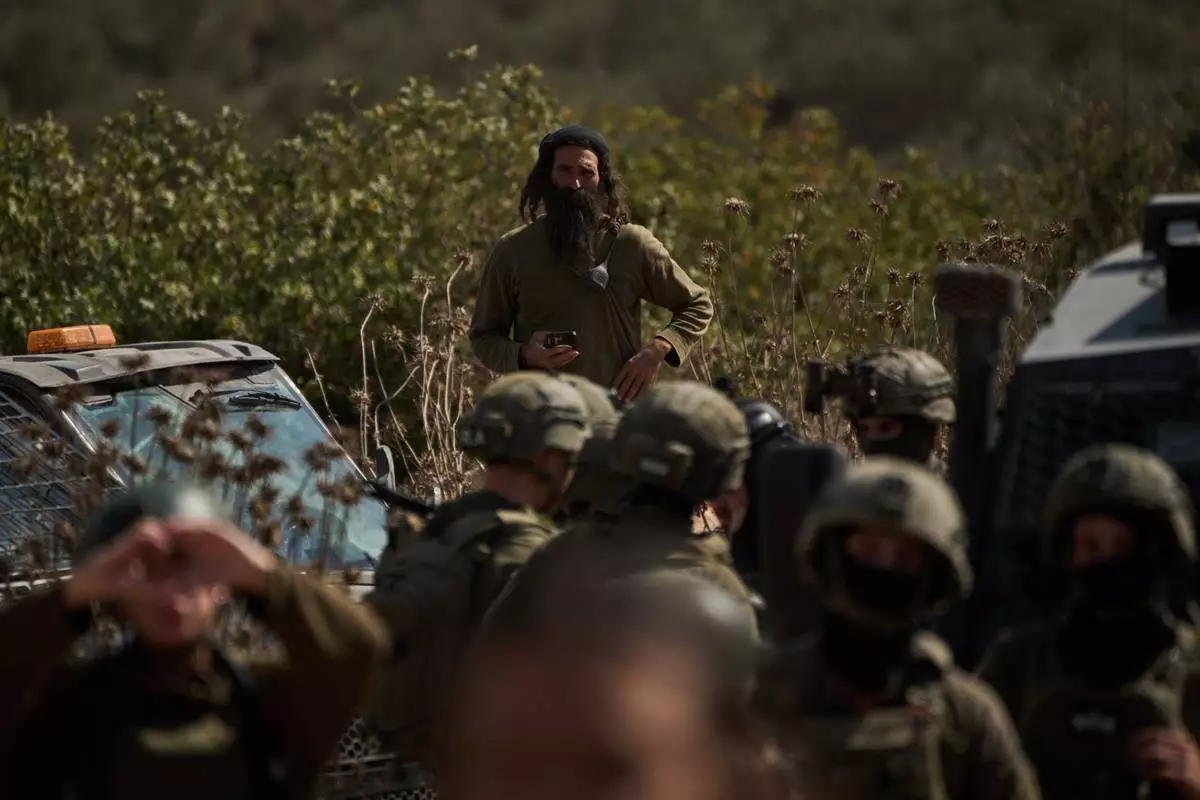
FILE - An Israeli settler overlooks members of Israeli forces blocking a road preventing Palestinians from reaching groves to harvest olives in the West Bank town of Turmus Ayya, Oct. 21, 2026. (AP Photo/Leo Correa, File)
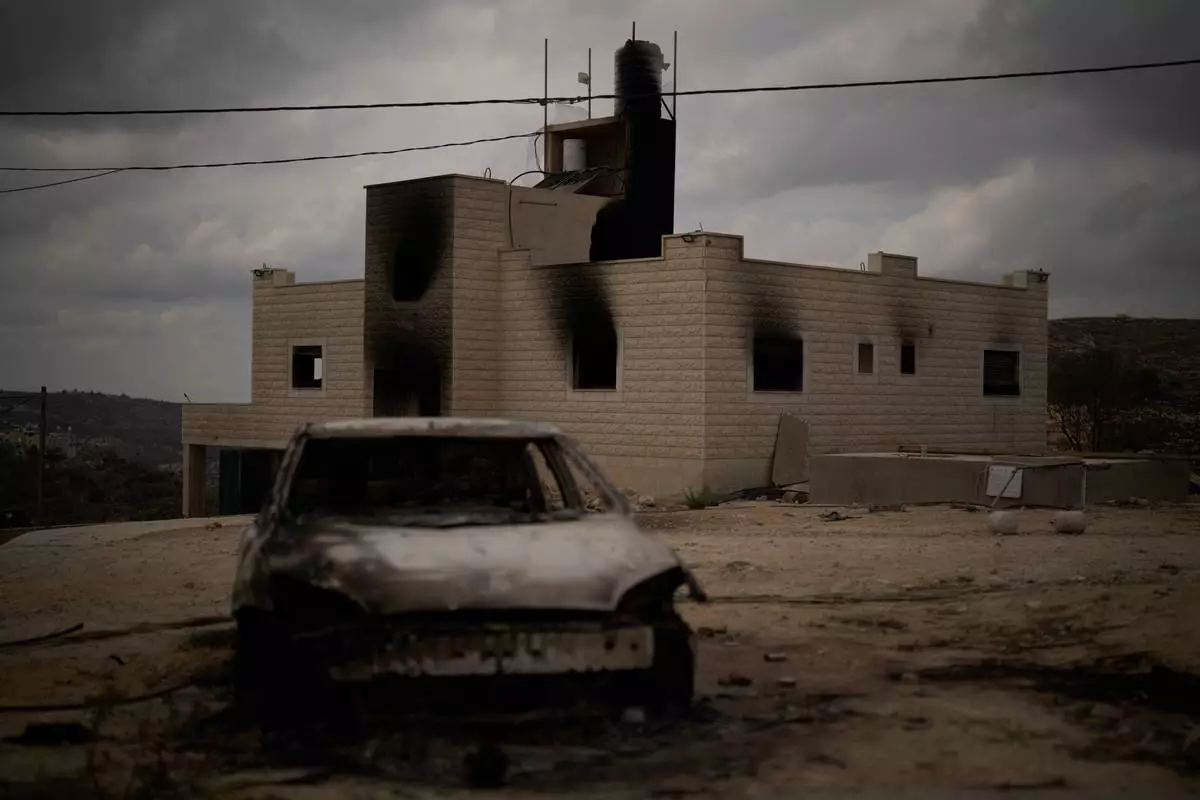
FILE - A burnt car is seen in front of one of the two Palestinian houses belonging to the Tubasi family, which were burned in the West Bank village of Jalud, Sept. 29, 2026, following an overnight attack by Israeli settlers. (AP Photo/Leo Correa, File)
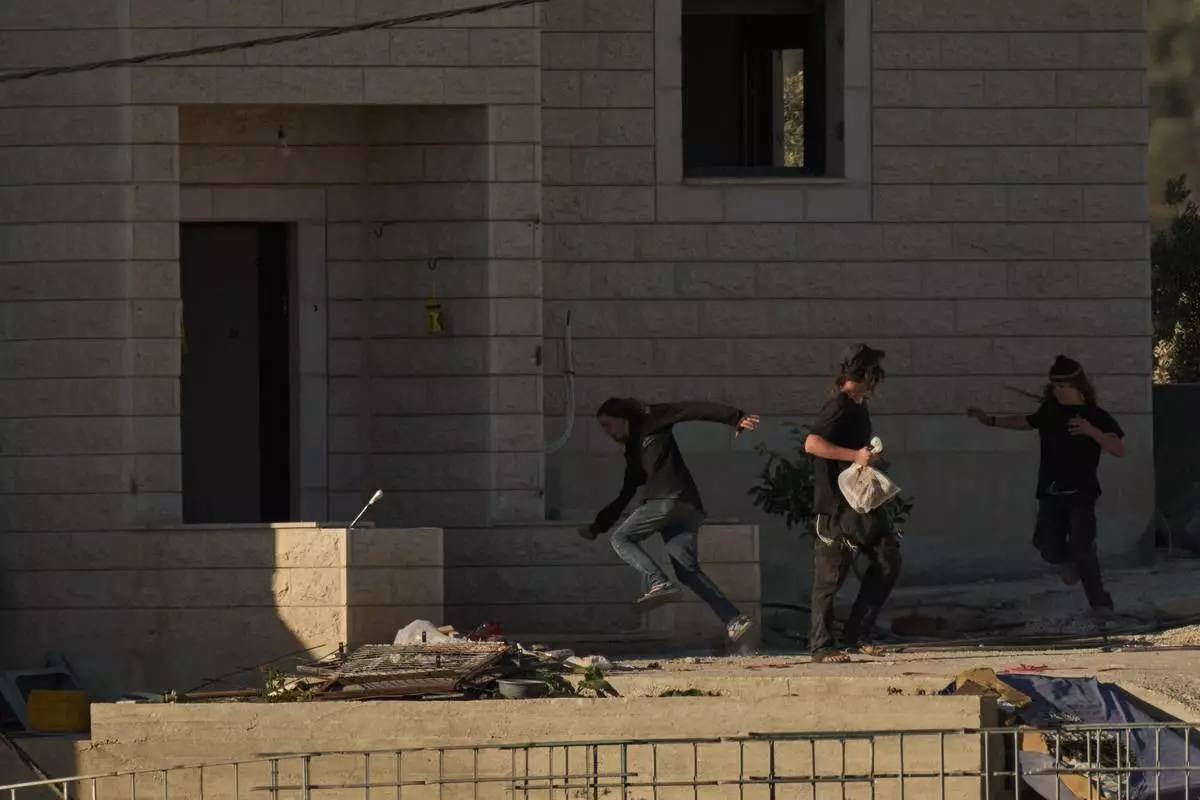
FILE - Israeli settlers are seen at one of the Palestinian houses belonging to the Tubasi family after they took it over in the West Bank village of Jalud, Aug. 25, 2026. (AP Photo/Leo Correa, File)
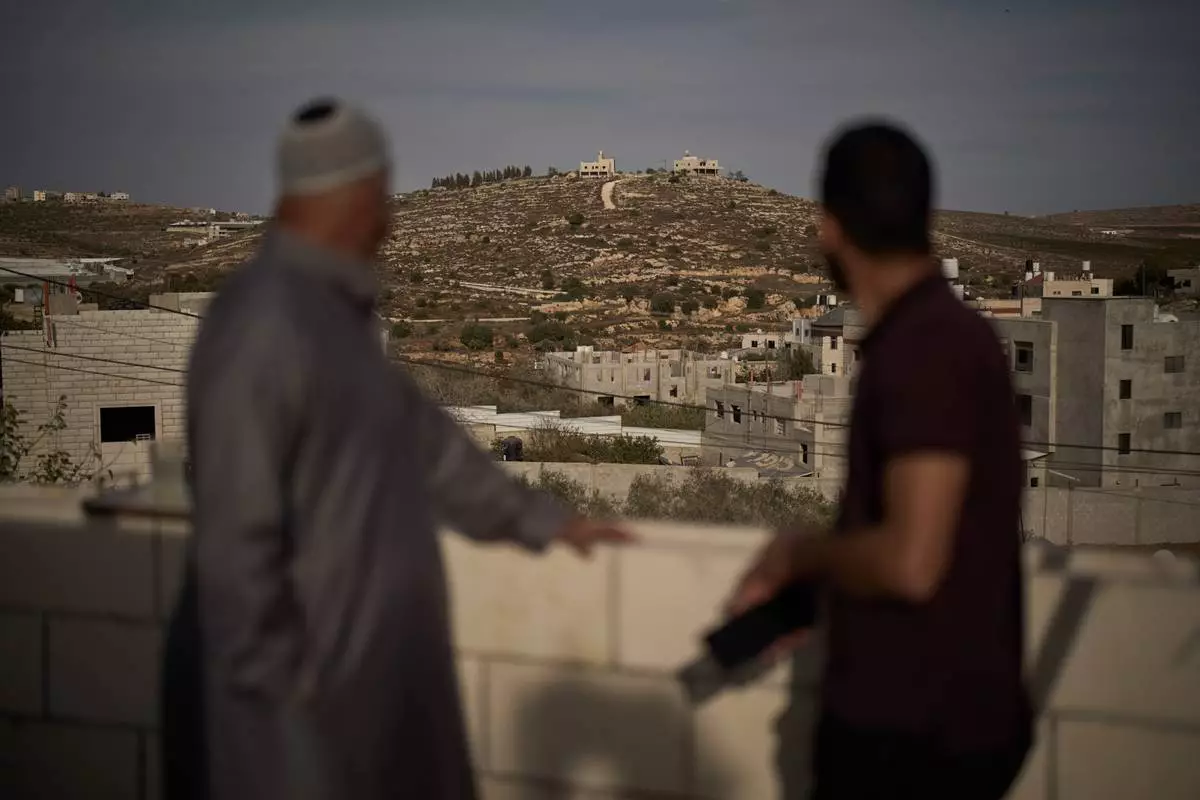
Mahmoud Tubasi, left, and his son Wael, over look their family's houses, which were burned by Israeli settlers in the West Bank village of Jalud, Tuesday, Oct. 20, 2026. (AP Photo/Leo Correa)
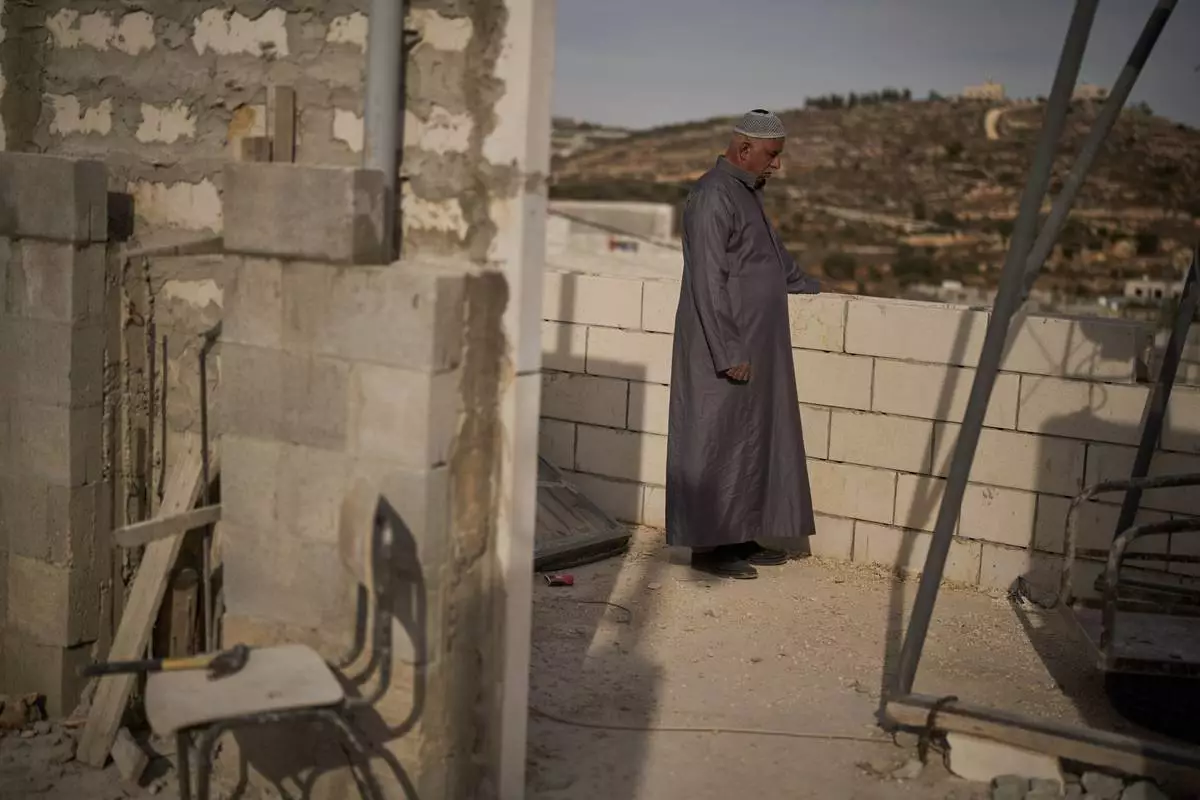
Mahmoud Tubasi stands on a rooftop near his two family's houses, which were burned by Israeli settlers in the West Bank village of Jalud, Tuesday, Oct. 20, 2026. (AP Photo/Leo Correa)
BELGRADE, Serbia (AP) — The long-serving strongman leader of Serbia, Aleksandar Vucic, conceded defeat on Sunday in an election that pitted him and his right-wing party against a diverse student-led opposition movement that spent two years protesting his government.
It was a seismic political shift in the Balkan country where Vucic, who had been endorsed by Russian President Vladimir Putin and who denounced the student movement as a foreign-led attempt to unseat him, led with virtually absolute power for 14 years.
Almost immediately, crowds flooded the streets of the capital Belgrade and other Serbian cities in an outburst of euphoric celebration.
Belgrade resident Dragana Kovacevic was thrilled that “everyone greets with smiles.” She said "we are all too happy, finally we are becoming one normal and free country.”
Maja Stetic said she feels “fantastic.” Vucic's ouster, she said, "means liberation for me, means a new future for us and our children.”
High turnout and gathering tensions marked the highly contested parliamentary election that was a showdown between Vucic and his right-wing Serbian Progressive Party and university students who, accusing the government of corruption and dismantling democracy, had built a popular following across the country.
Serbia's 6.4 million voters were electing lawmakers to the 250-member Parliament. In conceding the election, Vucic said his party projects that his opponents, the youth-backed Students’ List, will take between 135 and 140 seats while his SNS party will have around 105.
“It is now clear that we have lost and the Students’ List has won,” Vucic told supporters at his party's election night event, though he blamed Serbia's independent media as well as alleged interference by unnamed European countries and an ”American deep state" for the loss.
Vucic said that his SNS party won around 1.7 million votes compared to the Students’ List, which he said took around 2.2 million.
Radomir Saicic, a Students’ List candidate, said “tonight is not just about results.”
“It is about people who believed and continued to fight,” he said. “This is a victory over fear …it is nobody’s trophy, it is a citizens victory. But victory carries responsibility.”
Supporters of the Students' List drove around Belgrade in cars, honking horns, singing, shouting and chanting: “Aleksandar is gone,” referring to Vucic. Crowds swiftly dismantled the fences and tents at a park in central Belgrade where Vucic’s loyalists had been camping for over a year and gathered earlier on Sunday. One tent was later set on fire in the now-abandoned camp.
A group of young people could be seen throwing rocks at a withdrawing column of police cars and anti-riot vehicles.
The outcome, which Vucic announced only around an hour and a half after polls closed, came after tensions had built as voting progressed during the day.
Police in anti-riot gear had cordoned off an area in central Belgrade around the election commission headquarters. Special police vehicles could be seen near the pro-Vucic camp, and large groups of black-clad men had congregated at various points throughout the city.
Vucic was seeking become Serbia's prime minister after serving two near-full terms as president. He resigned the presidency last month to lead the campaign.
Support for the populist had eroded since 16 people were killed in 2024 when a concrete canopy collapsed at a train station in Novi Sad. That set off a wave of youth protests that blamed the collapse on high-level corruption, cronyism and rampant graft during renovation work at the station.
Dijana Hrka, the mother of one of the victims, was in the crowd celebrating in Belgrade. Sobbing, Hrka told N1 television: “I have been waiting for this moment for two years.”
“Now I expect that they will all be held accountable,” she said.
Despite the protests, Vucic retained considerable support among many of Serbia’s voters. Admirers viewed him as a capable leader who can steer the nation through global uncertainties — the image that was carefully crafted by the mainstream media.
While the increasingly authoritarian Vucic has routinely outplayed Serbia’s fractured opposition in the past, the leaderless youth movement proved to be a tough opponent that rattled his firm grip on power in Serbia like no one else in the 14 years since his party took office.
The newly formed Students’ List movement was shaped by university students but none actually appeared on the election list. Instead, its candidates are little-known experts, athletes, farmers and artists.
This approach was meant to counter Vucic’s one-man rule and restore a sense of community and solidarity. The students’ message during the campaign focused on a non-partisan effort to rebuild Serbia’s economy and restore its democracy.
The students have used youthful energy to attract voters who are disillusioned with local politicians. Vilified by pro-government media, they cycled and walked through the country to reach voters in rural areas — Vucic’s traditional strongholds.
The student victory echoed the recent electoral defeat of a Vucic ally in Hungary, where youth participation helped oust the autocratic Viktor Orbán after 16 years and bring in a new pro-European government. It was likely to resonate beyond Serbia as countries across Europe have faced angry youth and student protests.
Monitors predicted that total turnout in the election could reach around 70%, unseen in Serbia since 2000. During the day, long queues formed at polling stations in Serbia and in cities around the world. Some in the Serbian diaspora were made to vote in the middle of the night after authorities tied voting hours to local Serbian time.
Recent Serbian elections had been marred by irregularities and the EU was closely watching the conduct of Sunday's vote in a candidate nation for the bloc's membership.
European Commission President Ursula von der Leyen congratulated the student movement, saying “people of Serbia turned out in record numbers to shape their country’s future.”
“We stand ready to support reforms on the rule of law, media freedom, the fight against corruption and strong democratic institutions, and to work together to advance Serbia’s future in the European Union,” she said.
Independent election monitors reported dozens of cases of irregularities on Sunday such as photographing of ballots that suggested pressure on voters and attempted vote buying.
Both international and local election monitors had expressed concern about the safety and fairness of an election campaign marked by detentions, near-total government control over the media and reports of surveillance and cyberattacks against activists.
Local elections earlier this year in 10 municipalities in Serbia saw violent attacks on journalists and activists. The previous parliamentary vote in 2023 was followed by opposition protests alleging fraud.
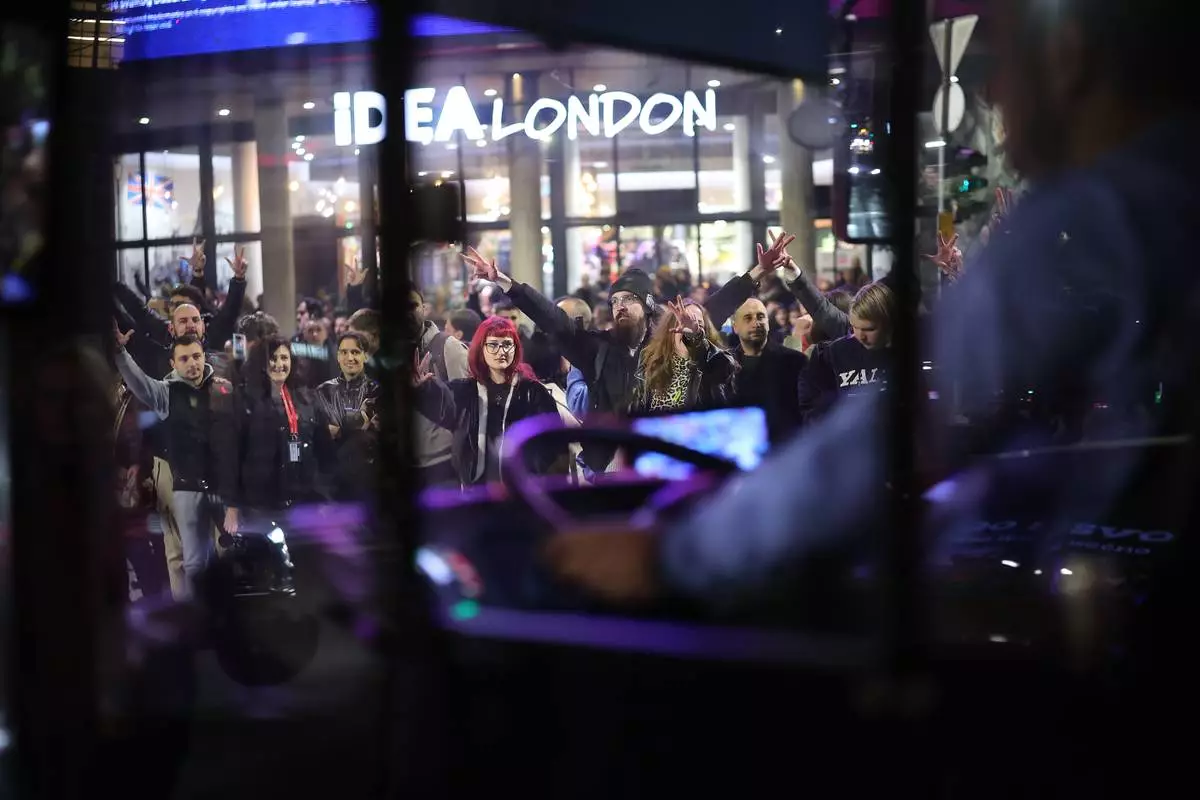
Youngsters cheer after polls closed for the parliamentary election in Belgrade, Serbia, Sunday, Oct. 25, 2026. (AP Photo/Armin Durgut) CORRECTION: Change byline to Armin Durgut, not Marko Drobnjakovic
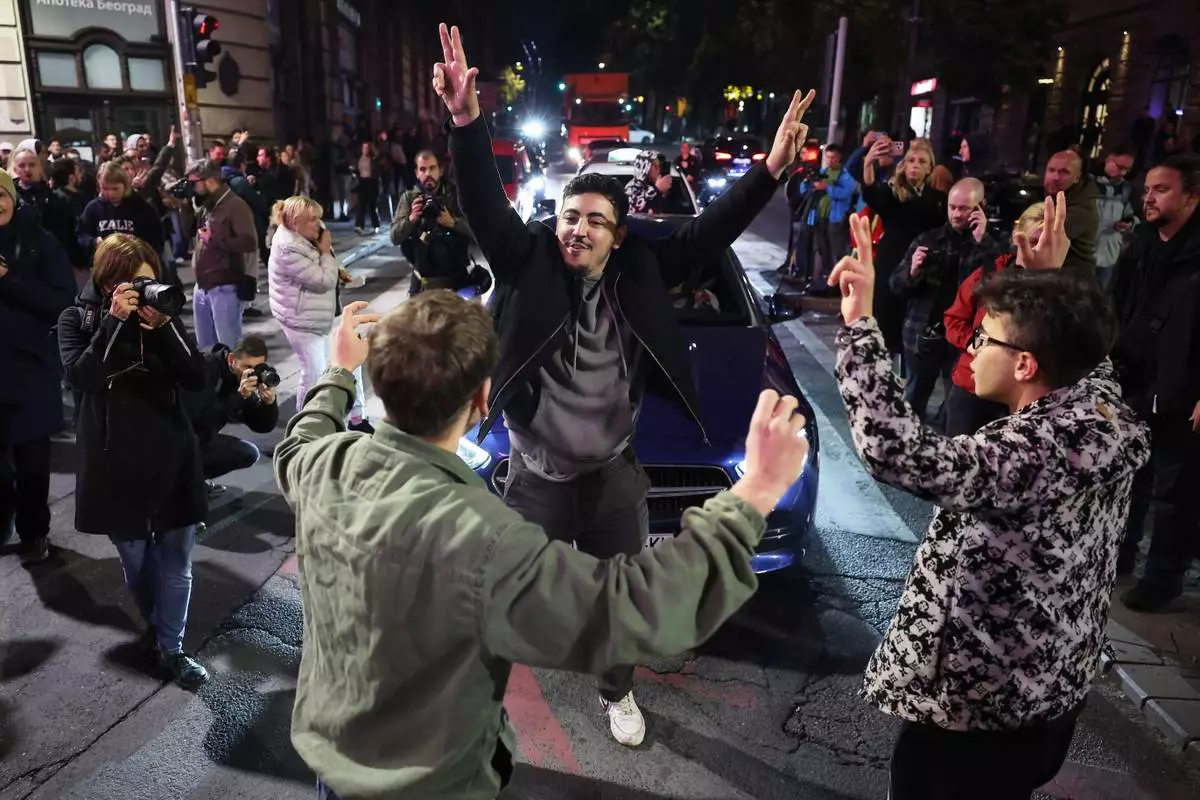
Youngsters celebrate after polls closed in the parliamentary election in Belgrade, Serbia, Sunday, Oct. 25, 2026. (AP Photo/Armin Durgut)
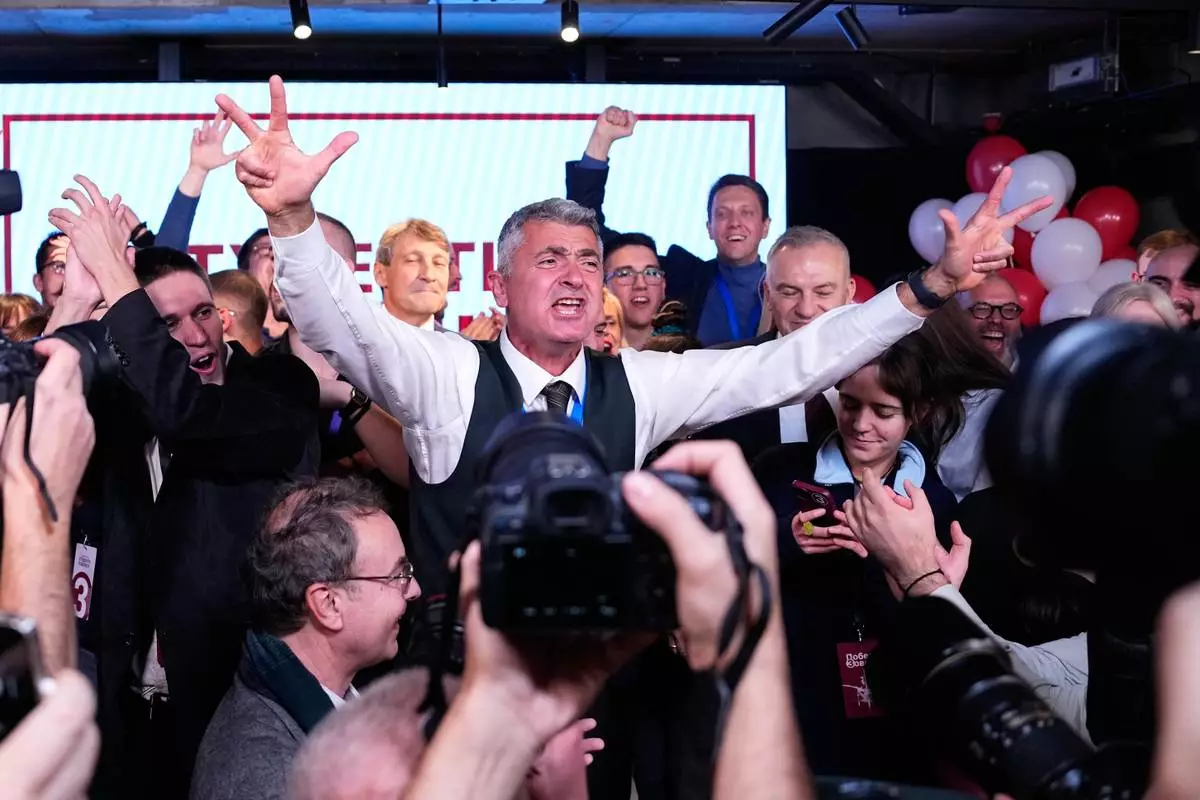
Students' List leader Ilija Srdanovic celebrates after Aleksandar Vucic, leader of the right-wing Serbian Progressive Party (SNS) conceded defeat in the parliamentary election in Belgrade, Serbia, Sunday, Oct. 25, 2026. (AP Photo/Petr David Josek)

Aleksandar Vucic, leader of the right-wing Serbian Progressive Party (SNS) speaks at the party headquarters, conceding defeat in the parliamentary election in Belgrade, Serbia, Sunday, Oct. 25, 2026. (AP Photo/Darko Vojinovic)

Youngsters cheer after polls closed for the parliamentary election in Belgrade, Serbia, Sunday, Oct. 25, 2026. (AP Photo/Armin Durgut) CORRECTION: Change byline to Armin Durgut, not Marko Drobnjakovic
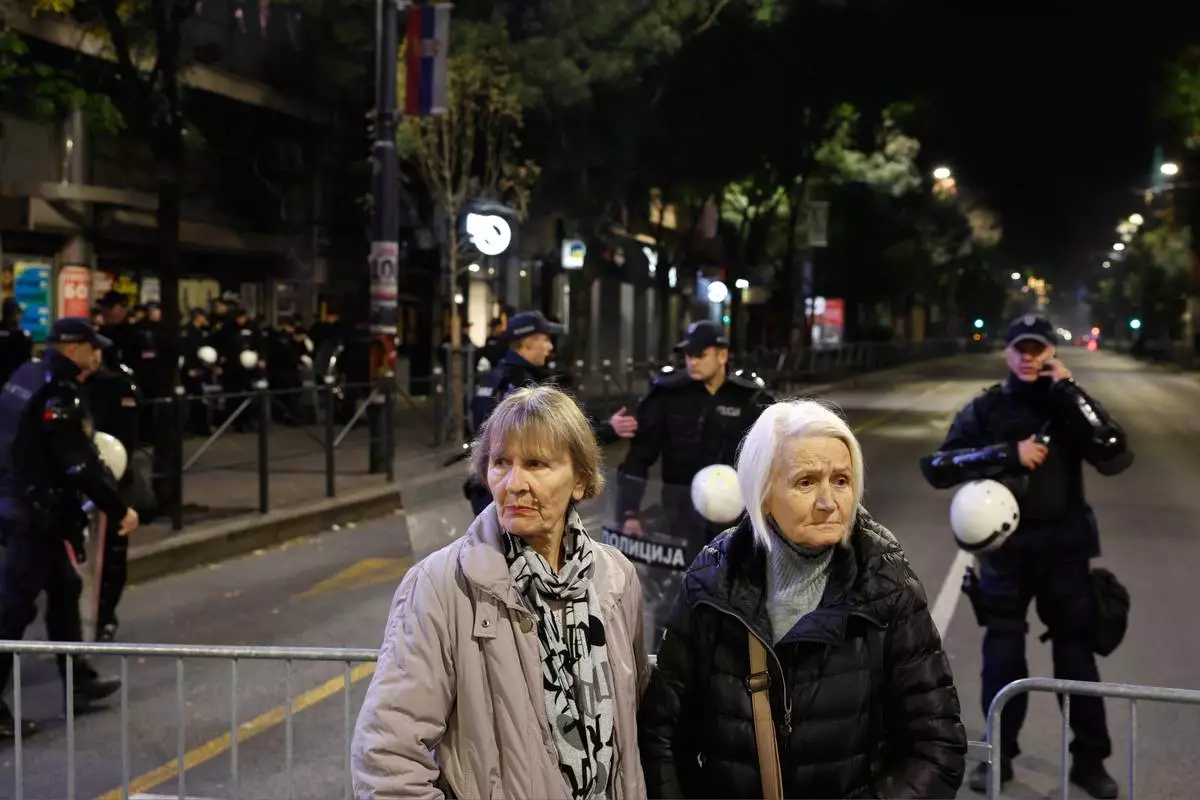
Women stand next to a Serbian riot police road block shortly after polls closed in the parliamentary election in Belgrade, Serbia, Sunday, Oct. 25, 2026. (AP Photo/Marko Drobnjakovic)
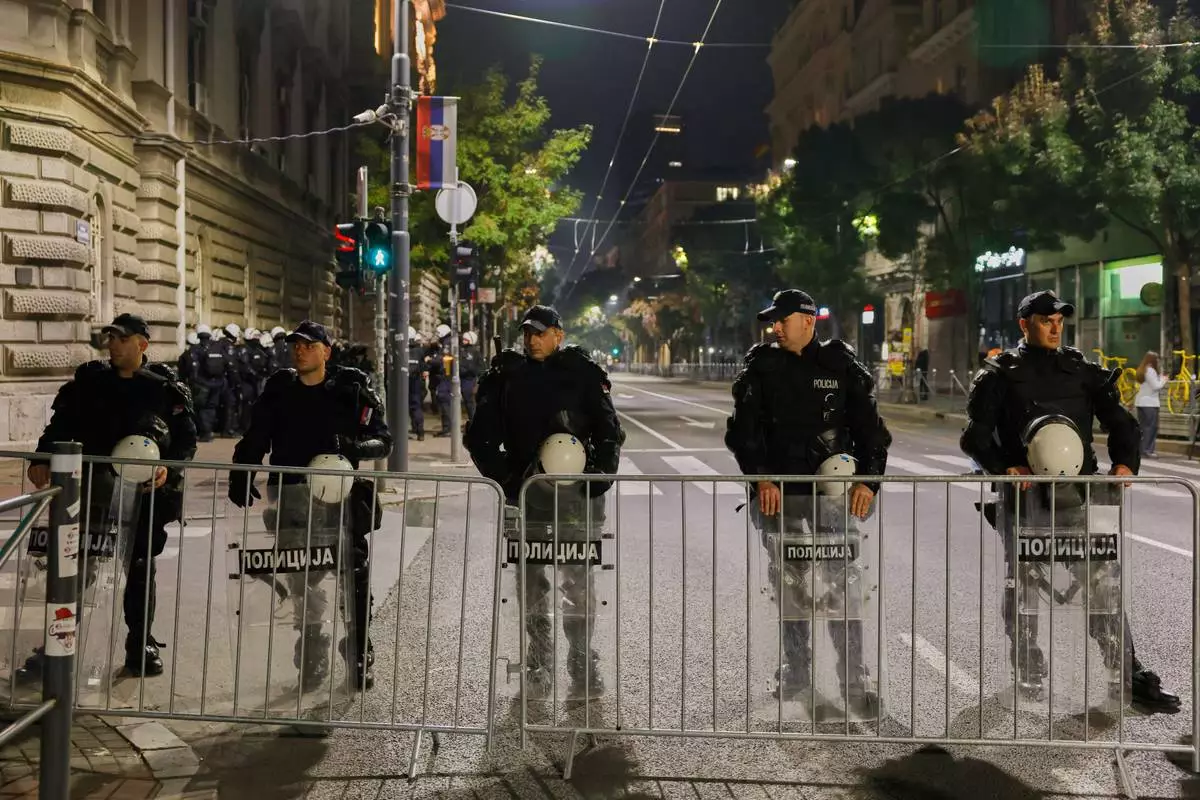
Serbian riot police officers block a boulevard shortly before the closing of the polls in the parliamentary election in Belgrade, Serbia, Sunday, Oct. 25, 2026. (AP Photo/Marko Drobnjakovic)
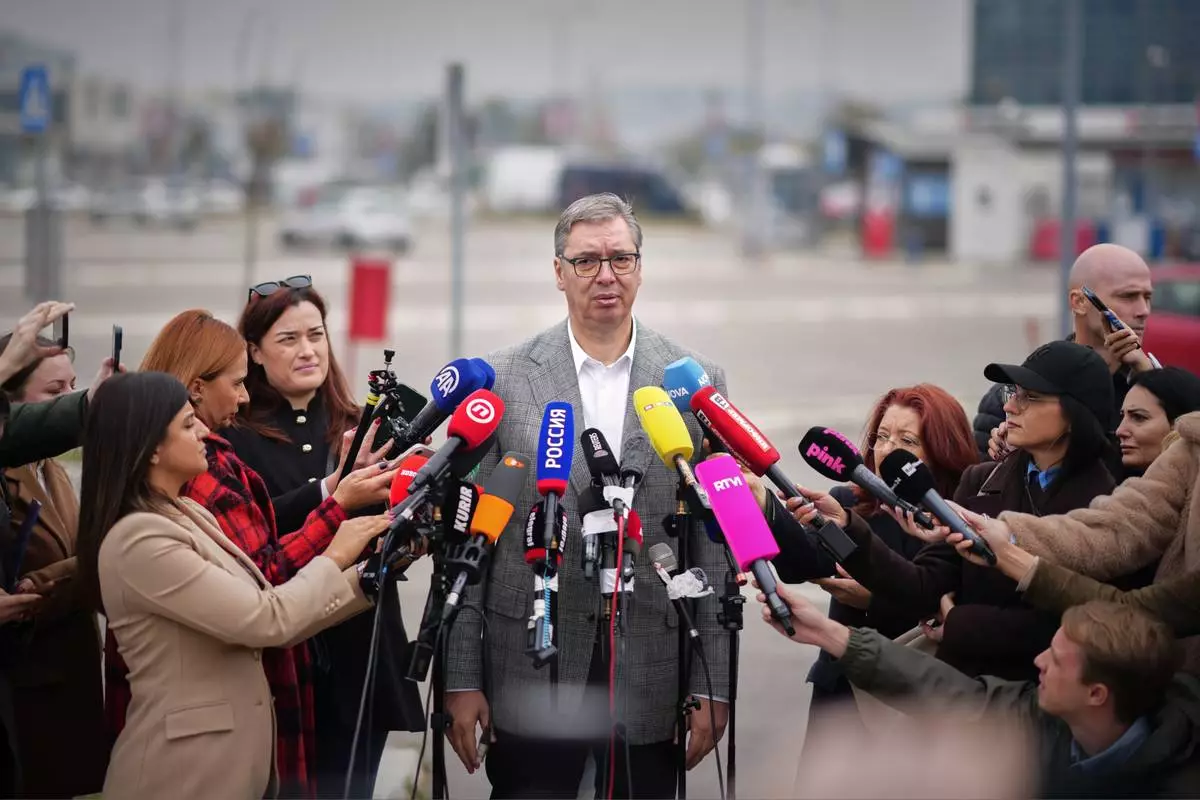
Aleksandar Vucic, leader of the right-wing Serbian Progressive Party (SNS), speaks to media after voting in a parliamentary election in Belgrade, Serbia, Sunday, Oct. 25, 2026. (AP Photo/Petr David Josek)
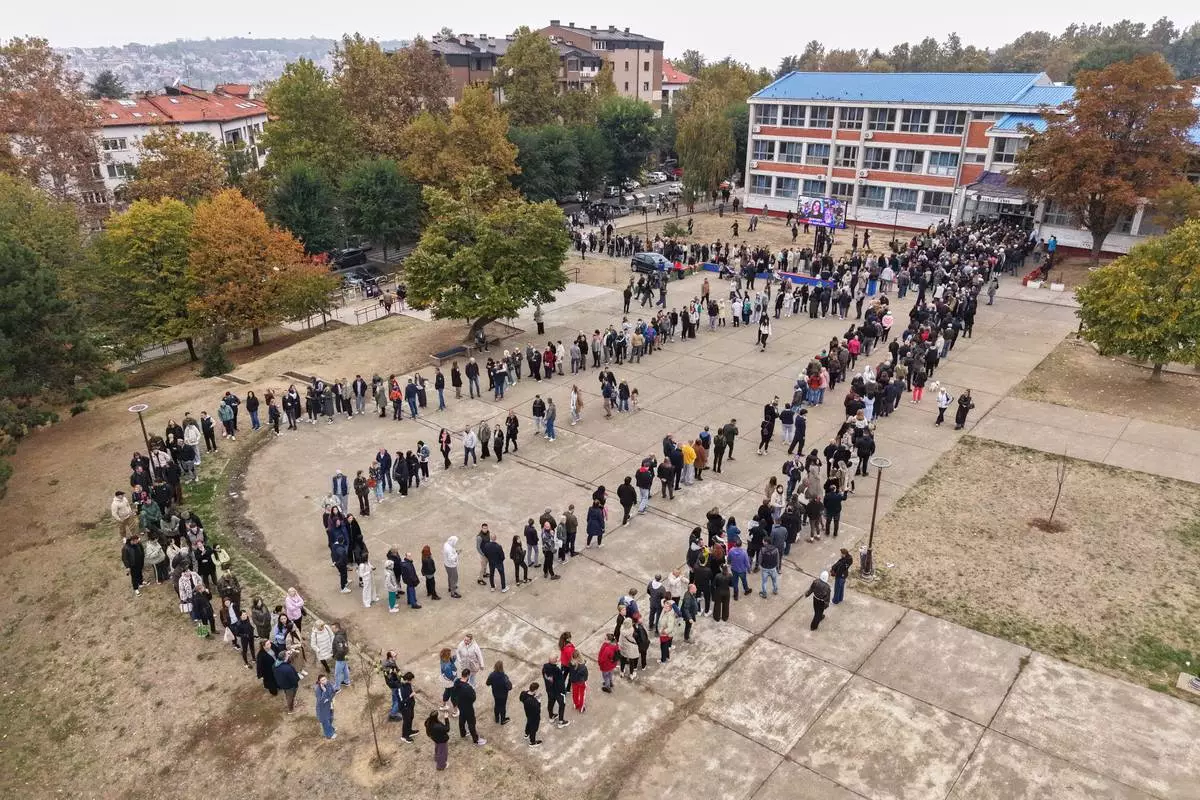
People wait in lines outside a polling station to cast their votes during a parliamentary election in Belgrade, Serbia, Sunday, Oct. 25, 2026. (AP Photo/Armin Durgut)
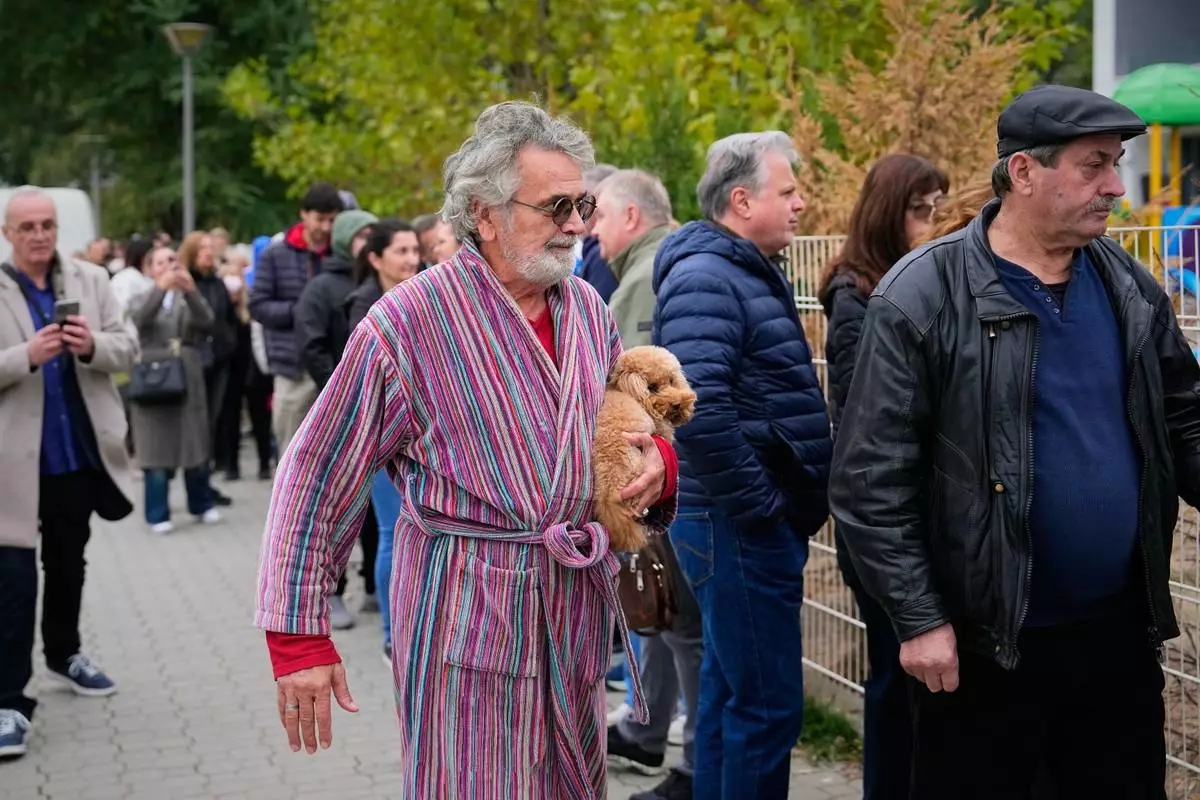
A man holds a dog while arriving at a polling station to vote in a parliamentary election in Belgrade, Serbia, Sunday, Oct. 25, 2026. (AP Photo/Petr David Josek)
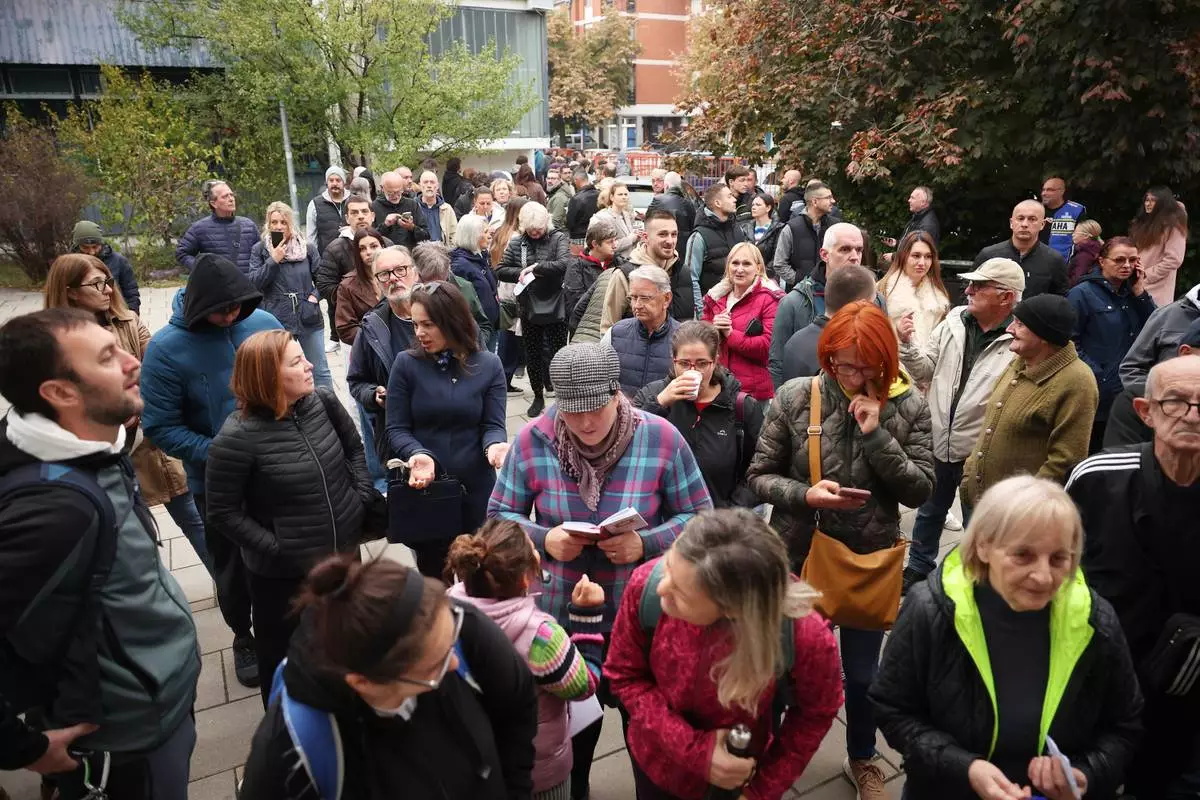
People wait outside a polling station before the start of voting in a parliamentary election in Novi Sad, Serbia, Sunday, Oct. 25, 2026. (AP Photo/Armin Durgut)
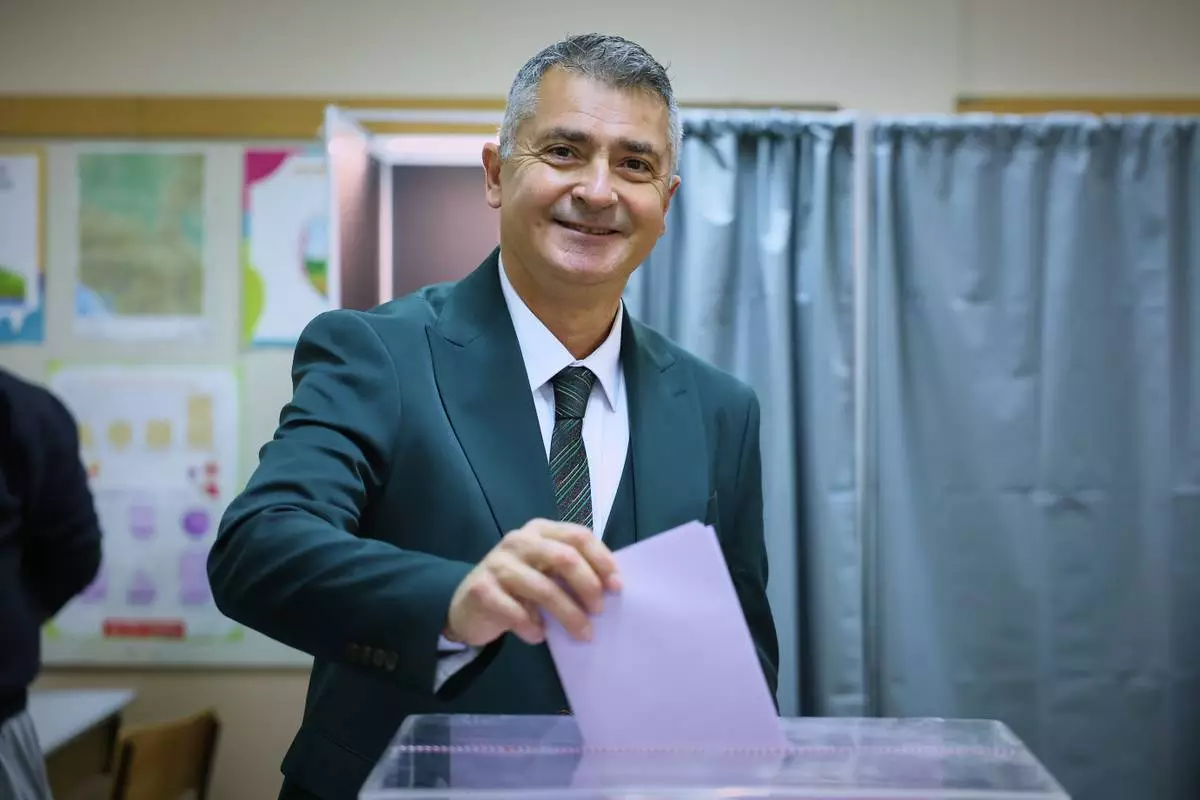
Students' List leader Ilija Srdanovic casts his vote in a parliamentary election in Novi Sad, Serbia, Sunday, Oct. 25, 2026. (AP Photo/Armin Durgut)

Aleksandar Vucic, leader of the right-wing Serbian Progressive Party (SNS), waits along with his wife Tamara to vote in a parliamentary election in Belgrade, Serbia, Sunday, Oct. 25, 2026. (AP Photo/Petr David Josek)
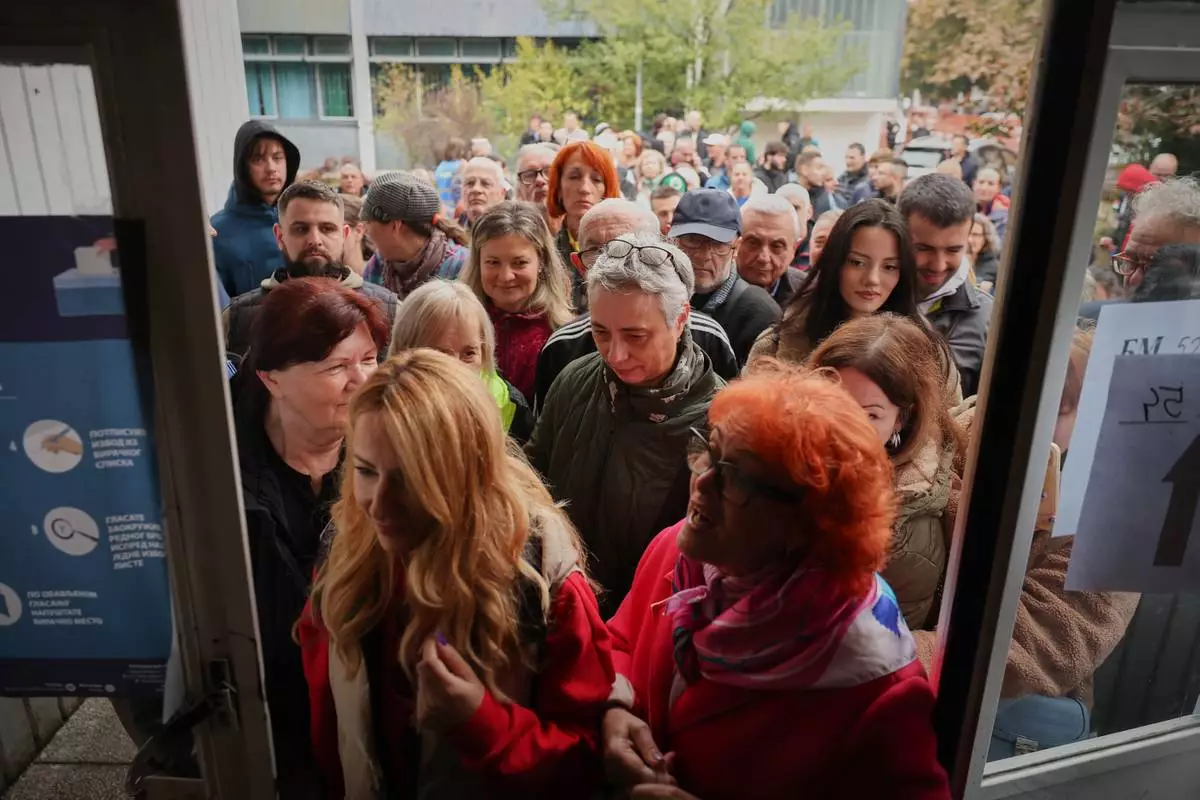
People enter a polling station that just opened its doors to cast their votes in a parliamentary election in Novi Sad, Serbia, Sunday, Oct. 25, 2026. (AP Photo/Armin Durgut)

Serbia's populist leader Aleksandar Vucic, center, listens to the Serbian national anthem with supporters during a pre-election rally of his ruling Serbian Progressive Party ahead of the early parliamentary election scheduled for Oct. 25, in Belgrade, Serbia, Thursday, Oct. 22, 2026. (AP Photo)
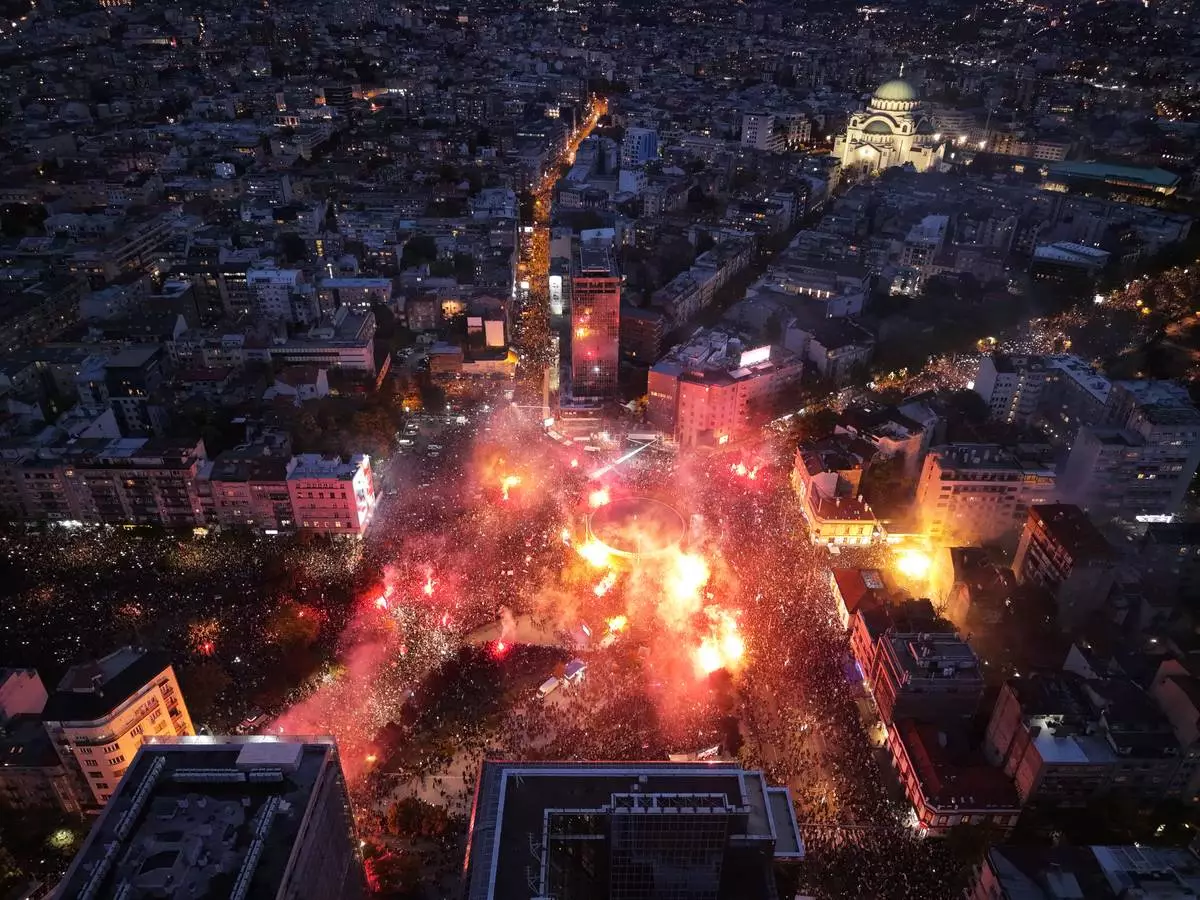
People shine the lights of their mobile phones and light flares during the final "Student List – Students Win" rally ahead of a parliamentary election in Belgrade, Serbia, Thursday, Oct. 22, 2026. (AP Photo/Armin Durgut)

Serbia's populist leader Aleksandar Vucic gestures during a pre-election rally of his ruling Serbian Progressive Party ahead of the early parliamentary election scheduled for Oct. 25, in Belgrade, Serbia, Thursday, Oct. 22, 2026. (AP Photo)
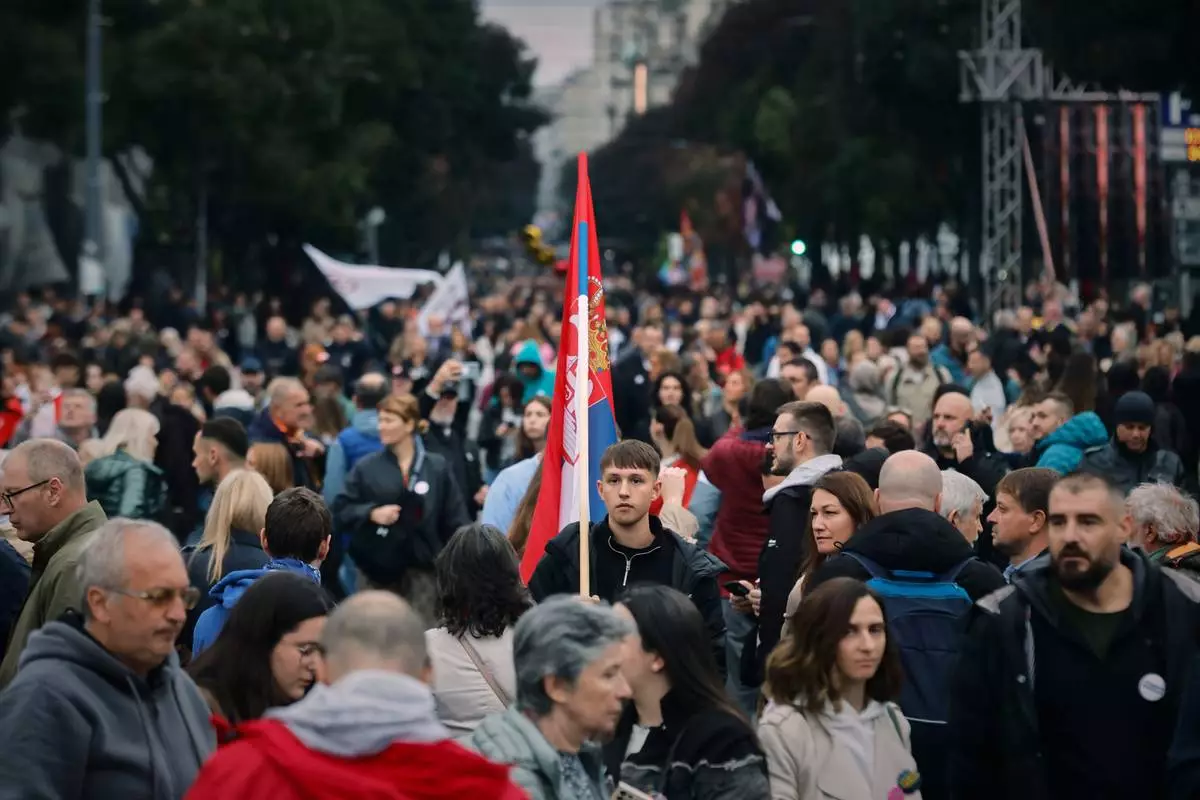
A young man holds a Serbian flag as people gather for the final "Student List – Students Win" rally ahead of a parliamentary election in Belgrade, Serbia, Thursday, Oct. 22, 2026. (AP Photo/Marko Drobnjakovic)