Skip to Content Facebook Feature Image

Serbia holds a parliamentary election as strongman Vucic faces protesting students

News

Serbia holds a parliamentary election as strongman Vucic faces protesting students
News

News

Serbia holds a parliamentary election as strongman Vucic faces protesting students

2026-10-25 20:35 Last Updated At:20:40

BELGRADE, Serbia (AP) — Long lines of voters formed outside polling stations across Serbia on Sunday for a parliamentary election that is seen as a showdown between the Balkan country's strongman leader Aleksandar Vucic and a diverse movement of university students who have led protests against him for almost two years.

Though Serbia's 6.4 million voters get to choose from 18 parties hoping to enter the 250-member Parliament, the election has taken shape as a referendum between Vucic's right-wing Serbian Progressive Party and the youth-backed Students' List.

More Images
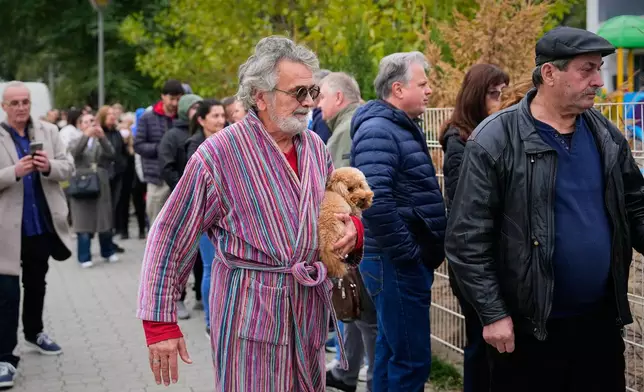
A man holds a dog while arriving at a polling station to vote in a parliamentary election in Belgrade, Serbia, Sunday, Oct. 25, 2026. (AP Photo/Petr David Josek)
A man holds a dog while arriving at a polling station to vote in a parliamentary election in Belgrade, Serbia, Sunday, Oct. 25, 2026. (AP Photo/Petr David Josek)

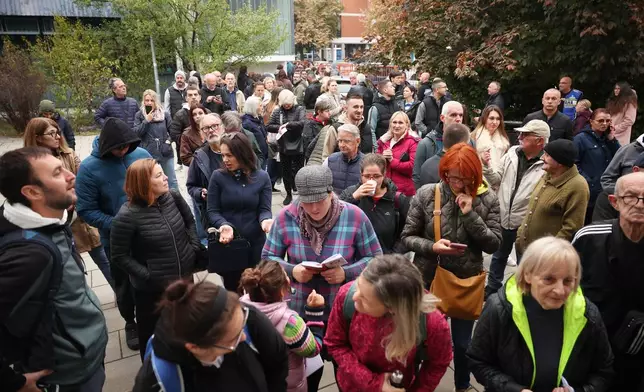
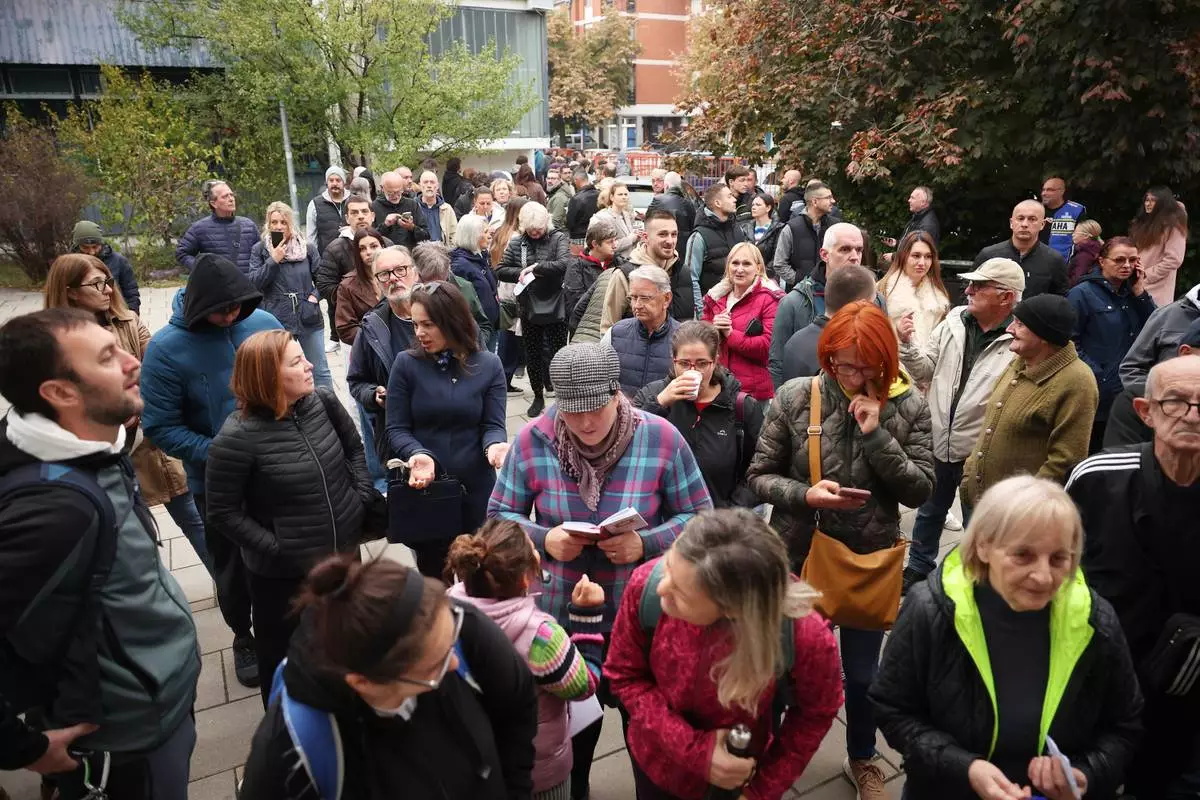
People wait outside a polling station before the start of voting in a parliamentary election in Novi Sad, Serbia, Sunday, Oct. 25, 2026. (AP Photo/Armin Durgut)
People wait outside a polling station before the start of voting in a parliamentary election in Novi Sad, Serbia, Sunday, Oct. 25, 2026. (AP Photo/Armin Durgut)

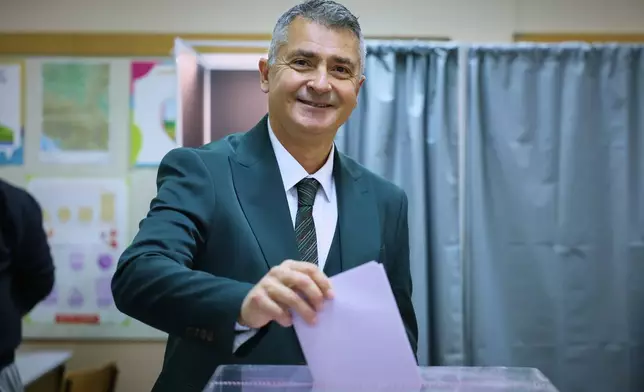
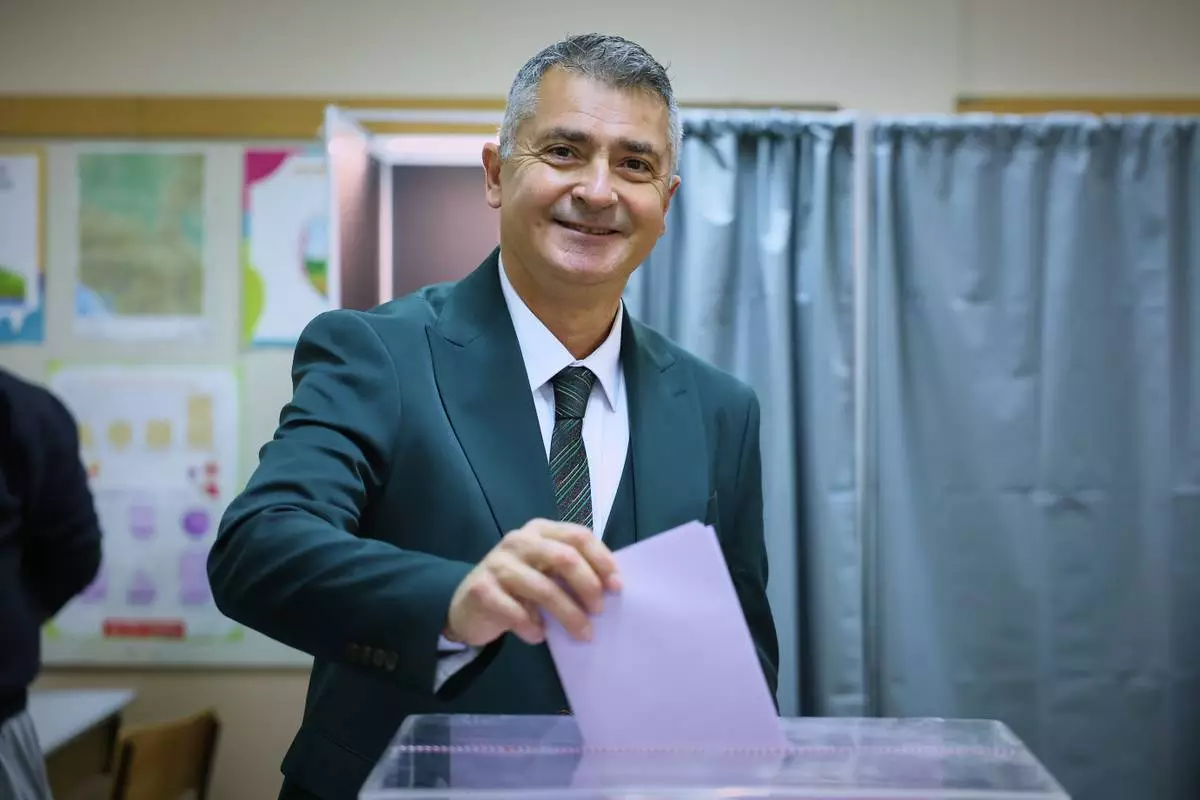
Students' List leader Ilija Srdanovic casts his vote in a parliamentary election in Novi Sad, Serbia, Sunday, Oct. 25, 2026. (AP Photo/Armin Durgut)

Students' List leader Ilija Srdanovic casts his vote in a parliamentary election in Novi Sad, Serbia, Sunday, Oct. 25, 2026. (AP Photo/Armin Durgut)

Aleksandar Vucic, leader of the right-wing Serbian Progressive Party (SNS), waits along with his wife Tamara to vote in a parliamentary election in Belgrade, Serbia, Sunday, Oct. 25, 2026. (AP Photo/Petr David Josek)
Aleksandar Vucic, leader of the right-wing Serbian Progressive Party (SNS), waits along with his wife Tamara to vote in a parliamentary election in Belgrade, Serbia, Sunday, Oct. 25, 2026. (AP Photo/Petr David Josek)

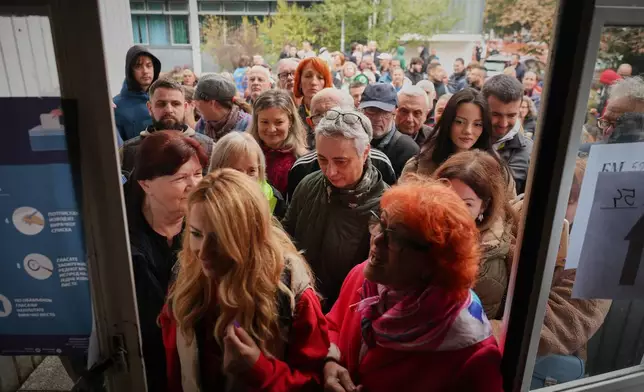
People enter a polling station that just opened its doors to cast their votes in a parliamentary election in Novi Sad, Serbia, Sunday, Oct. 25, 2026. (AP Photo/Armin Durgut)

People enter a polling station that just opened its doors to cast their votes in a parliamentary election in Novi Sad, Serbia, Sunday, Oct. 25, 2026. (AP Photo/Armin Durgut)

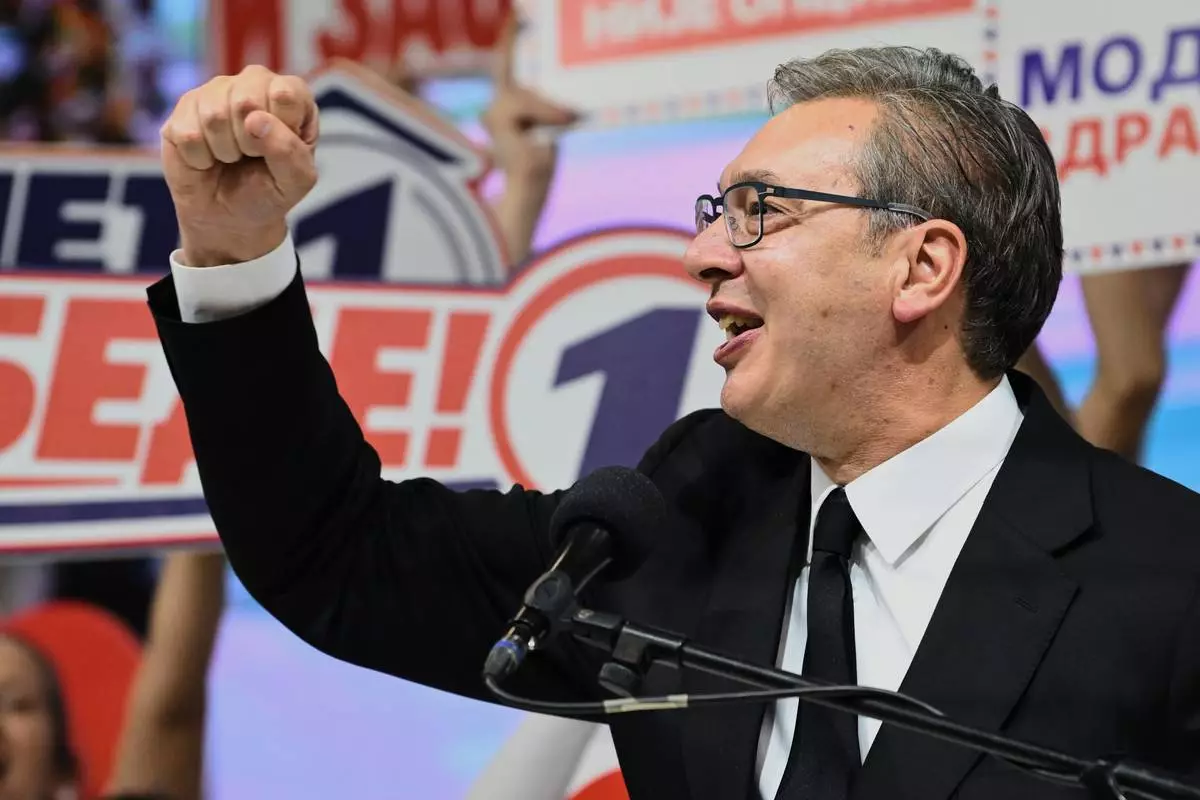
Serbia's populist leader Aleksandar Vucic, center, listens to the Serbian national anthem with supporters during a pre-election rally of his ruling Serbian Progressive Party ahead of the early parliamentary election scheduled for Oct. 25, in Belgrade, Serbia, Thursday, Oct. 22, 2026. (AP Photo)
Serbia's populist leader Aleksandar Vucic, center, listens to the Serbian national anthem with supporters during a pre-election rally of his ruling Serbian Progressive Party ahead of the early parliamentary election scheduled for Oct. 25, in Belgrade, Serbia, Thursday, Oct. 22, 2026. (AP Photo)

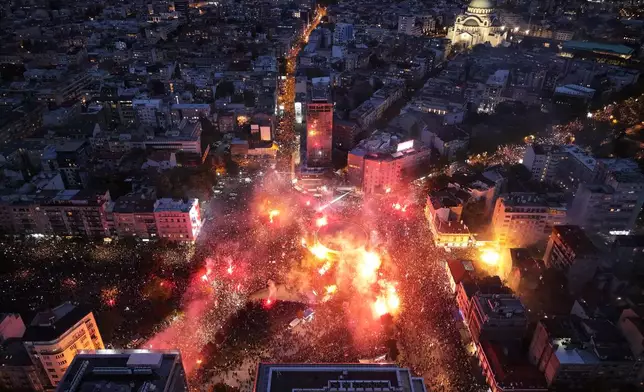
People shine the lights of their mobile phones and light flares during the final "Student List – Students Win" rally ahead of a parliamentary election in Belgrade, Serbia, Thursday, Oct. 22, 2026. (AP Photo/Armin Durgut)
People shine the lights of their mobile phones and light flares during the final "Student List – Students Win" rally ahead of a parliamentary election in Belgrade, Serbia, Thursday, Oct. 22, 2026. (AP Photo/Armin Durgut)

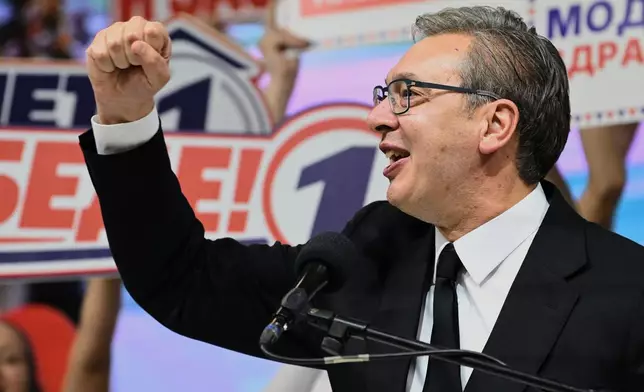
Serbia's populist leader Aleksandar Vucic gestures during a pre-election rally of his ruling Serbian Progressive Party ahead of the early parliamentary election scheduled for Oct. 25, in Belgrade, Serbia, Thursday, Oct. 22, 2026. (AP Photo)
Serbia's populist leader Aleksandar Vucic gestures during a pre-election rally of his ruling Serbian Progressive Party ahead of the early parliamentary election scheduled for Oct. 25, in Belgrade, Serbia, Thursday, Oct. 22, 2026. (AP Photo)

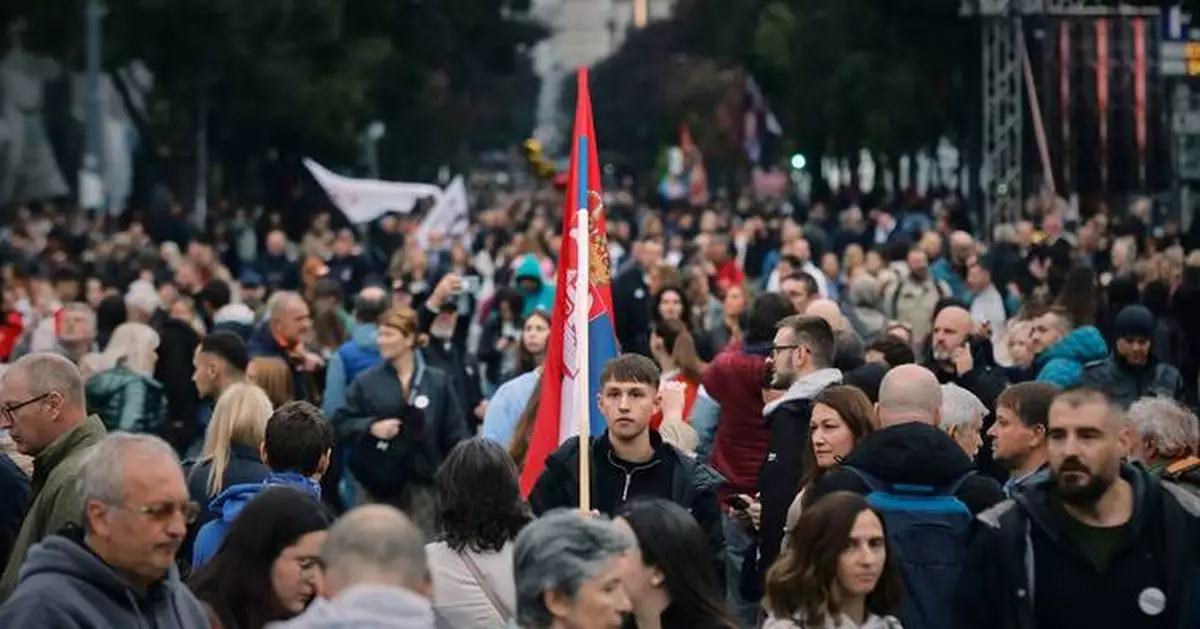
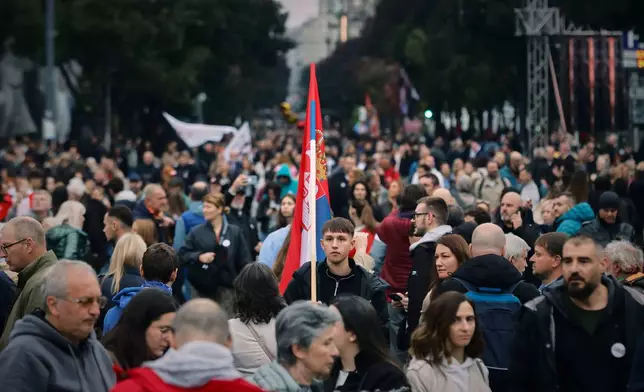
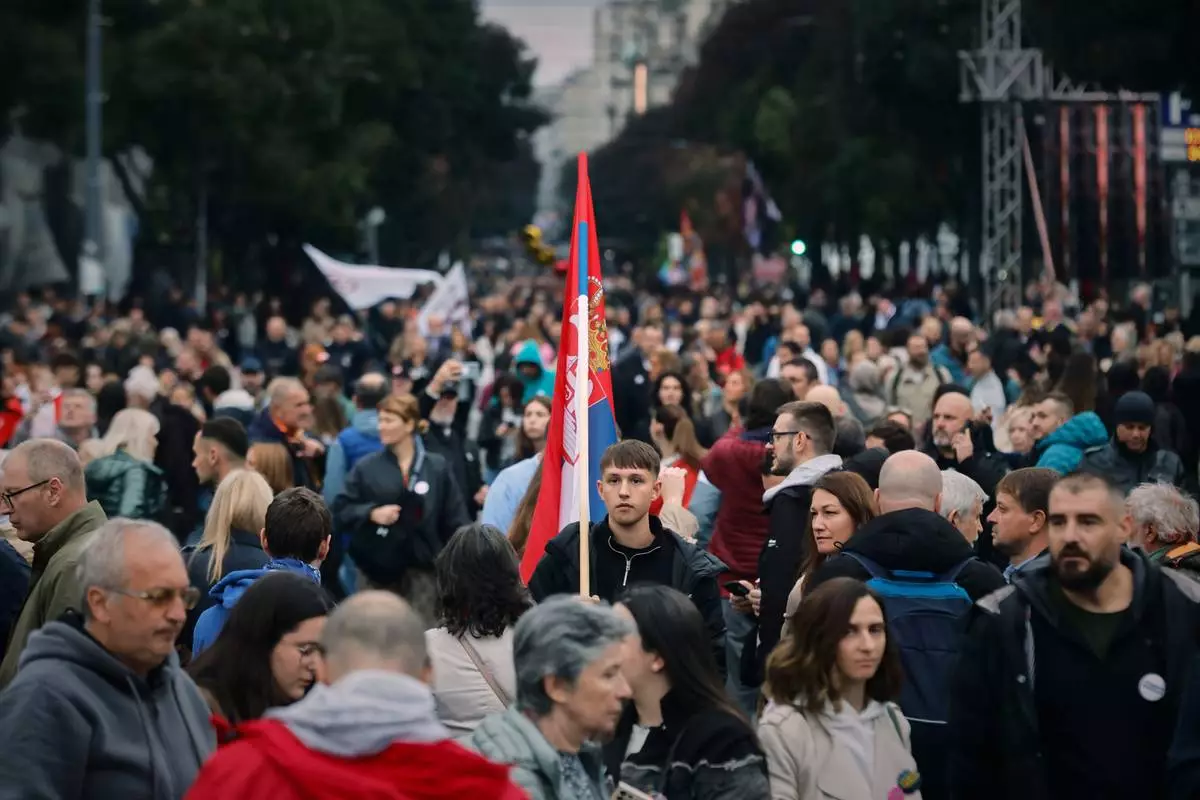
A young man holds a Serbian flag as people gather for the final "Student List – Students Win" rally ahead of a parliamentary election in Belgrade, Serbia, Thursday, Oct. 22, 2026. (AP Photo/Marko Drobnjakovic)

A young man holds a Serbian flag as people gather for the final "Student List – Students Win" rally ahead of a parliamentary election in Belgrade, Serbia, Thursday, Oct. 22, 2026. (AP Photo/Marko Drobnjakovic)

The main contenders are believed to be polling neck-and-neck, making Sunday's election the most uncertain in recent years. Turnout is expected to be high and could push most smaller parties below the 3% threshold needed to make it into the assembly.

While the increasingly authoritarian Vucic has routinely outplayed Serbia's fractured opposition in the past, the leaderless youth movement has proved to be a tough opponent that rattled his firm grip on power in Serbia like no one else could in the 14 years since his party took office.

A students' victory likely would resonate beyond Serbia as countries across Europe face youth and student protests.

Voters queued at polling places around the country early Sunday as local election monitors said turnout in the first three hours of voting was more than a double what it had been in the last parliamentary election in 2023.

The state election commission is yet to release its first report, but the student movement on its website dubbed the long lines of voters across the country “queues of hope.”

In the capital, Belgrade, Vucic stood alongside his wife for nearly two hours before casting his ballot, and later told reporters that he hopes for a peaceful election day and that he and his party will respect the election result.

“The will of the people is the will of God: vox populi, vox dei,” Vucic said. “If we lose, we will recognize the electoral will. If we win, no one will take it away from us.”

Vucic said his camp will announce reliable projections about three hours after polls close at 8 p.m. local time. Asked about whether the apparently high turnout means people want change, he said: “Let’s wait for the result.”

After casting his ballot in the northern Serbian city of Novi Sad, Ilija Srdanovic, a physician who is the first of 250 candidates for the youth movement, said the long lines heralded "record turnout in Serbia’s recent history.”

“I hope that this day will pass in a democratic atmosphere and in peace and that we will legitimately choose a new government in Serbia,” Srdanovic said.

Opponents of Vucic as well as some independent monitoring groups have warned of potential irregularities in the voting process.

Asked about whether voters should gather outside polling stations in the evening to “guard ballots,” Srdanovic said that “this evening, when we present our results, we will give recommendations what to do next.”

At a polling station in Belgrade, voter Jovan Mitrovic said he hopes that “everything goes peacefully and that everything finishes nicely,” and that "the dawn finally rises in this country after many years.”

Recent elections have been marred by irregularities and the European Union is watching closely the conduct of Sunday's vote in a candidate nation for the bloc's membership.

Both international and local election monitors already have expressed concern about the safety and fairness of an election campaign marked by detentions, near-total government control over the media and reports of surveillance and cyberattacks against activists.

Local elections earlier this year in 10 municipalities in Serbia saw violent attacks on journalists and activists. The previous parliamentary vote in 2023 was followed by opposition protests alleging fraud.

If his SNS party wins the most votes, Vucic will become the prime minister after serving two near-full terms as president. He resigned the presidency last month to lead the campaign.

The populists' popularity has eroded since 16 people were killed two years ago when a concrete canopy collapsed at a train station in Serbia's north, setting off a wave of youth protests that demanded accountability for the disaster and justice for the victims.

The anger reflected widespread accusations of high-level corruption and cronyism. Protesters said that rampant graft led to negligence during renovation work at the Novi Sad station, and eventually to the canopy collapse.

Despite the protests, Vucic retains considerable support among Serbia's voters. Admirers view him as a capable leader who can steer the nation through global uncertainties — the image that was carefully crafted by the mainstream media.

The newly formed Students' List movement differs from any of the political organizations in Serbia. It is shaped by university students but none of them are actually on the list. Instead, the candidates are little-known experts, athletes, farmers and artists.

This approach was meant to counter Vucic's one-man rule and restore a sense of community and solidarity. The “we know how” message during the campaign promised a non-partisan effort to rebuild Serbia's economy and democracy after a change of government.

With their youthful energy, the students have attracted voters who are disillusioned with local politicians. Vilified by pro-government media, students have cycled and walked through the country to reach voters in rural areas — Vucic's traditional strongholds.

Election surveys have come up with varied results while both camps say they are ahead. Some analysts fear postelection instability in case of a close result.

Vucic has said that his side would concede defeat if it lost the vote. But he has also warned that any protests that might erupt to claim fraud in case of his party's triumph would be immediately quashed.

The state election commission is not expected to release the official tally before Monday.

Magda Anastasijevic, the Eastern Europe analyst for the conflict monitor ACLED, said that electoral violence has been on the rise in Serbia recently, and could escalate, "particularly if the results are disputed."
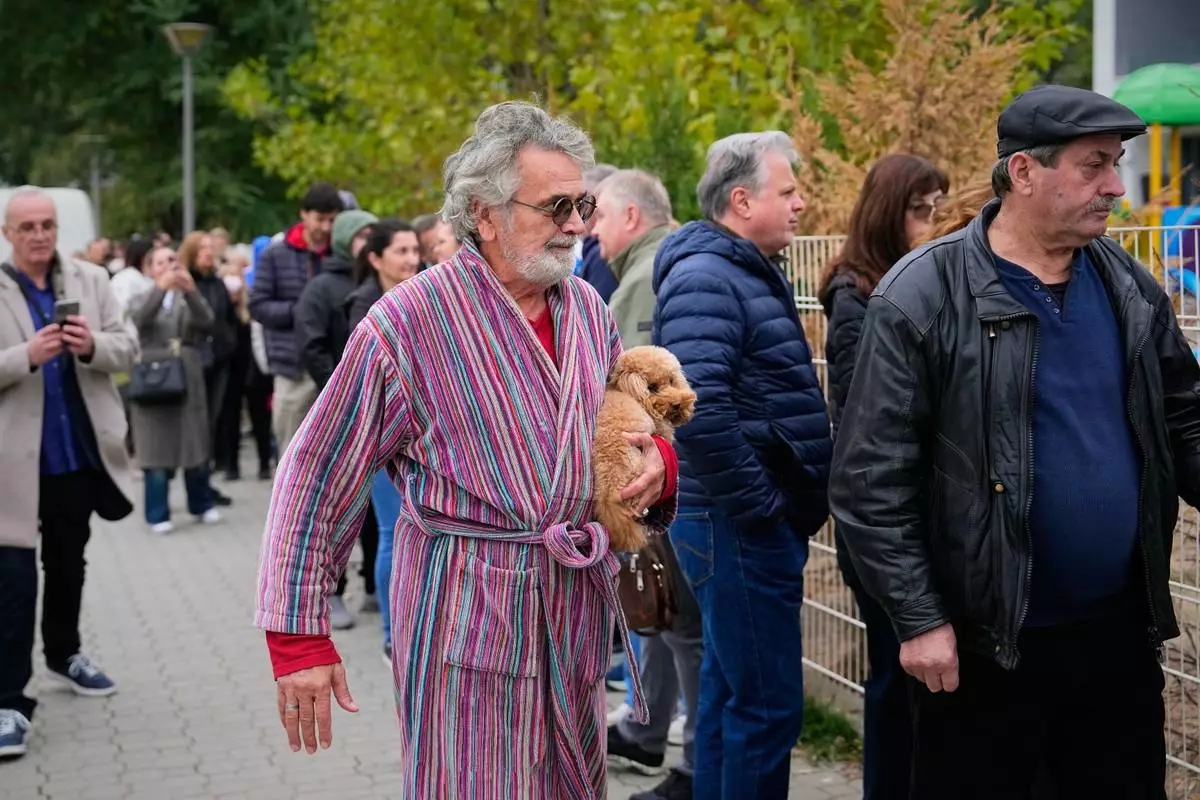
A man holds a dog while arriving at a polling station to vote in a parliamentary election in Belgrade, Serbia, Sunday, Oct. 25, 2026. (AP Photo/Petr David Josek)
A man holds a dog while arriving at a polling station to vote in a parliamentary election in Belgrade, Serbia, Sunday, Oct. 25, 2026. (AP Photo/Petr David Josek)

People wait outside a polling station before the start of voting in a parliamentary election in Novi Sad, Serbia, Sunday, Oct. 25, 2026. (AP Photo/Armin Durgut)
People wait outside a polling station before the start of voting in a parliamentary election in Novi Sad, Serbia, Sunday, Oct. 25, 2026. (AP Photo/Armin Durgut)

Students' List leader Ilija Srdanovic casts his vote in a parliamentary election in Novi Sad, Serbia, Sunday, Oct. 25, 2026. (AP Photo/Armin Durgut)

Students' List leader Ilija Srdanovic casts his vote in a parliamentary election in Novi Sad, Serbia, Sunday, Oct. 25, 2026. (AP Photo/Armin Durgut)

Aleksandar Vucic, leader of the right-wing Serbian Progressive Party (SNS), waits along with his wife Tamara to vote in a parliamentary election in Belgrade, Serbia, Sunday, Oct. 25, 2026. (AP Photo/Petr David Josek)
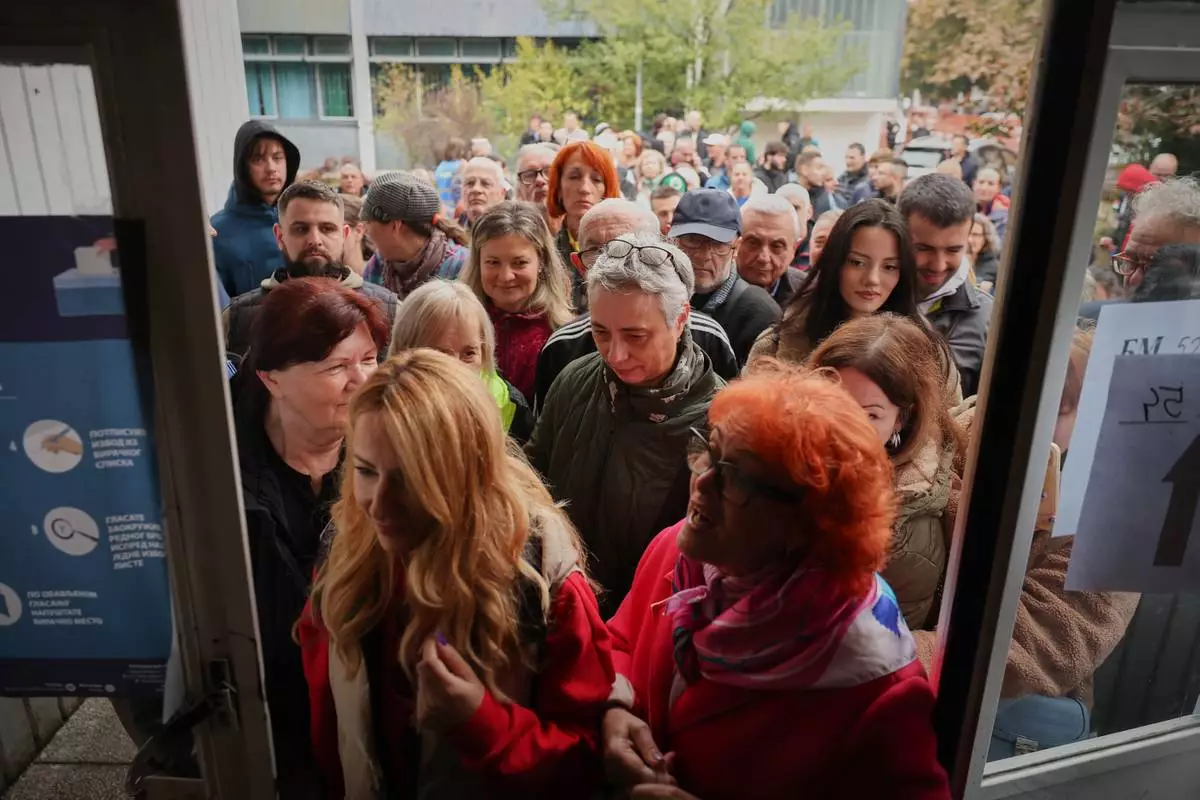
Aleksandar Vucic, leader of the right-wing Serbian Progressive Party (SNS), waits along with his wife Tamara to vote in a parliamentary election in Belgrade, Serbia, Sunday, Oct. 25, 2026. (AP Photo/Petr David Josek)

People enter a polling station that just opened its doors to cast their votes in a parliamentary election in Novi Sad, Serbia, Sunday, Oct. 25, 2026. (AP Photo/Armin Durgut)
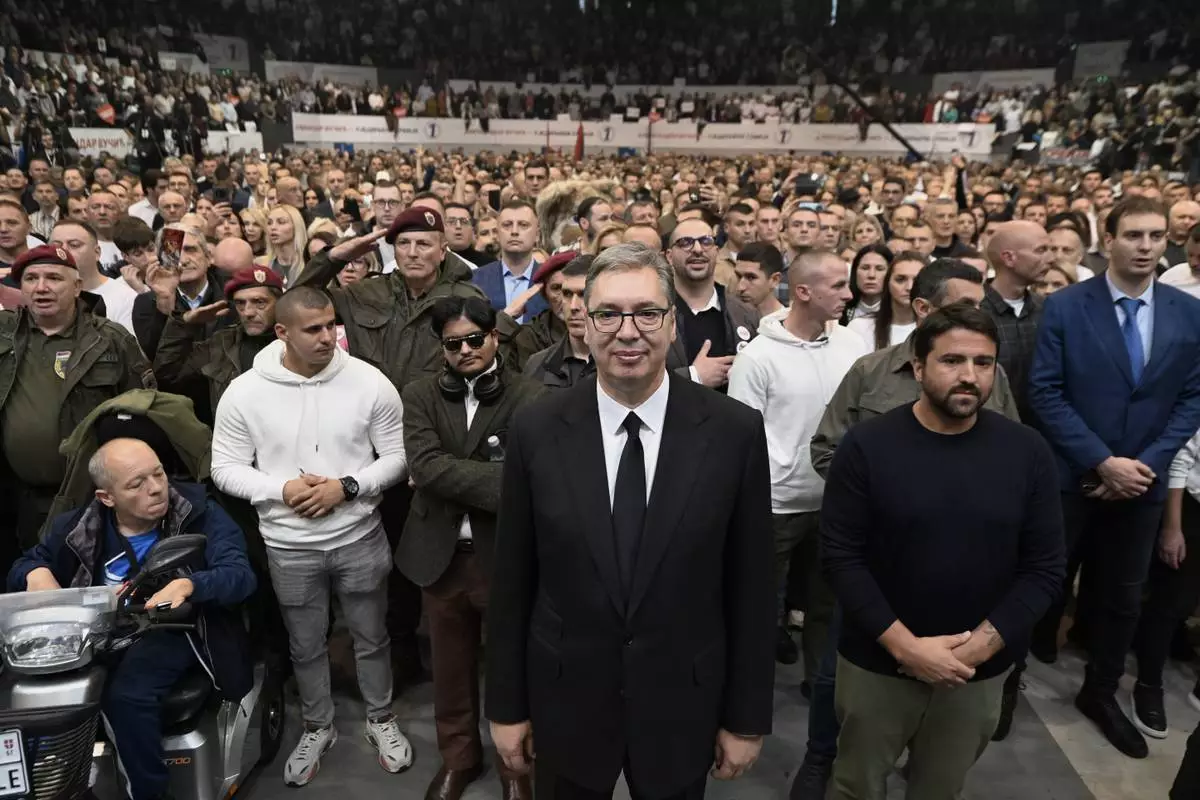
People enter a polling station that just opened its doors to cast their votes in a parliamentary election in Novi Sad, Serbia, Sunday, Oct. 25, 2026. (AP Photo/Armin Durgut)

Serbia's populist leader Aleksandar Vucic, center, listens to the Serbian national anthem with supporters during a pre-election rally of his ruling Serbian Progressive Party ahead of the early parliamentary election scheduled for Oct. 25, in Belgrade, Serbia, Thursday, Oct. 22, 2026. (AP Photo)
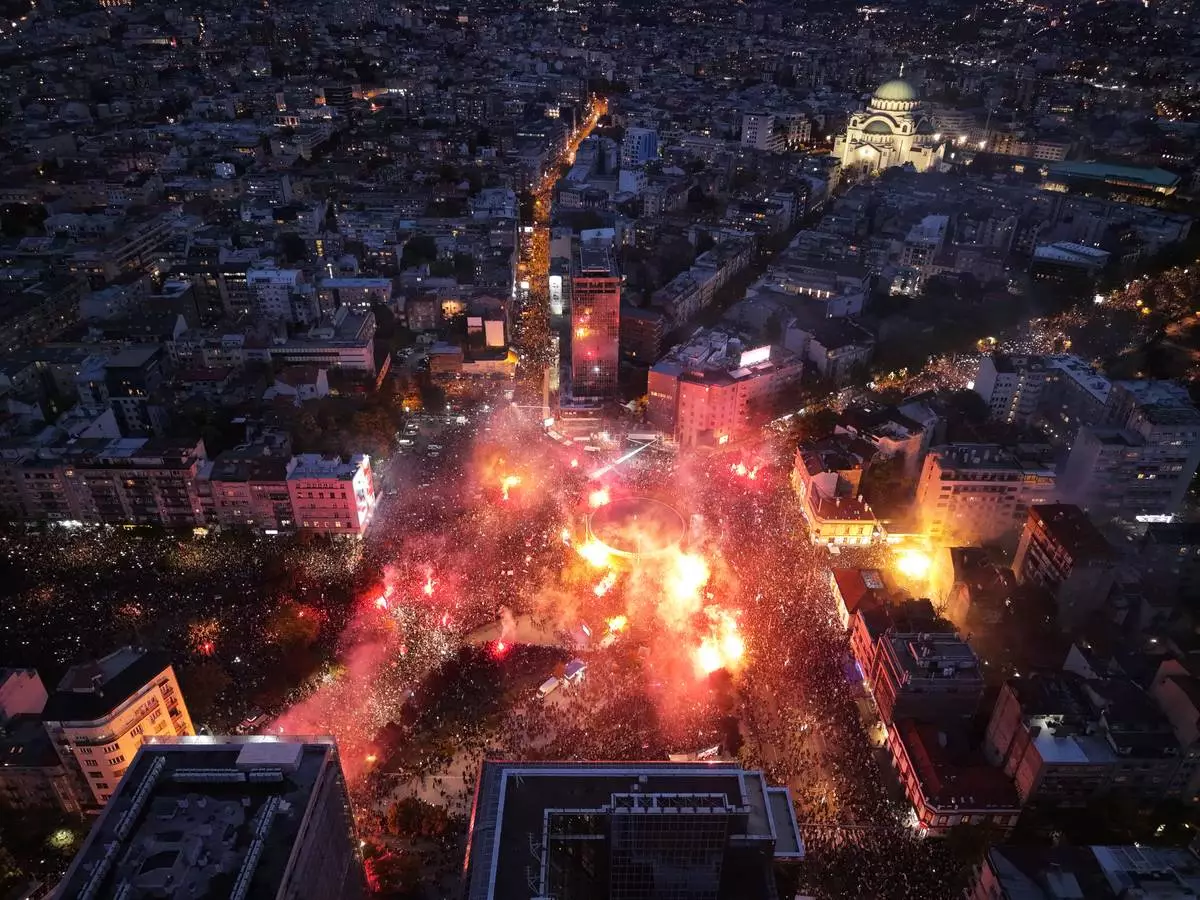
Serbia's populist leader Aleksandar Vucic, center, listens to the Serbian national anthem with supporters during a pre-election rally of his ruling Serbian Progressive Party ahead of the early parliamentary election scheduled for Oct. 25, in Belgrade, Serbia, Thursday, Oct. 22, 2026. (AP Photo)

People shine the lights of their mobile phones and light flares during the final "Student List – Students Win" rally ahead of a parliamentary election in Belgrade, Serbia, Thursday, Oct. 22, 2026. (AP Photo/Armin Durgut)
People shine the lights of their mobile phones and light flares during the final "Student List – Students Win" rally ahead of a parliamentary election in Belgrade, Serbia, Thursday, Oct. 22, 2026. (AP Photo/Armin Durgut)

Serbia's populist leader Aleksandar Vucic gestures during a pre-election rally of his ruling Serbian Progressive Party ahead of the early parliamentary election scheduled for Oct. 25, in Belgrade, Serbia, Thursday, Oct. 22, 2026. (AP Photo)
Serbia's populist leader Aleksandar Vucic gestures during a pre-election rally of his ruling Serbian Progressive Party ahead of the early parliamentary election scheduled for Oct. 25, in Belgrade, Serbia, Thursday, Oct. 22, 2026. (AP Photo)

A young man holds a Serbian flag as people gather for the final "Student List – Students Win" rally ahead of a parliamentary election in Belgrade, Serbia, Thursday, Oct. 22, 2026. (AP Photo/Marko Drobnjakovic)

A young man holds a Serbian flag as people gather for the final "Student List – Students Win" rally ahead of a parliamentary election in Belgrade, Serbia, Thursday, Oct. 22, 2026. (AP Photo/Marko Drobnjakovic)
Brazilians are voting Sunday in a presidential runoff that pits leftist incumbent Luiz Inácio Lula da Silva against Sen. Flávio Bolsonaro, a far-right ally of U.S. President Donald Trump.

Bolsonaro, the son of imprisoned former President Jair Bolsonaro, bested Lula by more than 2.2 million votes in the first round of the election earlier this month. More than 33 million of the nearly 160 million registered voters did not turn out.

The difference between the two candidates is stark. Bolsonaro and Lula have opposing ideological views on issues ranging from U.S.-Brazil relations and climate change to social welfare. A win for Bolsonaro would signify a pivot to the right by Latin America’s most populous country and its largest economy in a year when Trump allies have notched victories in Chile, Peru and Colombia.

Here's the latest:

Fabianne Borges Santoro, a 45-year-old physiotherapist who lives in the neighborhood where Bolsonaro voted, said she voted for change.

“The Workers’ Party has been in power for a long time and the voice of the people is saying that we need change to see improvements in security and the cost of living,” she said, wearing a top featuring Brazil’s national colors, yellow and green. “Things are really expensive and taxes are too high.”

Santoro said she once voted for Lula’s party but now associates it with corruption, particularly after the so-called Operation Car Wash that started in 2014, when the Workers’ Party was in power and entangled dozens of politicians.

Roulen Azeredo, a 76-year-old army reservist, said he has always voted right. He also echoed the desire for a shift in the country’s direction.

“The current government did nothing,” said Azeredo, who hopes Jair Bolsonaro, who is currently serving a 27-year sentence for attempting a coup, will be freed if the former president’s eldest son wins. “His imprisonment is a disgrace.”

Sunday’s runoff is a battle of politics as much as personalities. Brazil’s next president — Lula or Bolsonaro, a Trump ally — will determine whether U.S. influence further expands in Latin America, where Trump-allied candidates have won elections in countries that include Colombia, Argentina and Peru.

Brazil is the region’s most populous country and its largest economy. A Lula win would leave Brazil and Mexico, the region’s second most populous country, with left-of-center leaders; a Bolsonaro win would likely bring Brazil closer to Washington.

Presidential candidate Flávio Bolsonaro voted at a local school in Rio de Janeiro just after 8 a.m., accompanied by his wife, Fernanda Bolsonaro. Wearing a light yellow shirt, he smiled and waved to supporters waiting to see him in the rain.

“The time of real change has arrived,” Bolsonaro told journalists. “Brazil can’t go on another four years on its current trajectory.”

As Bolsonaro voted, supporters of the opposition candidate shouted “Lula, thief, your place is in prison,” while fans of the incumbent responded with clapping and the chant “Olé olé olé ola, Lula!” The two anthems are common in demonstrations.

In Brazil, voting is fully electronic — meaning votes are counted much more quickly than in some other countries.

Polls opened at 8 a.m. and will close at 5 p.m. Brasilia time (2000 GMT) in most of the country.

On the ballot: the presidential face-off between Lula and Bolsonaro and six gubernatorial races. Votes are tallied quickly because each ballot box calculates results locally and prints a paper summary. The encrypted data is transmitted via secure networks to the nation’s top electoral court in capital Brasilia, which aggregates and publishes the counts within hours.

The system has been in place since the 1990s with few questioning its efficiency. One of its critics is former President Bolsonaro.

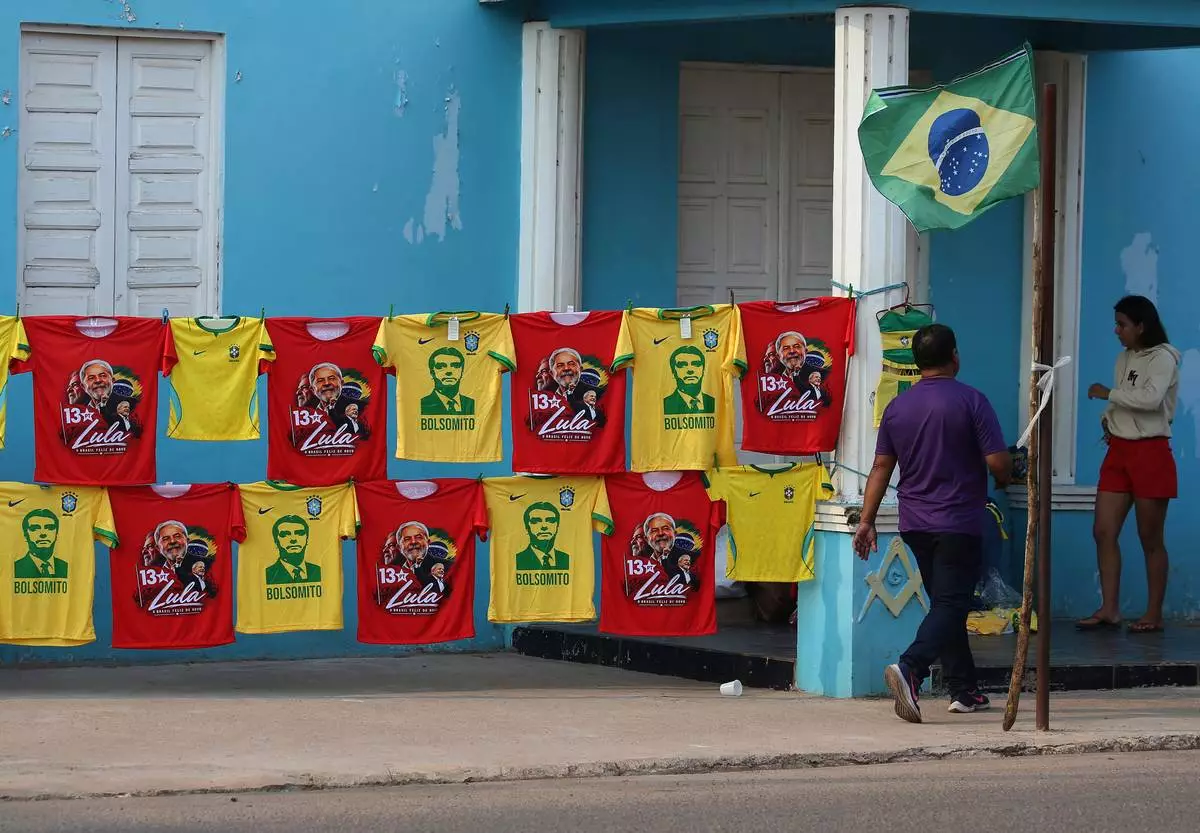
Red T-shirts depicting Brazilian President Luiz Inacio Lula da Silva, who is running for reelection, and yellow T-shirts depicting opposition presidential candidate Sen. Flavio Bolsonaro hang for sale outside a building ahead of Brazil's presidential runoff election in Autazes, Amazonas state, Brazil, Saturday, Oct. 24, 2026. (AP Photo/Edmar Barros)

Red T-shirts depicting Brazilian President Luiz Inacio Lula da Silva, who is running for reelection, and yellow T-shirts depicting opposition presidential candidate Sen. Flavio Bolsonaro hang for sale outside a building ahead of Brazil's presidential runoff election in Autazes, Amazonas state, Brazil, Saturday, Oct. 24, 2026. (AP Photo/Edmar Barros)

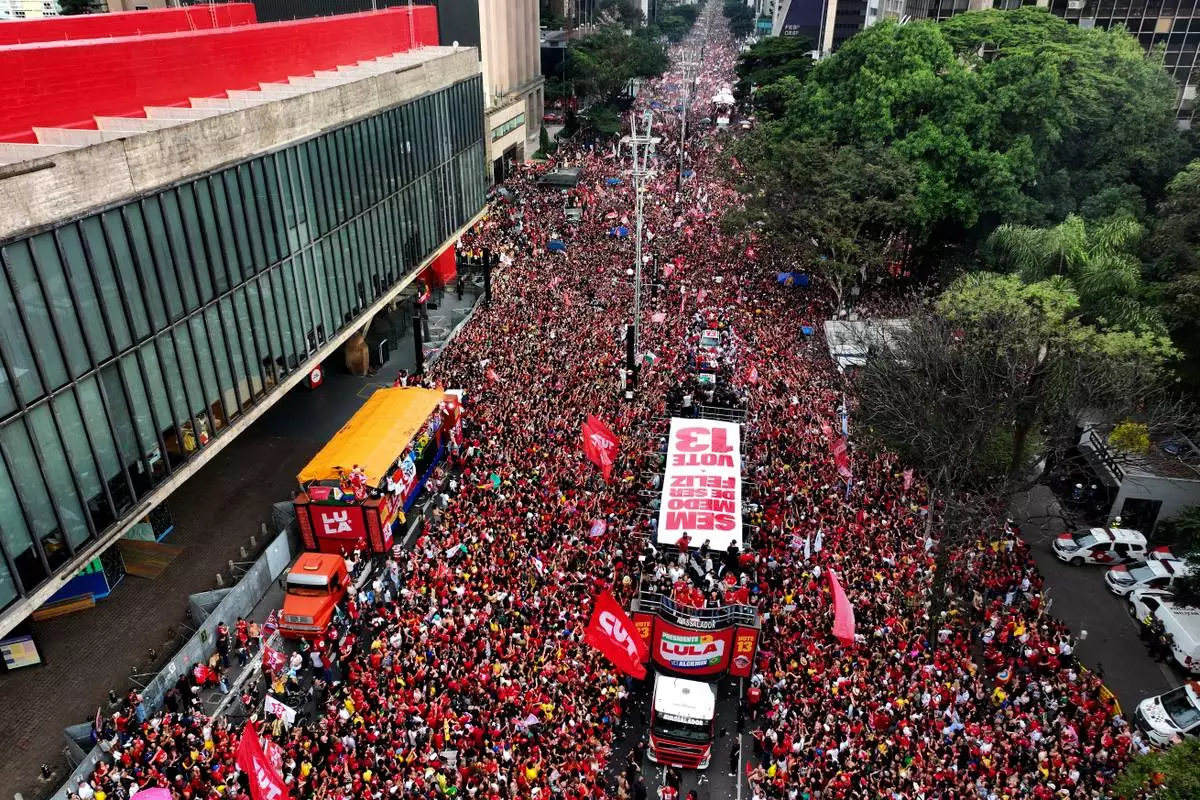
Supporters of Brazilian President Luiz Inacio Lula da Silva, who is running for reelection, crowd Paulista Avenue as his campaign vehicle passes during his final campaign rally ahead of Brazil's presidential runoff election in Sao Paulo, Brazil, Saturday, Oct. 24, 2026. (AP Photo/Andre Penner)

Supporters of Brazilian President Luiz Inacio Lula da Silva, who is running for reelection, crowd Paulista Avenue as his campaign vehicle passes during his final campaign rally ahead of Brazil's presidential runoff election in Sao Paulo, Brazil, Saturday, Oct. 24, 2026. (AP Photo/Andre Penner)

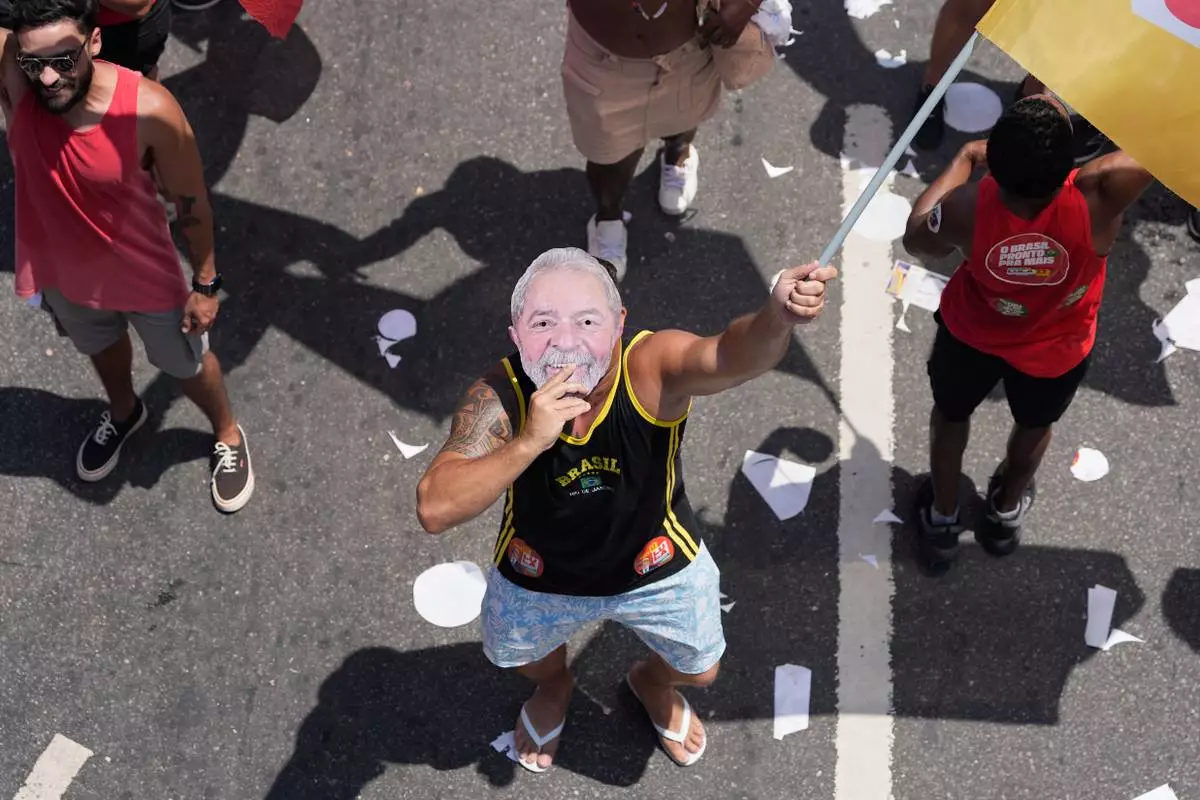
A supporter wears a mask of Brazilian President Luiz Inacio Lula da Silva, who is running for reelection, during his final campaign rally on Copacabana beach a day ahead of the presidential runoff election in Rio de Janeiro, Saturday, Oct. 24, 2026. (AP Photo/Silvia Izquierdo)

A supporter wears a mask of Brazilian President Luiz Inacio Lula da Silva, who is running for reelection, during his final campaign rally on Copacabana beach a day ahead of the presidential runoff election in Rio de Janeiro, Saturday, Oct. 24, 2026. (AP Photo/Silvia Izquierdo)

FILE - Brazil President Luiz Inacio Lula da Silva, right, who is running for reelection, gestures as opposition presidential candidate Sen. Flavio Bolsonaro stands beside him during a televised presidential debate one week before the runoff election in Sao Paulo, Brazil, Oct. 18, 2026. (AP Photo/Andre Penner, File)

FILE - Brazil President Luiz Inacio Lula da Silva, right, who is running for reelection, gestures as opposition presidential candidate Sen. Flavio Bolsonaro stands beside him during a televised presidential debate one week before the runoff election in Sao Paulo, Brazil, Oct. 18, 2026. (AP Photo/Andre Penner, File)

Recommended Articles