Saudi Arabia reopened its main airport for international flights, more than two weeks after deadly strikes by Yemen's Iranian-backed Houthi rebels knocked the facility out of service. Earlier Sunday, the kingdom said it intercepted and destroyed a ballistic missile and a drone fired by the Houthis.
Meanwhile, Israel pressed ahead with a broad military operation in the occupied West Bank in response to an attack that killed two Israeli soldiers and wounded three in the city of Hebron on Friday. It comes just days ahead of Israel’s tense election on Tuesday.
Click to Gallery
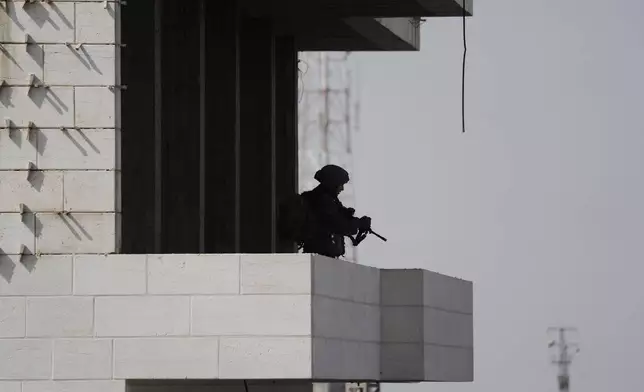
Israeli soldiers take up positions during an army operation in the West Bank city of Hebron Saturday, Oct. 24, 2026. A day after a Palestinian shooting attack in the area. (AP Photo/Mahmoud Illean)
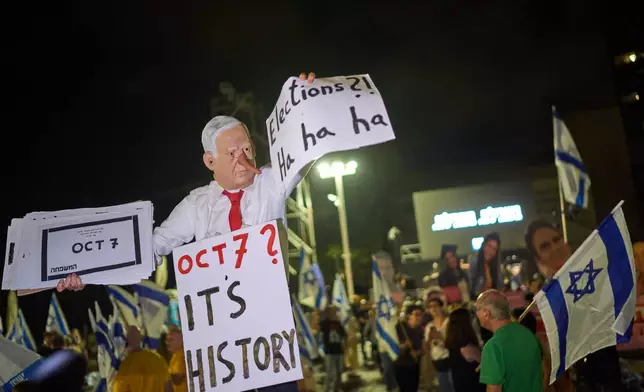
A demonstrator wearing a mask depicting Prime Minister Benjamin Netanyahu attends an anti-government rally ahead of the country's general election, Saturday, Oct. 24, 2026, in Tel Aviv, Israel. (AP Photo/David Goldman)
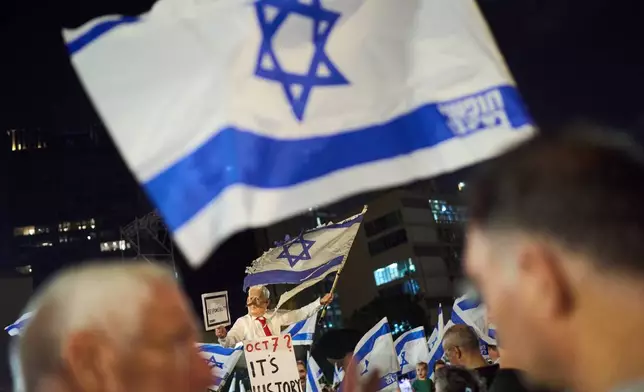
A demonstrator wearing a mask depicting Israeli Prime Minister Benjamin Netanyahu attends an anti-government protest ahead of Israel's general election, Saturday, Oct. 24, 2026, in Tel Aviv, Israel. (AP Photo/David Goldman)
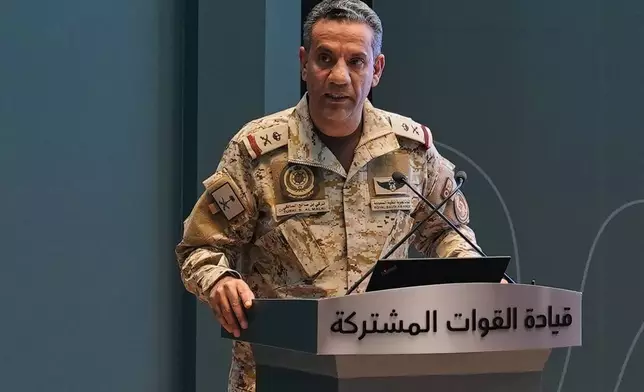
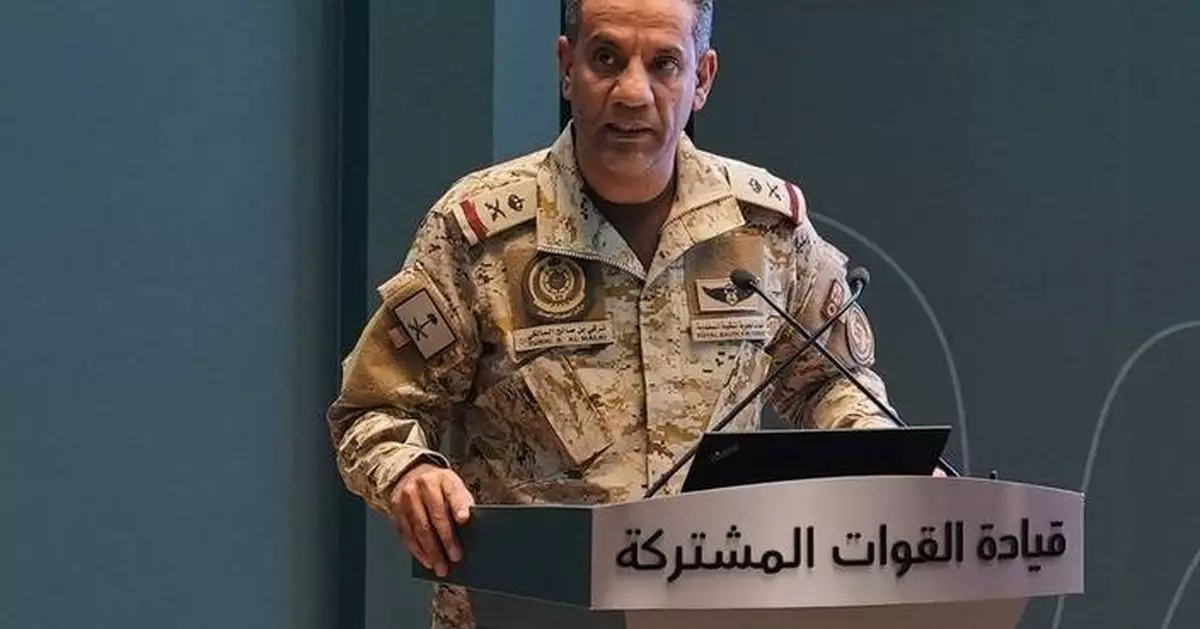
Saudi-led coalition spokesman Maj. Gen. Turki al-Maliki speaks during a press conference in Riyadh, Saudi Arabia, Thursday, Oct. 15, 2026. (AP Photo/Baraa Anwer)
The vote is widely seen as a referendum on Prime Minister Benjamin Netanyahu’s leadership and security policies during the past three years of war.
Here is the latest news from the Middle East on Sunday. Read our full coverage here.
The King Khalid International Airport said it has opened terminals 1 and 2 for domestic and international flights, starting Sunday. The announcement came as the Houthis in Yemen kept firing drones and missiles toward the Saudi capital.
Saudi military spokesman Maj. Gen. Turki al-Malki said air defenses intercepted and destroyed a ballistic missile and a drone fired by the Houthis toward Riyadh early Sunday, as well as 10 ballistic missiles toward the southern region.
In early October, Houthi strikes hit a complex housing two other terminals, killing 17 people and wounding over 330.
Last week, the Riyadh airport opened to limited domestic flights.
The Israeli military on Sunday announced new restrictions in the occupied West Bank, barring Palestinian laborers from jobs in Israeli settlements, as it pressed ahead with a crackdown following a deadly attack that killed two Israeli soldiers.
Israel launched the crackdown following Friday’s attack, carrying out arrests and building demolitions in Hebron, the site of the attack. The municipality says some 2,200 people have been displaced.
The operation comes as Israel enters the final days before a tense election, the first since the 2023 Hamas-led attacks and ensuing wars in the region.
Israel also closed several crossings in the territory.
Israeli strikes in Gaza killed seven people and wounded eight on Sunday, according to Palestinian hospital officials.
A pair of strikes in Gaza City killed four people, while two brothers were killed in the southern city of Khan Younis. Another person was killed in the central town of Deir al-Balah. The deaths were confirmed by officials from Shifa, Hamad, Nasser and Al-Aqsa hospitals, as well as an American field hospital.
The Israeli military did not immediately comment on the strikes.
A year since a ceasefire deal began in October 2025, Israel continues to bombard Gaza in what it says are strikes against militant targets. More than 1,500 Palestinians there have been killed by Israel, according to the territory’s Health Ministry. The ministry, part of the Hamas-run government, does not distinguish between civilians and militants but says women and children make up nearly half of those killed.
The AID Coalition, a U.S.-based nonprofit focused on strengthening Israel’s democracy, says tens of thousands of Israelis living abroad are expected to fly in for the vote.
Israeli law generally requires citizens to vote in person in the country, with narrow exceptions for diplomats and certain official emissaries abroad.
Israel has more than 7.3 million registered voters, but polling suggests a tight race. Previous elections have turned on thin margins. It’s unclear what effect these voters from abroad might have, but many liberal Israelis who don’t support Netanyahu have left the country in recent years, suggesting that those returning to cast ballots would not support him.
Iran’s foreign minister vowed on Sunday that new threats of war will not budge Iran from its policies.
“Today, again war is being spoken about, but I am thinking about post-war status, whether a war occurs or not, our policies will remain in place,” Foreign Minister Abbas Araghchi told a group of diplomats in Tehran.
He also warned the U.S. against renewing strikes on Iran and repeated past statements that Tehran is ready to cooperate with neighboring Arab nations in the Persian Gulf.
“Everything has changed in our region," he said. "After the recent war, nothing will be like the past.”
The head of one of Libya’s rival governments rejected comments by U.S. President Donald Trump in which he added the nation to a list of countries he described as “terror-infested.”
Writing on social media, Prime Minister Abdulhamid Dbeibah said he rejected “any affront” to his country or its people “who have made great sacrifices in the fight against terrorism.”
At a Saturday campaign rally in Georgia, Trump accused the Democrats of trying to open the United States for “armies of migrants from terror-infested countries like Libya, Yemen, Haiti, Somalia.”
Libya plunged into chaos following a NATO-backed uprising turned civil war that toppled longtime dictator Moammar Gadhafi in 2011. The country is divided between rival administrations, each backed by different armed groups and foreign governments.
This report will be updated throughout the day as new developments emerge.
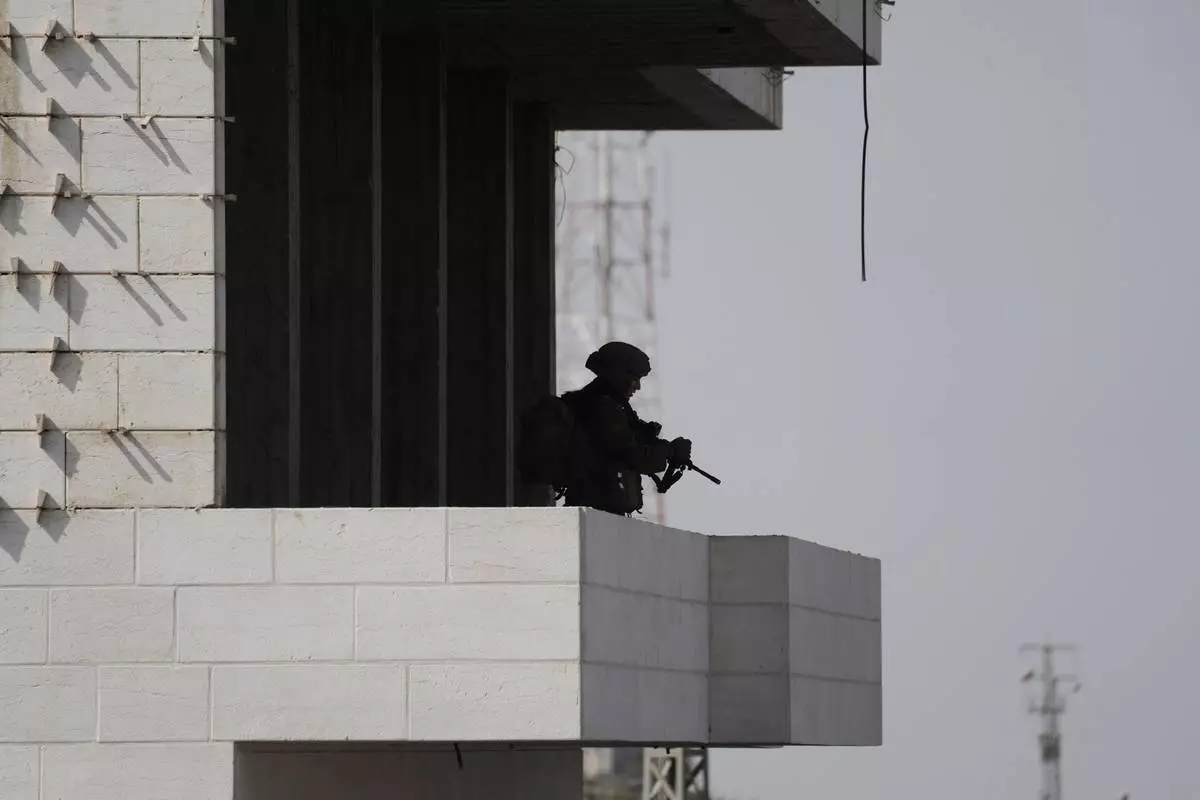
Israeli soldiers take up positions during an army operation in the West Bank city of Hebron Saturday, Oct. 24, 2026. A day after a Palestinian shooting attack in the area. (AP Photo/Mahmoud Illean)
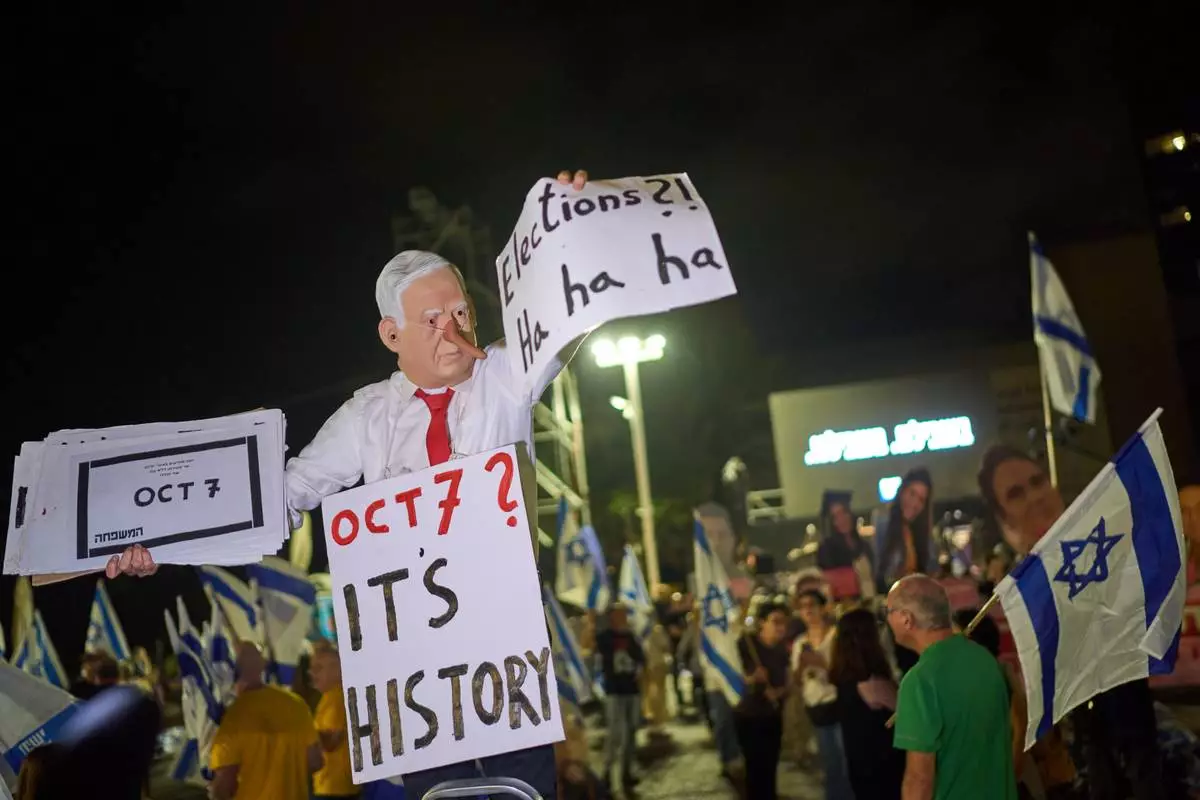
A demonstrator wearing a mask depicting Prime Minister Benjamin Netanyahu attends an anti-government rally ahead of the country's general election, Saturday, Oct. 24, 2026, in Tel Aviv, Israel. (AP Photo/David Goldman)
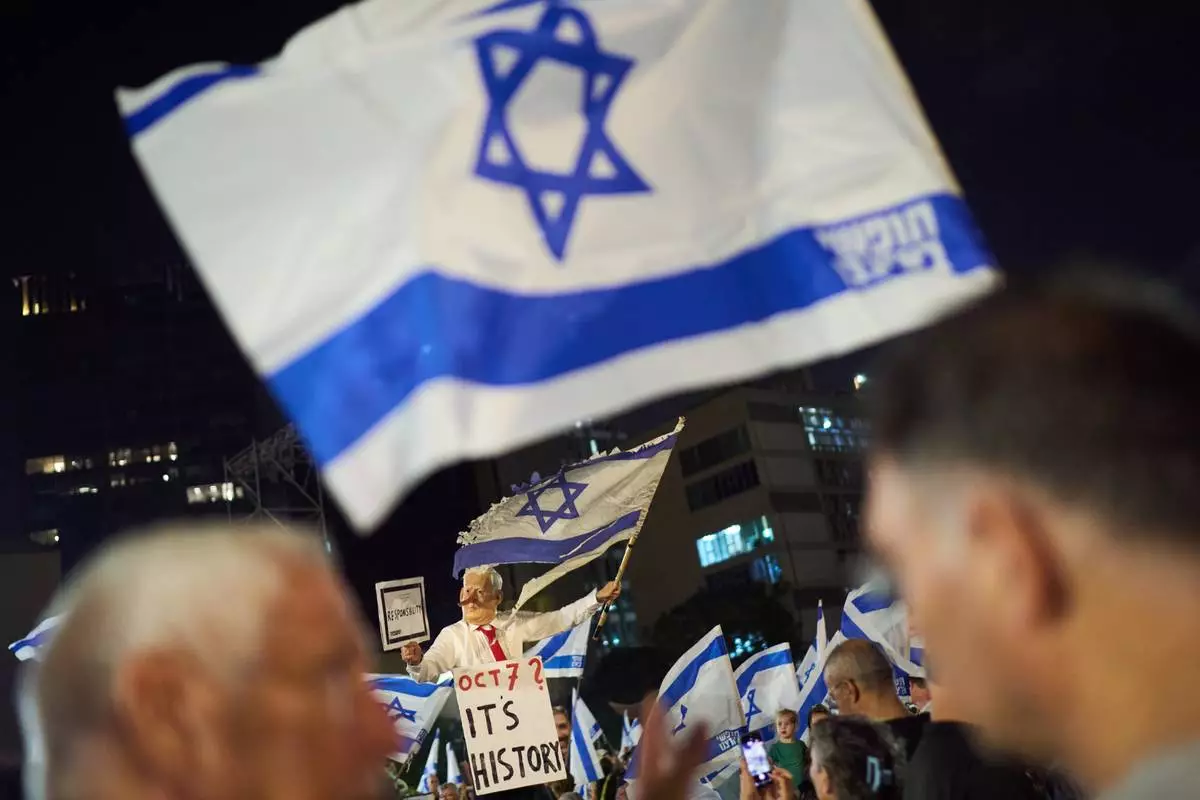
A demonstrator wearing a mask depicting Israeli Prime Minister Benjamin Netanyahu attends an anti-government protest ahead of Israel's general election, Saturday, Oct. 24, 2026, in Tel Aviv, Israel. (AP Photo/David Goldman)
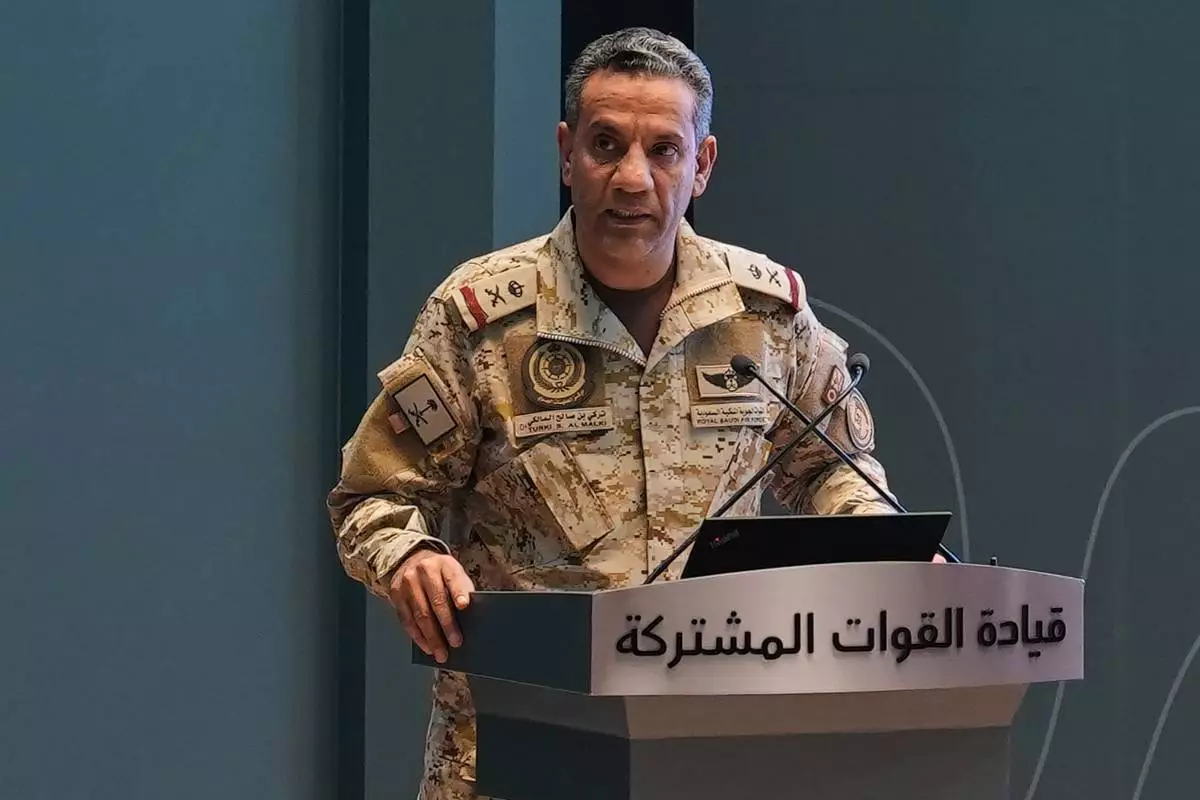
Saudi-led coalition spokesman Maj. Gen. Turki al-Maliki speaks during a press conference in Riyadh, Saudi Arabia, Thursday, Oct. 15, 2026. (AP Photo/Baraa Anwer)