German President Frank-Walter Steinmeier's visit to China will mark a significant moment for bilateral relations, as the two countries possess great potential for cooperation in many areas, including economy, climate issues, and cultural exchange, said German Ambassador to China Philipp Ackermann.
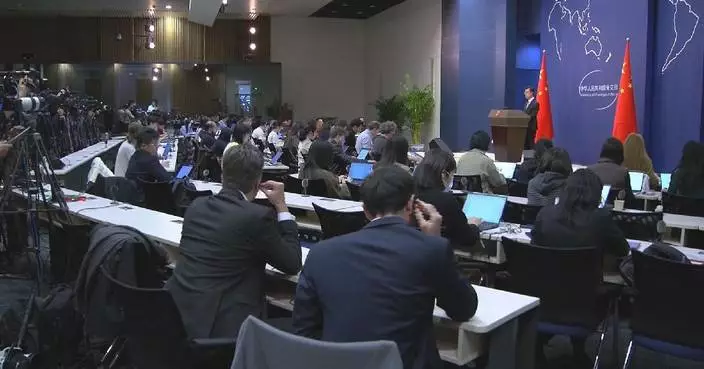
At the invitation of Chinese President Xi Jinping, Steinmeier will pay a state visit to China from Oct. 27 to 31, Chinese Foreign Ministry spokeswoman Mao Ning said last Friday.
During the visit, Xi will hold talks with Steinmeier, and Premier Li Qiang and Chairman of the National People's Congress Standing Committee Zhao Leji will meet with him to exchange views on bilateral relations and issues of mutual interest, said Mao, adding that Steinmeier will also visit east China's Anhui Province besides Beijing.
"We are very much looking forward to the state visit. It will be one of President Steinmeier's final visits abroad, as his term ends early next year. I believe it is a significant gesture that he has chosen to make one of these last visits here to China. He knows China well, he visited frequently during his time as the Foreign Minister, and has continued to do so as President. For us, this is a major event. I believe it will be a significant moment for our bilateral relations, not only the visits to universities or the trip to Anhui Province, but, in particular, the discussions with the Chinese President. We are truly looking forward to it, and I believe it will be a wonderful time for all of us -- both Chinese and Germans," said Ackermann during an interview with the China Media Group (CMG).
The ambassador visited the Beijing Foreign Studies University (BFSU), an institution dedicated to foreign languages and international studies in Beijing, on Sunday, where he noted that the close cooperation and academic exchange between Chinese and German universities and higher education institutions are highly valuable.
"What I find particularly impressive here at BFSU is the scope for university cooperation, academic collaboration, and scholarly exchange, with so many students spending a semester or completing their entire degree in Germany, and German students coming to China to engage in fields like economics, environmental protection, and climate action. There are so many levels on which we can further strengthen our cooperation, and I look forward to doing just that during my tenure," said the ambassador.
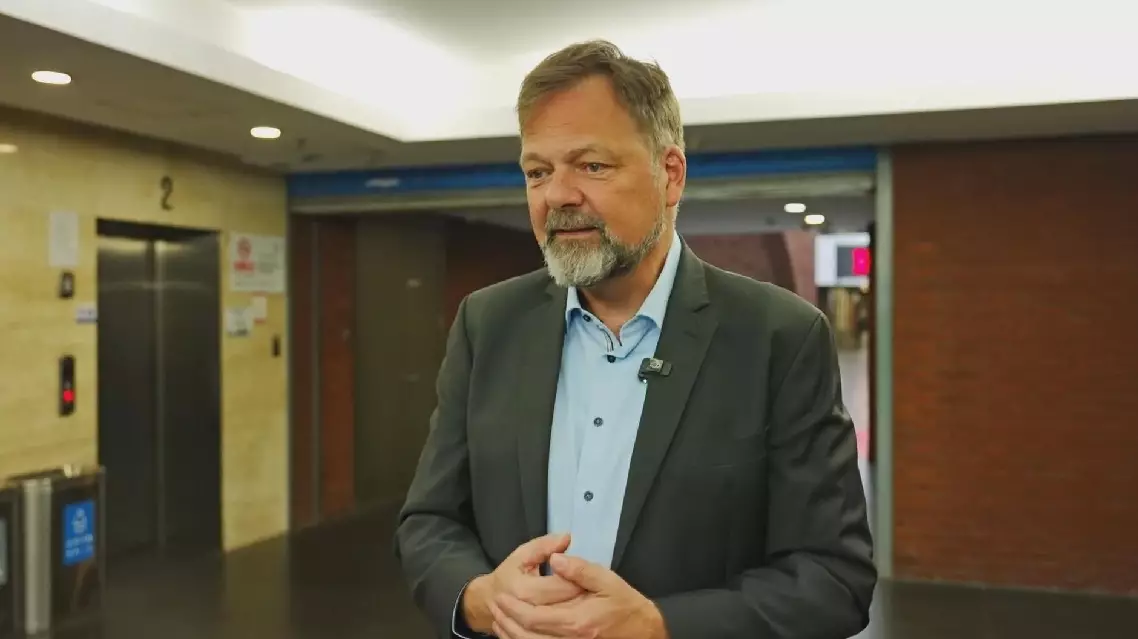
German president's visit to China is significant for bilateral ties: ambassador