Tokyo stocks closed mixed on Monday, with the benchmark 225-issue Nikkei Stock Average falling 0.8 percent to end at 62,189.65 points.
The broader Topix index, meanwhile, advanced 7.17 points, or 0.18 percent, to finish at 3,972.98 points.
Selling in some AI- and semiconductor-related stocks dragged down the Nikkei, as recent concerns over the profitability and sustainability of massive AI-related investments persisted.
At the same time, rotational buying pushed most sectors higher. Stocks that typically benefit from rising crude prices, such as oil-related issues and general trading company shares, were among the top performers, according to Timothy Pope, a market analyst at China Global Television Network (CGTN).
"Over in Tokyo, the Nikkei 225 was down 0.8 percent today, thanks mostly to heavyweight tech stocks. Here too, we saw oil stocks really trying to counter those losses with Inpex adding 4.9 percent," he said.
Analysts said investors tended to stay on the sidelines ahead of policy meetings by the U.S. Federal Reserve and the Bank of Japan, as well as earnings reports from some major AI-related companies in the United States and Japan.
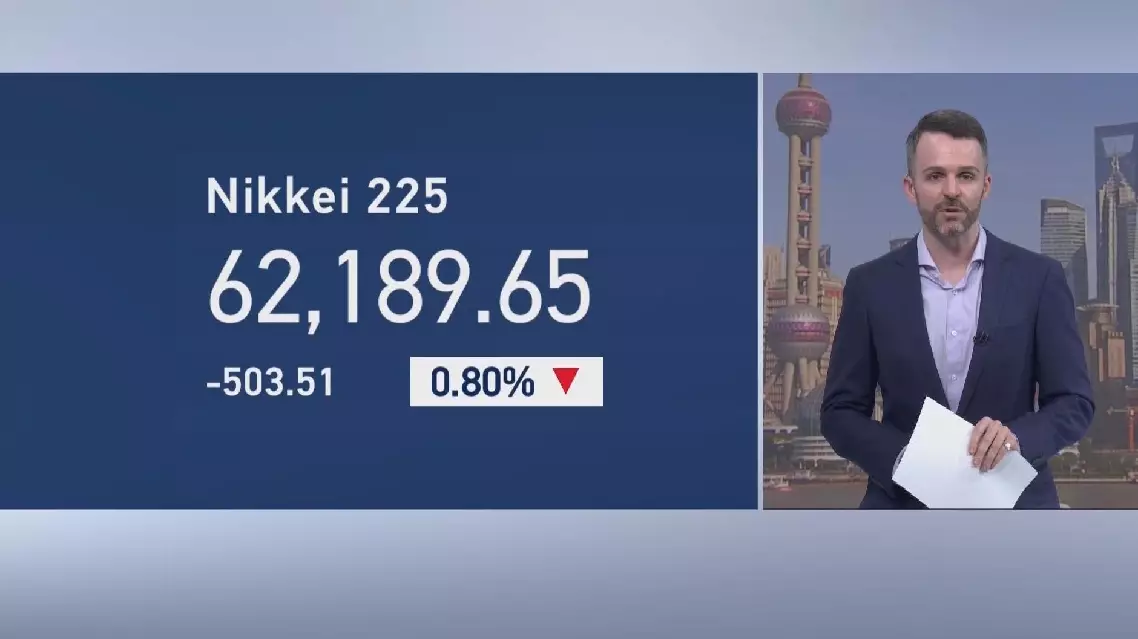
Japan's benchmark Nikkei stock index down 0.8 pct on Monday
Kenya must maintain high vigilance and continue strengthening disease surveillance and control measures, as the country reaches a critical phase in its response to the current Ebola outbreak, a World Health Organization (WHO) official said on Friday.
Neema Rusibamayila Kimambo, acting WHO representative to Kenya, commended on the Kenyan government's prompt response following the detection of the first imported case, which involved rapid contact tracing and isolation.
According to Kenya's Ministry of Health, the country has reported nine confirmed cases of the Bundibugyo ebolavirus strain, including two deaths. All subsequent confirmed cases were identified while under isolation and are currently receiving treatment, with no evidence of community transmission.
Just before the first batch of close contacts completed their 21-day medical observation without symptoms and began leaving quarantine starting Sunday, Kimambo noted that releasing contacts from observation does not signal the end of the outbreak.
"So for WHO criteria, we look at those 21 days. But we still have people who are sick, right? So until you come to the last patient being treated and is now Ebola-free, then we count up to 42 days to officially say this is over. So we still have a while to go for that," she said.
The official also highlighted the broader regional concern, particularly in the Democratic Republic of the Congo (DRC), where new cases continue to rise rapidly and cross-border human mobility increases the difficulty of epidemic control.
"They're currently now getting around an average of 70 something new cases every day. You can imagine if the case in Kenya, just one case, we had over 100 contacts. So imagine 70 new cases every day. How many contacts?" she said.
To address these challenges, the WHO is assisting relevant countries in sharing information and coordinating responses through national contact mechanisms and country offices, Kimambo added.
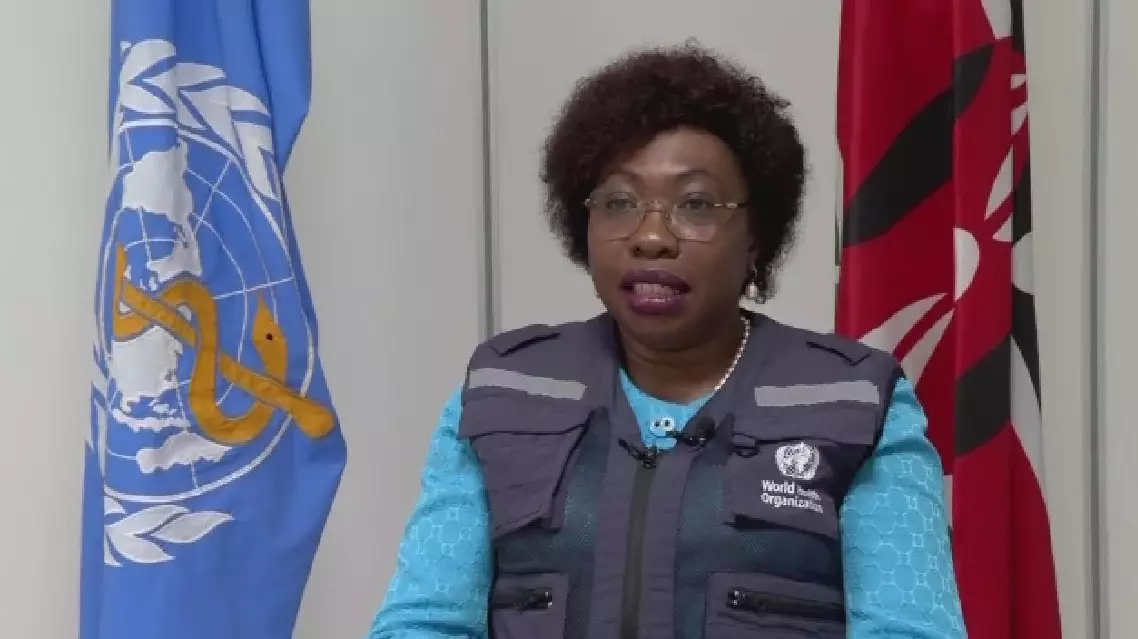
Kenya to remain vigilant in Ebola response: WHO official