Throughout history, flowers have carried cultural significance around the world, from lotus blossoms in Buddhist and Hindu traditions to cherry blossoms in Japan, peonies in China, and roses, whose association with love spans generations and transcends cultures.
But few flowers hold as powerful a place in remembrance as the marigold (Tagetes erecta), especially on Nov. 1 and 2, when Latino communities celebrate Día de los Muertos, or Day of the Dead.
Click to Gallery
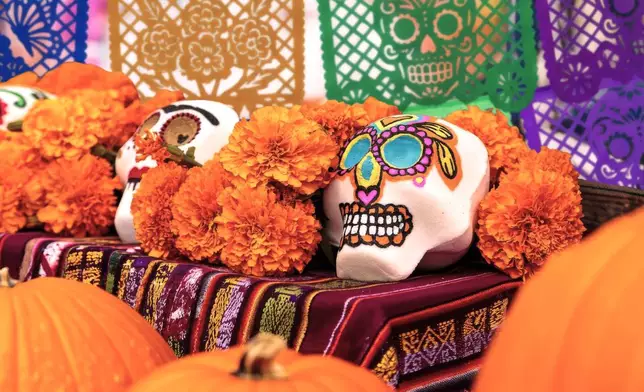
This image provided by the New York Botanical Garden shows a bright marigolds and painted decorative skulls displayed on an alter during the site's Dia de los Muertos celebration in the Bronx borough of New York. (New York Botanical Garden via AP)
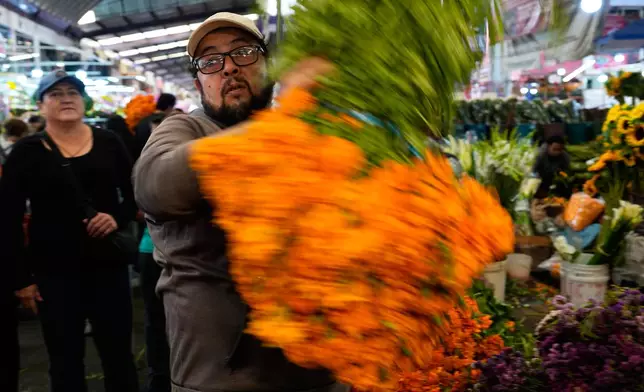
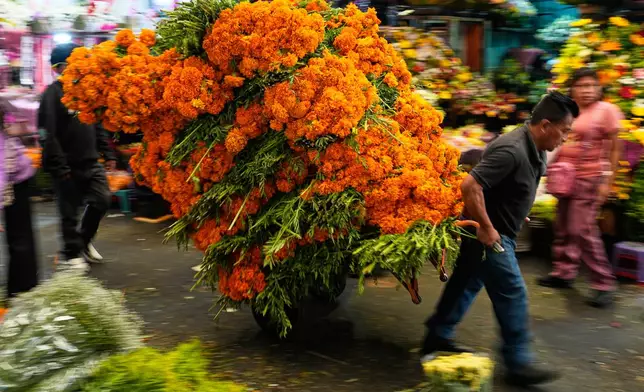
A vendor carries a bundle of cempasúchil, or marigold flowers at the Mercado de Jamaica where the blooms are sold for Day of the Dead offerings, in Mexico City, Saturday, Oct. 24, 2026. (AP Photo/Marco Ugarte)
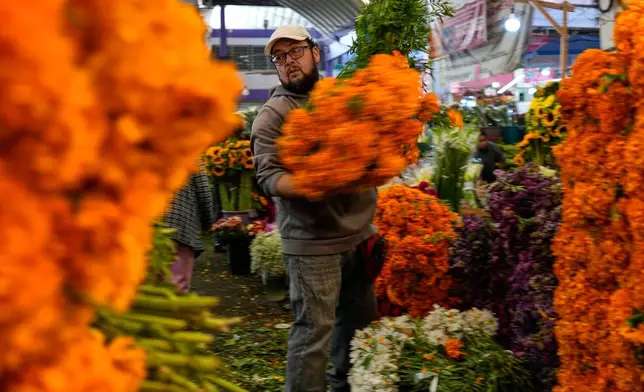
A vendor carries a bundle of cempasúchil, or marigold flowers at the Mercado de Jamaica where the blooms are sold for Day of the Dead offerings, in Mexico City, Saturday, Oct. 24, 2026. (AP Photo/Marco Ugarte)
A porter moves bundles of cempasúchil, or marigold flowers through the Mercado de Jamaica where the blooms are sold for Day of the Dead offerings, in Mexico City, Saturday, Oct. 24, 2026. (AP Photo/Marco Ugarte)
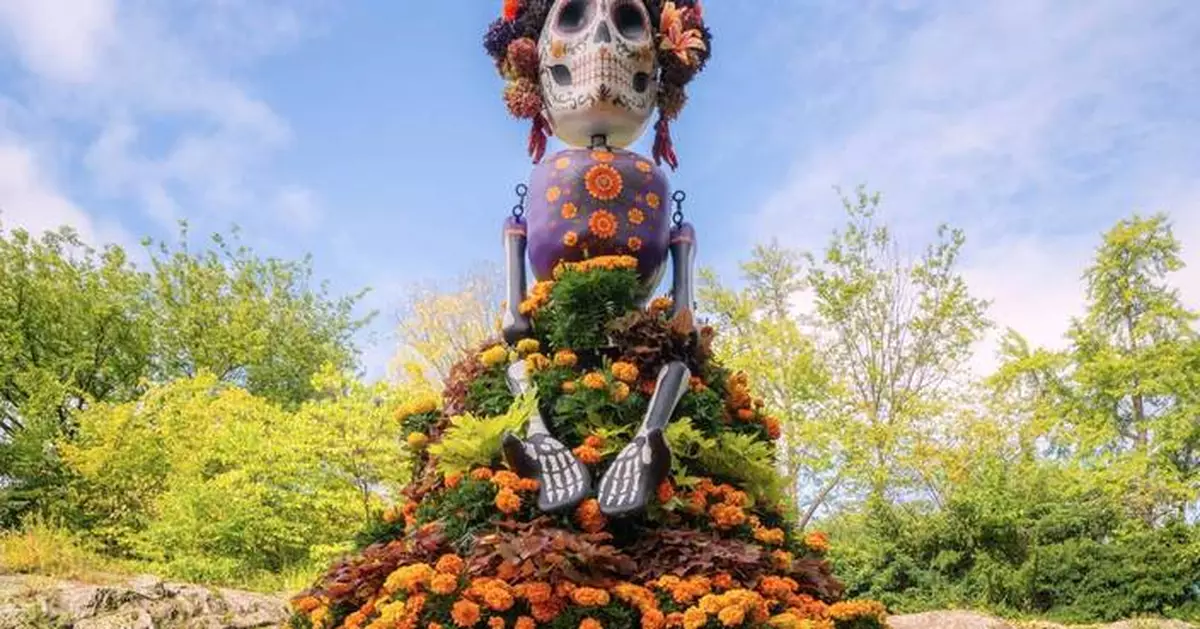
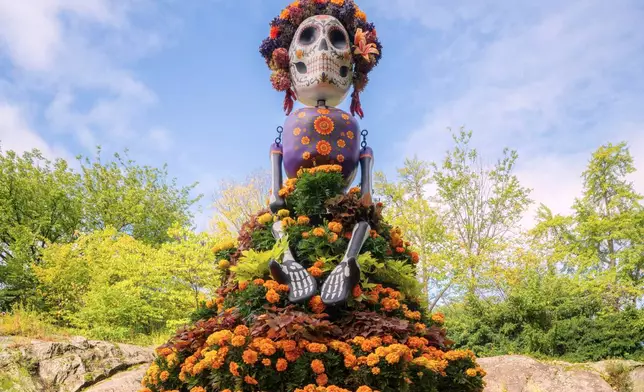
This image provided by the New York Botanical Garden shows a traditional marigold-adorned La Catrina sculpture on display during the site's Dia de los Muertos celebration in the Bronx borough of New York on Sept. 29, 2026. (New York Botanical Garden via AP)
In Mexico, the flowers are known as cempasúchil, which translates from the Aztec language Nahuatl as “flower of 20 petals.” They are often called African marigolds despite being native to Mexico.
And they serve an important role in connecting families to their ancestors.
On Día de los Muertos, marigolds are used to decorate altars and shrines that hold candles, photographs, favorite foods and the personal belongings of departed loved ones. Their strong scent and bright orange or yellow color are believed to guide the spirits back to their families.
The most popular marigold varieties during the holiday season are Marvel gold, Marvel orange and Marvel lemon, according to Flora Daily, an online news hub serving the international horticulture and flower industry. However, other marigold species or hybrids are sometimes substituted to meet demand.
Día de los Muertos is observed publicly across the U.S. with exhibits, community gatherings and performances.
In San Francisco, the Mission District honors ancestors and departed loved ones through community altars, ritual dances and public processions on Nov. 2.
San Antonio’s roughly weeklong Día de los Muertos celebration runs through Nov. 2, with altars, music, dance and the Dead River Parade along the San Antonio River Walk.
The New York Botanical Garden is holding its annual celebration through Nov. 2, with live music, dance performances, hands-on workshops, cultural activities, a parade and, of course, marigold-adorned displays.
And The National Museum of Mexican Art in Chicago presents its own annual exhibition through Nov. 29.
Marigolds are easy-care annual plants that grow well in horticultural zones 2-11. They are typically grown from summer through autumn, which makes them well-suited for the weeks leading up to the holiday.
In colder regions, the year’s first frost usually kills them, but in warmer areas, they typically survive into winter.
Marigold seeds germinate and grow quickly, making them ideal for sowing directly into the garden in spring, after the danger of frost has passed. They can be expected to bloom about eight weeks after sowing, but you can give them a head start by starting seeds indoors six to eight weeks in advance.
Whether sowing seeds or using starter plants, plant in a sunny site with well-draining soil. Water regularly for the first few weeks while plants become established, then only when the soil dries out. Removing faded flower heads will encourage continued blooming and keep plants looking tidy.
Although they coordinate well with the pumpkins, Chrysanthemums and ornamental cabbages of the season, marigolds are not simply fall decorations for those who celebrate Día de los Muertos. They are part of a practice that keeps memories alive.
Jessica Damiano writes weekly gardening columns for The Associated Press. She publishes the Weekly Dirt Newsletter. Sign up here for weekly gardening tips and advice.
For more AP gardening stories, go to https://apnews.com/hub/gardening.
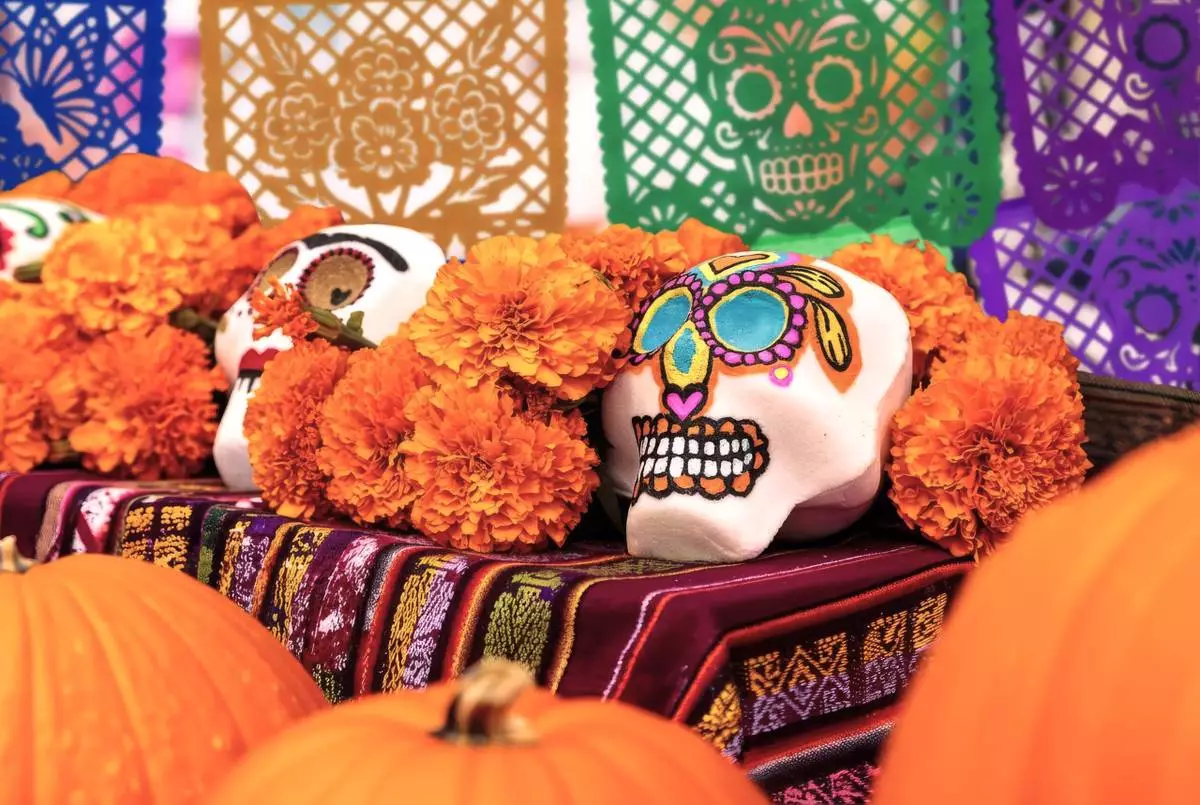
This image provided by the New York Botanical Garden shows a bright marigolds and painted decorative skulls displayed on an alter during the site's Dia de los Muertos celebration in the Bronx borough of New York. (New York Botanical Garden via AP)
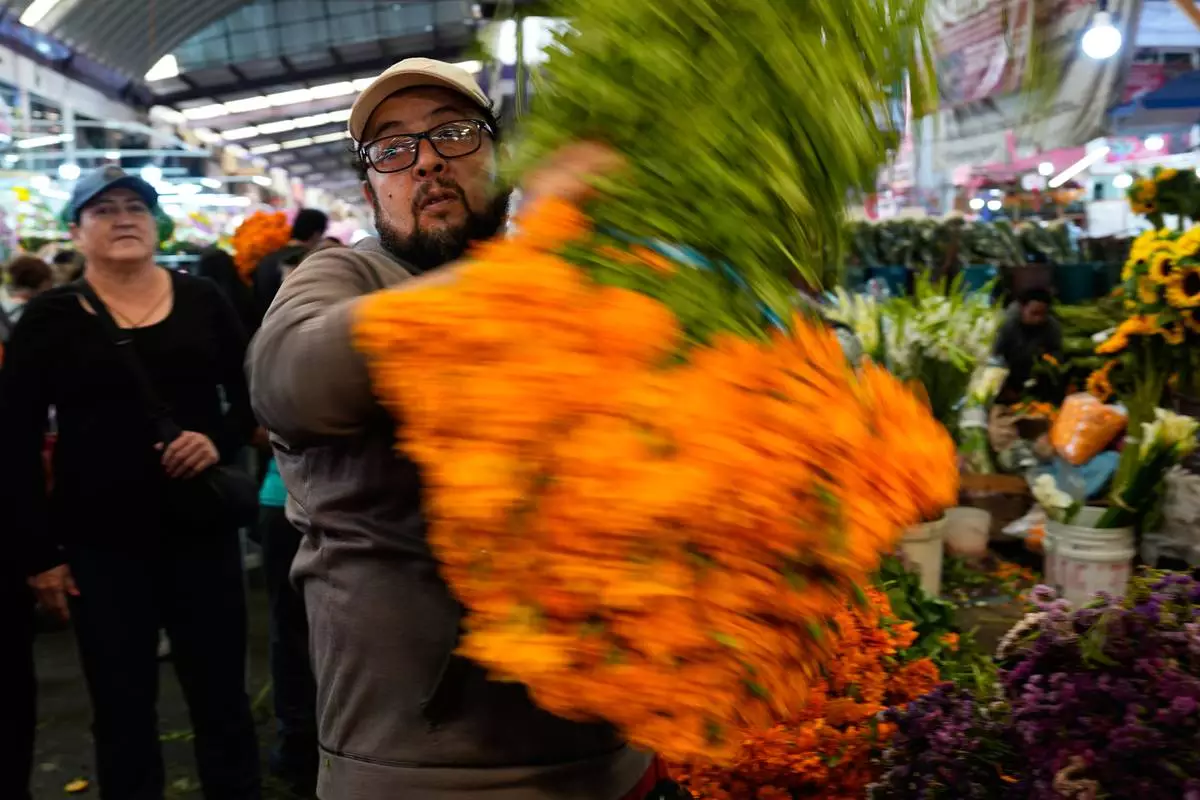
A vendor carries a bundle of cempasúchil, or marigold flowers at the Mercado de Jamaica where the blooms are sold for Day of the Dead offerings, in Mexico City, Saturday, Oct. 24, 2026. (AP Photo/Marco Ugarte)
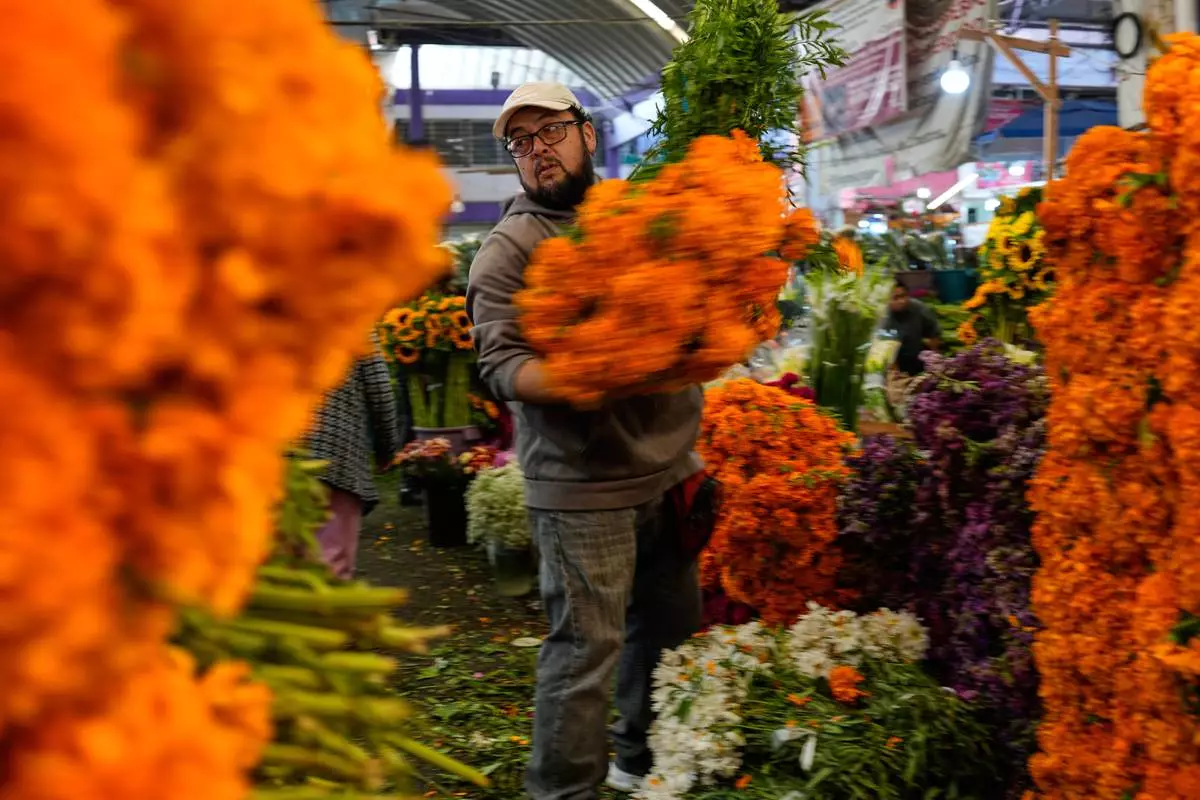
A vendor carries a bundle of cempasúchil, or marigold flowers at the Mercado de Jamaica where the blooms are sold for Day of the Dead offerings, in Mexico City, Saturday, Oct. 24, 2026. (AP Photo/Marco Ugarte)
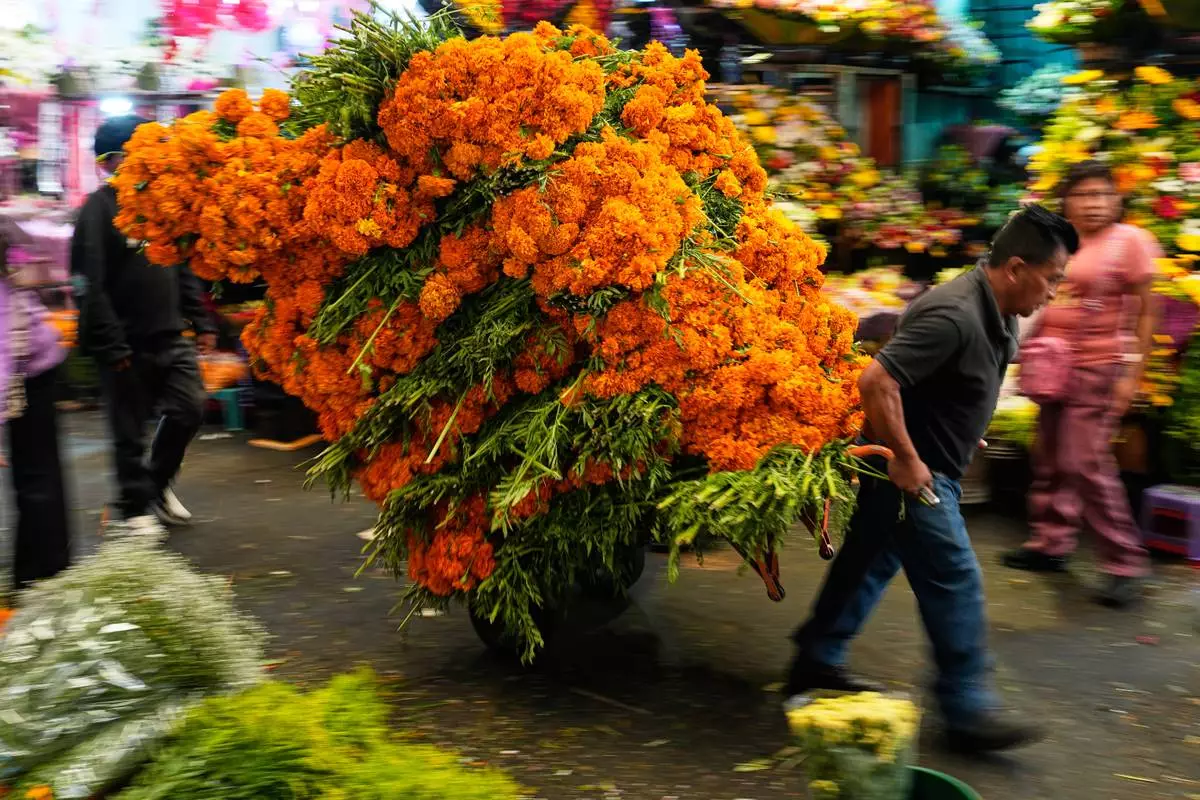
A porter moves bundles of cempasúchil, or marigold flowers through the Mercado de Jamaica where the blooms are sold for Day of the Dead offerings, in Mexico City, Saturday, Oct. 24, 2026. (AP Photo/Marco Ugarte)
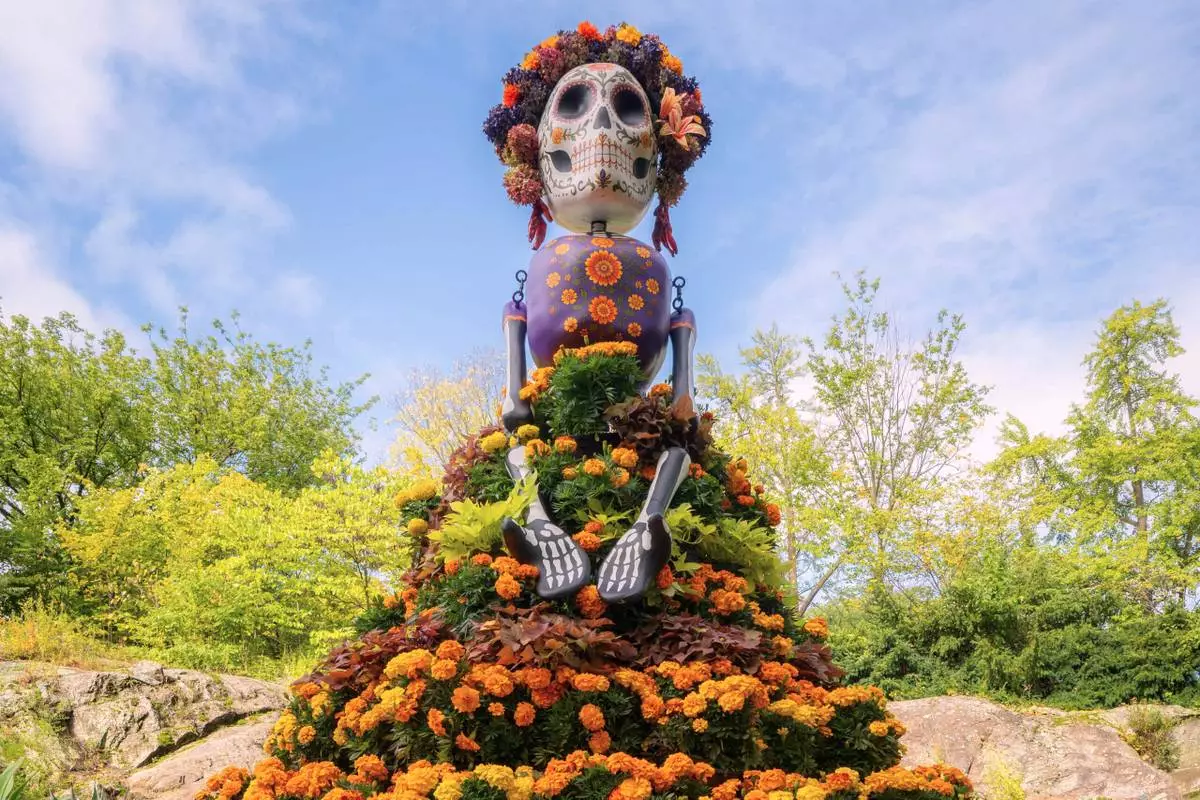
This image provided by the New York Botanical Garden shows a traditional marigold-adorned La Catrina sculpture on display during the site's Dia de los Muertos celebration in the Bronx borough of New York on Sept. 29, 2026. (New York Botanical Garden via AP)
A small city in southern Ukraine, cut off for months by fighting, has got a brief pause in the nearly 5-year-old war so that aid can get in and residents can get out.
U.S. first lady Melania Trump brokered the localized ceasefire between Russia and Ukraine around Oleshky, a Russian-occupied city that she said is “on the brink of disaster.”
A local pause in fighting started at 3 a.m. Tuesday to allow medicine, food and water to be taken to Oleshky before evacuation corridors are opened later in the week. The situation in Oleshky is desperate, with food and medical supplies running perilously low for the up to 2,000 people still there, as drones and land mines restrict movement.
Ukrainian, Russian and U.S. negotiators reached the deal Friday. Officials on all sides have confirmed it, but many details haven't been released.
The first lady on Saturday voiced hope for the success of the humanitarian mission and hailed the importance of Pope Leo XIV's support for the effort.
“It is great to have (the) pope’s support,” she said. “I hope everything goes as it’s planned.”
Leo spoke earlier this month with Ukrainian President Volodymyr Zelenskyy and Russian President Vladimir Putin, urging them to allow humanitarian aid into Oleshky and the safe evacuation of civilians.
Asked if she had spoken with Zelenskyy or Putin, the first lady and U.S. President Donald Trump said both.
“I think she’s doing better than the professionals right now,” the president said.
Asked if she would visit Ukraine, Melania Trump responded: “We will see.”
Oleshky is located in Ukraine's partially occupied Kherson region. It sits on the Dnipro River, which separates Ukrainian forces from the city’s Russian occupiers. Moscow’s forces captured it on the first day of the full-scale invasion, which started on Feb. 24, 2022. Its buildings were shelled and burned.
In June 2023, floodwaters swamped the city after the Kakhovka Dam collapsed in an explosion that an Associated Press investigation found was likely caused by the Russian military. Hundreds of residents were killed.
Once home to about 24,000 people, the city has had scarce food and medical supplies for months. There is no electricity, heat or running water. Roads out of town are mined and lined with burned-out cars, and drones buzz overhead. With another harsh winter approaching, those still there face death from hunger or disease.
Moscow and Kyiv have blamed each other for the humanitarian crisis.
Ukraine has repeatedly appealed for a local ceasefire to organize evacuations. As the occupying power, Russia is obligated under international law to make sure civilians under its control have what they need to survive.
The deal sets out three stages: a ceasefire, followed by delivery of humanitarian aid and finally the evacuation of civilians who want to leave Oleshky, according to Dmytro Lubinets, Ukraine’s human rights ombudsman and its chief negotiator in the talks.
Before any aid moves, mines will be cleared on the routes into the city, Lubinets said. He told the AP that the ceasefire will last several days and apply across the Kherson region and neighboring areas essential to the operation.
Russia’s chief of the general staff, Gen. Valery Gerasimov, said that Russian forces would carry out “engineering reconnaissance” and ensure that the “humanitarian convoy” can move safely into the city.
Russia’s human rights ombudswoman, Yana Lantratova, who took part in the negotiations, said firstly that they plan to establish what residents need and then deliver food, medicine, hygiene products and other essentials. She said anyone who wants to leave the combat zone will be guaranteed safe passage.
Lubinets gave no details on how the ceasefire or the aid mission would be monitored or carried out, citing the sensitivity of the negotiations. He declined to say whether Melania Trump would travel to Ukraine.
Kremlin spokesman Dmitry Peskov said that people who want to leave Oleshky will be able to. He wouldn't say whether they would be taken to Russia- or Ukraine-held territory. Asked how long the evacuation would last, he said only that it would most likely take several days.
“The operation will be carried out gradually and is extremely challenging to implement,” Lubinets said.
Melania Trump began talks on Oleshky after she heard about the situation at one of her events during the U.N. General Assembly session in September, the White House said. She and a representative then worked directly with leaders from Russia and Ukraine to set the terms. She had already been working with officials from both countries on a separate matter.
“When Melania Trump learned about the situation in Oleshky, the negotiation process began under her coordination,” Lubinets said. He said that the sides spent several weeks discussing ideas and developing “new approaches, mechanisms and tools” to help civilians there survive.
Helping children in conflict zones has become one of her signature issues during her husband’s second term. She hosted a U.N. Security Council meeting on the issue earlier this year. Last year, she wrote to Putin about efforts to reunite families with children she described as “ displaced by the war.” Her senior adviser, Marc Beckman, says that she has helped reunite nearly three dozen children.
Zelenskyy has lobbied various world leaders for help reuniting children that he says were taken by Russia after the invasion began in 2022. The International Criminal Court issued an arrest warrant for Putin for war crimes in 2023, accusing him of personal responsibility for the abductions of children from Ukraine.
The localized ceasefire comes as tensions have increased to new highs between the Trump administration and Ukraine’s government. Kyiv has faced restrictions on the satellite internet system it relies on to knock down Russian attacks, with the U.S. president and other top American officials sending mixed messages about who was responsible for decreasing the speed of the Elon Musk-made Starshield system.
Donald Trump also recently waived new Russia sanctions, reached an agreement with Russia to import diesel fuel and pushed Zelenskyy to make a deal to end the war. In renewed efforts to revive the peace process, Trump envoy Steve Witkoff traveled to Norway last week for talks with Zelenskyy before meeting with Putin in St. Petersburg, Russia.
Zelenskyy has emphasized the importance of the United States to renewed diplomatic efforts to end the war, including a possible joint meeting with Trump and Putin.
Follow the AP’s coverage of the war in Ukraine at https://apnews.com/hub/russia-ukraine
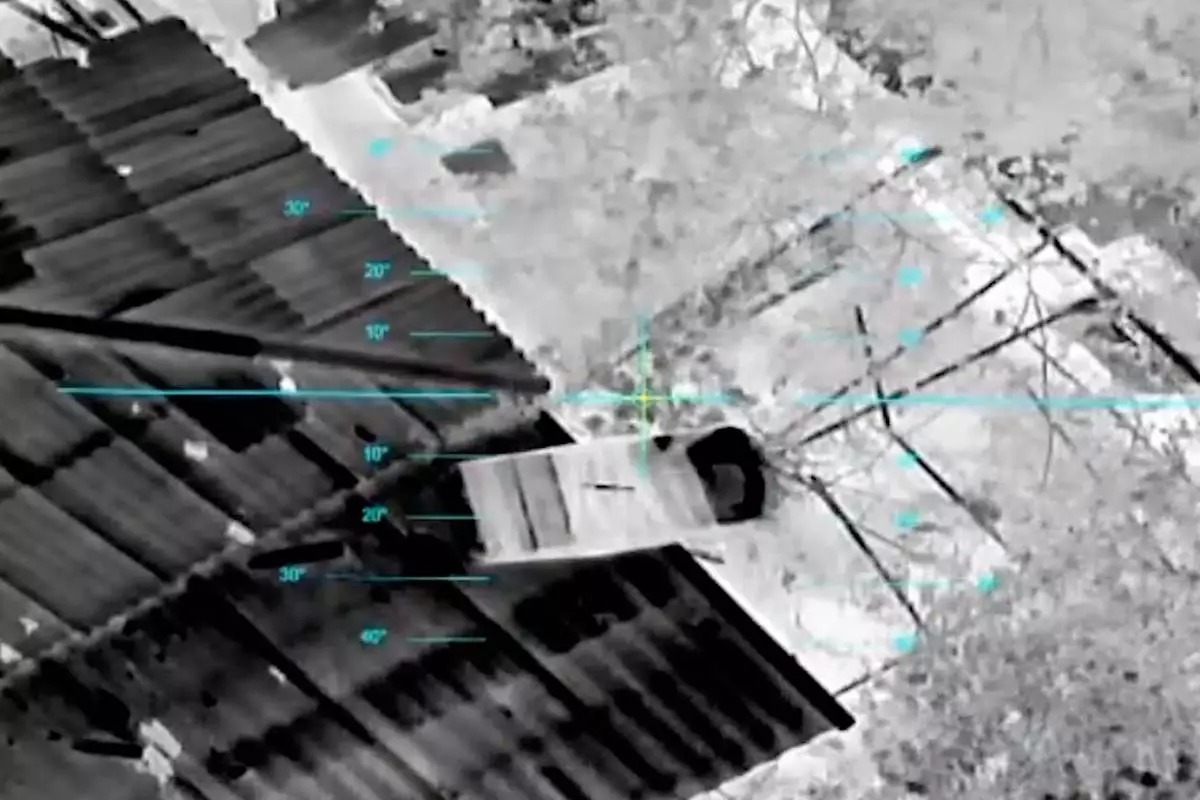
In this undated image from video provided by the Ukrainian 34th Separate Marine Brigade "Borysfen" on Oct. 4, 2026, a drone drops a parcel of supplies to civilians in the Russian-occupied city of Oleshky in the Kherson region of Ukraine. (Ukrainian 34th Separate Marine Brigade "Borysfen" via AP)
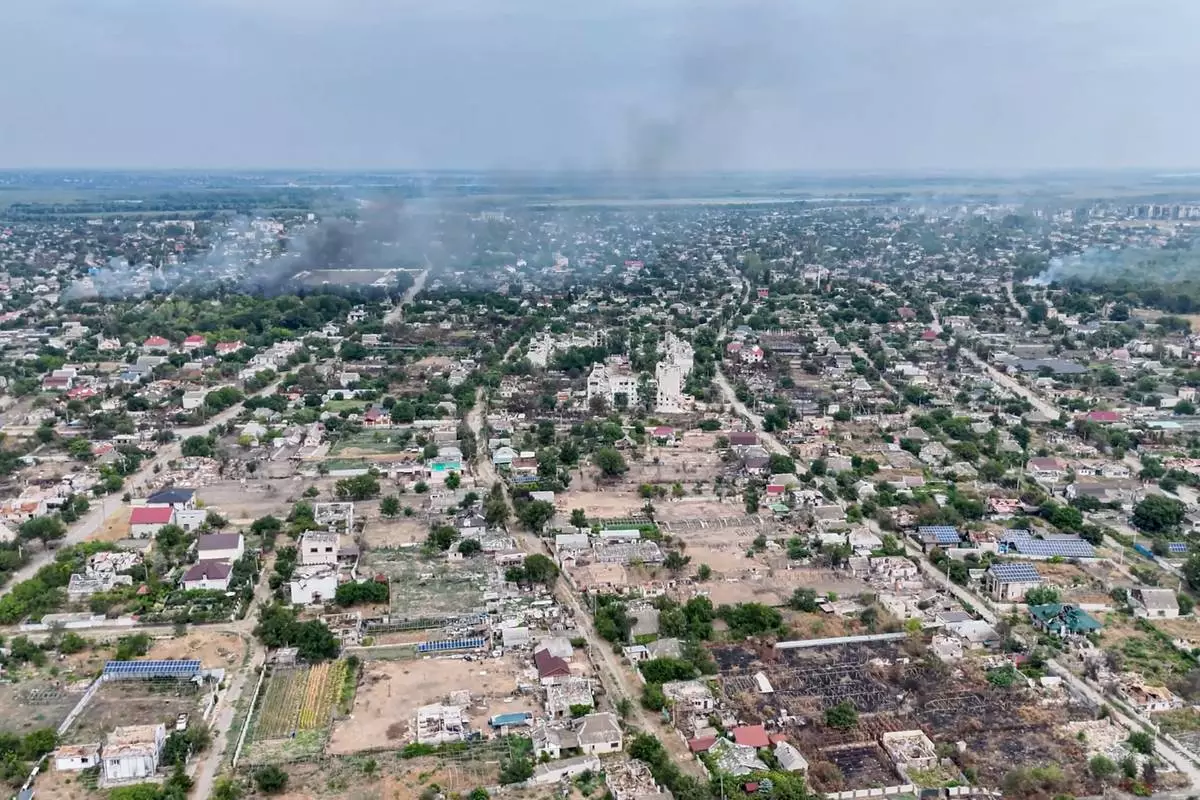
In this undated image from video provided by the Ukrainian 34th Separate Marine Brigade "Borysfen" on Sept. 22, 2026, smoke rises from a residential neighborhood in the Russian-occupied city of Oleshky in the Kherson region of Ukraine. (Ukrainian 34th Separate Marine Brigade "Borysfen" via AP)
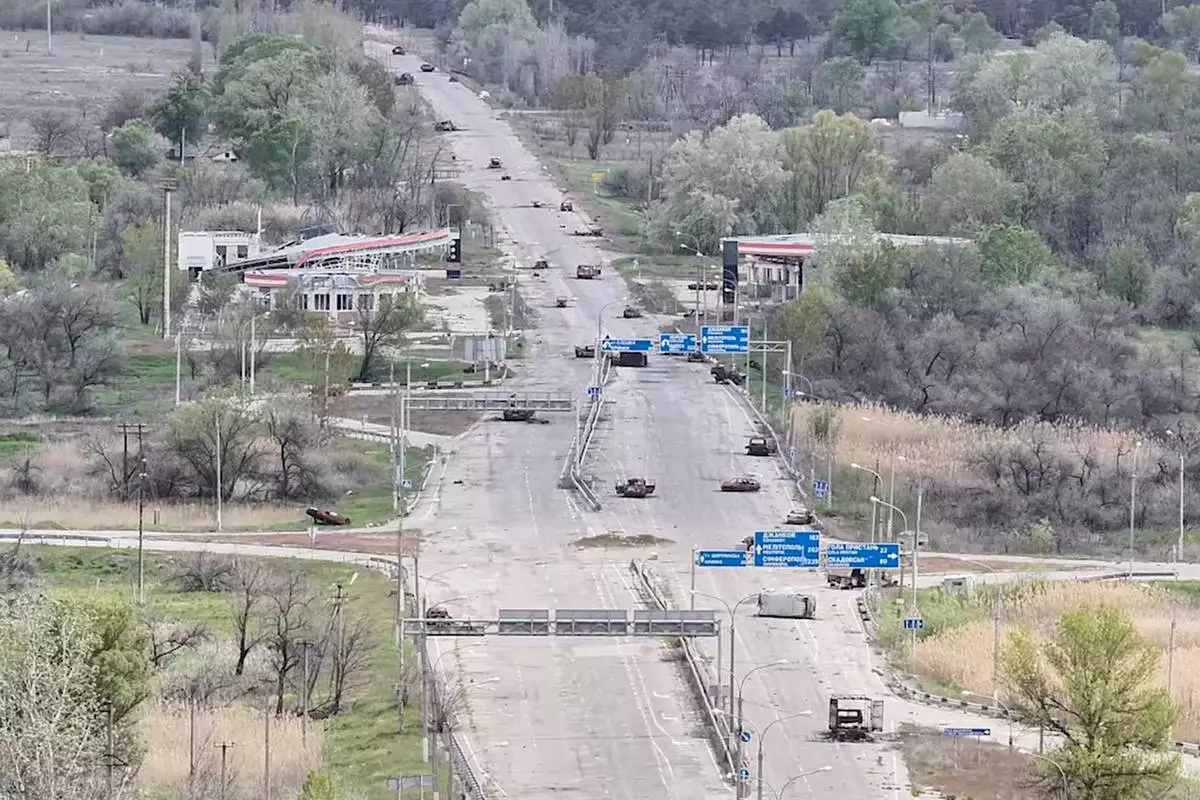
In this undated image from video provided by the Ukrainian 34th Separate Marine Brigade "Borysfen" on Sept. 30, 2026, destroyed cars are seen on a highway from the Russian-occupied city of Oleshky in the Kherson region of Ukraine. (Ukrainian 34th Separate Marine Brigade "Borysfen" via AP)
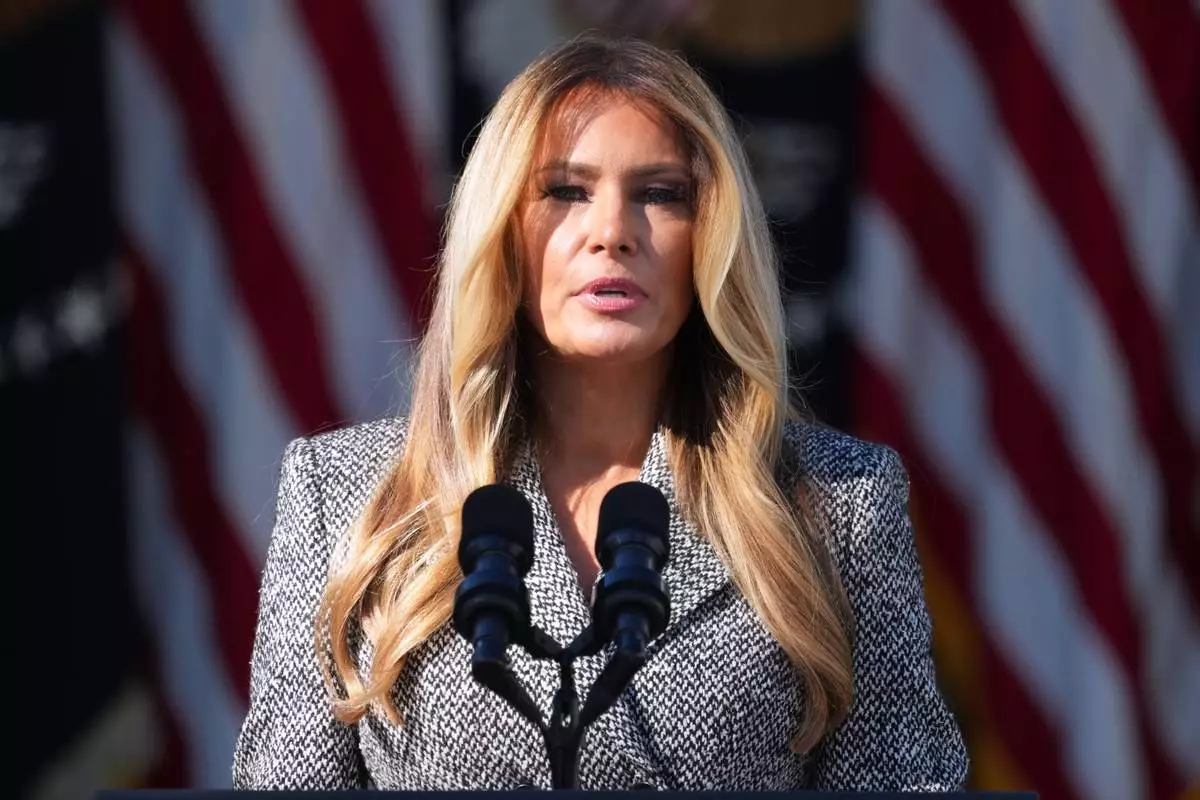
FILE - First lady Melania Trump speaks in the Rose Garden of the White House, Oct. 19, 2026, in Washington. (AP Photo/Mark Schiefelbein, File)