Skip to Content Facebook Feature Image

Nearly all China-Switzerland trade to reach zero tariffs under upgraded FTA protocol: official
China

China

China

Nearly all China-Switzerland trade to reach zero tariffs under upgraded FTA protocol: official

2026-10-31 10:58 Last Updated At:17:14

Nearly all the trade between China and Switzerland will enjoy zero tariffs following the signing of a protocol to upgrade their bilateral free trade agreement (FTA) on Friday, said an official of the China's Ministry of Commerce in Beijing.

China and Switzerland signed the protocol to expand market access, promote two-way investment, and deepen bilateral economic cooperation. Under the agreement, the two sides made high-standard commitments covering goods, services, digital trade, and sustainable development.

More Images
Nearly all China-Switzerland trade to reach zero tariffs under upgraded FTA protocol: official

Nearly all China-Switzerland trade to reach zero tariffs under upgraded FTA protocol: official
Nearly all China-Switzerland trade to reach zero tariffs under upgraded FTA protocol: official
Nearly all China-Switzerland trade to reach zero tariffs under upgraded FTA protocol: official

Nearly all China-Switzerland trade to reach zero tariffs under upgraded FTA protocol: official
Nearly all China-Switzerland trade to reach zero tariffs under upgraded FTA protocol: official

Nearly all China-Switzerland trade to reach zero tariffs under upgraded FTA protocol: official

Nearly all China-Switzerland trade to reach zero tariffs under upgraded FTA protocol: official

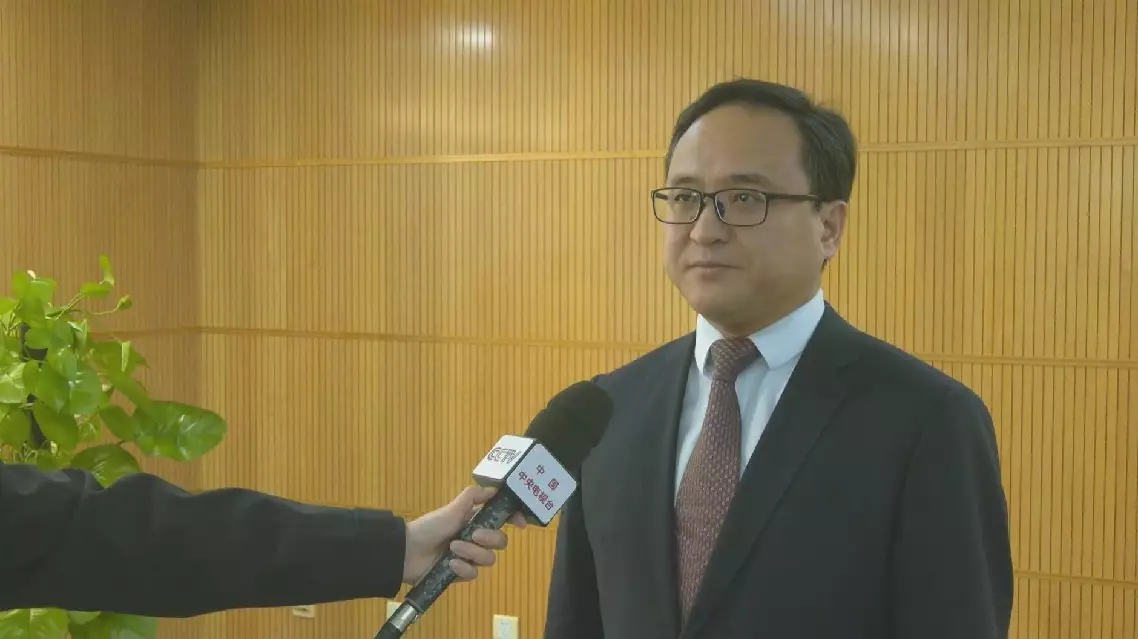
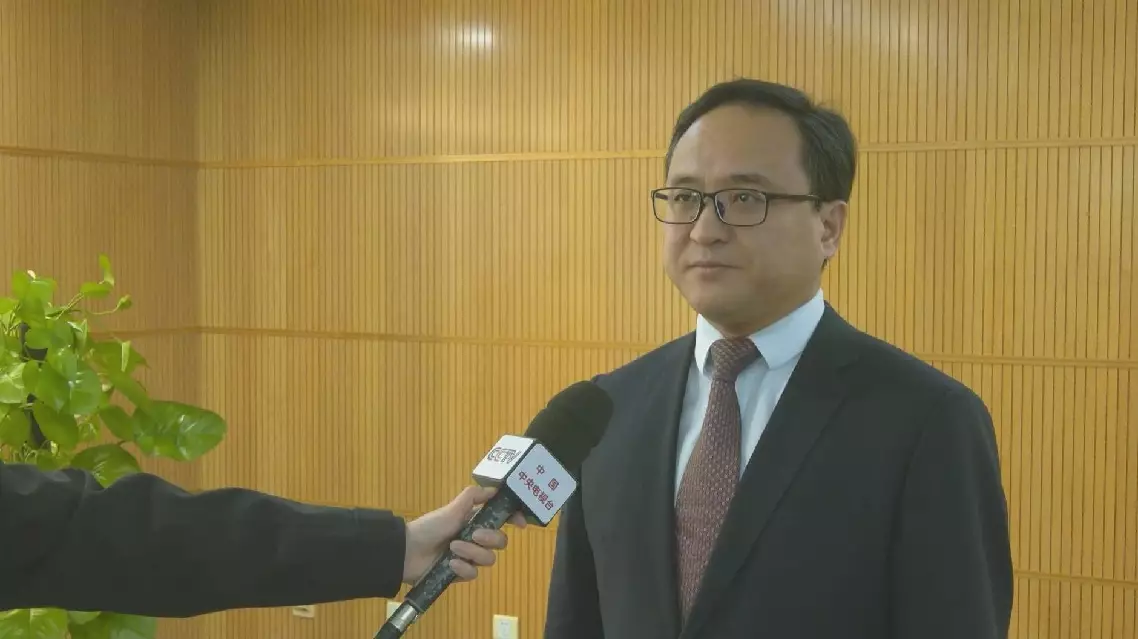
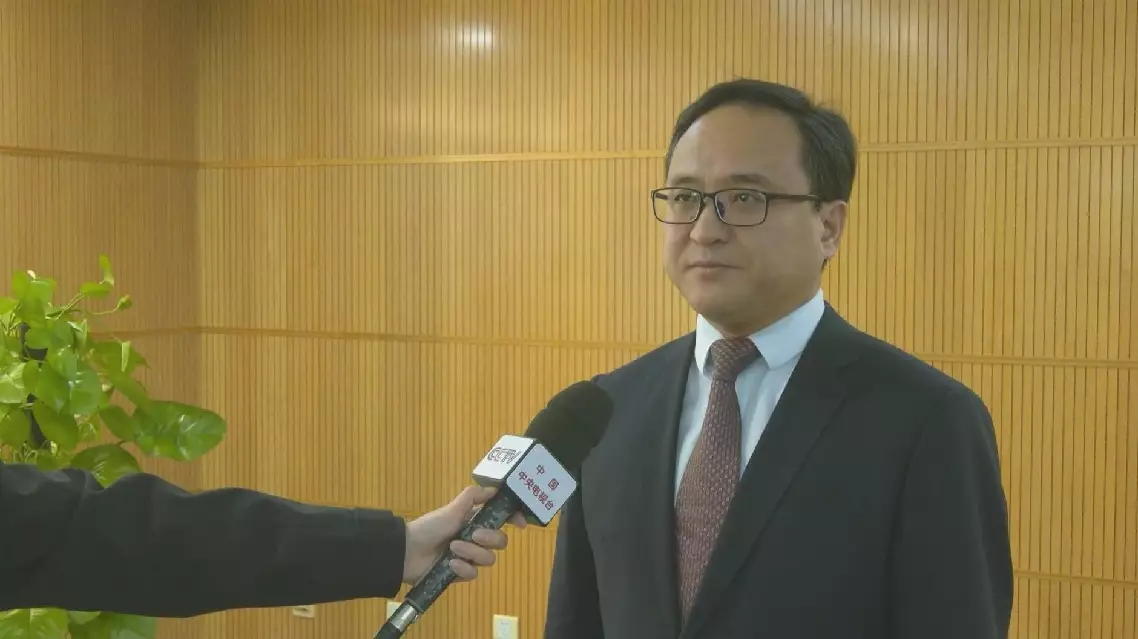
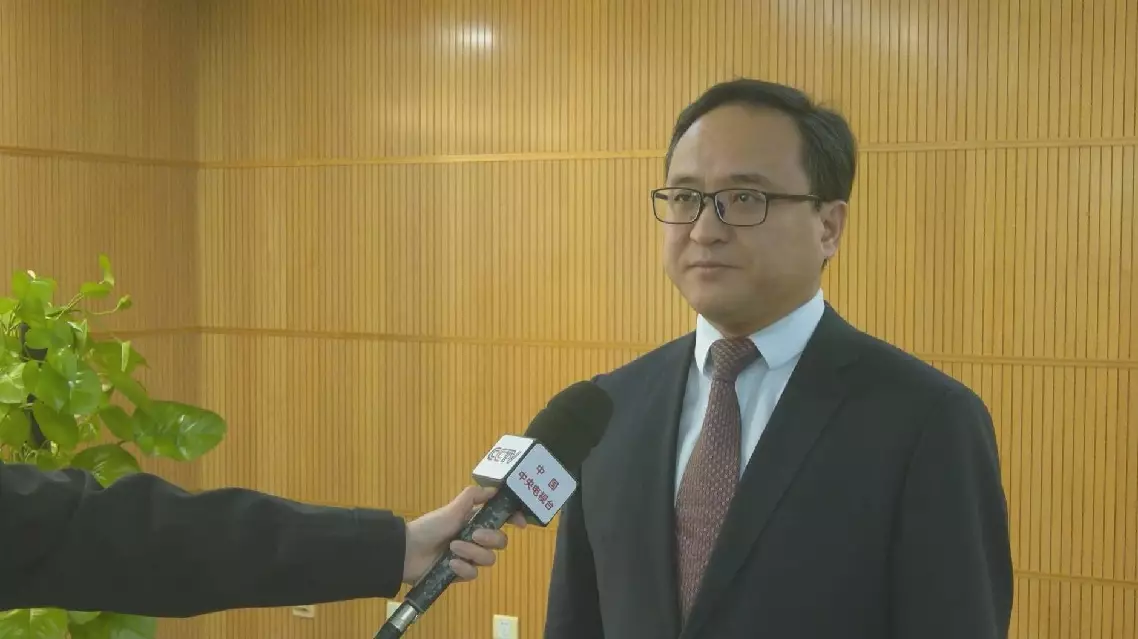
"Following the upgrade, the products subject to zero tariffs under the free trade agreement will ultimately cover more than 99 percent of the trade volume between the two sides. Swiss products such as coffee, machine tools, watches, and medical devices will enjoy broader market prospects in China, and we can also expect to see more high-quality Chinese products in Switzerland. The Swiss side has made several new commitments in areas such as the movement of natural persons, traditional Chinese medicine, and equipment repair and maintenance, and the Chinese side will also ease restrictions in sectors including manufacturing-related services, professional design, finance, maritime transport and air transport," said Chen Chao, director-general of the Department of International Trade and Economic Affairs at the Ministry of Commerce.

Switzerland is China's seventh-largest trading partner in Europe, while China is Switzerland's largest trading partner in Asia, an official with the ministry noted. Bilateral trade reached 49.04 billion U.S. dollars in 2025.

China and Switzerland signed their original FTA in 2013, and the agreement entered into force in July 2014. The two countries launched negotiations to upgrade the agreement in September 2024 and announced their completion in August 2026, after five rounds of talks.

Following the signing, both sides will complete their respective domestic legal approval procedures and work to bring the upgraded agreement into force as soon as possible, the ministry said.

Nearly all China-Switzerland trade to reach zero tariffs under upgraded FTA protocol: official

Nearly all China-Switzerland trade to reach zero tariffs under upgraded FTA protocol: official

Nearly all China-Switzerland trade to reach zero tariffs under upgraded FTA protocol: official
Nearly all China-Switzerland trade to reach zero tariffs under upgraded FTA protocol: official
Nearly all China-Switzerland trade to reach zero tariffs under upgraded FTA protocol: official

Nearly all China-Switzerland trade to reach zero tariffs under upgraded FTA protocol: official

Nearly all China-Switzerland trade to reach zero tariffs under upgraded FTA protocol: official

Nearly all China-Switzerland trade to reach zero tariffs under upgraded FTA protocol: official

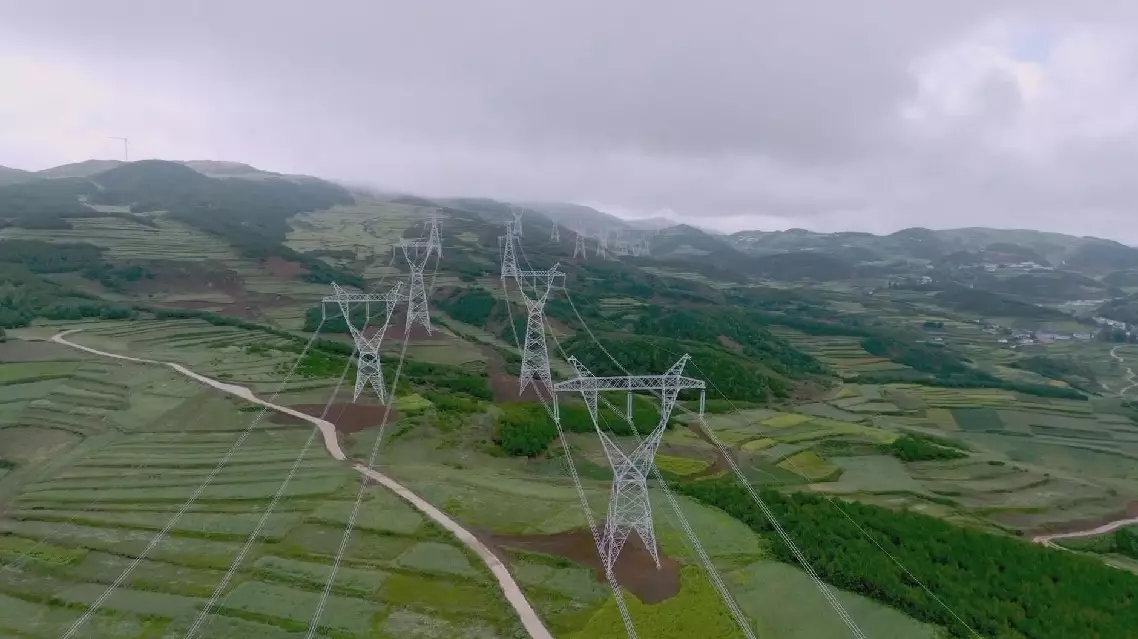
China's total electricity consumption exceeded 8 trillion kilowatt-hours in the first three quarters with stable grid operations, while residential power use edged down due to a high base from last year's extreme heat, the National Energy Administration (NEA) said Friday.

Total power consumption reached 8.07 trillion kilowatt-hours from January to September, up 3.9 percent year on year. Electricity use in the primary, secondary and tertiary industries grew 3.4 percent, 4.1 percent and 6.8 percent, respectively, while residential electricity consumption fell 0.3 percent.

"In the January-September period, residential electricity consumption declined. This was mainly because 2025 was China's most extreme high-temperature year since 1961, creating a significantly high baseline for cooling loads last summer. During this year's summer period, the national average temperature was lower than a year earlier, with more typhoons making landfall, staying longer and bringing broader rain belts. The cooler temperatures reduced cooling loads in the third quarter, driving down residential electricity use," said Xing Yiteng, deputy director of the Department of Development and Planning at the National Energy Administration.

Power usage patterns showed a clear divergence between old and new growth drivers, with high-tech sectors becoming the primary drivers of overall electricity growth. In the first three quarters, declines in industrial electricity consumption were mainly concentrated in real estate and energy-intensive industries, with cement, glass and construction down 8.1 percent, 10.7 percent and 8.7 percent, respectively.

By contrast, electricity use in high-tech and equipment manufacturing combined expanded by nearly 10 percent, while internet data services and EV charging and battery-swapping services jumped 41.6 percent and 55.4 percent, respectively, maintaining strong momentum.

China's power consumption tops 8 trillion kWh in Q1-3: NEA

China's power consumption tops 8 trillion kWh in Q1-3: NEA

Recommended Articles