Yemen's Houthi group announced on Friday that the Saudi-led coalition had launched 93 strikes against Yemen over the past 24 hours, while Saudi Arabia said it had intercepted and destroyed ballistic missiles and drones fired by the Houthis.
On Friday, Houthi military spokesman Yahya Sarea said in a statement that the Saudi forces had carried out 93 air and missile strikes over the past 24 hours in Sanaa and several Yemeni provinces. The figures could not be independently verified.
Also on Friday, Houthi-run al-Masirah TV reported that seven people were killed and a child was wounded in Saudi airstrikes on residential houses in Yemen's southwestern province of Taiz.
On the same day, Majid al-Nuzaili, spokesperson for the Yemeni government forces, said the Houthis had targeted both Aden International Airport and the presidential palace.
Al-Ma'ashiq Palace, a heavily guarded compound housing Yemen's government and secured by forces supported by the Saudi-led coalition, has repeatedly come under attack during the latest escalation.
Meanwhile, the Saudi-led coalition announced in separate statements that it had intercepted and destroyed three drones and two missiles targeting different regions of the kingdom, including the Saudi capital Riyadh and the regions of Mecca and Medina.
Recent weeks have seen escalating cross-border hostilities between the two sides, with Saudi strikes hitting Houthi-held areas in Yemen and the Houthis launching missiles and drones toward Saudi Arabia.
Yemen has been mired in conflict since late 2014, when the Houthis seized the capital Sanaa and much of northern Yemen, prompting the Saudi-led coalition to intervene in 2015 in support of the Yemeni government.
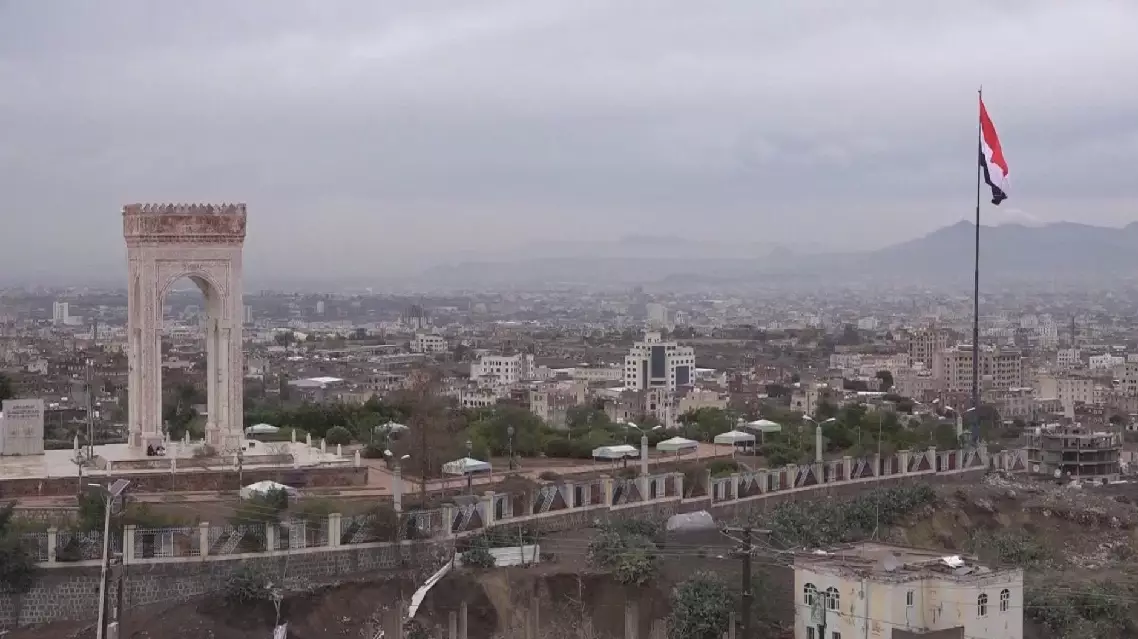
Yemen's Houthi reports 93 attacks by Saudi-led coalition, Saudi Arabia claims interception of missiles, drones
Yemen's Houthi reports 93 attacks by Saudi-led coalition, Saudi Arabia claims interception of missiles, drones
Yemen's Houthi reports 93 attacks by Saudi-led coalition, Saudi Arabia claims interception of missiles, drones
Traditional Dong ethnic attire is drawing travelers to Zhaoxing Dong Village in southwest China's Guizhou Province, where a travel photography boom is creating jobs and promoting local culture.
As one of China's largest villages primarily inhabited by Dong ethnic residents, Zhaoxing Dong Village in Liping County was once economically underdeveloped due to poor transportation and a lack of industrial diversity. In recent years, the village has leveraged its unique ethnic culture and ecological resources to develop cultural tourism.
At 08:00, a shop renting ethnic clothing in the village is already open. Tourists can rent traditional Dong outfits, with silver necklaces and headpieces included, for the day and pose for photos with traditional village buildings as a backdrop. Once reserved mainly for festivals, the garments now underpin a steady rental business, fueled by the growing popularity of travel photography.
"We have a peak season in July and August. During that time, the shop can serve over 100 customers a day. I usually serve at least 15 to 20 customers myself. In the off-season, we get about five or six customers on Saturdays and Sundays. In the peak season, my monthly income is over 10,000 yuan (about 1,500 U.S. dollars)," said Li Cancan, a makeup and styling artist at a local photo studio.
Some travelers hire local photographers. While some prefer daytime shoots, nighttime sessions keep photographers busy late into the night.
"It's quite common to start shooting at 07:00 or 08:00 and work until 01:00 or 02:00 the next morning. July and August tend to be busier, and the same goes for holidays like Labor Day and National Day," said Huang Liang, a photographer at a local studio.
From costume rentals and makeup services to outdoor shoots and photo editing, Zhaoxing Dong Village has developed a complete travel photography industry chain that offers visitors a full experience.
"I think the yellow really suits my skin tone. I was very happy today. I took a lot of photos and they came out really well," said Jiang Yuxin, a visitor from south China's Guangdong Province.
The village now has 76 photo studios, creating jobs for more than 200 villagers near their homes.
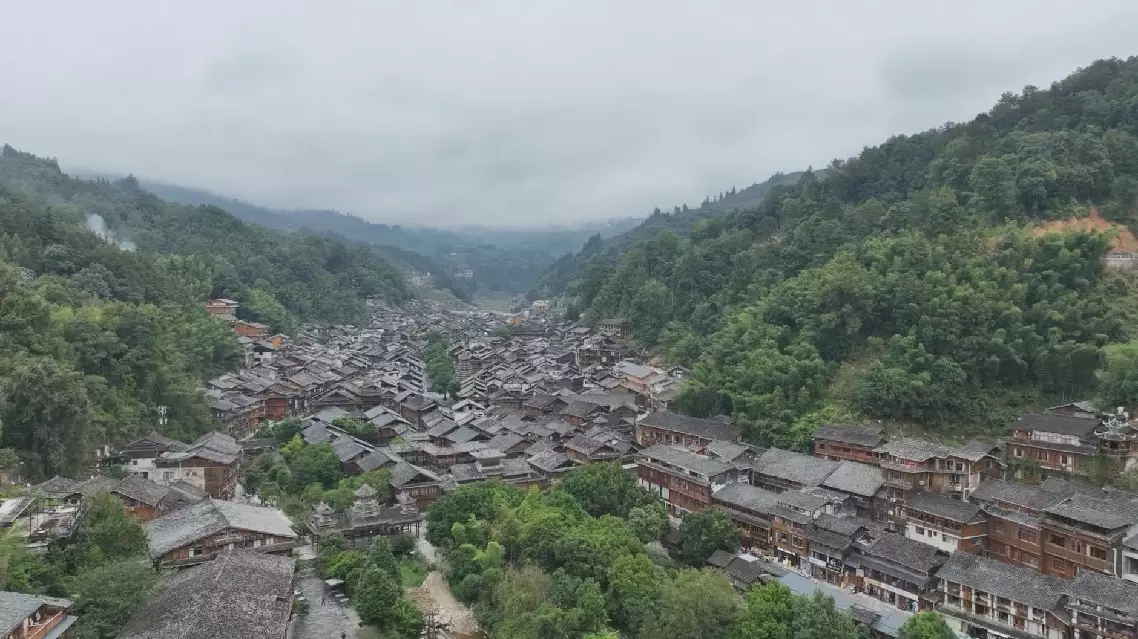
Travel photography booms in Guizhou's Dong ethnic village