Traditional Dong ethnic attire is drawing travelers to Zhaoxing Dong Village in southwest China's Guizhou Province, where a travel photography boom is creating jobs and promoting local culture.
As one of China's largest villages primarily inhabited by Dong ethnic residents, Zhaoxing Dong Village in Liping County was once economically underdeveloped due to poor transportation and a lack of industrial diversity. In recent years, the village has leveraged its unique ethnic culture and ecological resources to develop cultural tourism.
At 08:00, a shop renting ethnic clothing in the village is already open. Tourists can rent traditional Dong outfits, with silver necklaces and headpieces included, for the day and pose for photos with traditional village buildings as a backdrop. Once reserved mainly for festivals, the garments now underpin a steady rental business, fueled by the growing popularity of travel photography.
"We have a peak season in July and August. During that time, the shop can serve over 100 customers a day. I usually serve at least 15 to 20 customers myself. In the off-season, we get about five or six customers on Saturdays and Sundays. In the peak season, my monthly income is over 10,000 yuan (about 1,500 U.S. dollars)," said Li Cancan, a makeup and styling artist at a local photo studio.
Some travelers hire local photographers. While some prefer daytime shoots, nighttime sessions keep photographers busy late into the night.
"It's quite common to start shooting at 07:00 or 08:00 and work until 01:00 or 02:00 the next morning. July and August tend to be busier, and the same goes for holidays like Labor Day and National Day," said Huang Liang, a photographer at a local studio.
From costume rentals and makeup services to outdoor shoots and photo editing, Zhaoxing Dong Village has developed a complete travel photography industry chain that offers visitors a full experience.
"I think the yellow really suits my skin tone. I was very happy today. I took a lot of photos and they came out really well," said Jiang Yuxin, a visitor from south China's Guangdong Province.
The village now has 76 photo studios, creating jobs for more than 200 villagers near their homes.
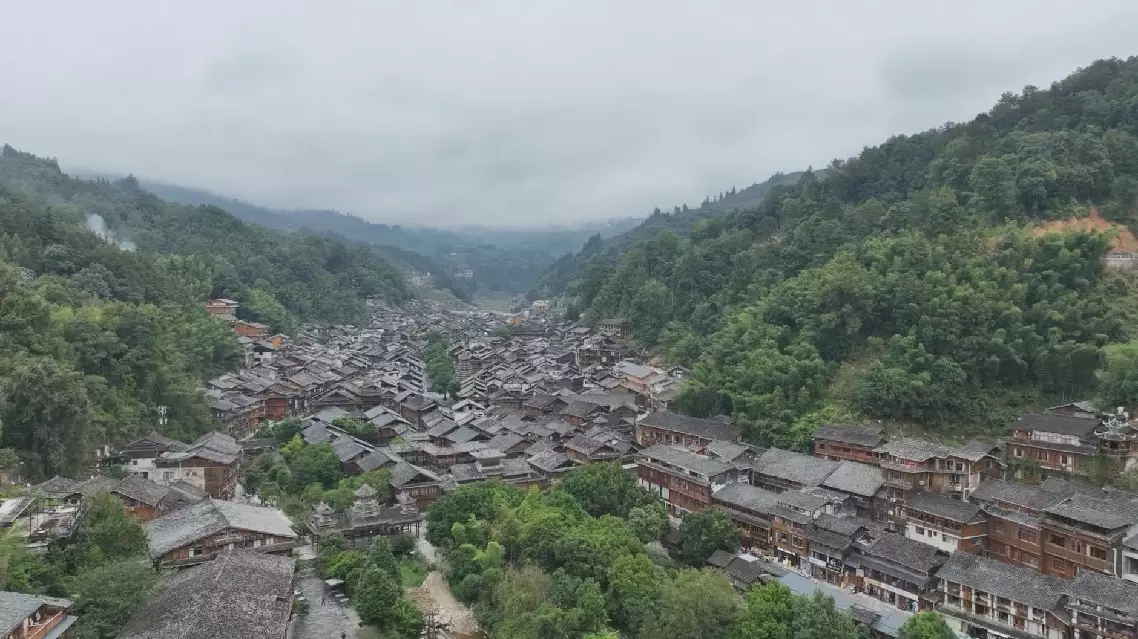
Travel photography booms in Guizhou's Dong ethnic village
Iranian Foreign Minister Seyed Abbas Araghchi said that Tehran currently has no plans to meet with U.S. officials, while consultations with Qatari and Pakistani mediators continue over Iran's conditions for resolving the crisis, Qatar's Al Jazeera reported Saturday.
In an interview with Al Jazeera, Araghchi dismissed reports of possible meetings as media speculation, saying Iran saw no need to meet with American officials at present.
He said Tehran would decide whether to hold direct or indirect negotiations after Washington accepted Iran's conditions.
Araghchi said an Iranian delegation had traveled to Qatar for further discussions, adding that his aide was there to continue consultations with mediators.
According to Araghchi, Iran's conditions include recognition of a new shipping route through the Strait of Hormuz that Tehran had worked out with Oman, and the closure of other routes.
He said Tehran also sought the lifting of sanctions imposed after the Islamabad Memorandum of Understanding (MoU), a reduction in U.S. military forces in the region, the restoration of sanctions waivers for Iranian oil exports, and the release of all frozen Iranian funds, including those held in Qatar.
Iran also demanded an end to hostilities on all fronts, including Lebanon, he said.
Araghchi said mediators had presented proposals concerning Iran's nuclear program, which Tehran was reviewing as part of what he described as a second phase.
The Iranian foreign minister also said a letter from U.S. Vice President JD Vance had been reviewed at high-level meetings, describing the American effort to open the door to broader dialogue and understanding as a "positive step."
On Feb 28, Israel and the United States launched joint attacks on Tehran and other Iranian cities. Iran responded with waves of missile and drone attacks targeting Israel and U.S. bases and assets in the region, and tightened its grip on the Strait of Hormuz.
A ceasefire was achieved between the warring parties on April 8. On June 18, Iran and the United States signed the MoU on ending the war in the region on all fronts.
Under the MoU, the two countries were scheduled to hold negotiations within 60 days, ending on Aug 17, to reach a final agreement on Iran's nuclear program and the removal of sanctions. However, they failed to make sufficient progress toward a deal.
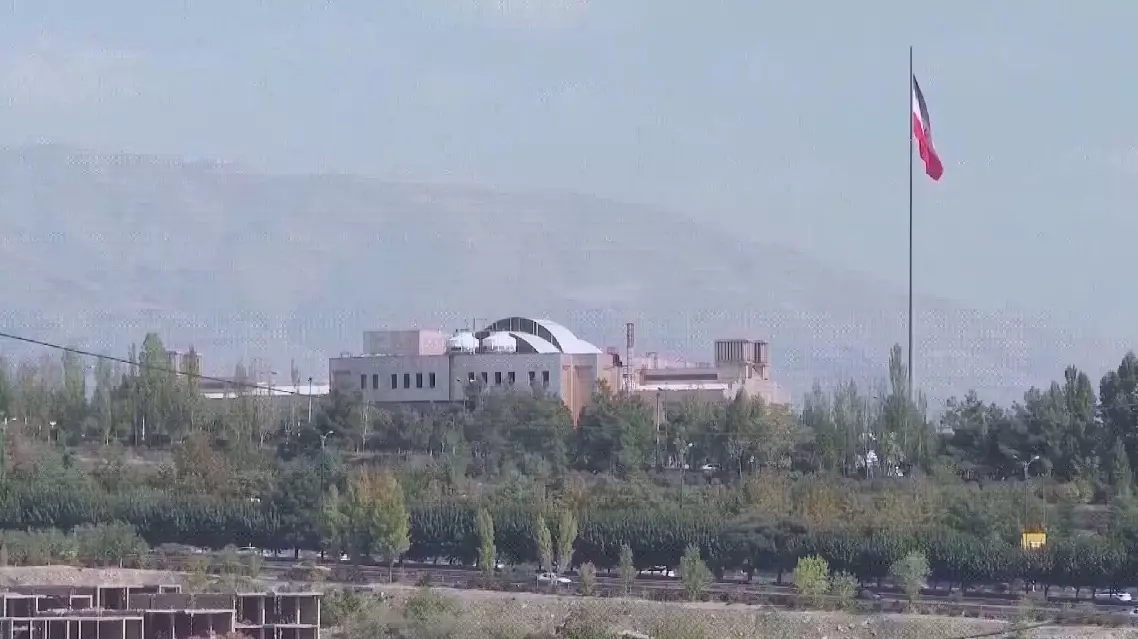
Iran says no plans to meet U.S. officials, consultations with mediators continue