European Central Bank President Christine Lagarde has praised China's poverty alleviation and climate action as among its most impressive achievements.
Lagarde made the remarks in an interview with China Media Group (CMG) on the sidelines of the 2026 Annual Meetings of the International Monetary Fund (IMF) and the World Bank Group in Bangkok, Thailand, which ran from October 12 to 18.
Asked which aspects of China's development had left the deepest impression on her, Lagarde pointed first to its monumental anti-poverty campaign, praising the nationwide mobilization that successfully lifted 800 million people out of poverty.
Lagarde also commended China's concrete response to climate change, highlighting its targeted policies on air and water quality, as well as waste management and recycling.
"I think what comes to anybody's mind is the success of the fight against poverty, the way in which the country has pooled all its strength in order to alleviate the poverty and how you've lifted out of poverty hundreds of millions of Chinese people, that is just an astonishing success. The second one, which I have witnessed myself, is the way in which China has actually addressed the climate change threat and the high-level concern about air, about water, about disposing of trash and recycling. That has been also a very impressive outcome. Is it all done? Is China not producing any CO2? Of course not. But there are not so many countries at that level with such a large footprint, and such a large population that have achieved what China has achieved," she said.
Pointing to China’s role in global growth, Lagarde said the country has effectively leveraged its political discipline and openness to international trade to transform its economy and eradicate poverty.
"I think China has been excellent at taking advantage of its political organization, its discipline, the way in which it has embraced global trade. And as a result, largely, I was going to say, eliminated poverty, but significantly reduced poverty in the country, encourage entrepreneurship and reformed the country. Now is it all done? No. And when I said, China could consume a bit more, yes, it is the case. And I think that President Xi and the Chinese authorities are trying to push the Chinese population in that direction, but it's difficult, and it's gradual and it's laborious," she said.
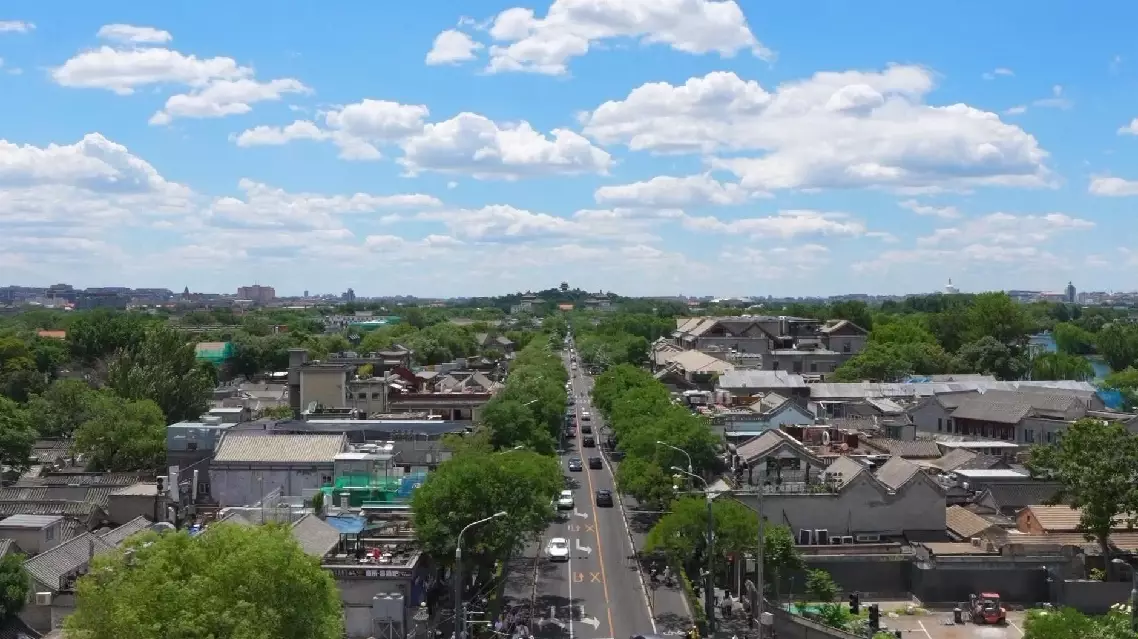
Lagarde praises China's poverty alleviation, climate response as impressive achievements
Lagarde praises China's poverty alleviation, climate response as impressive achievements