For the first time in a dozen years, a leading OB-GYN group has updated its guidance on managing hot flashes, night sweats, sleep changes and other disruptive symptoms that often come with menopause.
Doctors stressed the importance of hormone therapies, which many women are considering again after the removal of federal safety warnings. On Friday, federal officials said the Food and Drug Administration has been taking steps to ensure there's an adequate supply.
Doctors also described various nonhormonal options in the new advice released this month by the American College of Obstetricians & Gynecologists, or ACOG.
“We would love our patients to go to their OB-GYNs regarding questions about menopause and really advocate for getting the treatment that they need,” said Dr. Camille Clare, the group’s president.
Menopause occurs when a woman has gone 12 consecutive months without a menstrual period. In the U.S., it usually happens around age 50. The time leading up to it is called perimenopause, during which the body’s production of the hormones estrogen and progesterone declines sharply.
Problems commonly arise. More than half of women in menopause report having “vasomotor” issues such as hot flashes and night sweats, said ACOG. As many as two-thirds report menopause-related sleep disruption. And more than a third of perimenopausal and postmenopausal women worldwide report depressive symptoms.
In the past, doctors said, many women quietly suffered.
There's growing consensus that "these symptoms should be treated,” said Dr. JoAnn Manson, a professor of medicine at Harvard Medical School. “This should help to empower women to discuss their symptoms with their healthcare provider.”
Manson said ACOG’s new guidelines are similar to those put out by other medical organizations.
"Moderate to severe or bothersome menopausal symptoms should be treated with hormone therapy as the first line of treatment,” she said. While it's not appropriate for all women, she added, it’s a good option for many.
But some have been wary.
In 2002, a landmark study in women taking a pill-based combination of estrogen and progestin was stopped early because of links to breast cancer, blood clots and other serious issues. Concerns lingered even though later studies showed the benefits of today’s hormone therapies outweigh the risks for many women. For more than 22 years, all hormone-based menopause treatments carried a government warning, which Manson said discouraged patients and doctors from using them.
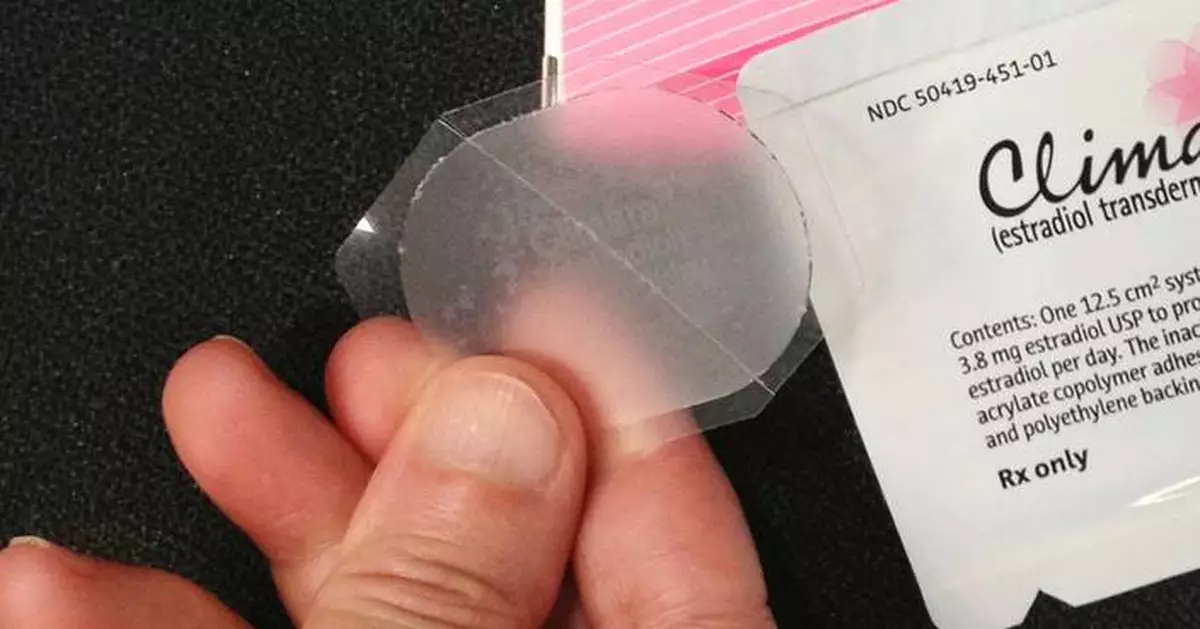
But last year, the FDA announced it would remove the boxed warning from more than 20 pills, patches and creams containing the hormones estrogen and progestin. On Friday, the FDA approved updated labeling for three additional estrogen-based patches.
Removing the boxed warning has helped revive interest in and demand for the treatments.
Since the FDA labeling change, some women have reported difficulty obtaining estrogen patches in certain doses and formulations.
FDA officials said Friday that despite such reports, they are unaware of “an imminent risk of a nationwide shortage.” Officials also noted that drug manufacturers have doubled their output of the products over the last year by adding extra manufacturing shifts and production capacity.
Dr. Stephanie Faubion, medical director at The Menopause Society, said she’s glad to see ACOG’s guidelines stress the importance of these treatments. “It’s undisputed that hormone therapy is the first line and most effective therapy for hot flashes,” she said.
ACOG reviews the latest evidence on hormone therapy and includes detailed information about the various types. Whole-body therapies, which come in pills, patches, sprays, gels and a vaginal ring, deliver doses of hormones into the bloodstream at levels high enough to have significant effects on symptoms like hot flashes. Low-dose vaginal estrogen therapy is applied directly with very little circulating in the blood. It’s often prescribed to women whose biggest complaint is vaginal dryness.
ACOG recommends that decisions about hormone therapy should be made jointly by doctors and patients, and take into account the benefits and risks given a patient's age and medical history. If it’s appropriate, the group advises starting it before age 60, or within 10 years of menopause.
Some patients choose not to take full-body hormonal medications or are advised by their doctors to avoid them because of their medical histories or conditions.
For them, doctors pointed to different medicines. One is fezolinetant, which works in the area of the brain that controls body temperature and blocks a source of hot flashes and night sweats. Another is elinzanetant, which works similarly.
Doctors also said certain antidepressants can help manage symptoms like hot flashes and depression in patients with either or both of these problems.
There’s also evidence supporting some non-drug treatments for hot flashes, night sweats and sleep or mood problems, ACOG said. These include cognitive behavioral therapy, mindfulness, exercise, clinical hypnosis and acupuncture. Such approaches can be used alone or alongside medications.
Clare said women may see misinformation and disinformation about menopause treatments online, and urged patients to come to their doctors with any questions. ACOG offers advice on sorting out truth from false claims as well as overall information on menopause.
“Women have options. They have lots of options, hormonal and nonhormonal,” Faubion said. “They shouldn’t be told that nothing can be done about their symptoms. Because again, we have evidence for many different things that can help.”
AP Health Writer Matthew Perrone contributed to this report.
——
The Associated Press’ health and science coverage receives financial support from the AP Fund for Journalism and private foundations. AP is solely responsible for all content. Find AP’s standards for working with philanthropies, a list of supporters and funded coverage areas at AP.org.
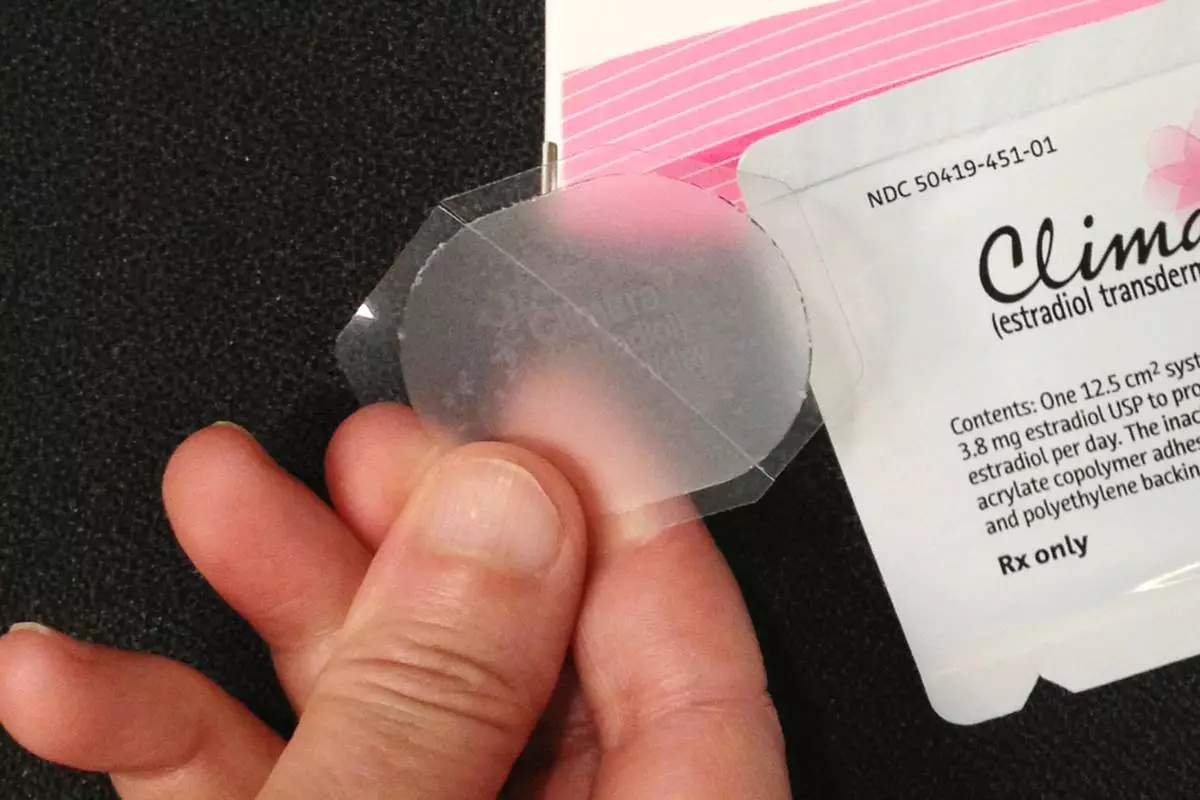
FILE - A low-dose estrogen skin patch is seen on Oct. 2, 2012. (AP Photo/File)