Skip to Content Facebook Feature Image

Mexico bans cellphones in schools, despite opposition from parents worried about violence

News

Mexico bans cellphones in schools, despite opposition from parents worried about violence
News

News

Mexico bans cellphones in schools, despite opposition from parents worried about violence

2026-11-02 21:26 Last Updated At:21:41

CULIACÁN, México (AP) — Starting Tuesday, Mexican schools will ban cellphones from classrooms as part of a federal government effort to limit children’s and teenagers’ use of electronic devices, following similar measures taken by over a hundred countries in the last decade.

The initiative, spearheaded by Mexican President Claudia Sheinbaum, has been supported by experts who see it as an opportunity to reduce young Mexicans’ exposure to technology and the resulting attention deficit, stress and anxiety.

More Images
Students use their cell phones during a game playing session that promotes the non-use of cell phones by students in Mexico City, Friday, Sept. 11, 2026. (AP Photo/Fernando Llano)
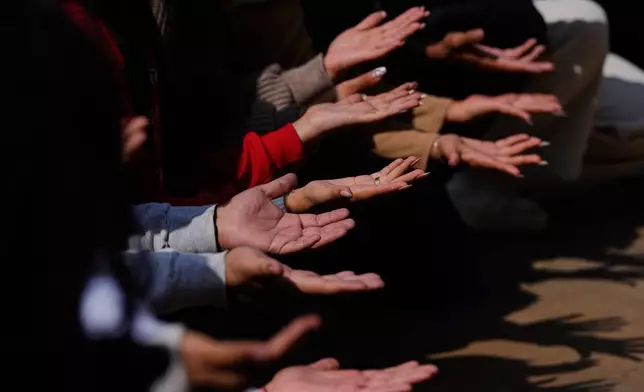
Students use their cell phones during a game playing session that promotes the non-use of cell phones by students in Mexico City, Friday, Sept. 11, 2026. (AP Photo/Fernando Llano)
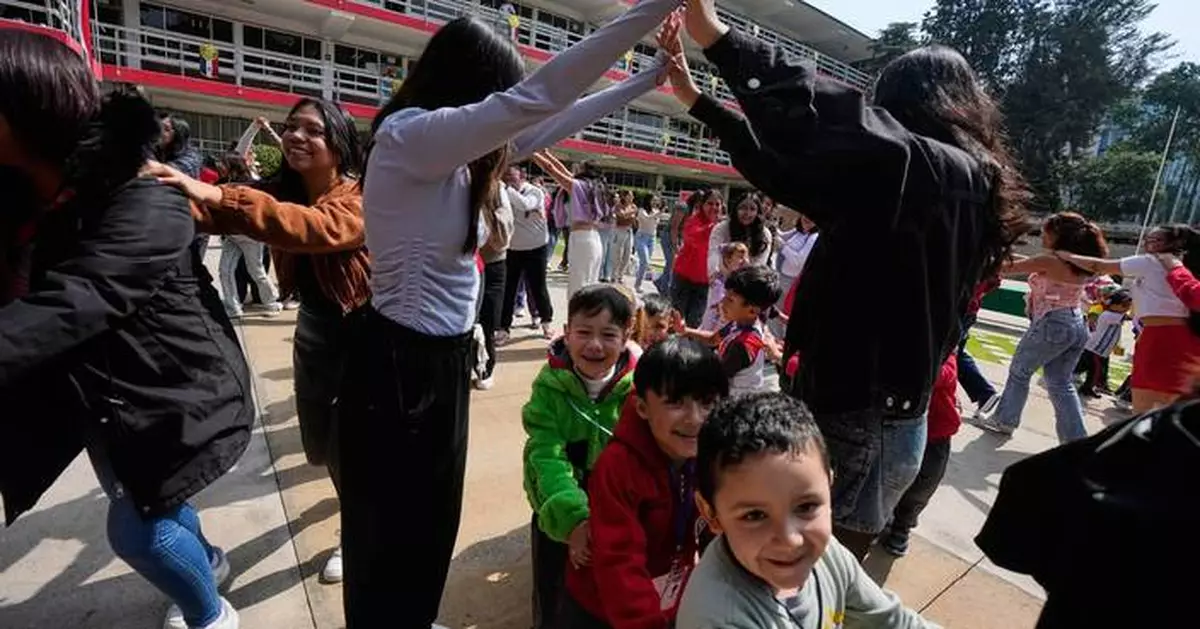
Students play during a game session that promotes the non-use of cell phones by students in Mexico City, Friday, Sept. 11, 2026. (AP Photo/Fernando Llano)
Students play during a game session that promotes the non-use of cell phones by students in Mexico City, Friday, Sept. 11, 2026. (AP Photo/Fernando Llano)
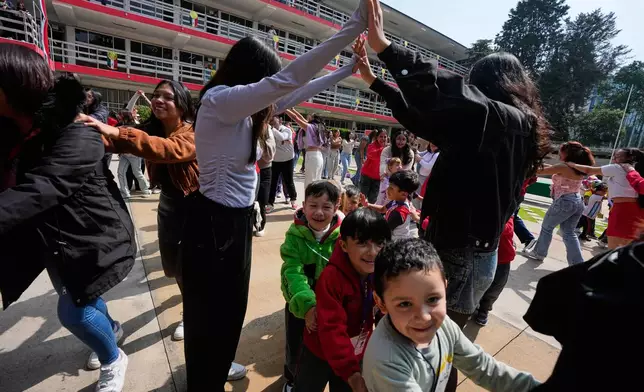
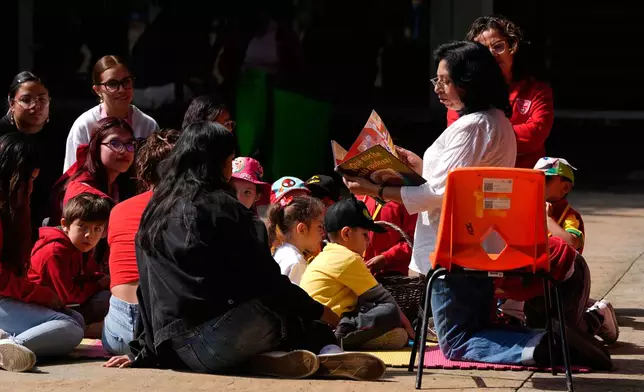
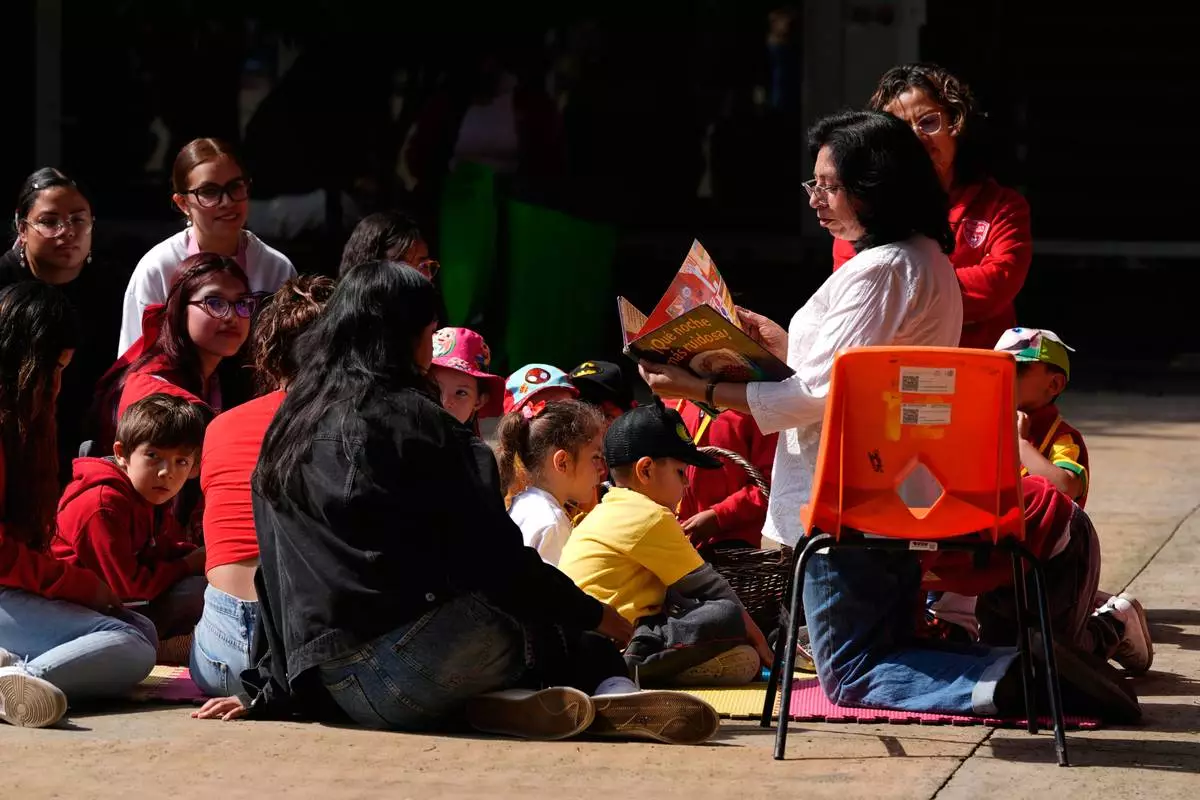
Students listen to a story being read during recess time that promotes the non-use of cell phones by students in Mexico City, Friday, Sept. 11, 2026. (AP Photo/Fernando Llano)

Students listen to a story being read during recess time that promotes the non-use of cell phones by students in Mexico City, Friday, Sept. 11, 2026. (AP Photo/Fernando Llano)

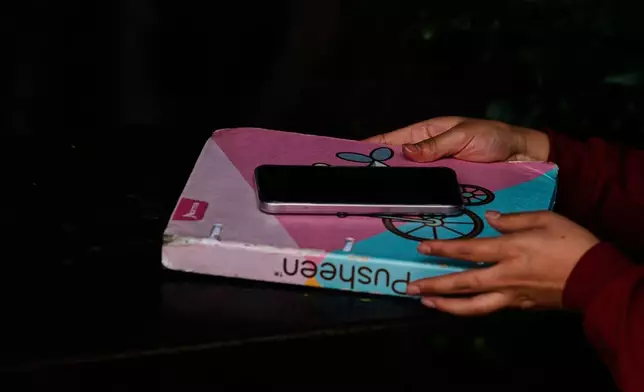
A student holds a book and a cell phone during recess where a gaming session is held to promote the non-use of cell phones by students in Mexico City, Friday, Sept. 11, 2026. (AP Photo/Fernando Llano)

A student holds a book and a cell phone during recess where a gaming session is held to promote the non-use of cell phones by students in Mexico City, Friday, Sept. 11, 2026. (AP Photo/Fernando Llano)

Students play during a game session that promotes the non-use of cell phones by students in Mexico City, Friday, Sept. 11, 2026. (AP Photo/Fernando Llano)

Students play during a game session that promotes the non-use of cell phones by students in Mexico City, Friday, Sept. 11, 2026. (AP Photo/Fernando Llano)

Mexican authorities are also preparing to implement regulations this month that will require digital platforms to remove posts containing hate speech, abuse, sexual violence, harassment, cyberbullying and other illegal content.

However, the cellphone ban, which will take effect on Nov. 3, is already facing resistance in some parts of the country. Some parents fear being unable to communicate with their children amid ongoing violence, from which children and adolescents are not spared. According to the civil society coalition Network for Children’s Rights in Mexico (REDIM), in the first half of this year, one in 10 Mexicans between the ages of 0 and 17 were victims of crimes involving organized crime.

“I don’t think parents will accept not giving their children a means of digital communication, especially when those children … are spending so much time at home instead of at school,” said Francisco Ortiz, state representative of the National Union of Parents in Sinaloa, accusing the government of ignoring parents and approving regulations that “go against parental authority, against the rights of parents.”

The decree issued by Sheinbaum prohibits the use of cellphones and electronic devices inside elementary and middle schools throughout the school day, and only allows their use for educational purposes under the guidance of teachers or for personal emergencies, disability and health needs. Students can take their phones with them on the way to school.

Benigno Gómez, a father from Reynosa in the northern state of Tamaulipas, said that while he understood the educational authorities’ need to reduce students’ time on cellphones, he found it “a little difficult” that they weren’t allowed to have a cellphone to deal with a potential risk situation.

Mexican authorities have not commented on these concerns and have instead focused on the harm caused by cellphones.

During a recent address to the Chamber of Deputies, Mexico’s Secretary of Public Education, Mario Delgado, stated that the Sheinbaum administration seeks to “prevent addiction to digital platforms and the disorders they cause in minors.”

Just as the sun was beginning to rise, the residents of Escuinapa, the capital of the municipality of the same name located in southern Sinaloa, awoke on the morning of Oct. 22 to alarming news. A bus that regularly travels through the small town — which relies on mango and shrimp production — was shot at by a man on a motorcycle.

More than a dozen high school students were on board. A video recorded by one of the passengers circulated on social media, showing children on the floor and others hiding among the seats while one teenager asks another, “Do you have any credit (on your cellphone)?”

In the attack, only the bus driver was injured, suffering cuts from shards of glass shattered by the gunfire.

Upon learning of the shooting, one Escuinapa resident immediately called her teenage daughter, who had left early for high school in a car driven by her aunt.

“Just hearing my daughter’s voice and knowing she was OK calmed me down,” said the woman, who asked to remain anonymous for fear of the criminals plaguing her community — admitting that she didn’t hesitate to interrupt her daughter’s class to check on her.

The mother expressed doubts that parents will comply with the cellphone ban, fearing that violence could now reach schools in Escuinapa, and insisted that “the safety of our children comes first.”

For Israel Sánchez, president of the National Union of Parents, the Mexican government’s decision represents progress after years of struggle by the civil organization, which brings together hundreds of parents from public and private schools, mostly Catholic.

Sánchez argued that authorities must undertake an awareness campaign for parents and provide training for teachers to achieve the effective implementation of the regulation.

Dr. Lucía Magis-Weinberg, a neurodevelopmental researcher at the University of Washington who has studied the effects of technology on children and adolescents for years, said Mexico is joining the international movement to regulate cellphones at a very opportune moment.

Magis-Weinberg acknowledged the benefits of technology for socialization and accessing information but said it is “a double-edged sword.”

Regulations are needed to avoid cognitive damage, digital conflicts, and the risks of platforms that “are designed to maintain, to maximize our attention.”

The ban on cellphones in schools is already in place in 114 countries, according to UNESCO data. In Europe, restrictions have gained increasing traction, especially in France, where the ban was extended to secondary schools in August. Controls have also been implemented in some countries in Latin America, such as Ecuador, Brazil, Chile, Bolivia and Costa Rica. In the United States, bans are only maintained in some states.

Sánchez reported from Mexico City. Journalist Alfredo Peña contributed to this report from Ciudad Victoria, Tamaulipas.

Follow AP’s Latin America coverage at https://apnews.com/hub/latin-america
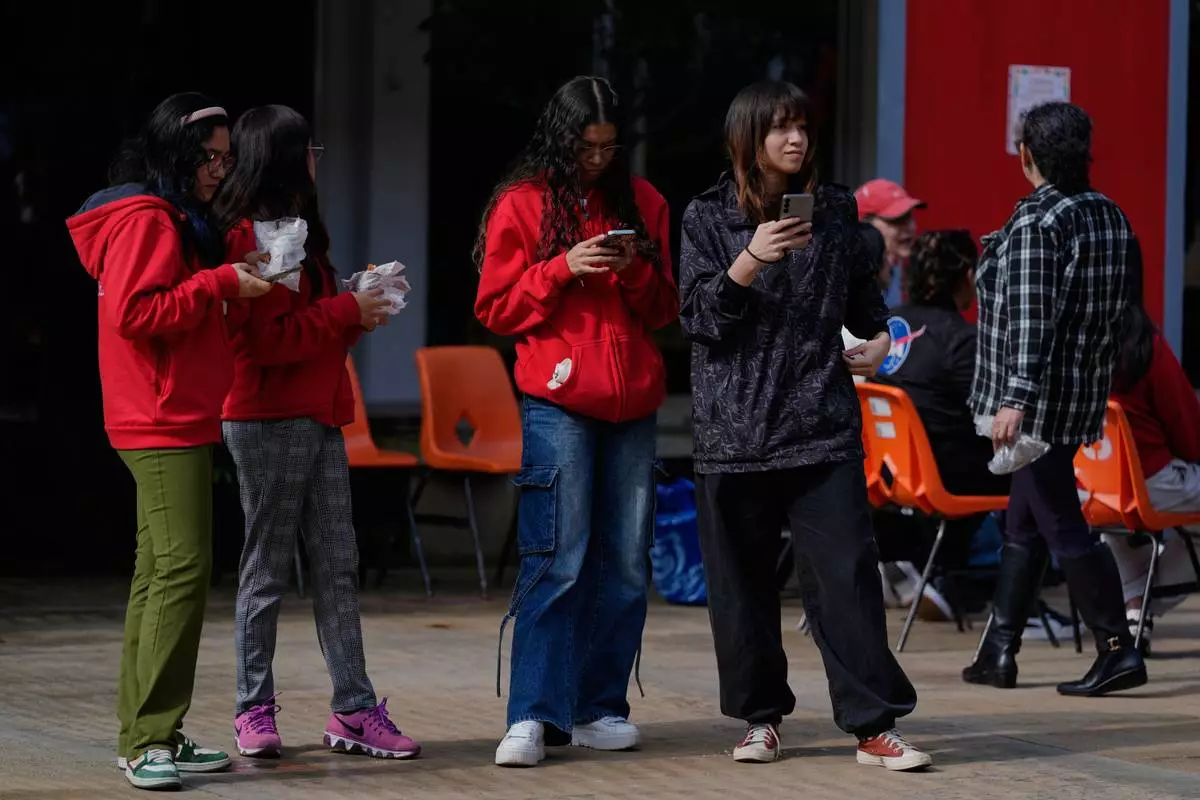
Students use their cell phones during a game playing session that promotes the non-use of cell phones by students in Mexico City, Friday, Sept. 11, 2026. (AP Photo/Fernando Llano)
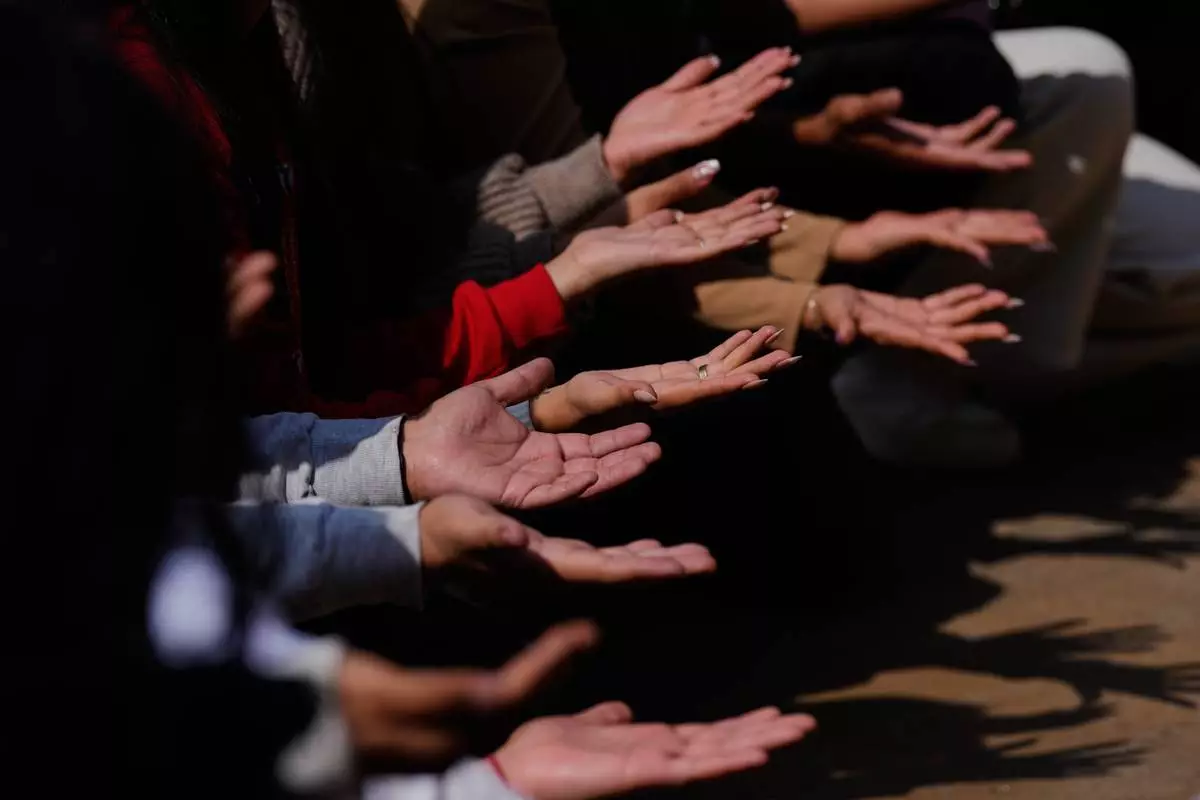
Students use their cell phones during a game playing session that promotes the non-use of cell phones by students in Mexico City, Friday, Sept. 11, 2026. (AP Photo/Fernando Llano)
Students play during a game session that promotes the non-use of cell phones by students in Mexico City, Friday, Sept. 11, 2026. (AP Photo/Fernando Llano)
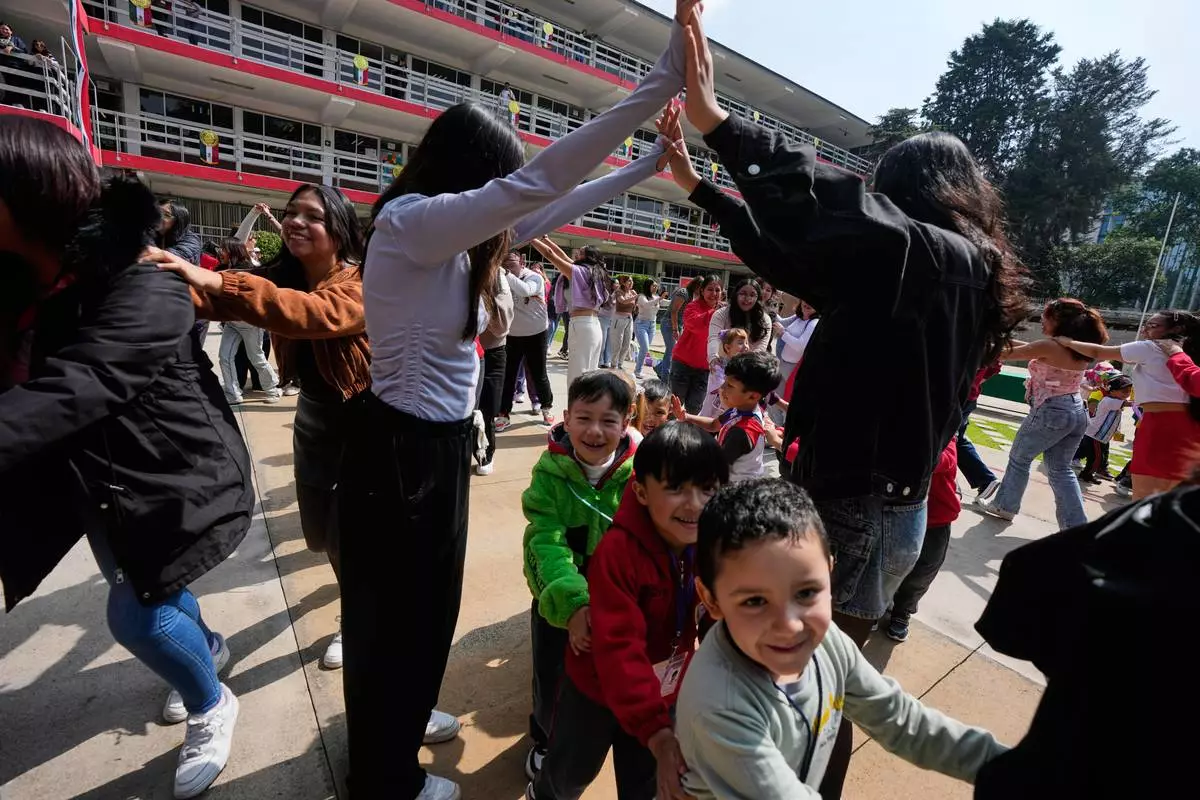
Students play during a game session that promotes the non-use of cell phones by students in Mexico City, Friday, Sept. 11, 2026. (AP Photo/Fernando Llano)
Students listen to a story being read during recess time that promotes the non-use of cell phones by students in Mexico City, Friday, Sept. 11, 2026. (AP Photo/Fernando Llano)

Students listen to a story being read during recess time that promotes the non-use of cell phones by students in Mexico City, Friday, Sept. 11, 2026. (AP Photo/Fernando Llano)
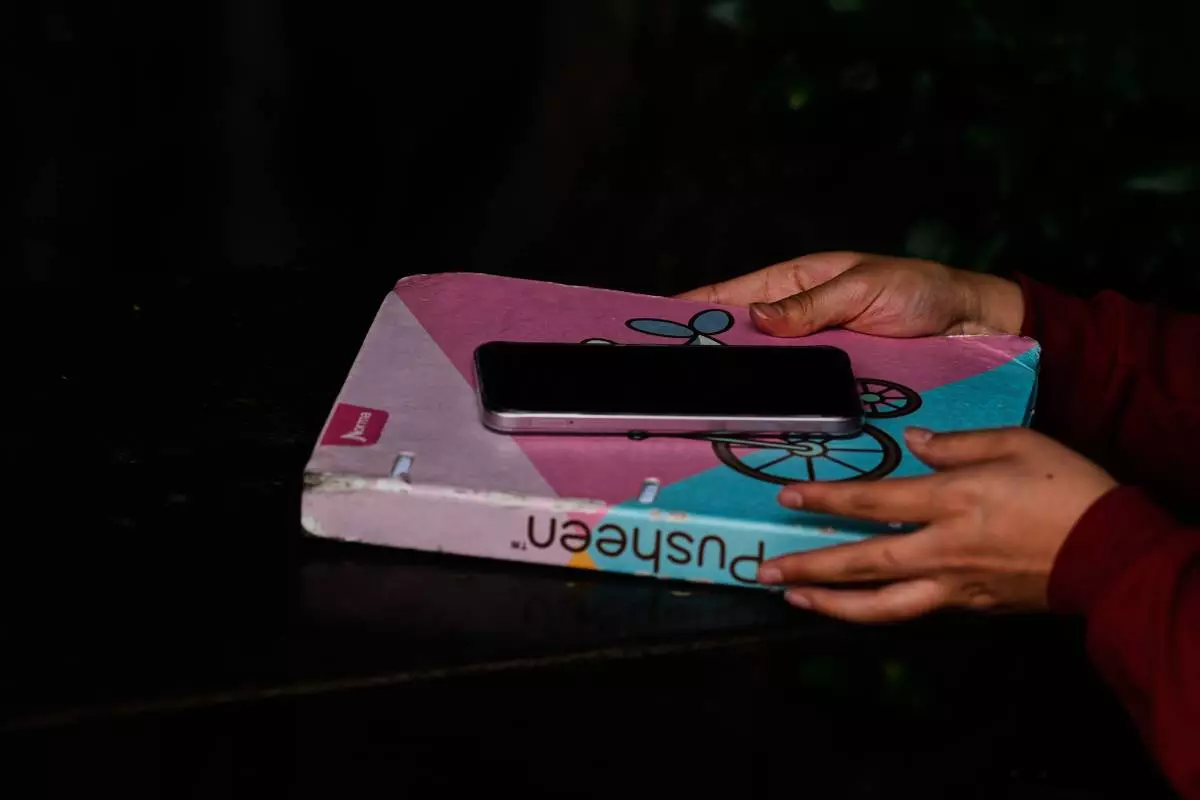
A student holds a book and a cell phone during recess where a gaming session is held to promote the non-use of cell phones by students in Mexico City, Friday, Sept. 11, 2026. (AP Photo/Fernando Llano)
A student holds a book and a cell phone during recess where a gaming session is held to promote the non-use of cell phones by students in Mexico City, Friday, Sept. 11, 2026. (AP Photo/Fernando Llano)

Students play during a game session that promotes the non-use of cell phones by students in Mexico City, Friday, Sept. 11, 2026. (AP Photo/Fernando Llano)

Students play during a game session that promotes the non-use of cell phones by students in Mexico City, Friday, Sept. 11, 2026. (AP Photo/Fernando Llano)
HULL, England (AP) — Karl Bushby completed his 28-year odyssey to walk around the world Monday by returning to his mother’s home in northern England. Bushby’s embraced his emotional mother, Angela outside her home in Hull, England, where he left in 1998. Bushby was surrounded by a crowd outside the home that had a banner saying “Welcome Home Son.”

THIS IS A BREAKING NEWS UPDATE. Check back for updates. AP’s earlier story follows below.

Karl Bushby was taking the final steps Monday of his 28-year odyssey to walk around the world and return to his mother's home in Northern England.

Bushby was surrounded by journalists as hundreds of people cheered his arrival at City Hall.

“Sorry to keep you waiting,” he joked. “Is that it, is it done?”

Bushby was a 29-year-old ex-paratrooper when he walked from his home to a Royal Air Force base near Oxford and caught a flight to South America. He returned as a 57-year-old — softer, grayer and weathered, but far more worldly.

“They say it takes a village but literally it took a world to get me here,” Bushby said. “The kindness of strangers, so many, from individuals to nation states to get me back here today. I didn’t do this alone. There was a big team. The biggest team. Earth.”

Bushby set out from Punta Arenas, Chile, on Nov. 1, 1998, and has walked 31,000 miles (50,000 kilometers) across four continents and 30 countries to get home. He navigated shifting ice over the Bering Strait and swam across the Caspian Sea and English Channel to avoid taking a boat or plane — or any transport — to propel him forward.

He had a thirst for adventure, but his mission only came into focus when his father, Keith, sent him a birthday card in the mid-90s. His dad, an army veteran himself, mentioned an argument among his fellow special forces troops about the possibility of walking from London to New York over the Bering land bridge, believed by some scientists to have been used by early humans to migrate from Asia to the Americas at a time of lower sea levels.

Perilous jungles, scorching deserts and frozen tundra slowed him down, but bureaucratic red tape often brought his adventure to a halt for long periods.

Bushby originally calculated the distance could be covered in about five years, but he knew that was unrealistic.

“You just dump a whole bucket full of reality on that,” he said. “We suspected that it was 12 years plus. And the plus was a big plus. But never in our wildest dreams would we ever have imagined 28 years.”

He dodged war in the dangerous Darién Gap, the roadless and rugged jungle, rainforest and mountains between South and Central America in 2001, and was then jailed for 18 days after crossing a restricted border zone in Panama.

After being airlifted to safety during the 56-mile (90-kilometer) Bering Strait crossing in 2006 with American adventurer Dimitry Kieffer, they started again and faced a standoff with a polar bear, survived near-death plunges into freezing waters and almost lost all their supplies when their sleds plunged in the sea. After managing the rare crossing, the pair were jailed and faced deportation for entering Russia illegally.

It took Bushby almost 10 years to make his way through Russia in fits and starts because of visa struggles and weather that only allowed travel only a few months a year. When Russia denied him a visa in 2012, Bushby walked in protest from Los Angeles to the Russian Embassy in Washington, D.C., which eventually led to him getting the proper paperwork.

Bushby planned to meet with family, including his son, Adam, whom he has only seen only a few times over the journey. He was expected to meet his 12-year-old granddaughter for the first time.

Then he was off to push his two-wheeled cart the final steps across Hull and reunite with his mother, Angela, whom he hadn't seen in a decade.

“It’s been a week of lasts,” Bushby told the crowd. “The last day in the tent. The last day on the road. After 28 years you couldn’t ask for more than this. This is the last of the last few steps almost to my mother’s house.”

Melley reported from London.

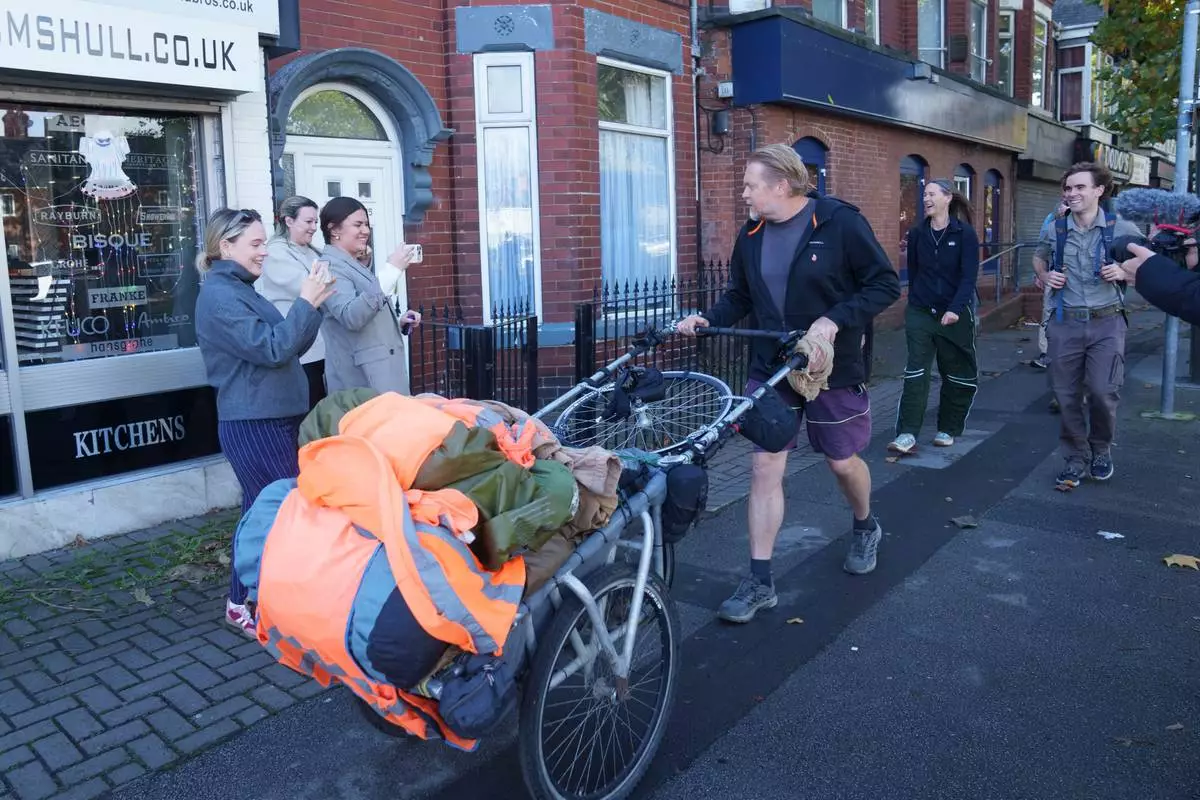
British adventurer Karl Bushby walks through Hull, England, Monday, Nov. 2, 2026, on his way to the city centre before making his way back to his mother's home after 28 years of his journey walking across the world. (AP Photo/Jon Super)

British adventurer Karl Bushby walks through Hull, England, Monday, Nov. 2, 2026, on his way to the city centre before making his way back to his mother's home after 28 years of his journey walking across the world. (AP Photo/Jon Super)

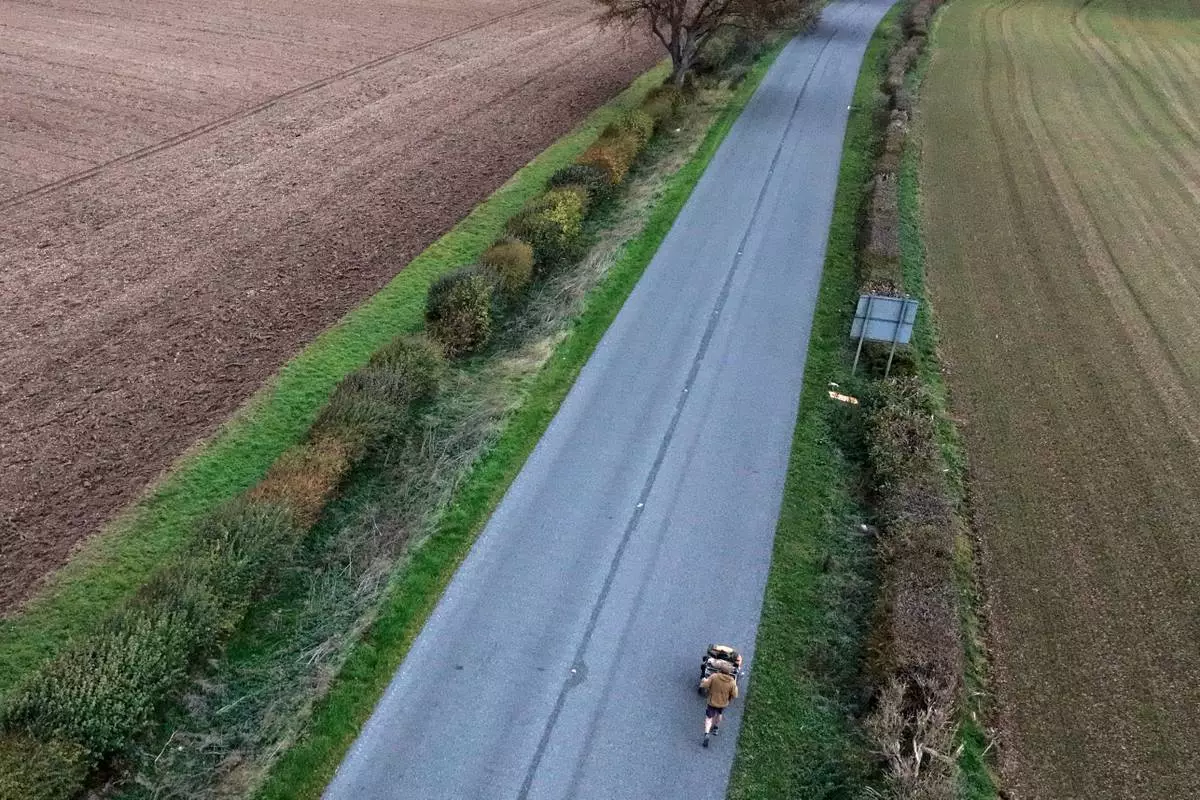
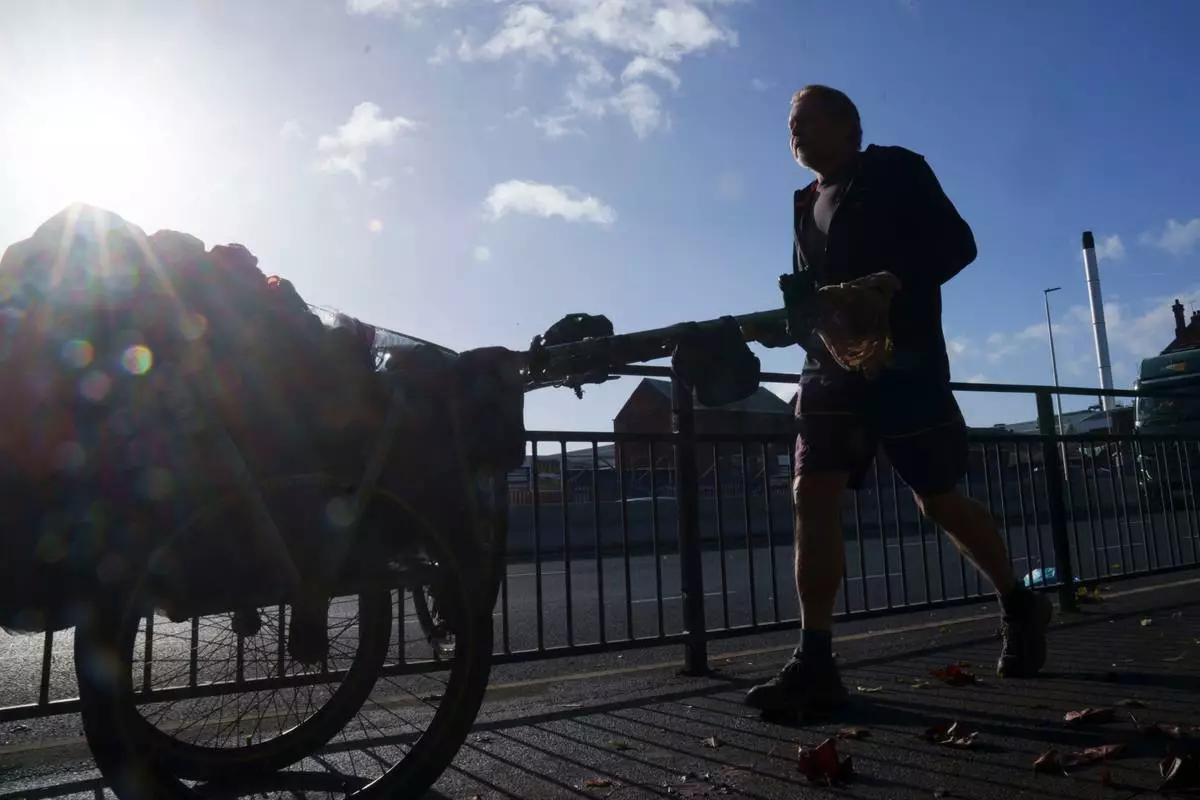
British adventurer Karl Bushby walks near Market Rasen, Lincolnshire, England, Wednesday, Oct. 28, 2026, back to his mother's home in Hull after 28 years of his journey walking across the world. (AP Photo/Kwiyeon Ha)

British adventurer Karl Bushby walks near Market Rasen, Lincolnshire, England, Wednesday, Oct. 28, 2026, back to his mother's home in Hull after 28 years of his journey walking across the world. (AP Photo/Kwiyeon Ha)

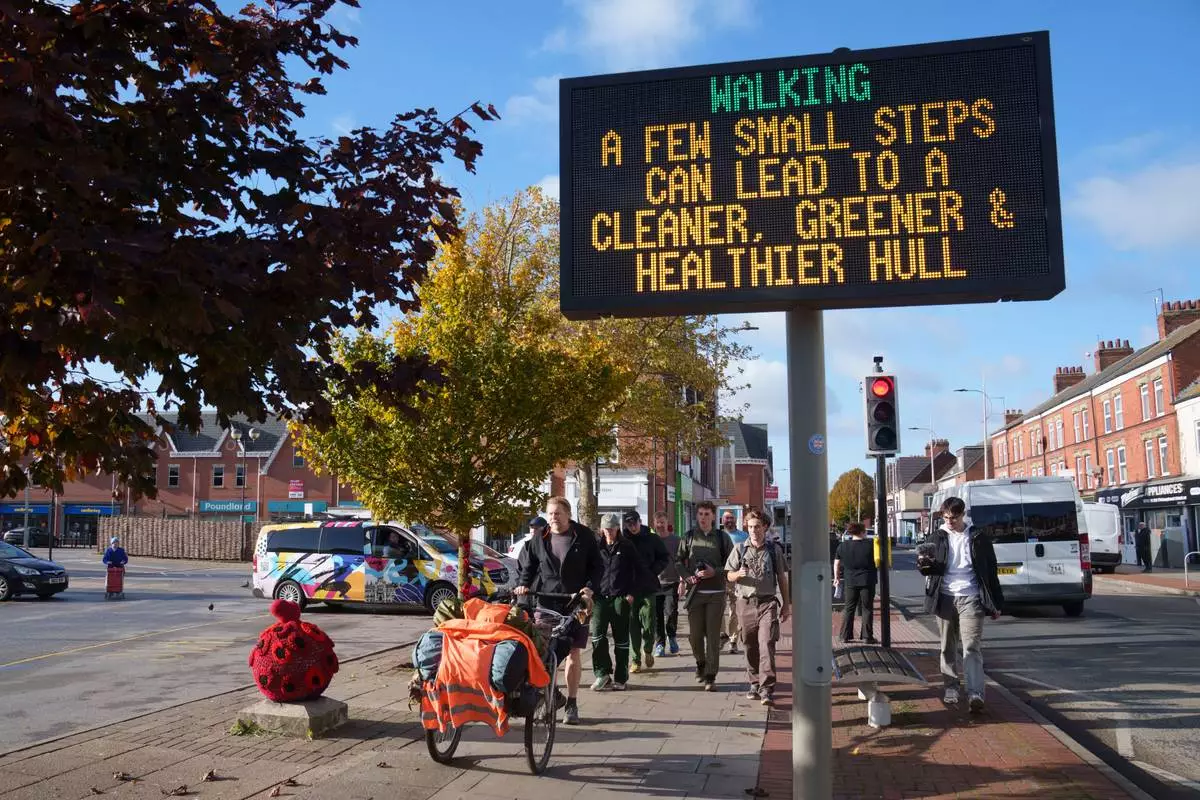
British adventurer Karl Bushby walks through Hull, England, Monday, Nov. 2, 2026, on his way to the city centre before making his way back to his mother's home after 28 years of his journey walking across the world. (AP Photo/Jon Super)

British adventurer Karl Bushby walks through Hull, England, Monday, Nov. 2, 2026, on his way to the city centre before making his way back to his mother's home after 28 years of his journey walking across the world. (AP Photo/Jon Super)

British adventurer Karl Bushby greets crowds in Hull, England, Monday, Nov. 2, 2026, before making his way back to his mother's home after 28 years of his journey walking across the world. (AP Photo/Jon Super)

British adventurer Karl Bushby greets crowds in Hull, England, Monday, Nov. 2, 2026, before making his way back to his mother's home after 28 years of his journey walking across the world. (AP Photo/Jon Super)

British adventurer Karl Bushby is surrounded by members of the public as he arrives back in Hull, England, Monday, Nov. 2, 2026, heading to his mother's home after his 28 years journey walking across the world. (AP Photo/Jon Super)

British adventurer Karl Bushby is surrounded by members of the public as he arrives back in Hull, England, Monday, Nov. 2, 2026, heading to his mother's home after his 28 years journey walking across the world. (AP Photo/Jon Super)

British adventurer Karl Bushby walks through Hull, England, Monday, Nov. 2, 2026, on his way to the city centre before making his way back to his mother's home after 28 years of his journey walking across the world. (AP Photo/Jon Super)

British adventurer Karl Bushby walks through Hull, England, Monday, Nov. 2, 2026, on his way to the city centre before making his way back to his mother's home after 28 years of his journey walking across the world. (AP Photo/Jon Super)

Recommended Articles