Skip to Content Facebook Feature Image

Pastor Adam Hamilton ousts GOP Sen. Roger Marshall, Democrats' 1st Senate win in Kansas in 94 years

News

Pastor Adam Hamilton ousts GOP Sen. Roger Marshall, Democrats' 1st Senate win in Kansas in 94 years
News

News

Pastor Adam Hamilton ousts GOP Sen. Roger Marshall, Democrats' 1st Senate win in Kansas in 94 years

2026-11-04 13:06 Last Updated At:13:10

TOPEKA, Kan. (AP) — Adam Hamilton, a Democrat and Methodist megachurch pastor, won a startling upset in Kansas over Republican Sen. Roger Marshall, flipping a seat once believed to be safely red in another example of how far unhappiness with President Donald Trump has spread throughout the nation.

Hamilton’s victory was historic for snapping a 94-year losing streak in Senate races for Kansas Democrats — the nation’s longest — and because spending on the campaign was around $110 million, easily a record in low-cost Kansas. Republicans attempted a massive rescue effort for Marshall, including two Trump rallies in the state in October, but weren’t able to save his attempt at a second term.

More Images
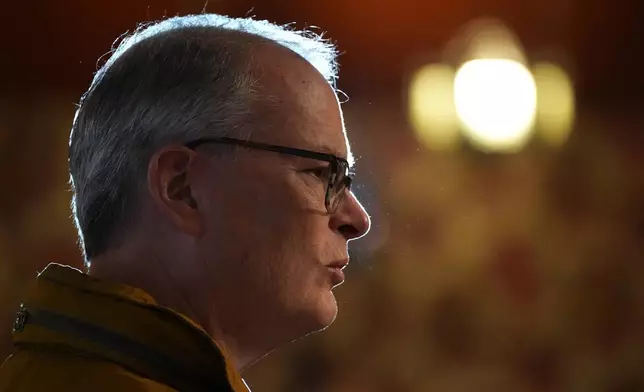
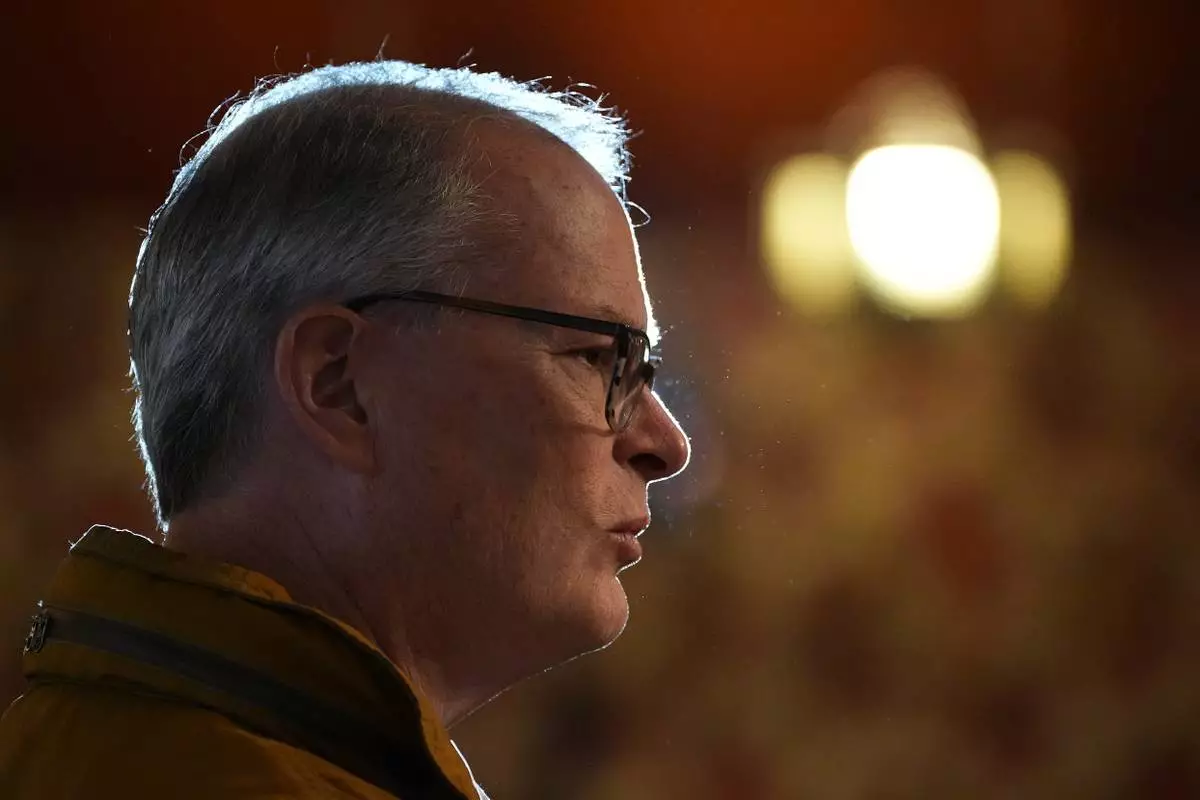
Republican Sen. Roger Marshall participates in a debate with Democratic nominee for U.S. Senate Adam Hamilton at WDAF TV in Kansas City, Mo., Wednesday, Oct. 21, 2026. (AP Photo/Charlie Riedel, Pool)
Republican Sen. Roger Marshall participates in a debate with Democratic nominee for U.S. Senate Adam Hamilton at WDAF TV in Kansas City, Mo., Wednesday, Oct. 21, 2026. (AP Photo/Charlie Riedel, Pool)

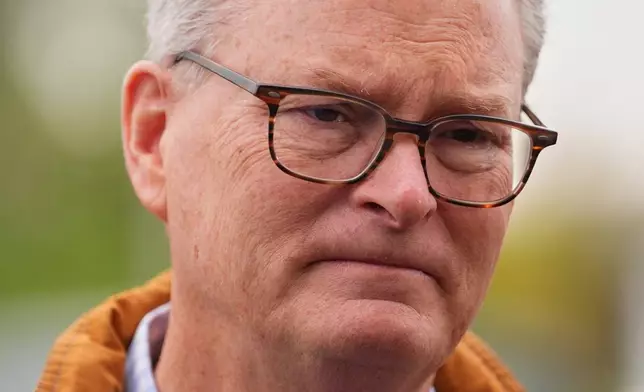
Democratic candidate for U.S. Senate Adam Hamilton listens to reporter's question after greeting campaign volunteers at a restaurant Saturday, Oct. 31, 2026, in Kansas City, Kan. (AP Photo/Charlie Riedel)
Democratic candidate for U.S. Senate Adam Hamilton listens to reporter's question after greeting campaign volunteers at a restaurant Saturday, Oct. 31, 2026, in Kansas City, Kan. (AP Photo/Charlie Riedel)

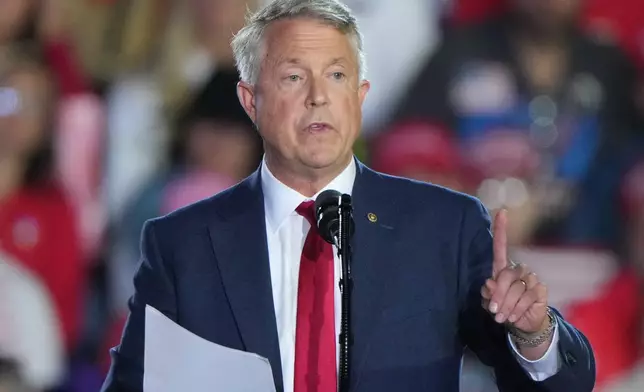
Sen. Roger Marshall, R-Kan., speaks before President Donald Trump at a campaign rally at the Salina Regional Airport, Sunday, Nov. 1, 2026, in Salina Kan. (AP Photo/Charlie Riedel)
Sen. Roger Marshall, R-Kan., speaks before President Donald Trump at a campaign rally at the Salina Regional Airport, Sunday, Nov. 1, 2026, in Salina Kan. (AP Photo/Charlie Riedel)

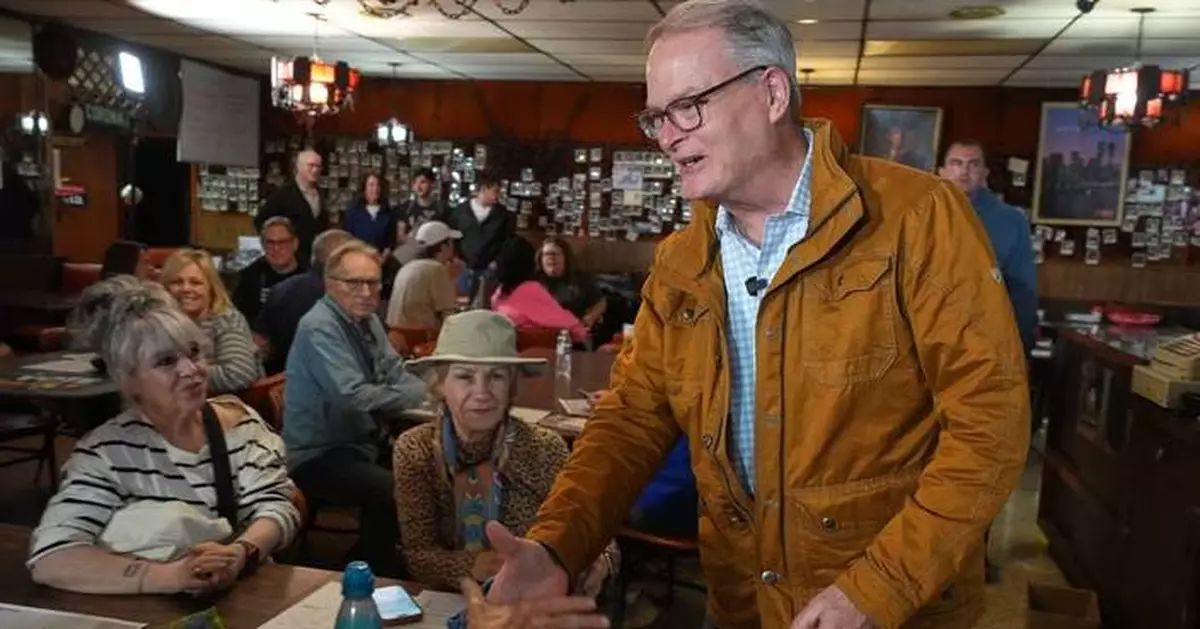
Democratic candidate for U.S. Senate Adam Hamilton speaks to campaign volunteers at a restaurant Saturday, Oct. 31, 2026, in Kansas City, Kan. (AP Photo/Charlie Riedel)
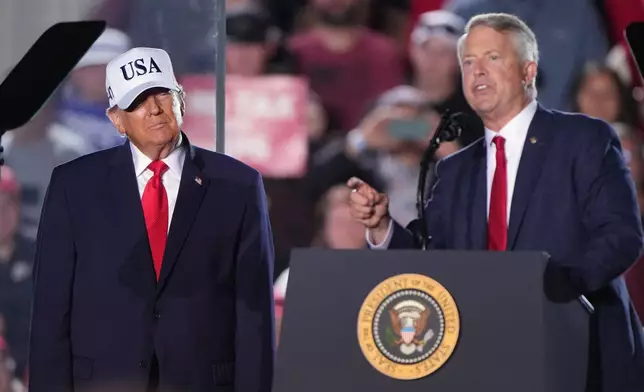
Democratic candidate for U.S. Senate Adam Hamilton speaks to campaign volunteers at a restaurant Saturday, Oct. 31, 2026, in Kansas City, Kan. (AP Photo/Charlie Riedel)

President Donald Trump listens as Sen. Roger Marshall, R-Kan., speaks at a campaign rally at the Salina Regional Airport, Sunday, Nov. 1, 2026, in Salina Kan. (AP Photo/Charlie Riedel)
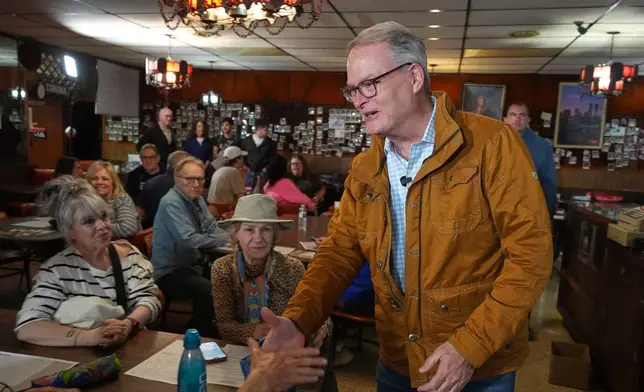
President Donald Trump listens as Sen. Roger Marshall, R-Kan., speaks at a campaign rally at the Salina Regional Airport, Sunday, Nov. 1, 2026, in Salina Kan. (AP Photo/Charlie Riedel)

Democratic candidate for U.S. Senate Adam Hamilton speaks to campaign volunteers at a restaurant Saturday, Oct. 31, 2026, in Kansas City, Kan. (AP Photo/Charlie Riedel)

Democratic candidate for U.S. Senate Adam Hamilton speaks to campaign volunteers at a restaurant Saturday, Oct. 31, 2026, in Kansas City, Kan. (AP Photo/Charlie Riedel)

“This is amazing. We really did make history," Hamilton told his supporters. “We're not flyover country. We're the heart of the country.”

Hamilton won by appealing to moderate Republicans and independent voters who were frustrated with the rising cost of living and unhappy with Trump’s handling of the economy and the war with Iran. He also promised to combat the intense partisanship in Washington. In his victory speech from a Kansas City-area hotel, Hamilton said people were also upset with cuts in health care and food assistance, and President Donald Trump's tariffs.

“I think the people in Kansas, Republicans and Democrats, are saying that what’s happening in Washington is not OK,” Hamilton said. “Kansans are also fed up with the way politicians divide us.”

Hamilton's fundraising far outstripped Marshall’s — particularly when it came to contributions from Kansas residents — and Democratic groups poured tens of millions of dollars into the state. It helped the party overcome efforts by Trump and Vice President JD Vance to animate Trump’s political base with rallies down the stretch in Kansas.

Hamilton is the founding pastor of the 25,000-member Church of the Resurrection in the Kansas City area, the nation’s largest United Methodist congregation. He brought to the race a centrist persona, a knack for fundraising and a public profile as the author of several dozen books.

Marshall, a retired obstetrician, was elected to the House in 2016 and won his Senate seat in 2020. He remained loyal to Trump throughout the campaign, defending both the war and Trump’s tariffs.

Trump had rallies for Marshall on Oct. 19 and Oct. 31, while Vance headlined a rally for Marshall in September and returned Oct. 26.

Republicans spent the final few weeks of the campaign pounding home a traditionally winning message for them: that voting for the Democratic nominee would put liberal Democrats in charge of the Senate. While visiting Topeka, Vance called Hamilton “Chuck Schumer’s stooge,” though Hamilton said repeatedly that he would not support keeping the New York senator as Democratic leader.

Republicans committed $45 million to television and digital ads in the race, according to the ad-tracking firm AdImpact, but Democrats poured in $65 million.

With only a nominal primary challenge, Marshall’s campaign didn’t start its ads until late August and his fundraising lagged. Republicans, worried about the national attention that Hamilton was drawing, shifted millions of dollars from North Carolina to Kansas. Democrats continued to invest in the race, spending more than $27 million on television and digital ads in the second half of October alone, according to AdImpact.

Echoing Trump, Marshall blamed high fuel prices on Ukrainian attacks on Russian infrastructure in their war. He repeatedly told voters that the economy was strong and has improved under Trump.

He also faced attacks alleging he had abandoned Kansas to live in Florida. Marshall said he owned a vacation home in Florida so he could spend time with family. Marshall sold the property last month.

The last Democrat to win a Senate race in Kansas was George McGill, a Wichita attorney, in 1932. There hadn’t even been a truly close race since 1974, when future Republican icon Bob Dole won a second term by less than 2 percentage points following the Watergate scandal that forced President Richard Nixon from office.

Republicans portrayed Hamilton as too “woke” for Kansas, in part by highlighting his church’s support for LGBTQ rights. In the campaign’s final weeks, they also focused on two cases of alleged sexual abuse of teenage boys by an adult leader at annual camps for Hamilton’s church, one each in 2005 and 2006.

The church investigated the first incident in 2005 but did not report it to law enforcement when the victims couldn’t positively identify the perpetrator, and the man returned for the 2006 camp. The second incident was reported to law enforcement and the church turned over its records on the first case, but the local prosecutor did not pursue criminal charges.

The church changed its child protection policies and since the 2005 case has required all incidents to be reported to law enforcement. Hamilton acknowledged that it was a mistake for the church not to report the first incident in 2005 and for him to not personally check to see that the man didn’t return in 2006.

However, along with Trump’s drop in popularity nationally, Hamilton benefitted from a recent shift in Kansas politics.

Although the state is often viewed as ruby red, there’s a sizable bloc of moderate voters who have regularly swung governor’s races to Democrats. Suburbs near Kansas City, Missouri, have become increasingly blue, making it easier for Democrats to win statewide races by carrying just the most populous counties.

Hamilton’s comments about Schumer demonstrated the balance he sought to strike in wooing independent and Republican voters. He made a point of describing himself as “independent-minded” and positioned himself as a potential moderate counterweight in Washington.

In another example, he criticized U.S. Immigration and Customs Enforcement during an event in Topeka but stopped short of calling to abolish the agency.

“They were formed to make sure that people didn’t fly airplanes into buildings again,” he said, referencing the Sept. 11 terror attacks. “If they stick to what they were created for, I’m grateful for them.”

His campaign also hammered Marshall — who uses “Doc” on his stationery — over questions about how he pursued unpaid patient bills before he won a U.S. House seat in 2016.

The New York Times reported that Marshall and his practice sued more than 700 patients during his decades-long medical career. In 81 cases, patients were arrested for missing court dates, and two experts called his tactics extreme, according to the report. During a televised debate, Marshall called attacks on him a “gross mischaracterization” of his professional record.

—-

This story has been updated to correct that Marshall was elected to the House in 2016, not 2017.

Republican Sen. Roger Marshall participates in a debate with Democratic nominee for U.S. Senate Adam Hamilton at WDAF TV in Kansas City, Mo., Wednesday, Oct. 21, 2026. (AP Photo/Charlie Riedel, Pool)
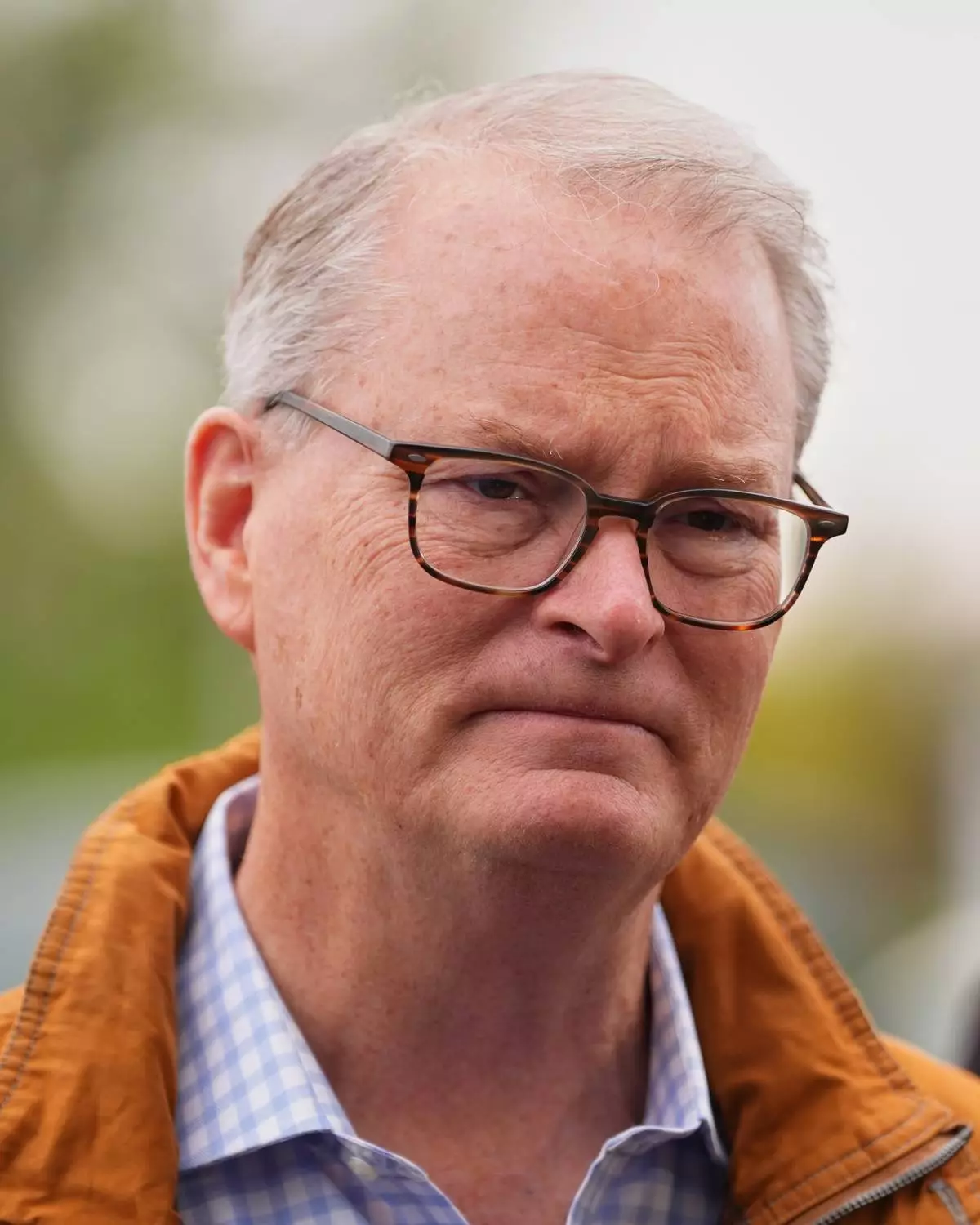
Republican Sen. Roger Marshall participates in a debate with Democratic nominee for U.S. Senate Adam Hamilton at WDAF TV in Kansas City, Mo., Wednesday, Oct. 21, 2026. (AP Photo/Charlie Riedel, Pool)

Democratic candidate for U.S. Senate Adam Hamilton listens to reporter's question after greeting campaign volunteers at a restaurant Saturday, Oct. 31, 2026, in Kansas City, Kan. (AP Photo/Charlie Riedel)
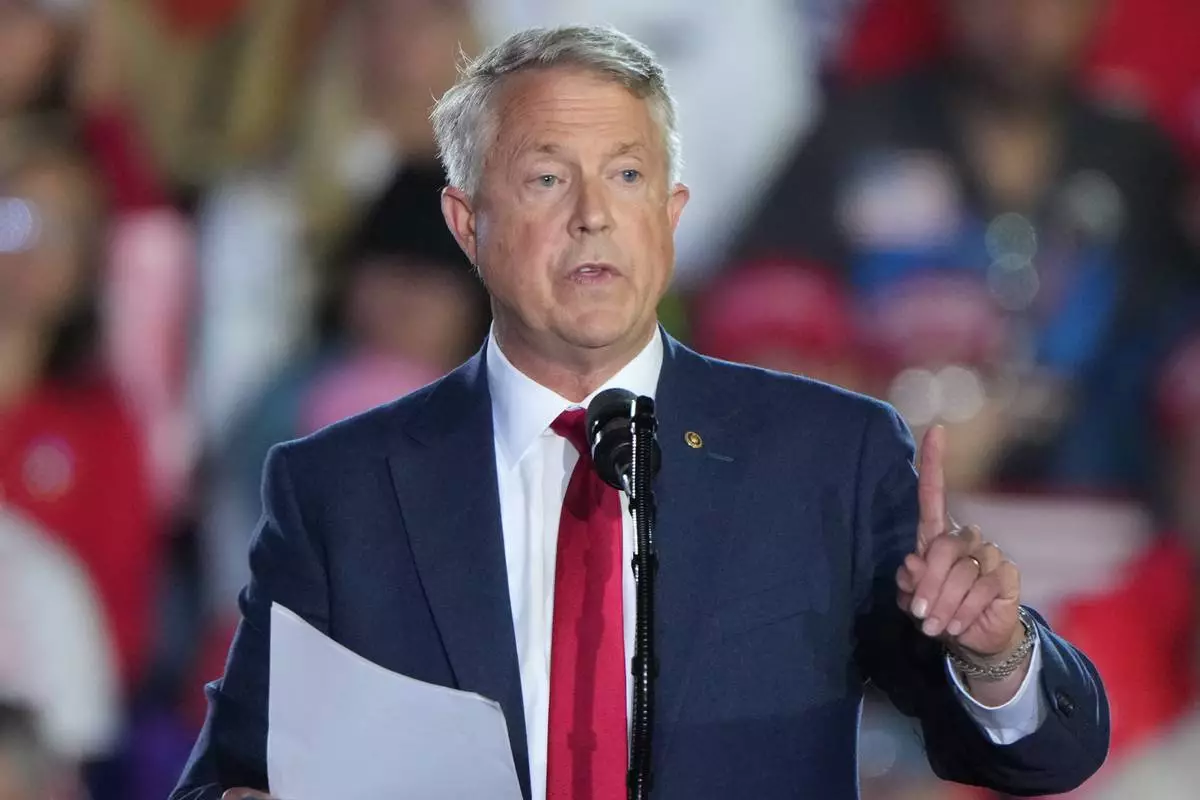
Democratic candidate for U.S. Senate Adam Hamilton listens to reporter's question after greeting campaign volunteers at a restaurant Saturday, Oct. 31, 2026, in Kansas City, Kan. (AP Photo/Charlie Riedel)

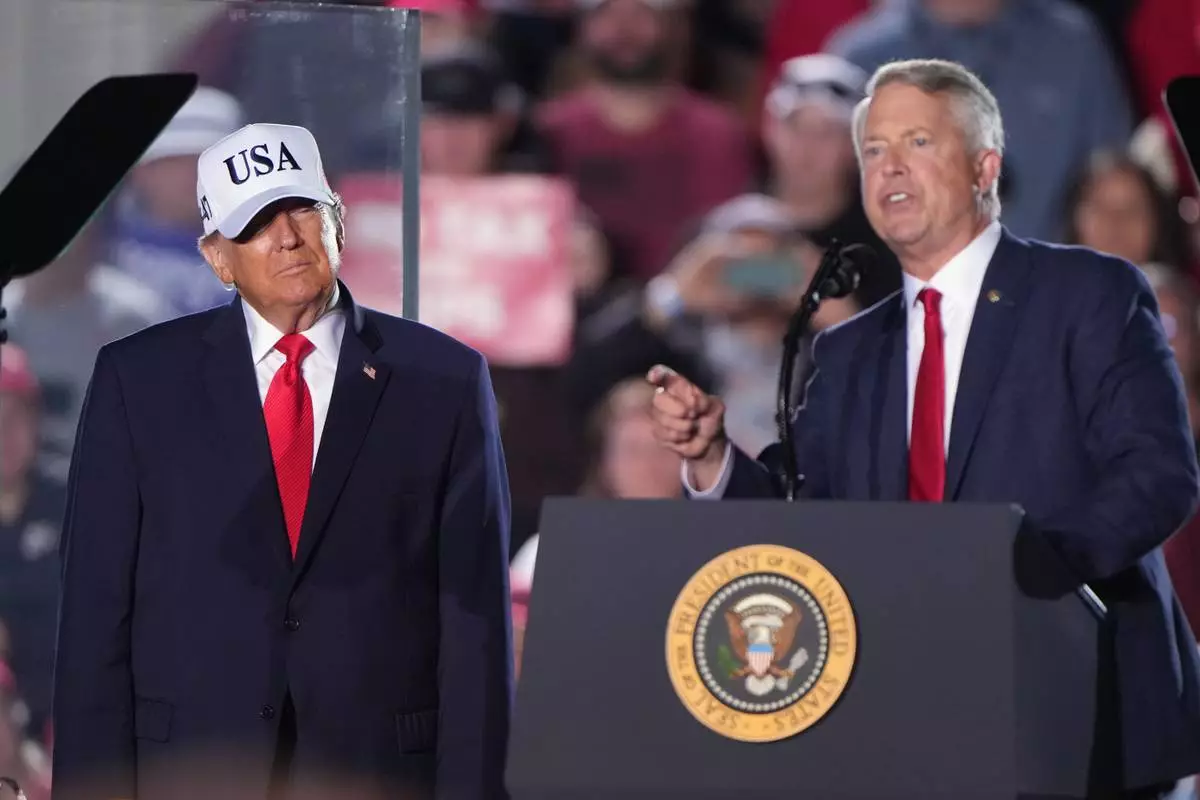
Sen. Roger Marshall, R-Kan., speaks before President Donald Trump at a campaign rally at the Salina Regional Airport, Sunday, Nov. 1, 2026, in Salina Kan. (AP Photo/Charlie Riedel)
Sen. Roger Marshall, R-Kan., speaks before President Donald Trump at a campaign rally at the Salina Regional Airport, Sunday, Nov. 1, 2026, in Salina Kan. (AP Photo/Charlie Riedel)

Democratic candidate for U.S. Senate Adam Hamilton speaks to campaign volunteers at a restaurant Saturday, Oct. 31, 2026, in Kansas City, Kan. (AP Photo/Charlie Riedel)
Democratic candidate for U.S. Senate Adam Hamilton speaks to campaign volunteers at a restaurant Saturday, Oct. 31, 2026, in Kansas City, Kan. (AP Photo/Charlie Riedel)

President Donald Trump listens as Sen. Roger Marshall, R-Kan., speaks at a campaign rally at the Salina Regional Airport, Sunday, Nov. 1, 2026, in Salina Kan. (AP Photo/Charlie Riedel)
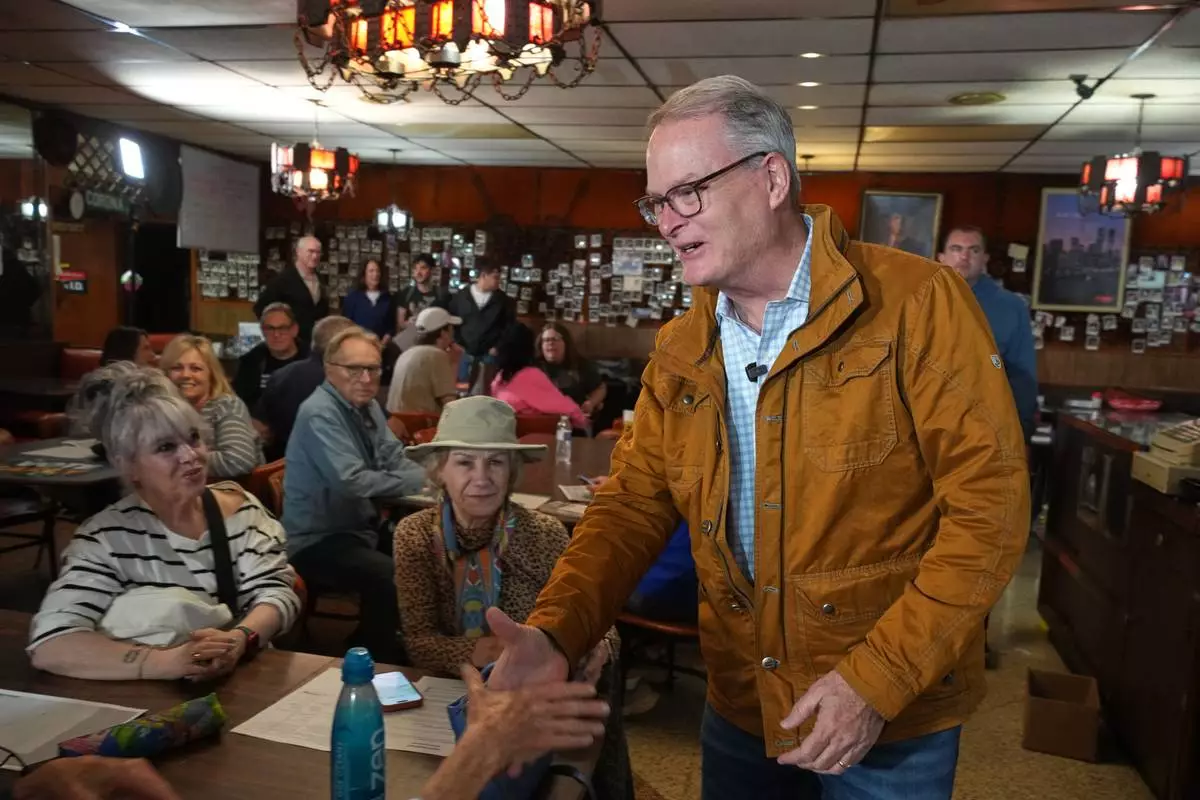
President Donald Trump listens as Sen. Roger Marshall, R-Kan., speaks at a campaign rally at the Salina Regional Airport, Sunday, Nov. 1, 2026, in Salina Kan. (AP Photo/Charlie Riedel)

Democratic candidate for U.S. Senate Adam Hamilton speaks to campaign volunteers at a restaurant Saturday, Oct. 31, 2026, in Kansas City, Kan. (AP Photo/Charlie Riedel)

Democratic candidate for U.S. Senate Adam Hamilton speaks to campaign volunteers at a restaurant Saturday, Oct. 31, 2026, in Kansas City, Kan. (AP Photo/Charlie Riedel)
WASHINGTON (AP) — At the urging of President Donald Trump, Republicans in eight states redrew the boundaries of dozens of congressional districts over the past year while angling for an edge that could help them hold onto a slim House majority in a tough midterm election.

Ultimately, it didn't work.

Republicans lost most of the Democratic-held seats they had targeted to flip, lost others they had banked on retaining and got swept out of power by a Democratic surge fueled by voter dissatisfaction with Trump, the economy and the war with Iran.

The Republican redistricting plan fell flat in Alabama, Florida and Texas. It got scuttled by courts in Missouri and then firmly defeated by its voters Tuesday. And it got offset in California, where a retaliatory Democratic redistricting flipped all five of the Republican-held seats it targeted.

“This is a catastrophic rebuke of Donald Trump’s failed effort to gerrymander the country into oblivion to save the U.S. House of Representatives for himself," John Bisognano, president of the National Democratic Redistricting Committee, said Wednesday.

Congressional voting districts typically are redrawn after a census at the start of each decade to account for population changes. But Trump spurred an unusual mid-decade redistricting battle last year when he urged Texas Republicans to reshape U.S. House districts to give the GOP a shot at winning five additional seats in the midterm election.

A cascade of redistricting followed, spurred along in the South by a Supreme Court ruling that weakened federal Voting Rights Act protections for majority Black districts. Republicans hoped their redistricting could net as many as four more seats in Florida, two in Ohio and one each in Alabama, Louisiana, North Carolina and Tennessee.

In all but one of those revamped districts, Trump would have carried over 54% of the vote had they been in place for the 2024 election, according to Associated Press estimates.

“In normal times, that sort of district is relatively safe,” said Justin Levitt, a professor at the Loyola Law School in Los Angeles who runs the “All About Redistricting” website.

But the presumed Republican districts got undercut by shifting viewpoints of Trump. The AP Voter Poll found about 6 in 10 disapprove of how Trump is handling the presidency. Views of Trump’s priorities also were mostly negative.

“If we look across the country, that entire mid-decade redistricting gambit was a complete bust for Republicans,” said Mark Jones, a political science professor at Rice University in Houston.

In Texas, Republicans reconfigured three heavily Latino districts in the Rio Grande Valley, which had shifted toward Trump in 2024, to try to boost their chances of unseating Democratic Reps. Henry Cuellar and Vicente Gonzalez. But both won reelection Tuesday. And Democrats instead unseated Republican Rep. Monica De La Cruz, whose district is sandwiched between theirs.

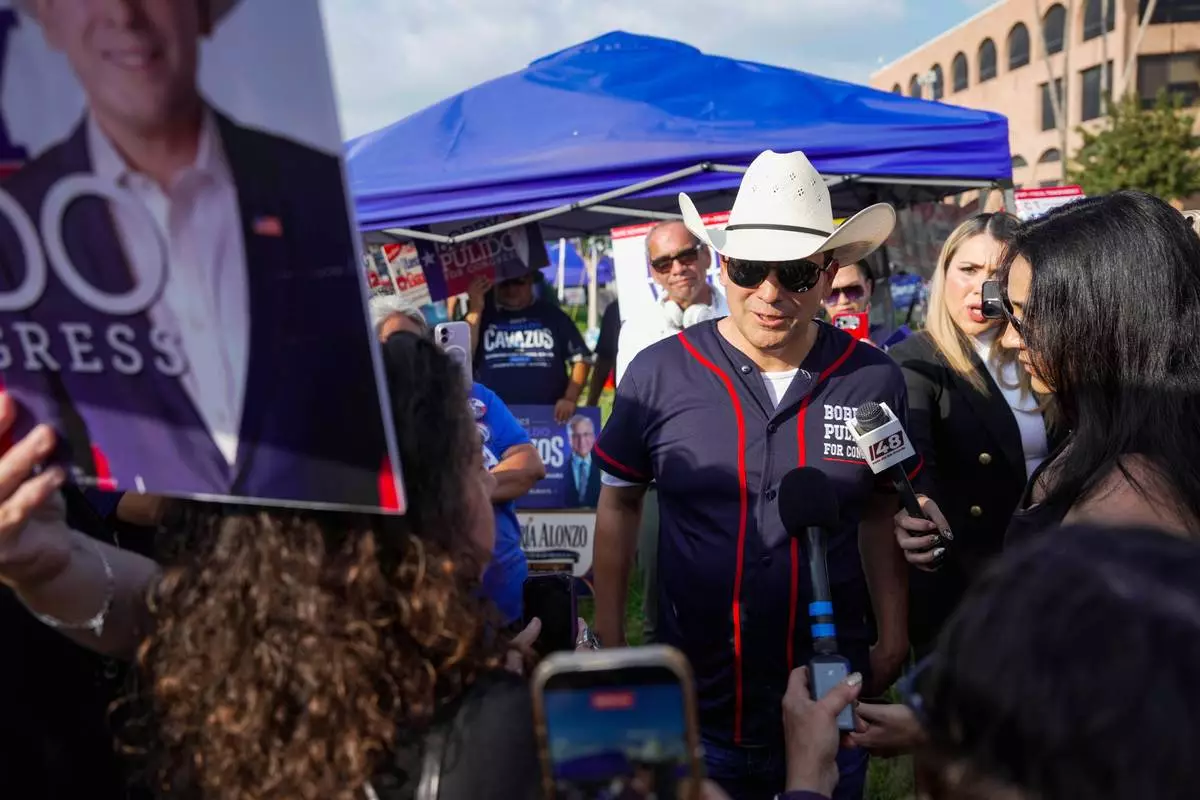
Though De La Cruz's new district retained the same percentage of Trump-inclined voters as the 2024 version, about 3 in 5 voting-age residents were new — making it harder for her to compete against Democratic challenger Bobby Pulido, a well-known Latin Grammy award winner.

The AP Voter Poll indicates a substantial shift in Hispanics moving away from Republicans compared with Trump’s victory just two years ago. Nationally about one-third of Hispanics say they backed the Republican in their local U.S. House race, while roughly 4 in 10 voted for Trump two years ago.

The new Texas districts were drawn by Adam Kincaid, executive director of the National Republican Redistricting Trust.

“Trying to pick up five seats in Texas, without putting anything else in serious jeopardy, it was a Herculean task,” Kincaid said Wednesday. He added: “It required the trends that we had been seeing over the past several years to continue, and that did not happen.”

Had Republicans not redrawn the Texas districts, however, they likely would have lost even more seats, Kincaid said.

Republicans in Florida tried to tilt four more House seats to the GOP in Trump’s adopted home state. Democratic Rep. Jared Moskowitz was among their targets, but he decided to run anyway in one of the redrawn districts. He won reelection Tuesday.

“I’ve worked across the aisle. I’ve delivered results for my community, and they spent $26 million trying to beat me,” Moskowitz said after his victory in Florida’s 25th Congressional District. “They lit that money on fire tonight.”

He said voters in his new district, like those nationwide, were most concerned about the economy and their ability to afford a good quality of life. But he said that redistricting angered voters, too.

After redistricting, about two-thirds of voting-age residents were new to the district represented by Democratic Rep. Kathy Castor. But she also won reelection. Democrat Pia Dandiya won yet another district -- an open seat in southern Florida — that Republicans had reshaped for an advantage.

In Alabama, a Supreme Court ruling allowed the Republican-led Legislature to revert to what the GOP considered to be a friendlier map. But Democratic Rep. Shomari Figures won reelection anyway, defying Republicans' plans.

Republicans redrew two congressional districts in eastern North Carolina with a goal of unseating Democratic Rep. Don Davis in the 1st Congressional District, which has sent a Black member to Congress for more than 30 years. They made Davis' district a bit more Republican by bringing in thousands of voters from the 3rd Congressional District, held by Republican Rep. Greg Murphy. In exchange, they reassigned thousands of Democratic-leaning areas to Murphy's district.

The ensuing advertising battle for Davis' seat cost well over $50 million, according to the ad-tracking firm AdImpact, ranking among the most expensive House races nationally.

Davis held a slight lead Wednesday, and the race between Murphy and Democratic challenger Raymond Smith was particularly close.

What started as a Republican redistricting effort could become a Democratic redistricting movement ahead of the presidential election.

Maryland voters on Tuesday approved a constitutional amendment that will make it easier for the state's Democratic-led General Assembly to redraw districts to the party's advantage. Democratic proponents, backed by former President Barack Obama, have touted it as a way to “stop Trump.”

Democrats who made gains in numerous state legislatures Tuesday also could use that power for redistricting — most notably in Wisconsin, where districts are tilted toward Republicans. And Democratic lawmakers in New York already have taken an initial step toward congressional redistricting before the 2028 elections.

But the recent midterm redistricting revealed it can be difficult to anticipate voter behavior when trying to gerrymander districts for partisan advantage. That could particularly be the case for the next presidential election, which would be the first in a dozen years without Trump's name atop the ballot, making it hard to know how his supporters would realign behind new candidates.

The midterm election "shows districts aren’t destiny – that if voters actually show up, they can overcome district lines,” Levitt said.

Associated Press writer Bill Barrow contributed to this report.

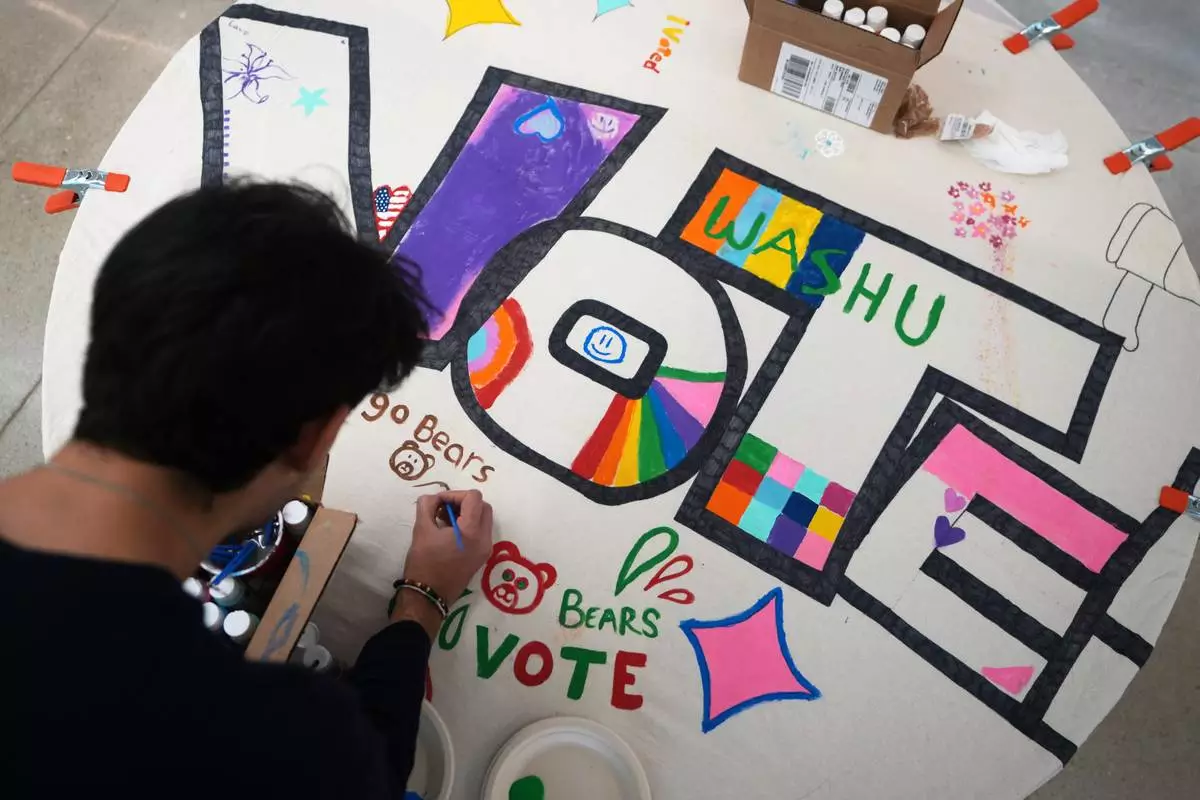
Santiago Rivera paints on a sign outside a polling place after casting his ballot on Election Day during the midterm election Tuesday, Nov. 3, 2026, in Clayton, Mo. (AP Photo/Jeff Roberson)

Santiago Rivera paints on a sign outside a polling place after casting his ballot on Election Day during the midterm election Tuesday, Nov. 3, 2026, in Clayton, Mo. (AP Photo/Jeff Roberson)

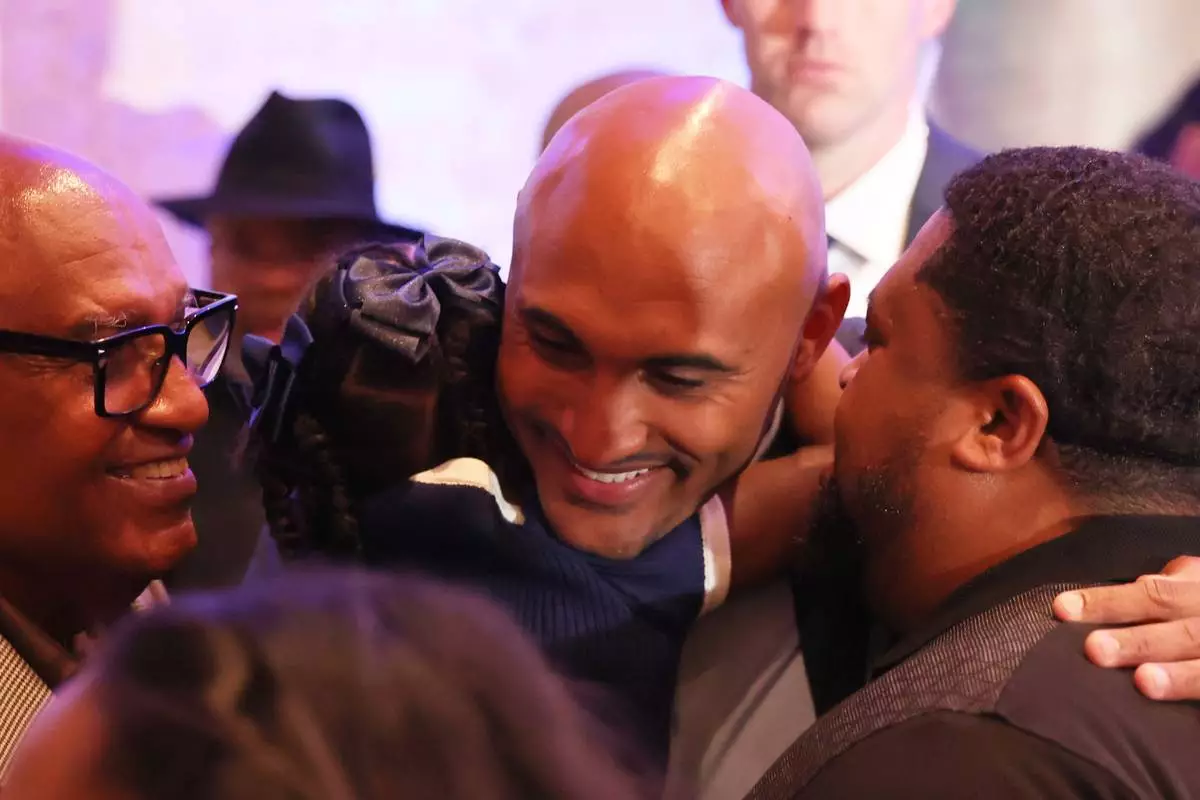
Rep. Shomari Figures, D-Ala., mingles with supporters at an election night event, Tuesday, Nov. 3, 2026, in Montgomery, Ala. (AP Photo/Vasha Hunt)

Rep. Shomari Figures, D-Ala., mingles with supporters at an election night event, Tuesday, Nov. 3, 2026, in Montgomery, Ala. (AP Photo/Vasha Hunt)

Democratic House candidate Bobby Pulido arrives at a polling location at the University of Texas Rio Grande Valley's Student Academic Center on Election Day, Tuesday, Nov. 3, 2026, in Edinburg, Texas. (Raquel Natalicchio/Houston Chronicle via AP)

Democratic House candidate Bobby Pulido arrives at a polling location at the University of Texas Rio Grande Valley's Student Academic Center on Election Day, Tuesday, Nov. 3, 2026, in Edinburg, Texas. (Raquel Natalicchio/Houston Chronicle via AP)

Recommended Articles