Inflation and the cost of living dominated U.S. voters' minds as the midterm elections are drawing to a close on Tuesday, a contest shaping up as a major test for President Donald Trump's second term.
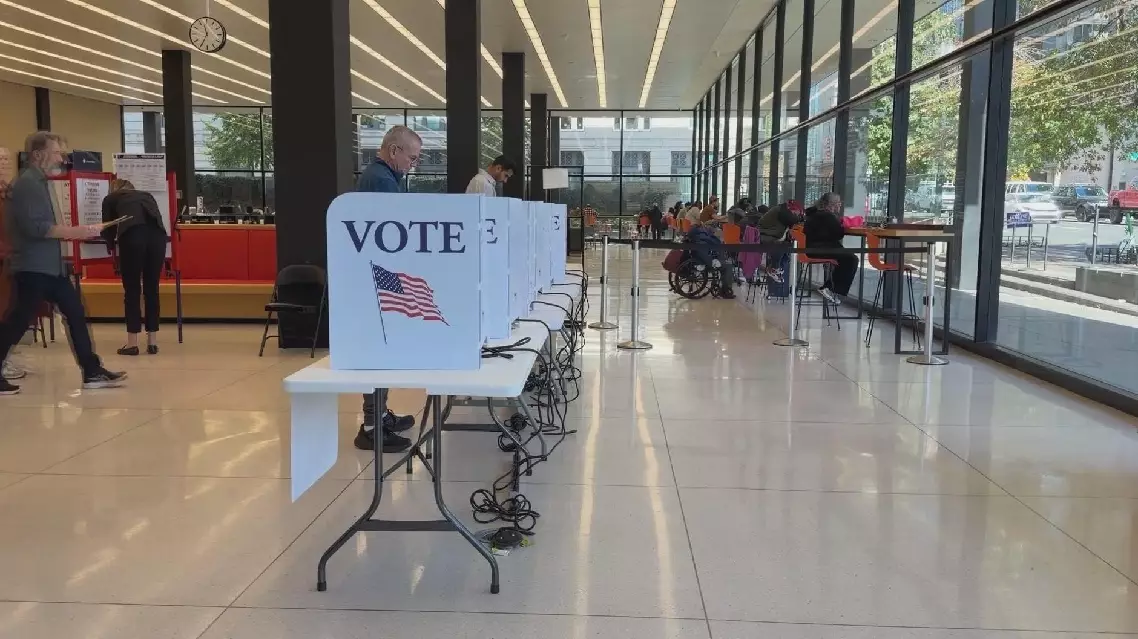
Voters outside a polling station in Washington, D.C. put pocketbook issues at the top of their list.
"In this election, the economy, gas prices, store prices, and stuff like that," said Clifton, a voter in the U.S. capital.
"I think affordability is a big problem, just in terms of real estate and groceries and normal cost of living," said David, another voter.
The concern runs across party lines. A Pew Research Center survey released in October found 84 percent of registered voters said the economy "is very important to their midterm vote", including 88 percent of Democratic supporters and 82 percent of Republican supporters.
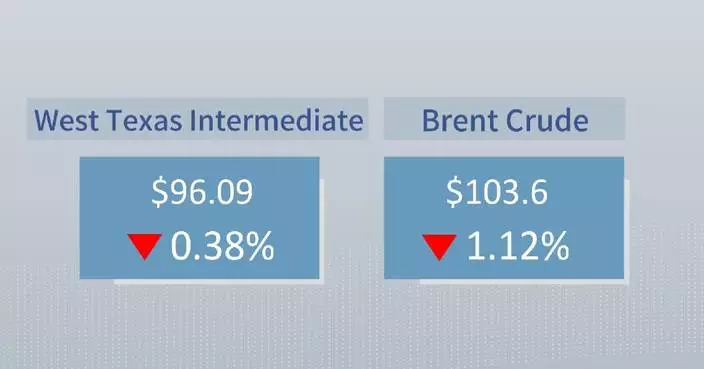
Many voters blamed the administration's policies for higher gas and food prices, singling out the war with Iran and sweeping tariffs. The conflict has roiled energy markets, pushing up fuel and transport costs and adding to household expenses.
"Well, I mean it certainly affects life, right? It affects cost, it affects gas, it affects groceries. But obviously some people feel those pressures more acutely than others," said Jack, a Washington voter.
"It's a really important issue. I just don't know how much this election will determine that," said Cameron, another voter.
Beyond living costs, healthcare, immigration and foreign policy also weighed on voters. A survey conducted by U.S. media outlets found 69 percent of voters were closely focused on healthcare costs, and more than 60 percent on how instability abroad affects the United States at home.
With voters focused on these concerns, Democrats campaigned on the rising cost of living and the fallout from the Iran conflict, criticizing Republican policies, while Republicans emphasized their economic and national security record.
All 435 House seats and 35 of the 100 Senate seats are up for election, along with governorships in 36 states and state and local offices. Over the past several weeks, more than 50 million U.S. voters cast ballots early.
According to The New York Times, turnout in several key Senate battleground states surpassed levels recorded at the same point in the previous midterm cycle.
Cost of living tops U.S. midterm election voters' concerns