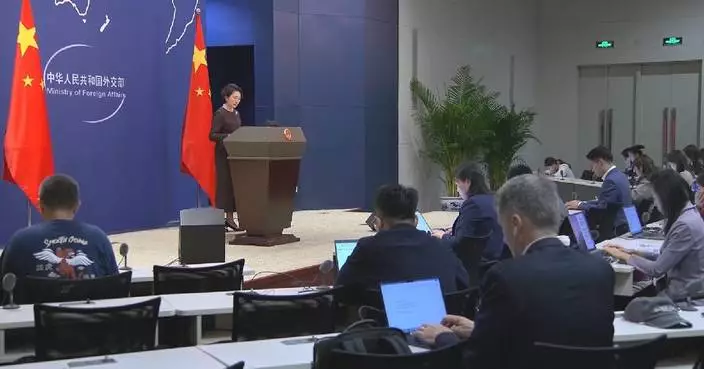
China will accelerate efforts to optimize its transport infrastructure during the 15th Five-Year Plan period (2026-2030), the National Development and Reform Commission (NDRC) announced Wednesday.
Speaking at a press conference in Beijing, Xia Xin, head of the NDRC's Infrastructure Development Department, outlined a vision for high-speed railways, expressways, waterways, and civil aviation.
The country will add about 15,000 kilometers of railways, including about 10,000 kilometers of high-speed rail, and basically complete the national grid known as the "eight vertical and eight horizontal" corridors—eight major north-south lines and eight major east-west lines that form the backbone of the system.
Efforts will accelerate to develop a complete set of technologies and standards for constructing and operating 400 km/h high-speed rail lines, and to steadily advance their commercial operation.
"We will fully complete the construction of high-standard riverside high-speed railways, accelerate the building of coastal high-speed railways, and steadily advance railway construction in the border areas. We will speed up building the system for transporting Xinjiang's coal outward and advance the preliminary work on projects including the Qinhuangdao-Shenyang high-speed rail," said Xia.
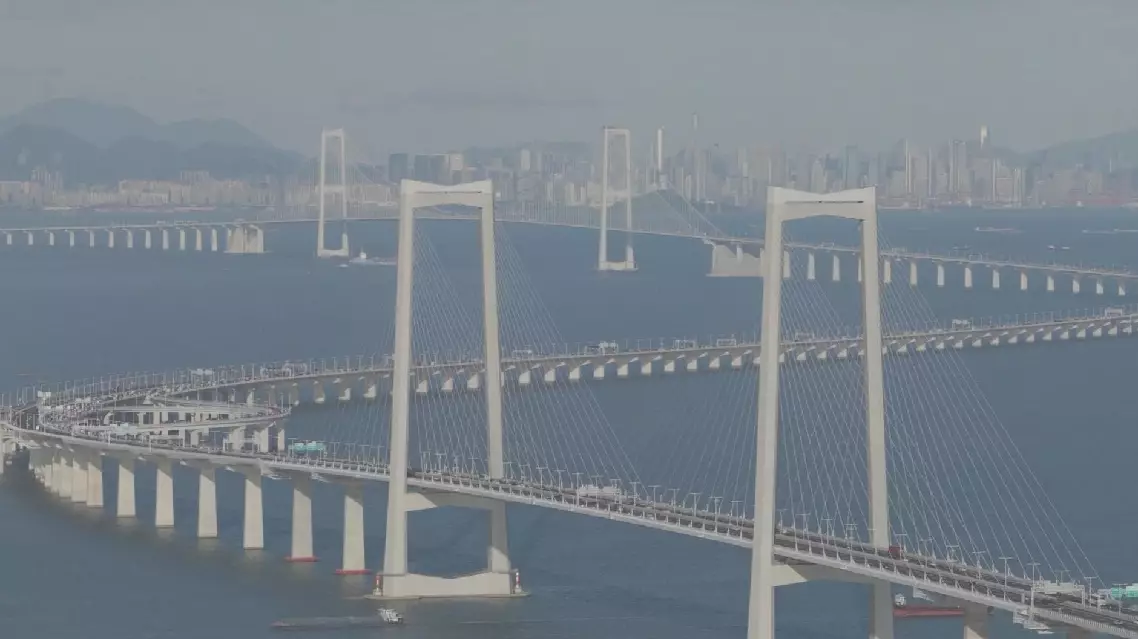
In the coming years, China's expressway network will add approximately 21,000 kilometers of road, focused on completing missing links in the national grid, including riverside expressways and metropolitan loop lines.
In terms of water transport, the country will build about 2,500 kilometers of high-grade national waterways and over 100 automated wharf berths with a capacity of 10,000 tons or above.
"We will accelerate the construction of Shanghai into a world-class international shipping center, optimize and upgrade the port clusters in the Yangtze River Delta and in the Guangdong-Hong Kong-Macao Greater Bay Area, actively develop the port clusters along the southeastern coast and around the Beibu Gulf, and build new shipping channels in the Three Gorges area," Xia said.
For civil aviation, China will build about 15 new civil transport airports, focusing on creating world-class airport clusters centered on major metropolises: Beijing, Shanghai in the east; Guangzhou and Shenzhen in the south; and Chengdu and Chongqing in the southeast.
"We will complete the construction of new airports in Hohhot, Xiamen and Dalian, build new airports in Guangzhou and Nantong, advance the preliminary work on new airports in cities including Sanya, implement a batch of aviation hub expansion projects, and construct a number of airports in the border areas," Xia said.
China targets 400km/h railways, world-class airports in transport blueprint under 15th Five-Year Plan
China targets 400km/h railways, world-class airports in transport blueprint under 15th Five-Year Plan