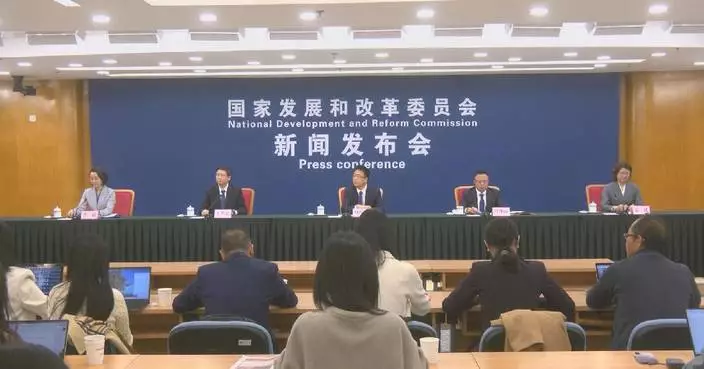
Chinese Premier Li Qiang said China stands ready to play a greater role in global intellectual property governance when meeting World Intellectual Property Organization (WIPO) Director General Daren Tang Wednesday in Beijing.
Li said that China and WIPO have engaged in fruitful cooperation in recent years. At a time when global economic growth is sluggish, the value of intellectual property is becoming ever more prominent, Li said.
The premier said China is ready to work with WIPO to deepen bilateral cooperation for tangible results, promote international cooperation on intellectual property, and make greater contributions to global innovation-driven development.
China is also willing to play a constructive role in the reform of the global intellectual property service system, and engage in cooperation on capacity building for Global South countries, Li said.
He expressed the hope that the United Nations agency will continue to support the development of China's intellectual property undertakings.
For his part, Tang said that WIPO looks forward to deepening cooperation with China, advancing Belt and Road cooperation, implementing the Global Development Initiative and the Global Civilization Initiative, and promoting sci-tech innovation and economic development.
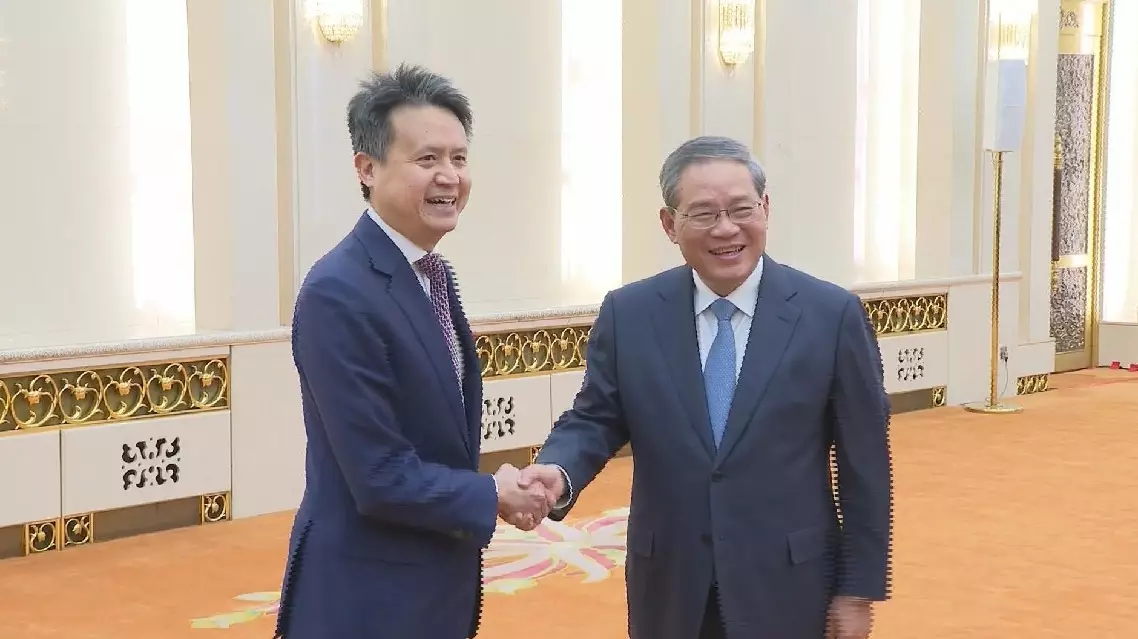
China ready to play greater role in global intellectual property governance: premier
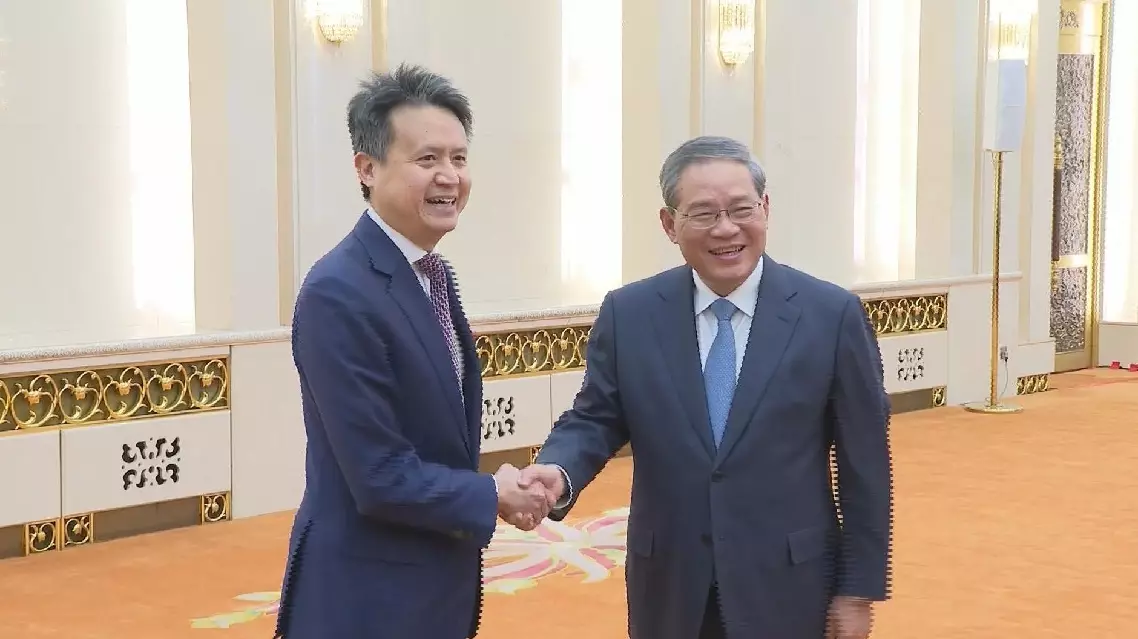
China ready to play greater role in global intellectual property governance: premier
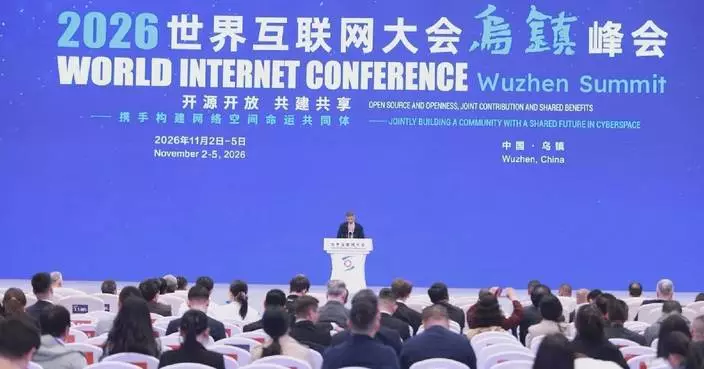
AI governance, open-source development and digital cooperation are taking center stage at the ongoing 2026 World Internet Conference (WIC) Wuzhen Summit, which opened on Tuesday in Wuzhen, east China's Zhejiang Province.
Held under the theme "Open Source and Openness, Joint Contribution and Shared Benefits -- Jointly Building a Community with a Shared Future in Cyberspace," the summit has brought together global participants as AI reshapes industries and economies, prompting debate over the rules and cooperation needed to guide AI development.
Chinese Premier Li Qiang attended the opening ceremony and delivered a keynote address. He called for a people-centered approach to internet development, while stressing open innovation, digital security and the sharing of digital dividends.
"This requires robust, multi-stakeholder internet governance to ensure a global digital ecosystem that is safe, secure, and fundamentally designed to serve all nations and drive global development," said Li Junhua, U.N. under-secretary-general for economic and social affairs, in his speech at the event.
Joe Tsai, co-founder and chairman of Chinese multinational conglomerate Alibaba Group, said open-source models could broaden access to AI.
"Open-source models can foster a global developer ecosystem, cut R and D costs for small and medium-sized enterprises, and bring particular value to less widely spoken languages and developing countries. They also allow developers in emerging economies to build local AI applications and innovation ecosystems without starting from scratch," he said.
Nii Narku Quaynor, chairman of Ghana Dot Com and an Internet Hall of Fame inductee, stressed the importance of inclusion.
"Openness is a simple word, but it carries a powerful message about how we develop technology, share knowledge, and shape our common future in cyberspace. We highlight three dimensions of openness: open documents, open standards, and meaningful participation, particularly from Africa and the Global South," he said.
The summit will run until Thursday.
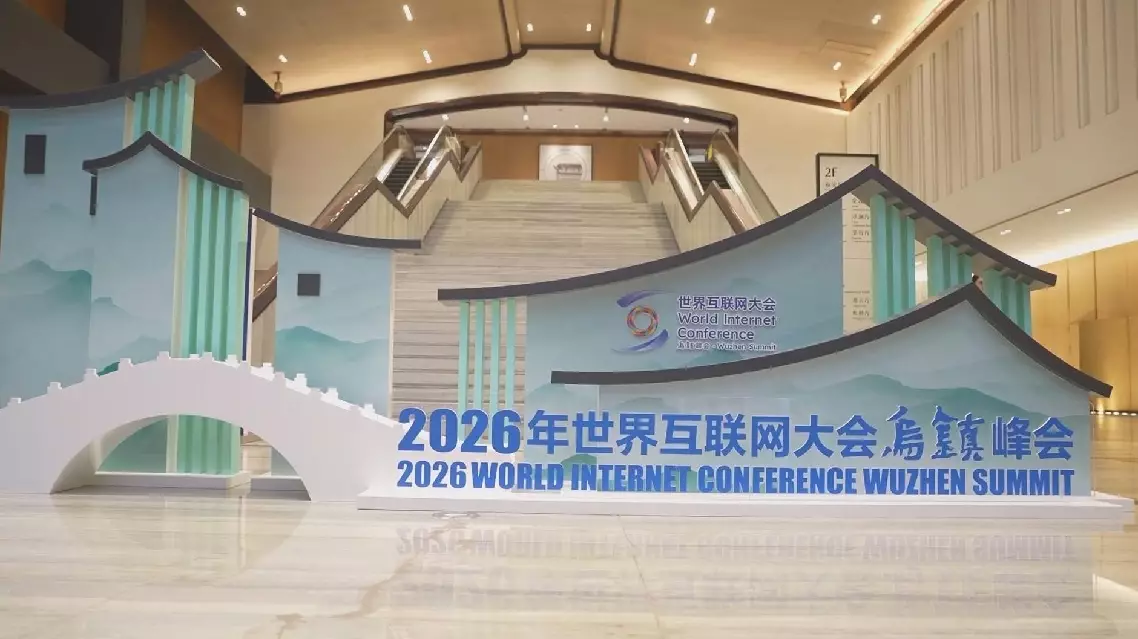
2026 WIC Wuzhen Summit puts AI governance, digital cooperation in focus