Iran's Islamic Revolution Guard Corps (IRGC) said Wednesday it shot down a U.S. MQ-1 drone over Qeshm Island in southern Iran.
In a statement, the IRGC said its new advanced air defense system tracked and downed the drone.
It said the enemy had stepped up reconnaissance and intelligence activity over the past several nights in an attempt to probe Iran's air defenses, while carrying out what it called "conspiratorial actions" in the Strait of Hormuz. Iran has foiled multiple attempts, it said.
The IRGC Navy continues to monitor the Strait of Hormuz, the statement said, adding that control of the waterway remains "in Iran's hands" and that "the enemy's attempts to change the existing situation in the region will not succeed."
Iran's strategic Qeshm Island sits on the northern rim of the Strait of Hormuz, and the U.S. says it houses an underground missile launch site, a naval base and a large desalination plant. Washington has previously targeted the island and discussed plans to seize it.
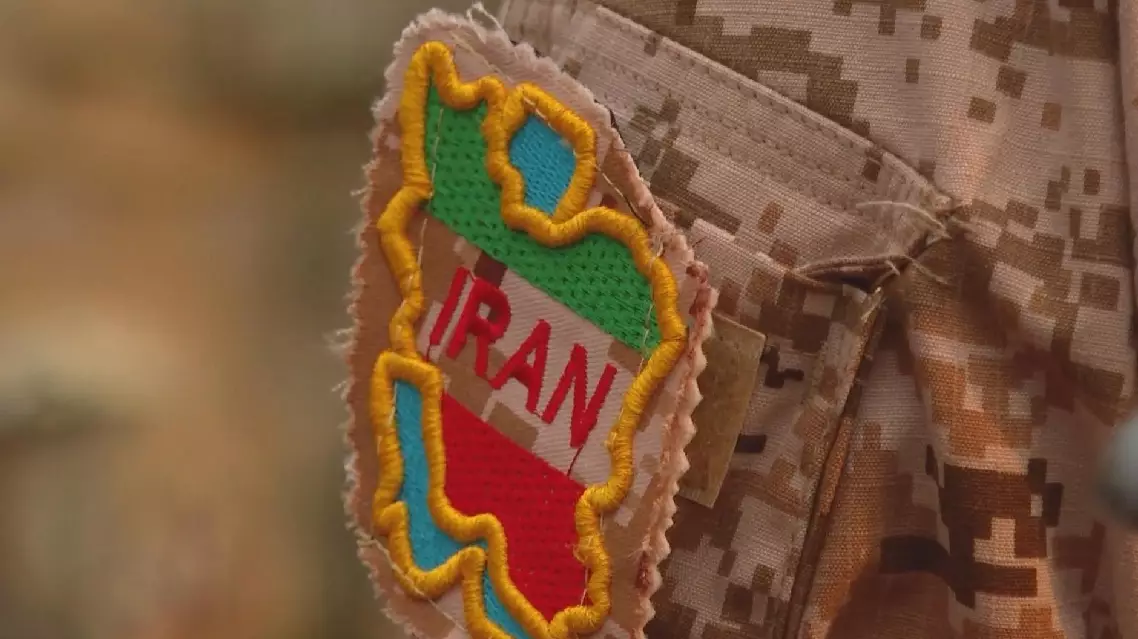
Iran claims shooting down U.S. drone over Qeshm Island
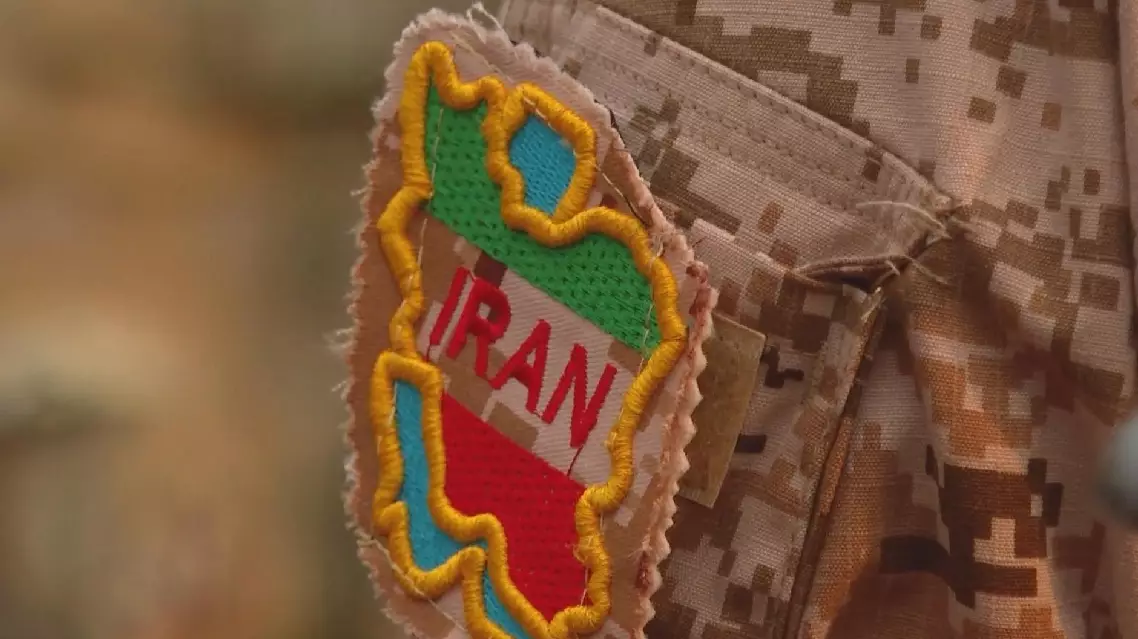
Iran claims shooting down U.S. drone over Qeshm Island
A photographer from the Republic of Korea (ROK) has dedicated three decades to capturing images of a group survivors of Japan's wartime "comfort women" atrocities, producing a moving photo collection which serves as a vivid visual testimony to their strength and courage while keeping their memory alive.
Through the powerful images captured through his camera lens, photographer Ahn Se-hong has sought to expose the crimes against humanity committed by Japanese militarism during World War II (WWII) and their long-lasting human impact on the survivors.
His work is the focus of a new documentary titled "Five," a joint Chinese-ROK film production, which centers on the stories of five survivors of Japan’s war crimes photographed by Ahn, who shares the profound stories behind the portraits. The span of his body of work is wider than many imagine as Ahn sought to track down women across the broader Asia-Pacific region, following the painful wounds of history across Southeast Asian villages, the Chinese countryside and island towns. Behind every photograph is a woman whose life was rewritten by war. "I started taking these photos in 1996. Thirty years have passed since then. I'd always thought about doing something meaningful. What else could we do together? Then the answer came: document these women through photography and make their stories widely known. And that's how it began," said Ahn.
"In fact, during Japan's war of aggression, 20 to 30 countries were victimized. I've visited survivors in the Philippines, Indonesia, China, and Timor-Leste, documenting and sharing their stories," he said.
In documenting the survivors through his photography, Ahn sought to delve deeper into the lives of the survivors, learning more about their families and memories, while hoping to share the struggles these brave "comfort women" faced.
"This woman is Park Dae-im. She was carrying her 8-month-old son on her back at the time. Someone said they'd take her to northeastern China, and she was dragged away against her will. Even by the 1950s, victims like her had no nationality. They were neither Chinese citizens nor citizens of ROK. It wasn't until the mid-1950s that she received her People's Republic of China citizenship certificate. That was the only proof of her identity, so she cherished it her entire life, until the day she died," said Ahn, as he introduced one of his photographs on display.
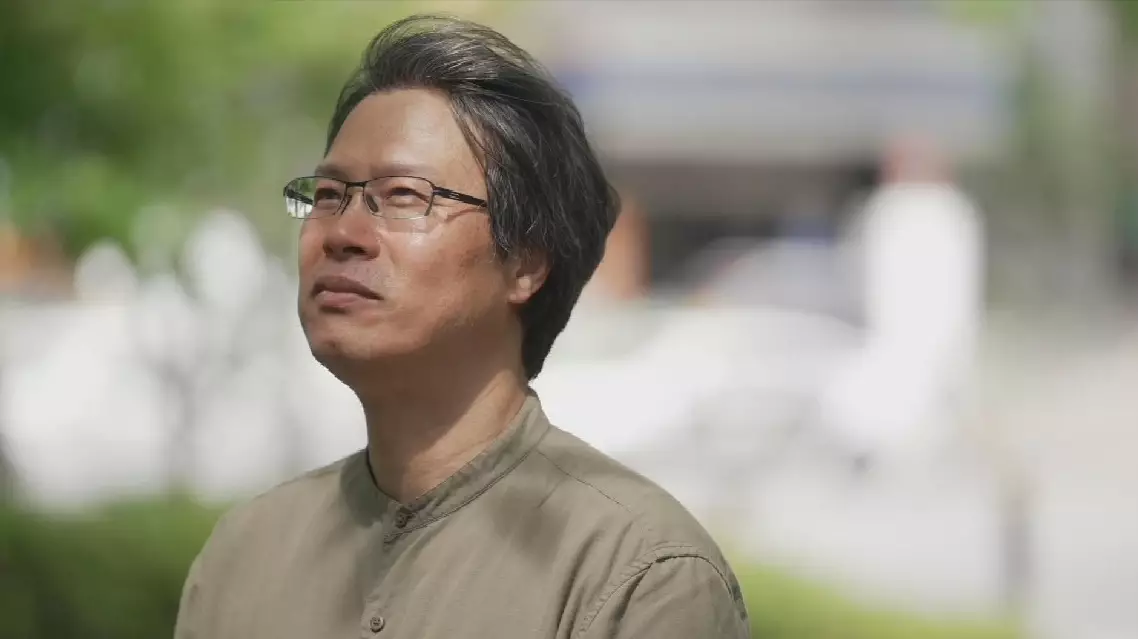
Photographer from ROK shares stories of ‘comfort women’ survivors through powerful portraits