Cholera has killed around 1,800 people so far this year in the Democratic Republic of the Congo (DRC) amid worries that the outbreak could spread to the capital city Kinshasa, the World Health Organization (WHO) said on Wednesday.
Speaking at a press conference at WHO headquarters in Geneva, Director-General Tedros Adhanom Ghebreyesus expressed concern about the situation.
"The DRC is also seeing its worst cholera outbreak in decades, with more than 60,000 cases and 1,800 deaths reported so far this year," he said.
Although most infections have been detected in the eastern provinces of North and South Kivu, Tedros noted that cases have now also appeared in the Congo River basin, raising the risk that the epidemic could reach Kinshasa.
The central African nation is currently grappling with a severe Ebola outbreak. As with Ebola, the spread of cholera in remote, conflict-affected areas with limited access is hindering response efforts.
The WHO warns that the areas concerned must not only deal with the Ebola outbreak but may also face a cholera pandemic. The agency is concerned that the ongoing rainy season could fuel the spread of cholera.
Cholera is a highly virulent disease characterized in its most severe form by a sudden onset of acute watery diarrhea that can lead to severe dehydration and death if left untreated.
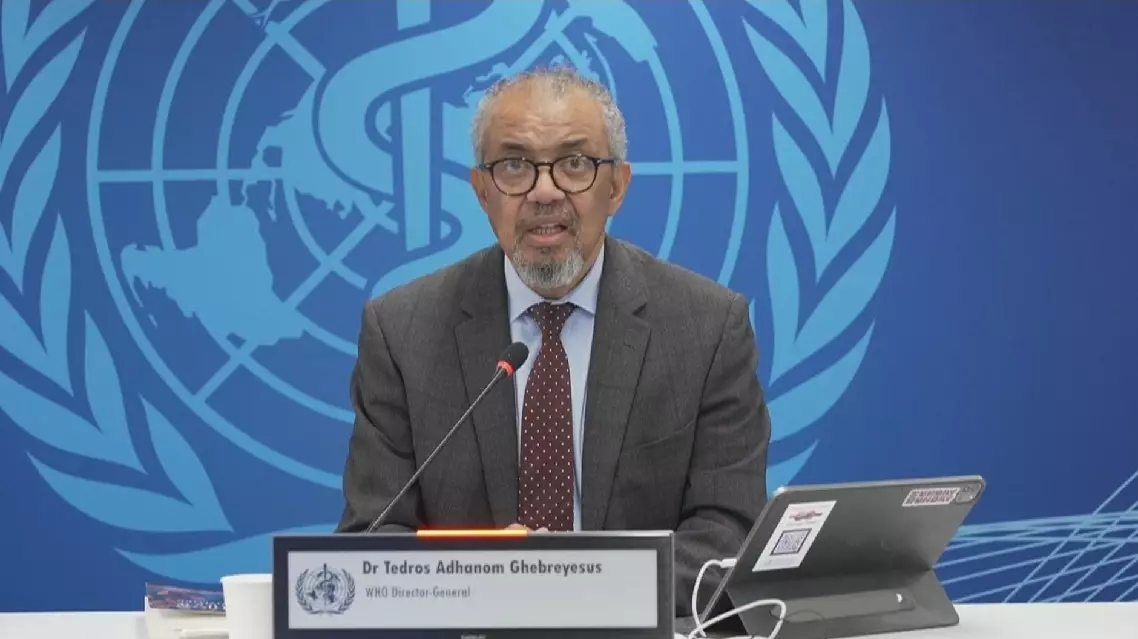
Cholera kills 1,800 in DRC this year as WHO warns of possible spread to Kinshasa
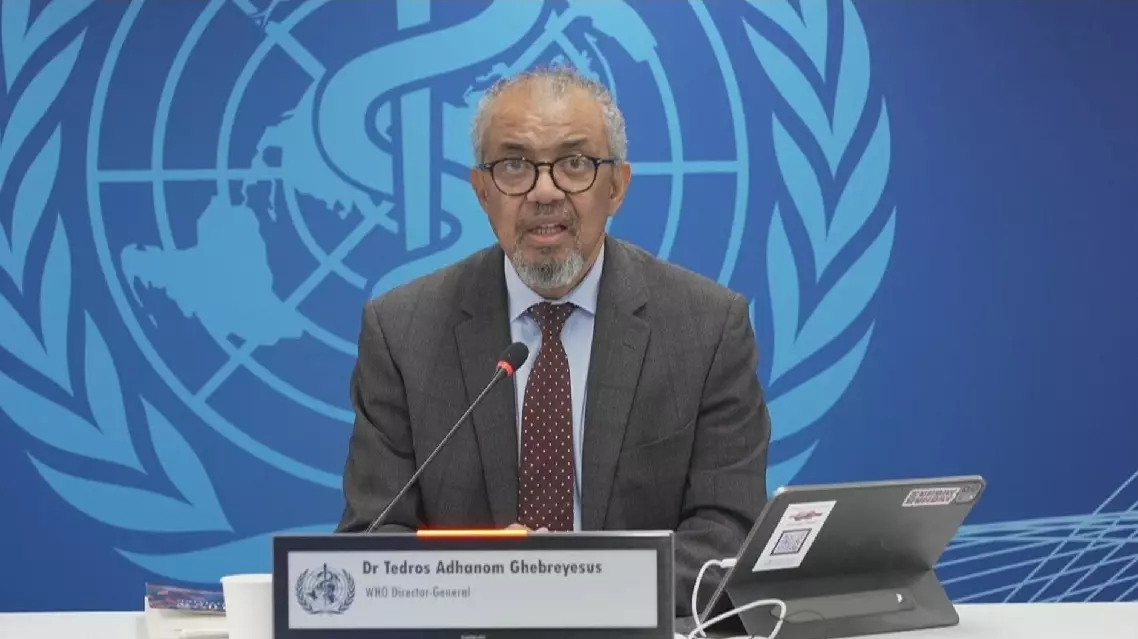
Cholera kills 1,800 in DRC this year as WHO warns of possible spread to Kinshasa
Russian Foreign Minister Sergey Lavrov said Tuesday that Russia has never closed its door to the West and remains ready to cooperate with Western countries that abandon hostile thinking towards it.
Meanwhile, Lavrov stressed that Russia does not want or plan to wage war with Europe, but is prepared if Europe decides to initiate conflict.
The prospect for direct dialogue with Europe remains unclear, Lavrov said, noting that the West is departing from the objective trend toward multipolarity globally.
Lavrov made the remarks at the fourth Minsk International Conference on Eurasian Security that opened in the Belarusian capital on Tuesday.
The event hosted by the Belarusian Foreign Ministry brought together more than 600 representatives from around 50 countries and regions.
In his opening speech, Belarusian President Alexander Lukashenko noted that building a sustainable security and development model in Eurasia is a practical necessity that will benefit the world.
He said that the high level of protests across Europe should raise caution, and urged EU nations to seek avenues for cooperation.
The Belarusian president also said that the Ukrainian crisis could potentially trigger another major war and expressed hope that a peaceful resolution will be found swiftly to the conflict.
The agenda of the two-day Minsk conference includes arms control, the role of new technologies in security, and the development of the Collective Security Treaty Organization, which has six members: Armenia, Belarus, Kazakhstan, Kyrgyzstan, Russia and Tajikistan.
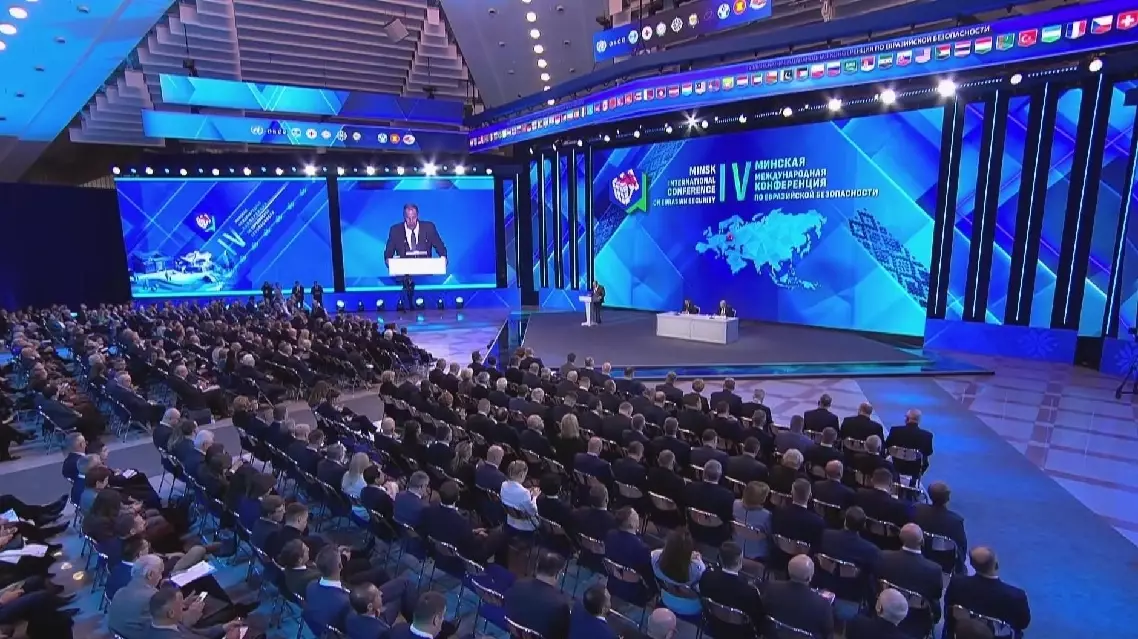
Russian FM says ready to cooperate with West, but well prepared in face of conflict